

All Hands, No Answers
Made with generative AI; directed and curated by Daniel.
A theatrical comedy arena-metal rock opera about corporate spin, broken systems, filtered truth and a CEO discovering the crisis beneath the stage lights now.
Tracklist
14 tracks
Liner Notes
A short editorial read on the album world, sound, and standout moments.
About the Album
All Hands, No Answers begins where most corporate disaster stories end: after the consultants have left, the dashboards have turned red and senior management has decided the real problem is communication. Across fourteen connected songs, Melody Mind Music turns the collapse of Infinite Loop Solutions into a comedy arena-metal rock opera, complete with towering choruses, twin-guitar harmonies, boardroom swagger and the kind of executive confidence that can describe a budget freeze as “financial focus.”
At the centre stands CEO Victor Sterling, a man who genuinely believes he is leading from the front despite spending most of his time thirty-seven floors above the people keeping the company alive. He is not written as a cardboard villain. That makes the album sharper and funnier. Victor is charismatic, ambitious and often sincere, but he has built an organisation in which every warning arrives polished, shortened and stripped of consequence. The opening track, “The View from the Top Floor,” gives Victor the entrance of an arena headliner while the lyrics quietly expose how little he can actually see.
“Everything Is Basically Fine” pushes the satire further. Directors turn cost overruns, staffing shortages and failed releases into evidence of strategic momentum, backed by a chorus large enough to make denial sound like company policy. The humour works because the language feels painfully familiar: learning curves, investment phases, resource concerns and carefully managed shades of amber. Rather than relying on random office jokes, the album builds its comedy from the way institutions protect themselves through vocabulary.
The first major spectacle arrives with “Infinite Loop 2030,” Victor’s ninety-six-slide vision for artificial intelligence, global expansion, automation and cultural renewal. Musically, it is everything the plan claims to be: enormous, polished and unstoppable. Lyrically, it contains almost no practical answer. That contradiction becomes one of the album’s strongest devices. The guitars rise, the drums accelerate and the choir announces the future, while owners, budgets and deadlines disappear from the presentation.
“AI Will Fix the Workflow” is an especially effective piece of workplace comedy. Every structural problem is handed to a model that schedules more meetings, misclassifies urgent tickets and eventually recommends executive contact as the missing part of the process. The joke is not that technology is inherently useless. It is that management wants software to make decisions nobody is willing to own. Beneath the humour, the song asks what happens when automation is used to preserve a broken organisation rather than improve it.
The album’s middle section changes the balance. “The CEO Visits Support,” “The Night Team Has Names” and “Nobody Showed Me This” bring Victor into direct contact with Ben, Mara and Priya. The staging remains theatrical, but the music becomes more grounded and conversational. Support has more than eight thousand unresolved tickets. The night team sleeps beside failing infrastructure. Quality has a wall of blocked releases whose risks were rewritten until they sounded manageable. These tracks give the record emotional weight without abandoning the comedy. A broken chair, an unpaid vending-machine debt and a customer trapped behind a password reset reveal more than another abstract speech could.
“Cancel the Consultants” is the album’s great release of pressure. Victor finally makes a specific decision, redirecting money from workshops, canvases and “alignment journeys” toward chairs, cooling parts and additional staff. The song is built for a room to shout along with, but it avoids the easy claim that all expertise is worthless. Its target is advice that repackages the obvious and invoices the client for discovering it. For a brief moment, the company seems capable of learning.
That victory does not last. “Investor Confidence” shows how quickly truth is folded back into presentation strategy. Victor is coached on posture, tone and approved vocabulary while the improvements he promised are placed under review. The title track, “All Hands, No Answers,” brings the contradiction onto a giant LED stage. Employees arrive with precise questions and leave with slogans, applause cues and twelve strategic pillars. The arrangement delivers the grandeur of classic arena rock while the lyrics dismantle the performance one line at a time.
The dramatic peak comes in “The Teleprompter Is Dead.” When the screen fails, Victor loses the language that has protected him from uncertainty. His improvised speech contains partial admissions, genuine confusion and the first unfiltered sentences of his leadership. The following ballad, “I Built This Distance,” is the album’s most restrained moment. Victor recognises that he never ordered anyone to lie, but rewarded calm, punished surprise and created systems that made honesty professionally dangerous. It is strong character writing because responsibility arrives without turning him into a saint.
The final two tracks complete the trap. “The Efficiency Initiative” converts Victor’s lessons into another cost-cutting programme. Supervision disappears, roles are compressed and broad access rights are sold as empowerment. Then “The Future Starts Today” introduces Jonas, the new intern who arrives with a cardboard box, no available mentor and permissions covering nearly the entire company. The album ends before catastrophe, with a cursor waiting over a global confirmation button. It is a superb closing image: funny, tense and entirely earned.
All Hands, No Answers is recommended because it treats comedy as songwriting rather than decoration. Its jokes have characters, consequences and callbacks. Its choruses are built to be remembered, but the story keeps changing what those choruses mean. The record should appeal to listeners who enjoy muscular guitar music with narrative ambition, workplace satire that understands its subject and concept albums that know when to make the audience laugh before tightening the screw.
Production Notes
All tracks were generated with AI music models, then processed for the final sound. No human performance recordings are used.
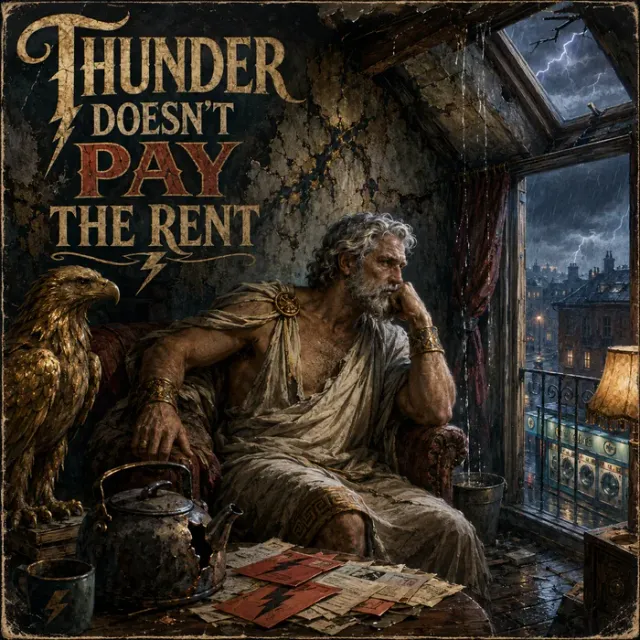
Thunder Doesn’t Pay the Rent
Thunder Doesn’t Pay the Rent turns Zeus’s midlife crisis into biting blues rock, where unpaid bills, bruised pride, black humor and hard-won humility collide.
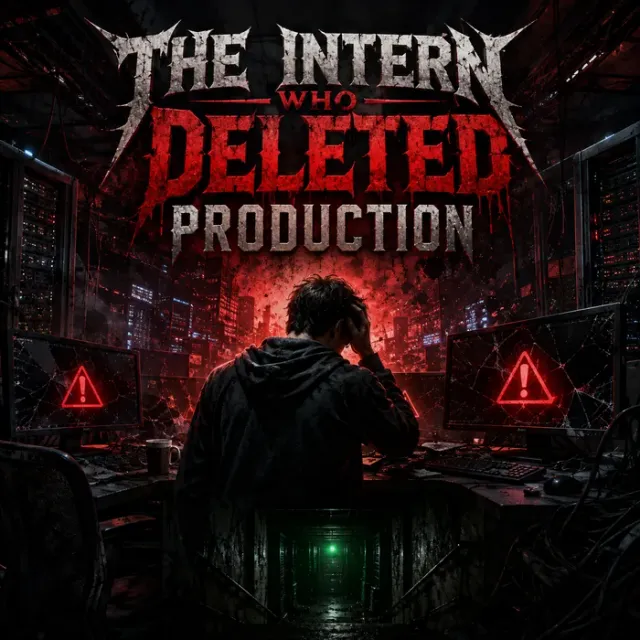
The Intern Who Deleted Production
The Intern Who Deleted Production is a savage comedy-thrash concept album about one fatal command and the broken company that made it inevitable from day one.
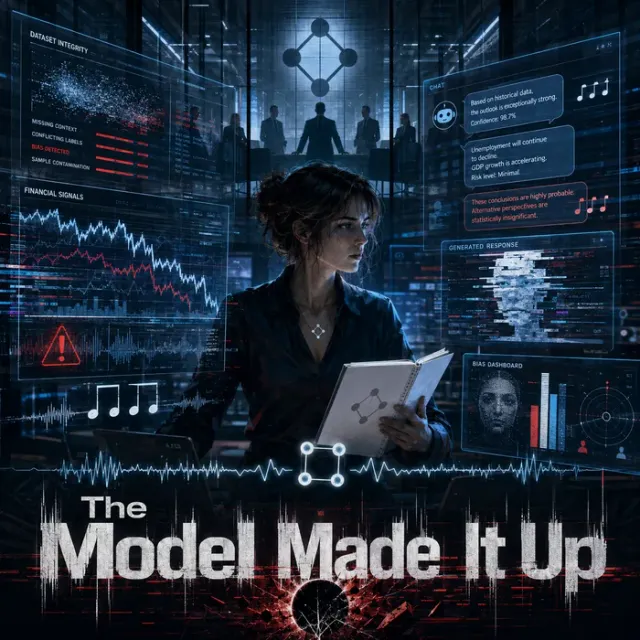
The Model Made It Up
A biting progressive electronic metal concept album about AI hype, bad data, corporate ambition, hallucinations, bias and the fight for human control at work.
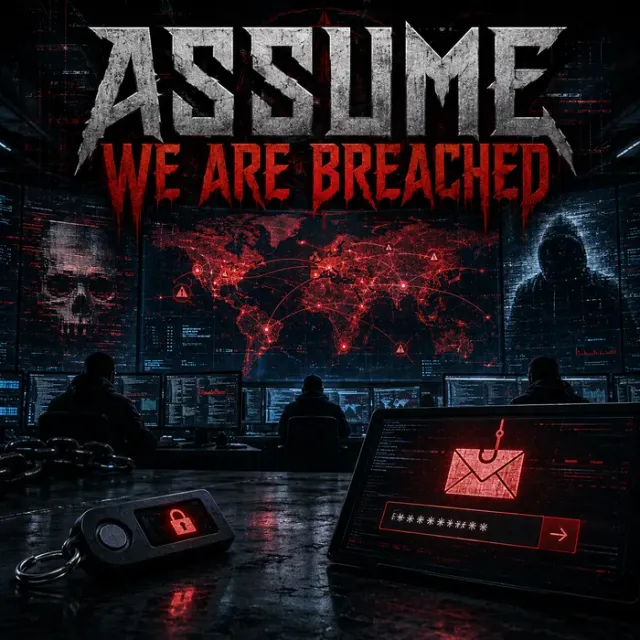
Assume We Are Breached
Industrial thrash concept album about cyber breaches, phishing, hidden accounts and corporate denial—dark, urgent, precise and dangerously addictive. Hear it.


Download the complete album
Get the full ZIP package with tagged audio files, cover artwork, and album metadata.
Help keep the albums coming
If this album was useful or fun to listen to, a small contribution helps cover hosting, tools, and new music experiments.