


Industrial rock about work, loss, and renewal in the Lausitz as coal closures reshape families, towns, and the meaning of home.
Tracklist
Liner Notes
A short editorial read on the album world, sound, and standout moments.
About the Album
Asche über der Lausitz is not an album about coal. It is about the weight of a work jacket after the final shift, the metallic taste of dust, the silence of a station where fewer trains now stop, and the question that follows every structural break: what remains when an entire region is told that its identity has expired?
Across fourteen tracks, Melody Mind Music turns the Lausitz into a real landscape and a symbol of places caught between economic necessity, ecological change and emotional inheritance. The album follows a power-plant worker, her son and the fading memory of a miners’ choir as the last block is shut down. The son wants to leave for Berlin; the mother remains tied to the place by work, love, grief and the names of those buried in its soil. Around them, abandoned villages, rusting helmets, empty cultural halls and wind turbines become more than scenery. They become arguments about what progress costs, who defines it and who carries the loss.
Musically, the album is rooted in Industrial Rock, but its machinery is never decorative. Conveyor rhythms, brake-drum percussion, low baritone guitars and heavy toms are built into the storytelling. When the belts move, the songs move with them. When the power plant falls silent, the arrangements lose their pulse. Dark Folk elements add earth, memory and ritual without turning the region into folklore theatre. The synthesizers are cold but not futuristic; the guitars are heavy but rarely triumphant. Every sound belongs to this landscape: concrete rooms, steel corridors, wet rails, black soil and broad horizons under a pale morning sky.
The key tracks work through concrete objects. “Der Name im Helm” turns a rusted work helmet into a memorial for Milan, the dead husband and father whose scratched name resists being filed away as industrial history. “Wo das Dorf einmal stand” gives voice to a vanished settlement beneath water and reclaimed land. “Letzter Tanz im Kulturhaus” softens the album’s steel frame with a worn piano waltz, allowing love, labour culture and communal memory to occupy the same room. None of these songs romanticises mining. Coal brought wages, houses and social life, but it also damaged bodies, consumed villages and left scars that no new slogan can cover.
At the centre stands “Als der Schornstein schwieg”, the album’s irreversible turning point. The final shutdown is presented without victory music and without nostalgic denial. The turbine slows, the conveyor empties, lights go out in sequence and the remembered workers’ voices emerge from the physical sound of the hall. History does not arrive as a supernatural spectacle, but as names, gestures and accumulated labour. The silence after the machinery stops is not peaceful. It is the sound of a region losing one language before it has learned another.
The second half refuses an easy rebirth. “Schwarzer Schnee im Juli” and “Die Häuser ohne Licht” examine the social aftermath: returning trains, emptied flats, reduced services and the distance between mother and son. “Rogow hat kein Grab” is darker still, confronting the erased village of Horno/Rogow and the unequal distribution of industrial sacrifice. The song does not offer a moral verdict. Workers needed wages; communities lost homes; the energy system served millions; certain people paid far more than others. That tension gives the album its credibility.
Hope enters late and carefully. A child plants a tree in exhausted mine soil. The gesture could have become sentimental, but “Schwarze Erde, grüner Trieb” keeps the ground hard, full of slag and stone. The tree does not erase what happened. It grows because someone names the buried streets, answers difficult questions and chooses to work with damaged land rather than pretending it was never damaged. In the title track, “Asche über der Lausitz”, the old work rhythm returns alongside a rising motif. The past is carried into a demand for jobs, education, public space and remembrance.
The closing song, “Neue Sprache für Heimat”, understands that home cannot mean stillness. Some people leave. Some return part-time. Some promises remain unfulfilled. The cultural hall becomes a workshop, rehearsal room and meeting place, while Milan’s helmet stays on a table rather than behind museum glass. It is a modest ending, and therefore a convincing one. The album does not claim that everything will be healed. It argues that a future becomes livable only when memory, contradiction and dignity remain visible.
Production Notes
All tracks were generated with AI music models, then processed for the final orchestral sound. No human performance recordings are used.
Full album download
Download the complete album
Get the full ZIP package with tagged audio files, cover artwork, and album metadata.
Support MelodyMind
Help keep the albums coming
If this album was useful or fun to listen to, a small contribution helps cover hosting, tools, and new music experiments.

Neon Hearts
A nocturnal K-pop story follows two people through Seoul, moving from Hongdae's crowded streets to a dawn confession across synth-pop, R&B, and dream-pop textures.
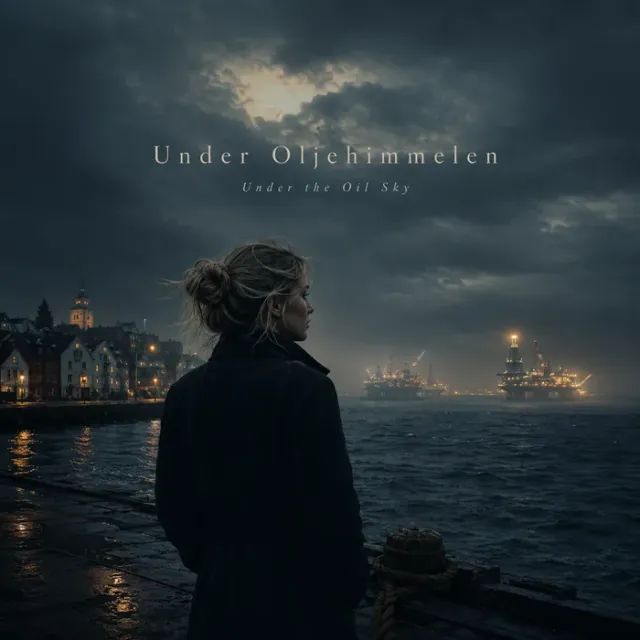
Under Oljehimmelen
Under Oljehimmelen is a Nordic dark pop concept album about oil, family, climate guilt, the sea, and a daughter caught between love and truth.

Azúcar y Ceniza
Afro-Cuban jazz, bolero, and nocturnal soul frame a breakup story told through letters, photographs, and the Havana waterfront.
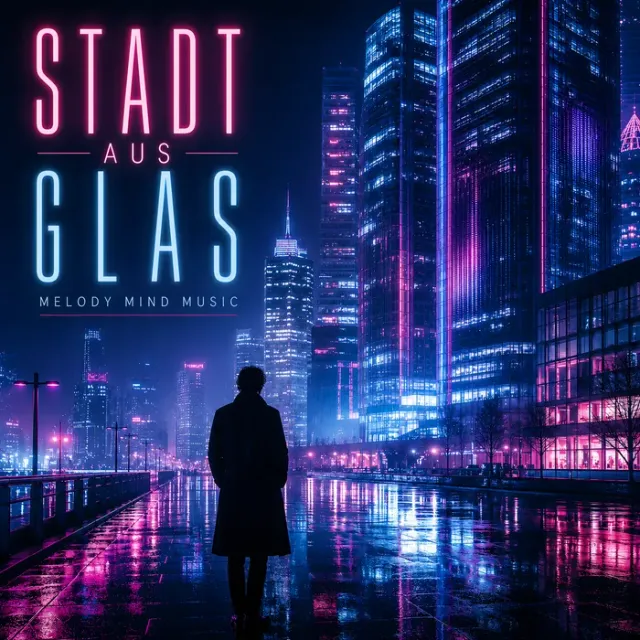
Stadt aus Glas
Stadt aus Glas is a nocturnal German synthpop album about neon cities, loneliness, screens, glass towers, and the search for real human closeness.


