


Ashes of Midgard is a tragic Viking metal concept album of fire, frost, broken oaths and a dying kingdom fighting to keep its memory alive after the last war.
Tracklist
Liner Notes
A short editorial read on the album world, sound, and standout moments.
About the Album
Ashes of Midgard is not an album about victory. It is an album about what remains when victory is no longer possible.
Across fourteen songs, Melody Mind Music builds a Viking metal saga from ruined halls, frozen battlefields, burned longships and the silence left behind by absent gods. The setting is mythic, but the emotional stakes are human. At the center stands an unnamed old king wearing a damaged iron crown that still glows faintly with heat. It is no longer a symbol of authority. It has become a burden: proof that responsibility survives even after the kingdom itself has collapsed.
That shift gives Ashes of Midgard its character. Many Viking metal records celebrate conquest, heroic death or Valhalla. This one looks instead at the cost of those ideas. Its warriors know that no glorious rescue is coming. Families are freezing. Food is running out. The sea route is gone. The gods do not answer. Every decision becomes concrete: defend the ruins or save the children, preserve honor or preserve life, die beside the dead or carry their names into an uncertain future.
Musically, the album favors weight over speed. Down-tuned guitars move with the force of marching feet, while tom-heavy drums give the songs a processional momentum. Melancholic lead guitars cut through the heavier passages, and restrained Nordic folk colors deepen the atmosphere without turning the record into costume music. Bowed lyre, frame drum, shield-like percussion and low choral responses appear where the story calls for them, but the core remains metallic: dense riffs, live-sounding drums, rough bass and a deep male baritone that moves from command to confession.
The production is earthy. These songs are not polished into a sterile wall of sound. You can feel wood, iron, breath and drum skin in the arrangements. That matters because Ashes of Midgard depends on material detail. A burned oar rolling in the surf carries more weight than a generic declaration of loss. A crooked carving on a broken runestone says more about memory than a grand speech. Twelve drinking horns, one empty chair and a red wooden bead beneath torn mail hold the album together.
The opening track, “Crown of Embers,” establishes the central conflict. The king walks through a destroyed settlement and realizes that the crown no longer grants power; it demands accountability. “Black Snow March” turns survival into rhythm, driving the remaining people north through ash-darkened snow. “Twelve Horns” slows the pace and lets grief enter the hall, naming the dead one by one instead of reducing them to battlefield scenery.
The album grows more severe as it moves forward. “Longships in Flame” destroys the last hope of escape by sea. “Wolfmoon over the Fjord” uses an uneven pulse to reveal the enemy crossing the frozen water. “The Broken Rune” strips away royal distance as the king confronts the damaged memorial of his wife. “Raise the Raven Banner” then turns a torn standard into a sign that tells the lost and wounded where their people can still be found.
The midpoint, “When the Gods Fell Silent,” is the album’s decisive fracture. Prayers are offered, sacrifices are made, and nothing happens. The silence is frightening because it removes every excuse. Once divine rescue becomes impossible, responsibility returns to human hands. The people survive not because they are chosen, but because they carry one another through a burning doorway.
From that moment on, the record becomes less about defending Midgard and more about deciding what Midgard means. “Frost Covers the Fallen” refuses to romanticize the battlefield, focusing on names, tokens and the impossibility of burying everyone. “No Victory Beyond the Snow” asks whether honor lies in dying with the ruins or leading the vulnerable away from them. A kingdom is not timber, walls or borders. It is the people who can carry its language, memory and choices forward.
“The Last Shrine Burns” is stark rather than triumphant, rejecting dependence without mocking belief. “The Iron Oath” gives twelve defenders a final purpose: not fame or reward, but time. Their stand leads into “Beneath a Dying Sky,” where the crown is denied to the conqueror and cast into the sea. The old order ends, but its best values survive through sacrifice rather than rule.
The closing track, “Let the Ravens Carry Our Names,” gives the album a fitting final perspective. Years later, memory has become seed, bread, carved stone and a shared story. The ending does not undo the tragedy. It proves that remembrance can be active rather than ceremonial.
Production Notes
All tracks were generated with AI music models, then processed for the final sound. No human performance recordings are used.
Full album download
Download the complete album
Get the full ZIP package with tagged audio files, cover artwork, and album metadata.
Support MelodyMind
Help keep the albums coming
If this album was useful or fun to listen to, a small contribution helps cover hosting, tools, and new music experiments.
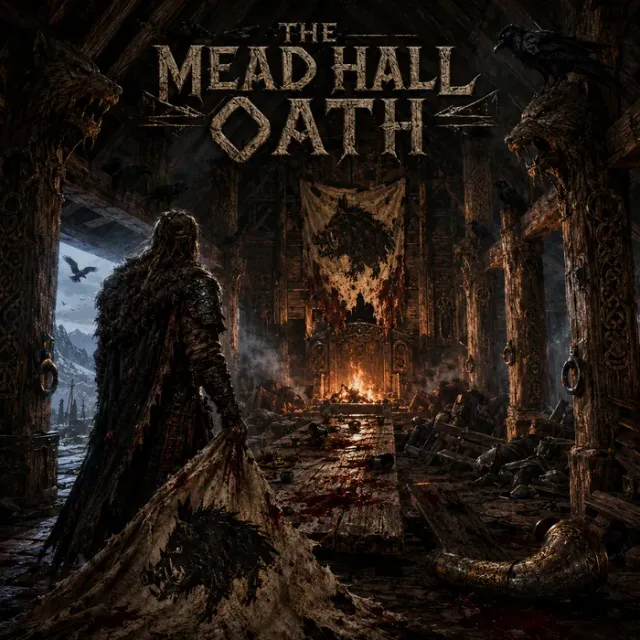
The Mead Hall Oath
The Mead Hall Oath is a dark Viking metal saga of loyalty, betrayal, revenge and memory, forged in thunderous riffs and mournful Nordic fire beneath cold ash.
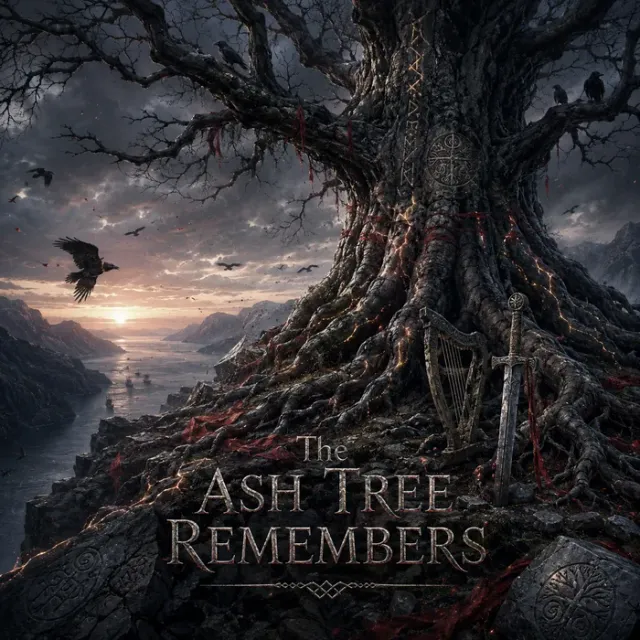
The Ash Tree Remembers
The Ash Tree Remembers is an epic Viking metal journey through Yggdrasil, war, memory, death and renewal, told through crushing riffs and Nordic ritual fires.
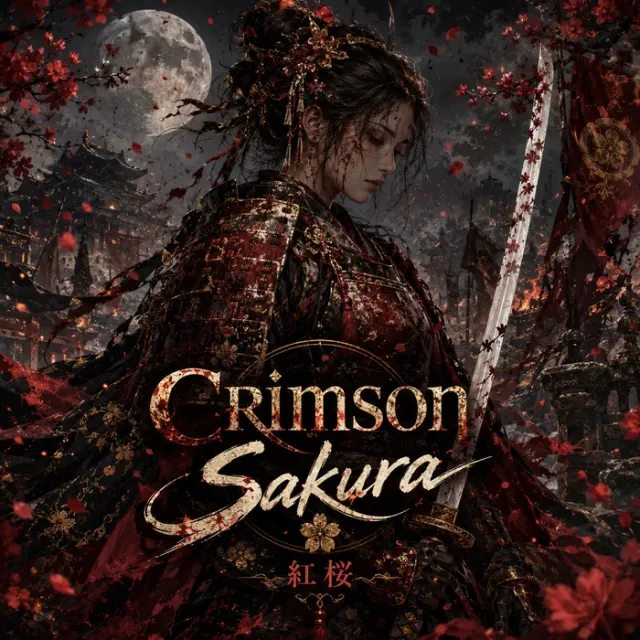
Crimson Sakura
Crimson Sakura is a tragic symphonic J-metal odyssey of war, betrayal, lost love and honor, driven by soaring vocals, fierce riffs and cinematic grief in ash.
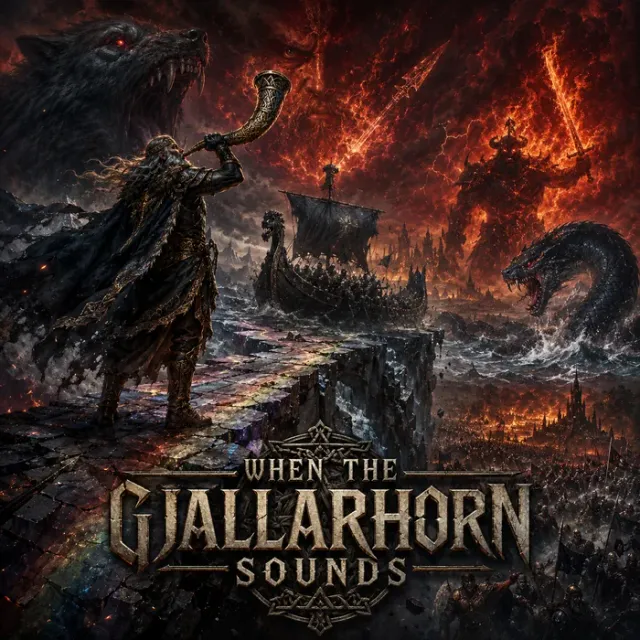
When the Gjallarhorn Sounds
A symphonic Viking metal requiem for Ragnarök, gods fall, monsters rise, and the last horn calls nine worlds toward silence, fire and a world without victors.


