


Afro-Cuban jazz, bolero, and nocturnal soul frame a breakup story told through letters, photographs, and the Havana waterfront.
Tracklist
Liner Notes
A short editorial read on the album world, sound, and standout moments.
About the Album
Azúcar y Ceniza is an album built for the hour when a room has gone quiet but the mind has not. Its world is lit by amber lamps, reflected moonlight and the pale blue edge of morning. A glass of dark rum sits beside an unfinished letter. Sugar crystals catch the light near a scatter of ash. Beyond an open balcony, the sea moves along the Malecón while a trumpet sounds from several streets away. These details are not decoration. They are the emotional vocabulary of a record about what remains after love has ended.
Musically, the album draws from melancholic Afro-Cuban jazz, bolero, filin, soul jazz and late-night Caribbean balladry. The arrangements favour warmth and restraint: Rhodes electric piano, upright bass, brushed drums, nylon-string guitar, soft congas, muted trumpet, saxophone and occasional vibraphone. Nothing crowds the voice. Percussion supplies a low, human pulse rather than dance-floor momentum, while the horns answer a lyric instead of competing with it.
That intimacy matters because Azúcar y Ceniza avoids the usual theatrics of heartbreak. There are no villains, grand accusations or easy victories. The relationship at its centre ended because affection was no longer enough to make two lives fit together. The sadness comes from tenderness surviving the separation. That tension persists. “Azúcar en la Herida” establishes that contradiction immediately: the wound still carries sweetness, and healing does not require pretending the love was worthless.
The story unfolds through places and objects rather than exposition. “Ceniza sobre el Malecón” follows a solitary walk beside the water, where streetlights, salt and distant music turn the city into an unwilling archive. “Dulce Despedida” revisits the final goodbye as a duet of imperfect memories. Each voice remembers different details, but both understand the same truth: leaving was not an act of cruelty. In “Sombras con Miel,” a coat and a shifting bar of light briefly reconstruct the absent lover’s silhouette. The image is beautiful precisely because the narrator knows it is not a sign.
The middle section becomes more private. “Carta para Nadie” is centred on a letter that cannot be sent without reopening the wound. Its hesitation is written into the arrangement, where piano chords leave long spaces around the vocal. “Lágrimas de Azúcar” turns to physical memory—the warmth of a pillow, perfume fading from fabric, the body’s stubborn recall of touch—without confusing desire with a reason to return. “La Sala Vacía” moves into an abandoned dance hall, where an old pianist, a detuned key and a scorched photograph prepare the album’s decisive act.
That act arrives in “Bolero de la Ceniza,” the record’s dramatic centre. The photograph is burned, but the scene is not presented as purification or revenge. The narrator is not destroying the past; they are breaking its claim to a future that will not happen. The bolero rhythm gives the moment ritual weight, while trumpet, piano and restrained hand percussion tighten the room around the flame. Crucially, the unsent letter is spared. The album understands that release is selective, uneven and rarely as clean as symbolic gestures suggest.
The consequences are explored with unusual patience. “Nostalgia de Canela” shows memory returning through a kitchen scent, proving that no object can be destroyed thoroughly enough to control remembrance. “Bajo la Luz de Ron” reaches the lowest point: a bar, two glasses and the humiliating recognition that alcohol has been used to invent company. “Voces en el Humo” questions memory itself, allowing contradictory versions of old conversations to dissolve into the damp street. By the time “Besos de Sal” returns to the coast, the final kiss can be understood for what it was—not a hidden promise, but an act of care before separation.
The closing pair gives the album its emotional authority. “Todo lo que Queda” gathers the recurring objects—the earring, the handkerchief, the letter, the rum, the ash—and changes their meaning. They are no longer evidence in a case against the past. They are things that belonged to a life. In “Cuando el Amor se Vuelve Polvo,” morning air lifts the pages of the letter across the room. Love has become untouchable, but not meaningless. The ending refuses both tragedy and triumph. It settles on something more truthful: the past can remain visible without continuing to rule the present.
Azúcar y Ceniza is especially rewarding as a full-album listen. Its recurring three-note horn figure, shifting rhythmic shapes and reintroduced images give the sequence continuity, while each track has its own musical purpose. A jazz waltz, a restrained duet, an uneven-meter memory piece and a ceremonial bolero all belong to the same room without sounding interchangeable. The Spanish lyrics favour salt, paper, wood, smoke, skin and light over abstract declarations, giving the songs a tactile quality that rewards close listening.
Production Notes
All tracks were generated with AI music models, then processed for the final sound. No human performance recordings are used.
Full album download
Download the complete album
Get the full ZIP package with tagged audio files, cover artwork, and album metadata.
Support MelodyMind
Help keep the albums coming
If this album was useful or fun to listen to, a small contribution helps cover hosting, tools, and new music experiments.
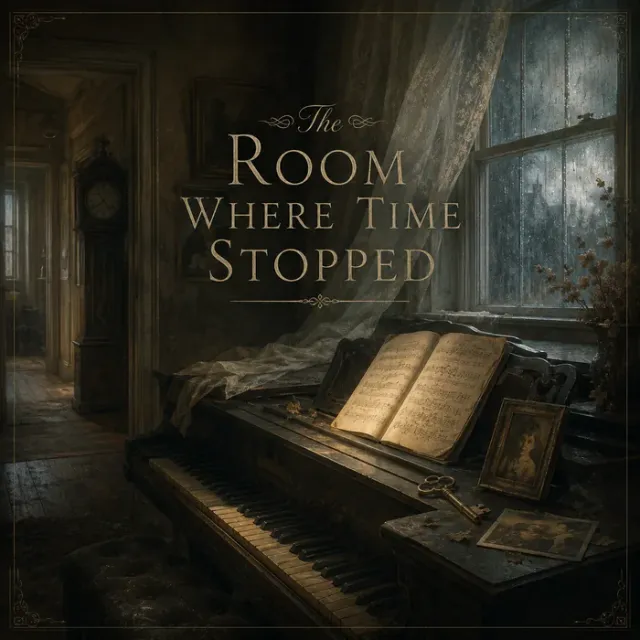
The Room Where Time Stopped
A melancholic neo-classical piano album about memory, grief, old rooms, family ghosts, and returning to a childhood home frozen in time.

Fleurs Fanées
Fleurs Fanées is a melancholic French dream pop album of lost love, quiet depression, rainlit memories, and the slow return to the self, softly told at night.

Asche über der Lausitz
Industrial rock about work, loss, and renewal in the Lausitz as coal closures reshape families, towns, and the meaning of home.
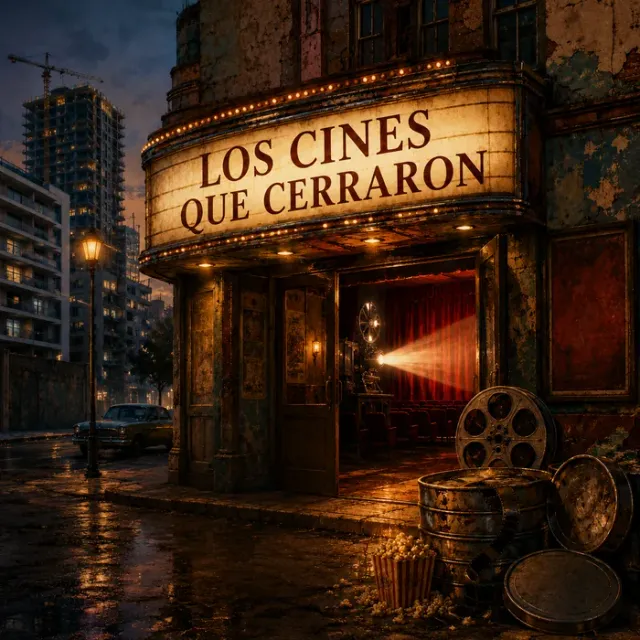
Los Cines Que Cerraron
A neighborhood cinema becomes the setting for love, memory, and resistance in a Latin pop album about a city losing its shared rooms.


