


A gothic darkwave concept album of grief, guilt and sacred release, where rain, bells and broken glass turn a haunted cathedral into memory and mercy.
Tracklist
Liner Notes
A short editorial read on the album world, sound, and standout moments.
About the Album
Cathedral of Tears is a full AI-assisted concept album by Melody Mind Music, built like a nocturnal procession through grief, guilt, memory and spiritual release. It is not simply a gothic album about a haunted church. It is a record about the rooms people build inside themselves when love ends before everything has been said. Across fourteen tracks, the album turns an abandoned cathedral at the edge of a dying city into a living archive of sorrow: every candle, every cracked angel, every bell below the floor seems to preserve a confession that never found a human voice.
Musically, Cathedral of Tears draws from gothic rock, darkwave and symphonic gothic traditions, but its strength lies in how carefully those elements serve the story. The record moves through deep baritone vocals, distant female choirs, church organ, slow heavy guitars, piano, orchestral strings and cavernous reverb. Nothing feels rushed. The songs breathe with the patience of stone corridors and rain-soaked chapels. Instead of chasing modern gloss, the production leans into atmosphere: cold silver light, candlelit warmth, wet cobblestones, old wood, iron doors and the echo of footsteps in a place that should be empty.
The opening track, “The Iron Door,” immediately establishes the album’s world. A lone figure arrives in the rain, carrying a photograph, a final message and the unbearable weight of unfinished love. From there, the album does what the best concept records do: the setting becomes a place the listener must walk through. “Candles for the Nameless” expands the cathedral into a congregation of forgotten griefs, while “Blue Glass Saints” refracts memory through shattered stained glass. “Holy Water Ashes” darkens the ritual, showing that purification is impossible when the truth itself has been avoided.
Cathedral of Tears works because it understands gothic drama does not need cheap shock. The cathedral is frightening, but it is not evil. Its horror is emotional rather than theatrical. It does not punish the protagonist with monsters or demons; it forces them to look closely at what they have called grief. The album’s central revelation is subtle and painful: the main character is not only mourning a dead loved one, but hiding inside that mourning because guilt has become easier to carry than truth.
That emotional turn gives the middle of the album its power. “Marble Angels Weep” is one of the record’s most affecting moments, a gothic ballad where cracked statues become witnesses to self-punishment. “The Choir Behind the Wall” introduces the ghostly female presence that runs through the album: perhaps the lost beloved, perhaps the cathedral itself, perhaps memory learning to sing. Then “Underneath the Bells” and “The Crypt Remembers” lead the listener beneath the church, where the record reaches its first major climax. The crypt does not accuse; it remembers. That distinction matters. Cathedral of Tears is not interested in simple damnation. It is interested in the more difficult question of whether a person can face their failure without turning that failure into a permanent shrine.
The second half of the album becomes more intimate and more devastating. “The Last Message” finally opens the letter that has been carried from the beginning, and the result is not rage, but tenderness. That choice hurts more than accusation would. “Confession Without God” is another key chapter, stripping away the religious architecture until only the self remains on both sides of the confessional screen. It is one of the album’s clearest statements: forgiveness cannot be outsourced. No priest, ghost or divine voice can speak the truth on behalf of someone who has spent too long avoiding it.
Cathedral of Tears keeps its literary narrative inside the songs rather than turning it into a dry story summary. The lyrics are full of recurring images — iron, rain, candles, bells, ashes, broken glass, holy water, stone angels — but they evolve as the album progresses. At first, these symbols feel like burdens. By the end, they become containers. The cathedral does not erase pain; it holds it differently. That is why the finale works. The title track, “Cathedral of Tears,” delivers the album’s grand emotional confrontation, complete with bells, choir, organ and a sense of ritual release. It is dramatic, but it earns that drama because the journey has been slow, specific and human.
The closing song, “Dawn Through Broken Glass,” refuses an easy happy ending, which is exactly why it feels honest. Morning arrives, but the world is not magically healed. The cathedral remains ruined. The city is still gray. The dead remain dead. Yet something has changed: the protagonist can leave without abandoning love. The final movement of the album suggests that mercy is not the removal of sorrow, but the moment sorrow stops functioning as a prison.
Production Notes
All tracks were generated with AI music models, then processed for the final sound. No human performance recordings are used.
Full album download
Download the complete album
Get the full ZIP package with tagged audio files, cover artwork, and album metadata.
Support MelodyMind
Help keep the albums coming
If this album was useful or fun to listen to, a small contribution helps cover hosting, tools, and new music experiments.
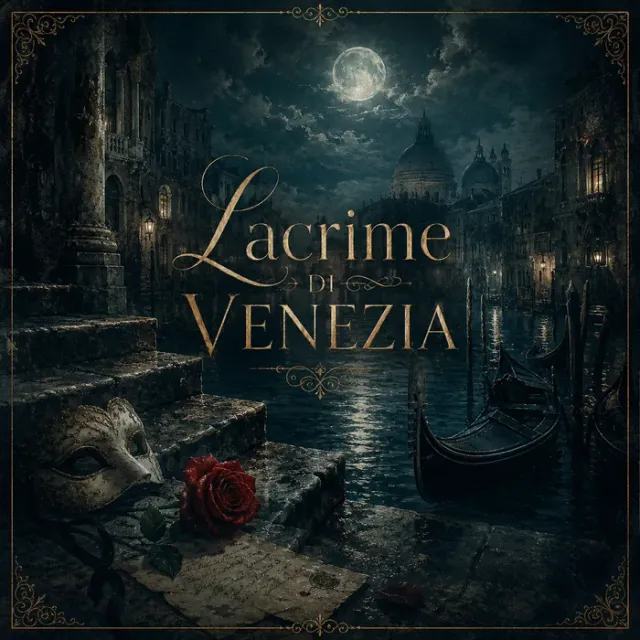
Lacrime di Venezia
Lacrime di Venezia is a cinematic Italian art-pop album of lost love, moonlit canals, masked memories and elegant Venetian sorrow.

The Last Funeral of Anubis
Dark cabaret, gothic folk, and chamber blues place Anubis in a modern funeral home shaped by bureaucracy and human grief.

Thunder Doesn’t Pay the Rent
Thunder Doesn’t Pay the Rent turns Zeus’s midlife crisis into biting blues rock, where unpaid bills, bruised pride, black humor and hard-won humility collide.

Velvet Coffin
Velvet Coffin is a gothic rock concept album of toxic love, post-punk shadows, dark romance, velvet vocals and a burning escape from obsession.


