
K-Pop
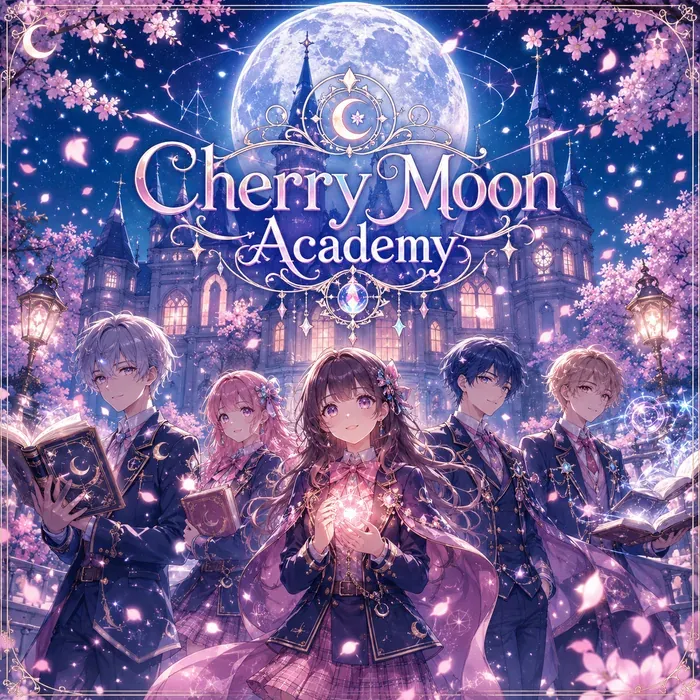
Cherry Moon Academy
Cherry Moon Academy is a Korean school-pop and K-pop fantasy album set inside a moonlit academy where teenage feelings turn into spells, rivalries, letters, library confessions, prom-night nerves, and farewells. Bright synths, clean guitars, pop-rock choruses, soft piano, and pastel electronic details keep the record sweet without removing the ache underneath.
- Tracks 14
- Length 62 min
Liner Notes
A short editorial read on the album world, sound, and standout moments.
About the Album
Cherry Moon Academy knows exactly what kind of fantasy it wants: lockers, rooftops, rainy umbrellas, secret rooms, prom lights, and feelings so large they need a spellbook. The album works because it does not treat that sweetness as empty decoration. Under the bright synths and school-pop hooks, it is mostly about students learning how strange their own emotions can feel.
“벚꽃문이 열리면 (When the Cherry Gate Opens)” opens the record like the first scene of a school anime, but the best detail is the gate itself. It gives the album a threshold: once the students pass through, ordinary embarrassment and magic become the same subject. “달빛 교복 (Moonlit Uniform)” keeps the image simple and effective, turning the uniform into a sign of belonging before anyone is fully sure they belong.
“감정 주문 수업 (Emotion Spell Class)” sets up the album’s central idea. The academy does not teach power as spectacle; it teaches students to name what they feel without flinching. “옥상 별자리 클럽 (Rooftop Constellation Club)” moves that lesson outside, where friendship becomes easier under a sky big enough to hold everyone’s secrets. “너의 이름을 부르면 (Calling Your Name)” brings the first romantic pull, more nervous than dramatic.
The middle stretch is lighter, but not throwaway. “설탕별 점심시간 (Sugar Star Lunch Break)” gives the album a little comic lift, the kind of cafeteria chaos that makes the fantasy school feel lived in. “비밀 도서관의 고백 (Confession in the Secret Library)” is a stronger hinge: whispering among shelves is a familiar scene, but here it fits the record’s larger idea that truth arrives softly before it becomes brave.
“분홍빛 결투장 (Pink Duel Arena)” adds rivalry without breaking the pastel tone. The duel feels emotional rather than violent, more about pride and fear than winning. “우산 아래 첫사랑 (First Love Under One Umbrella)” is direct in the way good pop can be direct: rain, one umbrella, too little space, and a feeling both characters already understand before they can say it.
The album darkens at the right moment. “깨진 수정구슬 (Cracked Crystal Ball)” interrupts the glitter with doubt. The future is suddenly less readable, which makes “졸업 전야의 편지 (Letters Before Graduation)” land with more weight. Letters before graduation are not only sentimental objects here. They are a way of saying what the students were too shy, proud, or scared to say in person.
“사라지는 교실 (The Vanishing Classroom)” gives the final act its melancholy edge. A classroom disappearing is a cleaner image than another speech about growing up. It understands that leaving school often feels less like walking away and more like watching a room stop belonging to you. “체리문 프롬나이트 (Cherry Moon Prom Night)” lets the lights come back on, but the celebration is threaded with farewell.
“우리의 마법은 계속돼 (Our Magic Goes On)” closes the album without pretending that nothing changes. The academy may be ending for these students, but the songs argue that the magic was never only in the building. It was in the names they learned to call, the letters they finally wrote, the rooftop promises, and the small courage of admitting that a feeling mattered.
Cherry Moon Academy is bright, but it is not weightless. Its K-pop and school-pop surface is polished and sweet; its better instincts are more specific: the ache of graduation, the theatrical seriousness of first love, and the way fantasy can make ordinary teenage embarrassment feel honest instead of small.
Production Notes
All tracks were generated with AI music models, then processed for the final sound. No human performance recordings are used.
Support MelodyMind
Help keep the albums coming
If this album was useful or fun to listen to, a small contribution helps cover hosting, tools, and new music experiments.
Neon Hearts
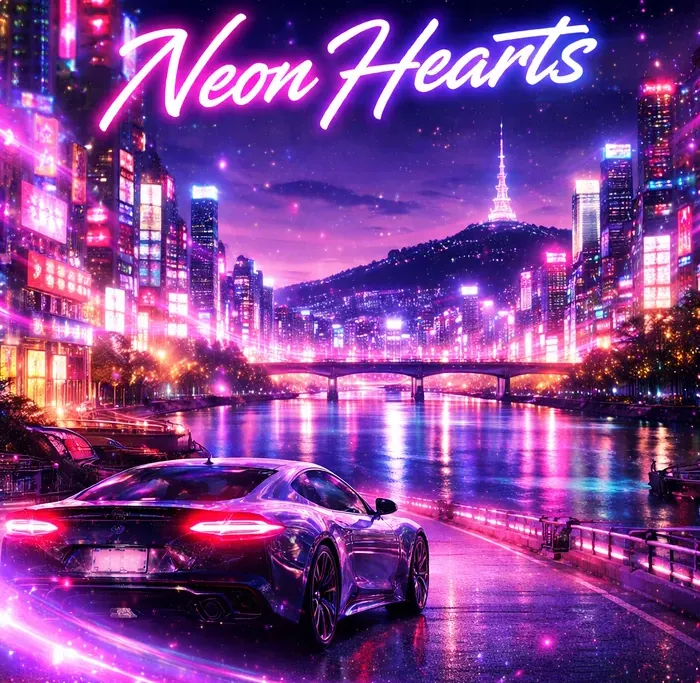
K-pop and synthpop for Seoul after midnight. Sharp beats, clean hooks, and rain-lit city images trace romance from first spark to dawn.
Planet Popstar
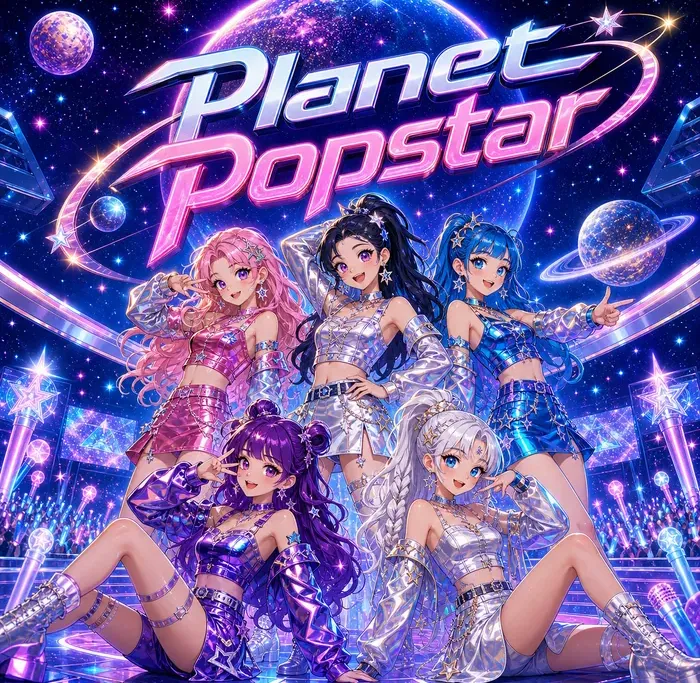
K-pop as bright space fantasy: lightsticks, disco planets, zero-gravity hooks, and idol-pop spectacle with a playful sense of motion.
Neon Shogun
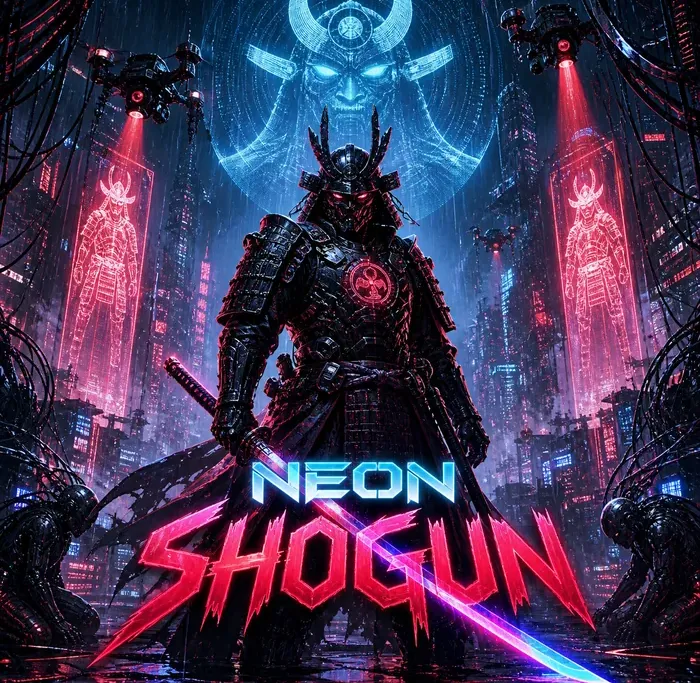
Cyberpunk J-metal with chrome blades, surveillance moons, heavy riffs, and a city where old warrior codes collide with machine control.

Queen of the Sunset Strip
Queen of the Sunset Strip is a glam metal and sleaze rock album about Roxanne Vale, a club singer building her own crown from neon, bad contracts, cheap champagne, toxic romance, and loud amplifiers. Dirty riffs, bluesy lead guitars, gang vocals, and hard rock choruses keep the glamour scratched and dangerous.