

Children of the Trickster
AI-generated music and artwork
Children of the Trickster, dark Viking metal about Loki’s children, Odin’s fear, and the prophecy that turns family into fate and rage.
Tracklist
Liner Notes
A short editorial read on the album world, sound, and standout moments.
About the Album
Children of the Trickster is a dark Viking metal concept album that turns one of Norse mythology’s most tragic family stories into a heavy, dramatic and emotionally charged journey. Its central question is direct: what if the gods did not prevent Ragnarök, but helped create it?
The album begins before the hatred, before the chains and exile, when Loki is still Odin’s blood-brother, adviser and dangerous companion. This is not the cartoon version of Loki as a harmless trickster, nor the easy villain of later retellings. Here he is clever, sharp, wounded and deeply human in his contradictions. The opening tracks establish a world of oath-cups, raven-haunted halls and prophecy-stained wisdom, but the real tension comes from the growing distance between trust and control. Odin hears the future and mistakes fear for responsibility. From that moment on, the tragedy starts to tighten.
Musically, Children of the Trickster lives in a cold, weighty space between dark Viking metal, blackened folk metal and doom-driven storytelling. The sound feels carved from iron, salt and old wood: detuned guitars, tom-heavy drums, bowed Nordic textures, ritual rhythms and dry, close vocals that make the story feel less like distant legend and more like a confession spoken beside a fire that is almost out. The album does not rely on empty “epic” gestures. Its power comes from detail: the impossible materials of Gleipnir, the breath of Fenrir in the dark, Hel’s half-living face, serpent scales moving beneath black water, and Týr’s hand offered as the price of trust.
The album draws its force from its point of view. The children of Loki are not introduced as monsters first. They are children before they become omens. Fenrir is fed, named and trusted. Jörmungandr is thrown into the sea before he becomes the world-serpent. Hel is banished before she becomes the queen of the dead. The album understands that mythology becomes more powerful when it refuses easy morality. Odin may believe he is protecting the world, but every act of control becomes an act of creation. He does not stop the prophecy; he feeds it.
That idea gives the record its emotional spine. Tracks like “Three Cradles Under Iron” and “The Hand That Fed the Wolf” bring unexpected tenderness into the darkness, making the later violence hit harder. Týr’s role is especially strong: he is a man trapped between courage and betrayal, not only a heroic figure who loses a hand. When “Hand in the Wolf’s Mouth” arrives as the mid-album climax, it feels earned. When Gleipnir closes, mythic spectacle gives way to the sound of friendship breaking in real time.
The second half of the album grows colder and more accusatory. “Blood on the Ribbon” gives Loki’s grief a sharper edge, while “Odin’s Quiet Lie” turns inward, exposing the moral rot beneath divine certainty. This is where the album becomes more than a retelling of Norse myth. It becomes a study of power: how rulers justify cruelty, how institutions call fear wisdom, and how violence committed in the name of prevention often becomes the very thing it claims to resist. That gives Children of the Trickster a surprisingly modern bite without dragging the mythology into shallow allegory.
By the time “The Prophecy Was Fed” and the title track arrive, the album has transformed its central images. The cradle becomes a cage. The ribbon becomes a weapon. The exile becomes a kingdom. The child becomes the future returning with teeth. “Children of the Trickster” works as the grand finale because it does not treat Ragnarök as simple revenge. It presents the confrontation as consequence. These figures were not born as disasters; they were shaped by abandonment, fear and divine arrogance.
The closing track, “After the Last Horn,” gives the album its final strength. Instead of ending with victory, it lingers in the ash. The last lesson is not triumphal, but bitterly clear: a frightened crown makes a cruel king. That line captures the album’s deeper purpose. Children of the Trickster is heavy, mythic and dramatic, but it is also thoughtful. It asks listeners to hear the humanity inside the monster and the cowardice inside the throne.
Production Notes
All tracks were generated with AI music models, then processed for the final orchestral sound. No human performance recordings are used.
Full album download
Download the complete album
Get the full ZIP package with tagged audio files, cover artwork, and album metadata.
Support MelodyMind
Help keep the albums coming
If this album was useful or fun to listen to, a small contribution helps cover hosting, tools, and new music experiments.
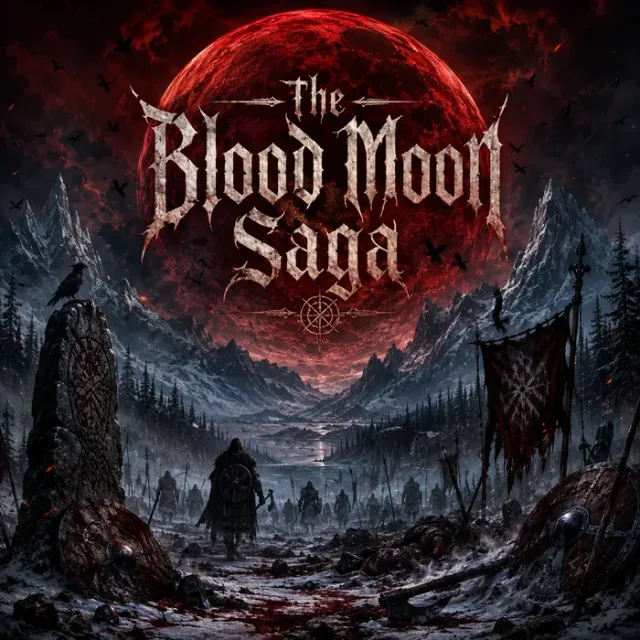
The Blood Moon Saga
The Blood Moon Saga is a dark Viking metal concept album of blood feud, prophecy, ritual war, tragic revelation, and apocalyptic Nordic atmosphere.
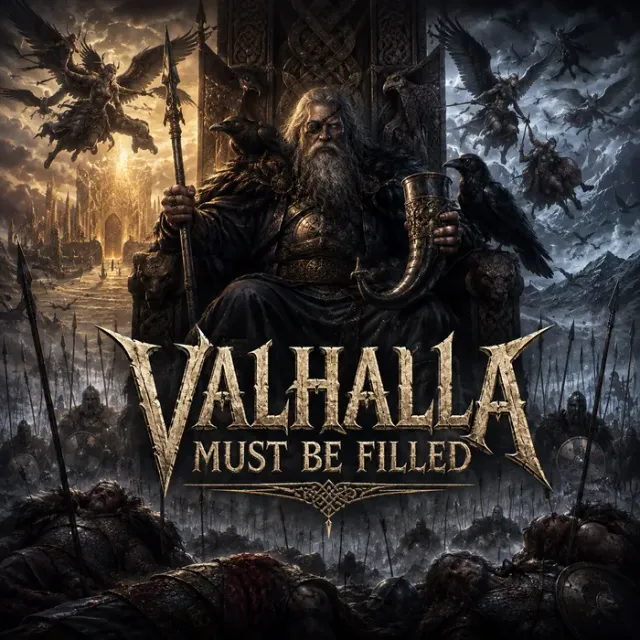
Valhalla Must Be Filled
Epic Viking Metal concept album about Odin, Valkyries, Valhalla and the dark truth behind heroic death before Ragnarök begins.
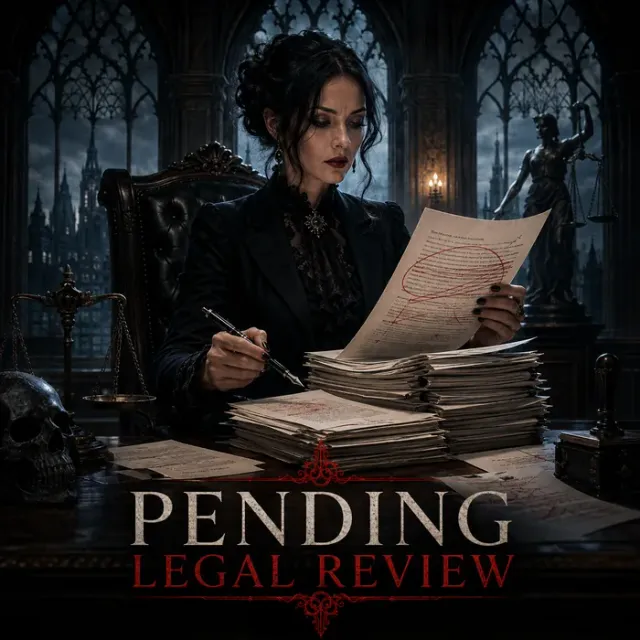
Pending Legal Review
Pending Legal Review is a gothic rock and doom metal concept album about contracts, liability, legal pressure, red lines and the hidden risk of signing blind.
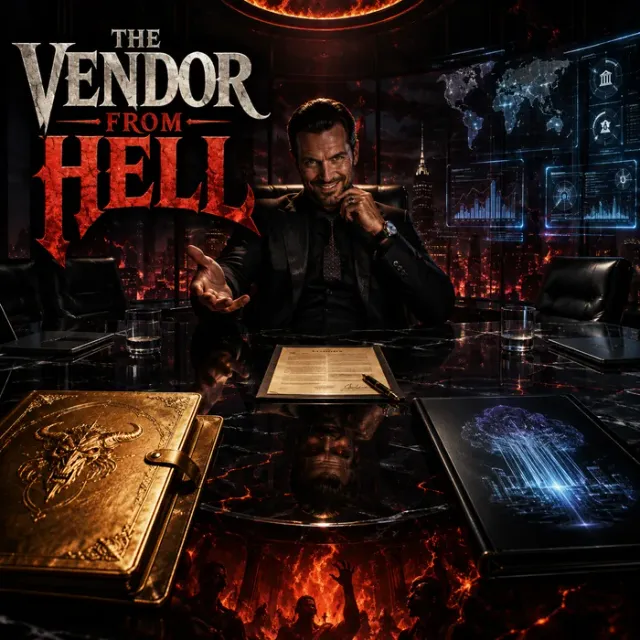
The Vendor from Hell
The Vendor from Hell turns software sales, vendor lock-in and broken support promises into a fierce blues-rock and heavy-metal rebellion inside the boardroom.


