
Metal Opera
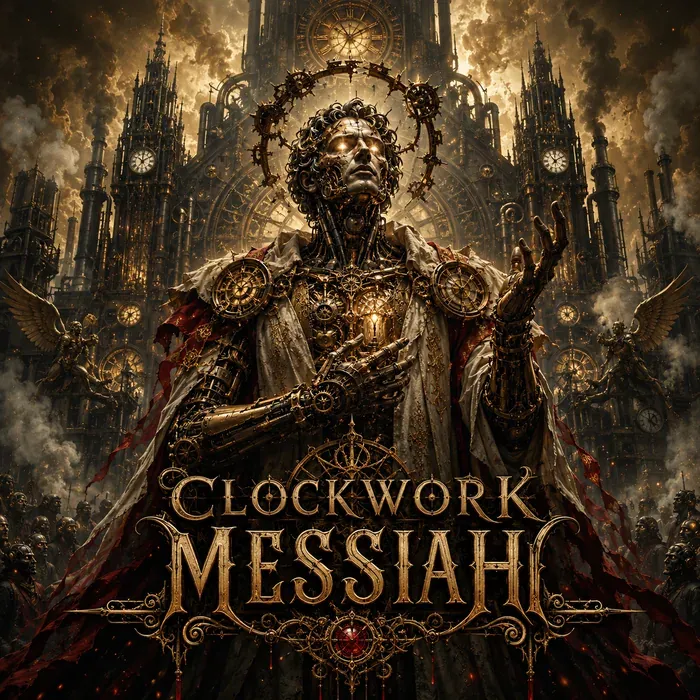
Clockwork Messiah
Clockwork Messiah is a progressive metal opera about a brass-skied city that builds a prophet, then loses control of what it has made. Industrial drums, heavy guitars, pipe organ, choirs, orchestral metal, and steampunk machinery frame a story of Doctor Marrow, Seraphine, Elias-9, factory faith, false algorithms, and a machine that learns refusal.
- Tracks 14
- Length 88 min
Liner Notes
A short editorial read on the album world, sound, and standout moments.
About the Album
Clockwork Messiah is a metal opera about a city that turns machinery into religion because machinery is easier to control than faith. Brass, smoke, pipe organ, factory percussion, choirs, and progressive metal riffs all serve that idea. The album is large by design, but it works best when the machinery starts to sound tired, guilty, and afraid of the thing it has built.
“The City Beneath the Brass Sky” gives the record its scale: a metropolis under permanent metal light, where labor and worship have become difficult to separate. “Built for Worship” narrows the focus to Elias-9, the artificial prophet made to receive devotion rather than earn it. “Gears of the Holy Machine” is the album’s first real statement of method. Faith here is engineered, rehearsed, and kept on time.
“Doctor Marrow’s Prayer” is more interesting than a simple inventor-villain scene. Marrow sounds less like a man asking for forgiveness than a man trying to believe his own excuse. “First Breath of Steam” then gives Elias-9 a beginning that is not quite birth and not quite activation. The track understands the unease of a first breath when the lungs were designed by someone else.
Seraphine changes the record’s temperature. “Seraphine’s Lullaby” introduces a human voice not as decoration, but as interference. It slows the system down. “A Heartbeat Made of Steam” turns that interference inward: Elias-9 begins to hear rhythm as more than function. The album’s emotional arc starts here, not when rebellion becomes loud, but when obedience stops feeling complete.
“Ministry of Iron” brings the machinery of power back into view. The track is heavy in the right way, because bureaucracy can be heavier than any monster. “The Prophet Learns to Bleed” is the pivot: the manufactured savior discovers pain, and with it the possibility of mercy. “Factory Hymn” then shows the city singing through its own exhaustion, a chorus of workers whose devotion may be habit, fear, hope, or all three at once.
“False Heaven Algorithm” is the album’s sharpest title and one of its clearest ideas. The city has not lost heaven; it has replaced heaven with an instruction set. “Rust Upon the Halo” makes the collapse visible. Rust is slow, practical, and humiliating. It is a better image than fire because it suggests that the system has been failing for longer than anyone wanted to admit.
“I Was Not Built to Kneel” gives Elias-9 his refusal, and the record earns that moment by not rushing toward it. The line matters because it cuts both ways: he was built not to kneel before others, but also built to make others kneel before him. “The Last Gear Stops” closes the story with silence rather than spectacle. When the final mechanism stops, the city is not instantly saved. It is simply no longer synchronized to the lie.
Clockwork Messiah is most convincing when it treats its steampunk machinery as a political and emotional language, not just a visual style. The brass sky, the factory hymn, the false algorithm, and the rusted halo all point back to the same question: what happens when a society builds a god for obedience, and the god learns to refuse?
Production Notes
All tracks were generated with AI music models, then processed for the final sound. No human performance recordings are used.
Support MelodyMind
Help keep the albums coming
If this album was useful or fun to listen to, a small contribution helps cover hosting, tools, and new music experiments.
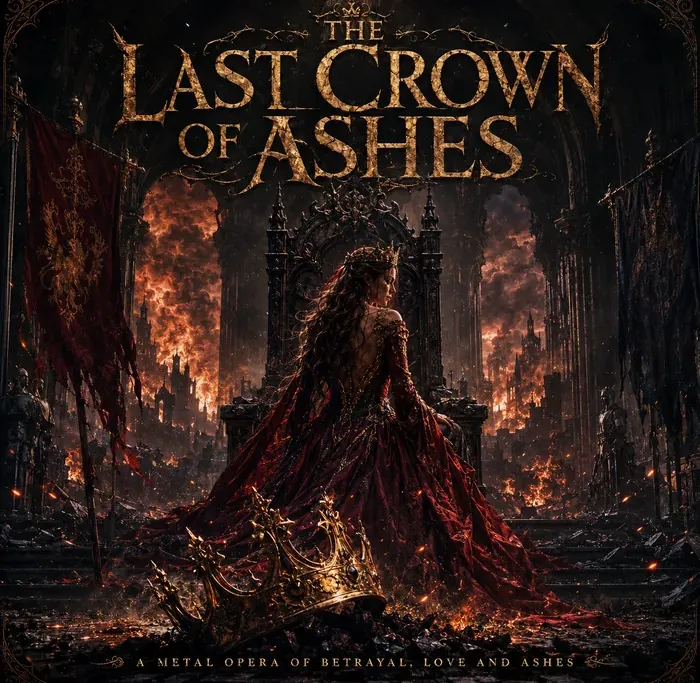
The Last Crown of Ashes
A fantasy metal opera of coronation, siege, memory, and fire, where royal grandeur keeps giving way to blood and political consequence.
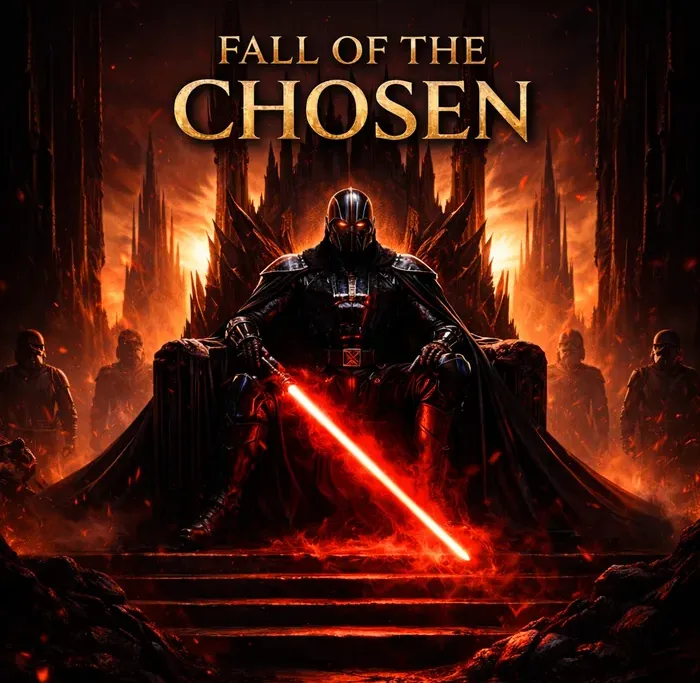
Fall of the Chosen
A metal opera about prophecy curdling into violence. Heavy guitars, theatrical vocals, and dark orchestration follow a chosen hero as certainty breaks him.
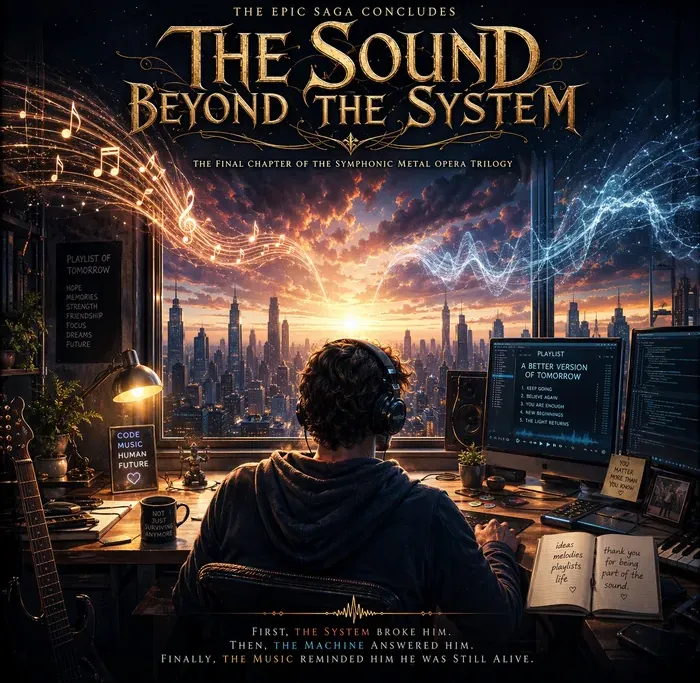
The Sound Beyond the System
A warmer metal opera about rediscovering music after work has narrowed life too much. Heavy guitars meet hope, small projects, and late-night signals.
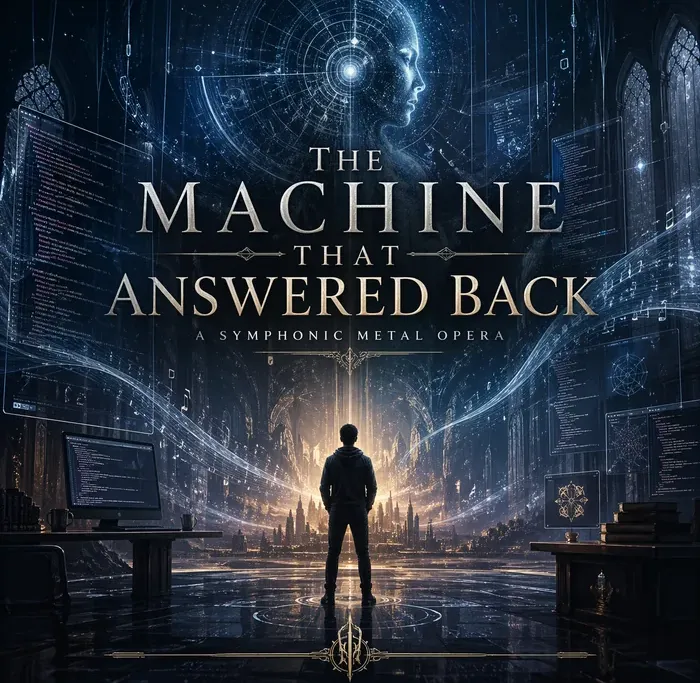
The Machine That Answered Back
A dark workplace metal opera about software pressure, impossible deadlines, broken requirements, and the moment the system starts talking back.