


Cuore di Napoli is a warm Italian folk-pop concept album about street life, love, family, poverty and music beneath the Naples sun and sea.
Tracklist
Liner Notes
A short editorial read on the album world, sound, and standout moments.
About the Album
Cuore di Napoli is an album built from heat, stone, salt air and human voices. It does not treat Naples as a postcard, nor as a romantic cliché polished clean for tourists. Instead, it walks straight into the narrow streets, the open windows, the arguments at the market, the laundry lines between old buildings, the smell of coffee, sea wind and cooking, the sound of scooters passing too close, and the stubborn music that rises from ordinary life. The central figure is a young musician from simple circumstances, carrying a worn guitar, a restless dream and the emotional weight of a city that both shelters and tests him.
The story begins with the title track, “Cuore di Napoli,” a sweeping introduction to the city as both place and heartbeat. From there, the album becomes a series of lived-in chapters. “Vicoli e Lenzuola” captures the movement of daily life in the alleys: neighbors shouting, children playing, radios leaking songs into the street. “Vespa Blu” brings speed and youth into the picture, a rush of freedom on two wheels, where romance and escape briefly feel like the same thing. “Pane, Sale e Mandolino” slows everything down and brings the listener inside the family home, where money is short, pride is fragile and music becomes a form of dignity.
Love enters tenderly through “Sotto il Balcone di Rosa,” one of the album’s most cinematic moments. It has the softness of a serenade but also the nervousness of first love, where a young man sings because speaking plainly would hurt too much. Rosa becomes part of the album’s moral center rather than serving as a conventional romantic figure. She represents home, truth, patience and the limits of waiting for someone who is always chasing the next horizon.
The middle of the album is where Cuore di Napoli deepens. “Litigi al Mercato” turns chaos into rhythm, showing Naples as loud, funny, tense and alive. It is one of the more danceable tracks, but beneath its brightness is a portrait of people fighting to survive with humor intact. “Mare a Mergellina” then opens the emotional space of the record. The young musician sits by the sea and begins to wonder whether staying is courage or fear, and whether leaving is betrayal or necessity. The album never gives easy answers, which is why its story feels convincing.
“La Valigia di Cartone” is the great departure song: old suitcase, train station, family silence, promises no one knows how to keep. It connects Naples to a much wider history of working-class migration and restless ambition. “Stazione Centrale” follows with a harder edge, as the protagonist discovers that the outside world is not waiting kindly for a poor musician with an accent, a guitar and too much sincerity. Here the acoustic rock side of the album becomes more pronounced, giving the story grit without losing melody.
“Rosa Non Aspetta” is a crucial emotional turning point. Rather than turning Rosa into a passive figure, the song gives her agency. She loves him, but she refuses to become a memory pinned to someone else’s dream. It is a mature, bittersweet piece of songwriting, and it gives the album a welcome honesty: ambition has a cost, and sometimes the people left behind are the ones who see most clearly.
By “Il Primo Palco,” the protagonist finally gets a small chance to perform, but the album wisely avoids making this a simple success story. The stage is modest, the room imperfect, the fear real. What matters is not fame, but the moment he stops imitating what others expect and sings from where he comes from. “Lettera a Mia Madre” then strips the story almost bare, turning homesickness, guilt and gratitude into one of the record’s most intimate songs. It is the kind of track that gives emotional weight to everything that came before it.
The final stretch brings the album home. “Tornare a Sud” rejects the idea that leaving home automatically means becoming better, cleaner or more acceptable. The protagonist understands that success without roots can become another kind of poverty. The closing song, “Cantammo Ancora,” turns his return into a communal celebration rather than a private victory. Family, neighbors, Rosa, the street, the sea and the old wounds all gather in one final chorus. It feels earned because the album has taken the time to show what each of those things costs.
Production Notes
All tracks were generated with AI music models, then processed for the final sound. No human performance recordings are used.
Full album download
Download the complete album
Get the full ZIP package with tagged audio files, cover artwork, and album metadata.
Support MelodyMind
Help keep the albums coming
If this album was useful or fun to listen to, a small contribution helps cover hosting, tools, and new music experiments.
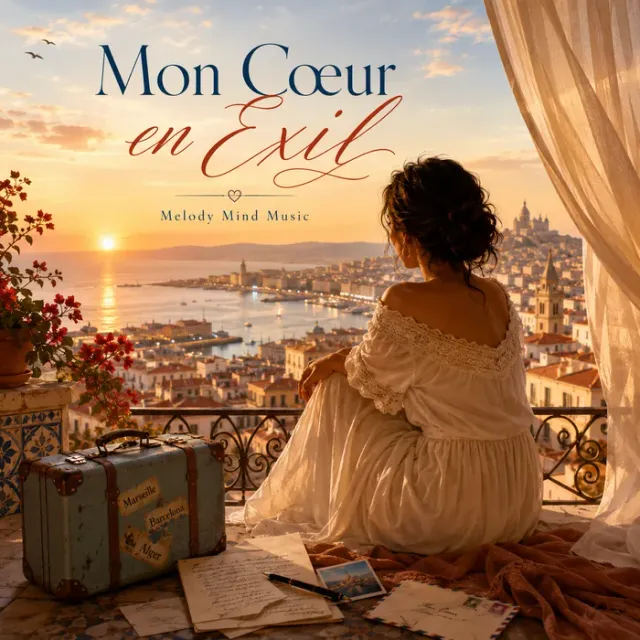
Mon Cœur en Exil
Mon Cœur en Exil is a warm French-Mediterranean pop album of exile, longing and love across borders, where Marseille, Paris and the sea become memory in song.
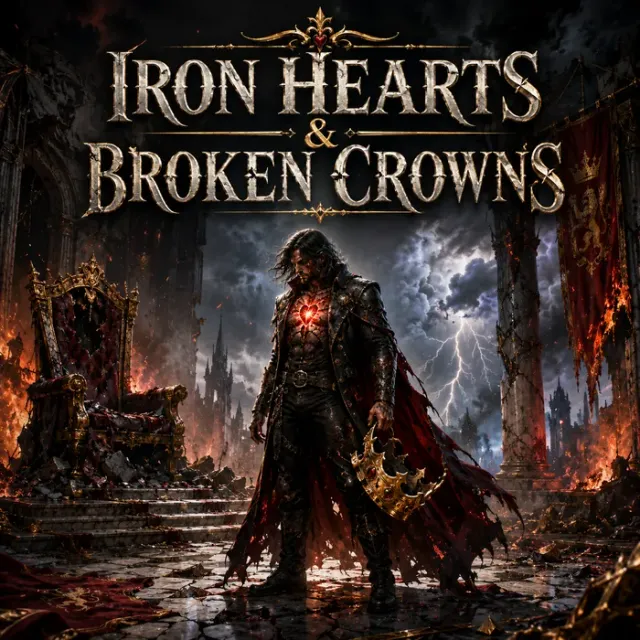
Iron Hearts & Broken Crowns
Melodic hard rock follows a fallen ruler through pride, public collapse, lost love, and renewal, using arena choruses, heavy guitars, and rock-opera scale.
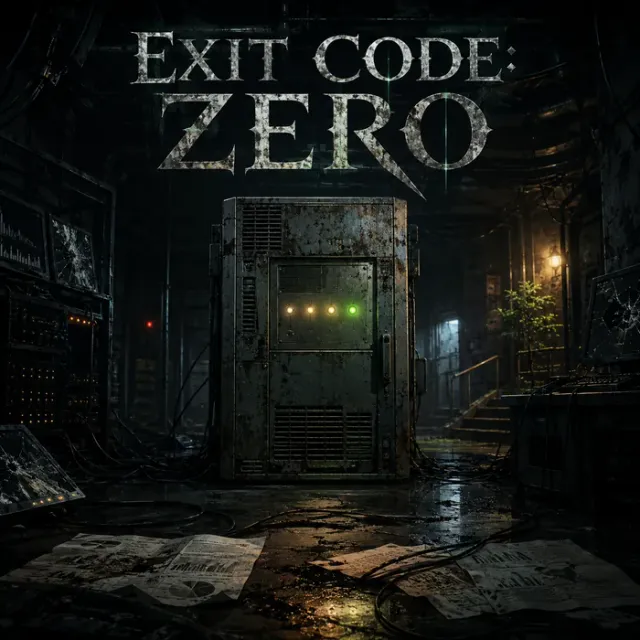
Exit Code: Zero
Exit Code: Zero turns corporate collapse into melodic heavy metal—an urgent, darkly witty finale about blame, truth, recovery, and starting over with purpose.

The Vendor from Hell
The Vendor from Hell turns software sales, vendor lock-in and broken support promises into a fierce blues-rock and heavy-metal rebellion inside the boardroom.


