


Fall of the Chosen charts a hero’s descent through prophecy, betrayal and forbidden power in a dark symphonic metal tragedy of love, fear and ruin in flames.
Tracklist
Liner Notes
A short editorial read on the album world, sound, and standout moments.
About the Album
Fall of the Chosen is built around a familiar mythic idea—a gifted hero destroyed by the power he believes will save the people he loves—but the album earns its weight by refusing to treat that fall as a sudden twist. Across fourteen songs, the story unfolds as a chain of understandable choices, private fears and moral compromises. The tragedy lies not in watching a good man become evil overnight, but in hearing each step make sense to him while becoming more horrifying to everyone around him. Its darkest moments remain grounded in choice, not spectacle, making the tragedy persuasive.
Musically, the album is rooted in symphonic metal, yet it avoids treating orchestra and choir as decorative scale. Strings, French horns, piano and low brass act as narrative voices, often carrying a recurring three-note motif that changes meaning as the story darkens. Early tracks such as “Beneath Two Suns” and “The Silver Gate” frame the young protagonist in sand-gold light, with melodic guitars, open harmonies and forward motion. The prophecy surrounding him is never presented as a gift without cost.
That tension becomes clearer on “Brother of the Blade,” where the relationship between student and mentor is expressed through duelling guitar lines and contrasting voices. Affection, pride, rivalry and disappointment occupy the same space. When the album later reaches “Brother Against Brother,” the return of those musical ideas makes the confrontation feel earned. The duel uses blue and red light to stage the collapse of a relationship that once gave the hero belonging.
The middle section is where Fall of the Chosen becomes especially compelling. “The Weight of Prophecy” turns public praise into psychological pressure, while “Black Gloves” gives the slow loss of human touch a physical symbol. It represents the protagonist’s growing belief that vulnerability is weakness and control is the only reliable answer to pain.
“What I Cannot Lose” is the emotional centre of the record. Structured as a duet, it draws a sharp line between love and possession. The lover does not exist simply to motivate the hero’s downfall; she challenges the logic behind it. Her plea is not for rescue but for recognition as a person with her own choices. That distinction matters, because the tragedy begins when he decides that protecting someone gives him the right to define what safety means for them.
“The Throne Spoke Softly” follows with one of the album’s strongest scenes. The manipulator does not roar, threaten or announce himself as evil. He speaks calmly, identifies a genuine fear and gives that fear a vocabulary. Forbidden power is presented not as conquest, but as compassion freed from timid rules.
The irreversible break arrives with “Mercy Turned to Fire.” Fast, tightly controlled and rhythmically unstable, it turns the album’s earlier heroic momentum into something violent and claustrophobic. The protagonist still describes his actions as rescue, courage and necessity, but the language can no longer hide what is happening. The sacred halls that formed him are reduced to smoke, bells and red reflections. From this point onward, the album offers no easy road back.
The aftermath is handled with unusual patience. “Ash in the Sacred Hall” shifts perspective to the mentor, allowing grief, guilt and responsibility to replace simple condemnation. “I Saw Your Face Inside the Fire” then delivers the moral low point: the person the hero claimed to save becomes the victim of his need to control.
The final stretch is severe and memorable. “No Grave for the Fallen Name” slows the music almost to a crawl as the ruined hero chooses survival without understanding the shape that survival will take. “The Mask Seals the Grave” transforms mechanical breathing into rhythm, making the new armour sound less like empowerment than permanent dependence. By the time “A Black Horizon Without Dawn” closes the album, the central figure possesses immense authority but almost no freedom. The final image is not victory. It is isolation on the bridge of a warship, with memories of two suns surviving as brief interruptions inside the machine.
The protagonist is a gifted person who mistakes fear for wisdom, possession for love, and power for protection. Fall of the Chosen follows that confusion to its final consequence through theatrical metal and morally complex storytelling.
Production Notes
All tracks were generated with AI music models, then processed for the final sound. No human performance recordings are used.
Full album download
Download the complete album
Get the full ZIP package with tagged audio files, cover artwork, and album metadata.
Support MelodyMind
Help keep the albums coming
If this album was useful or fun to listen to, a small contribution helps cover hosting, tools, and new music experiments.
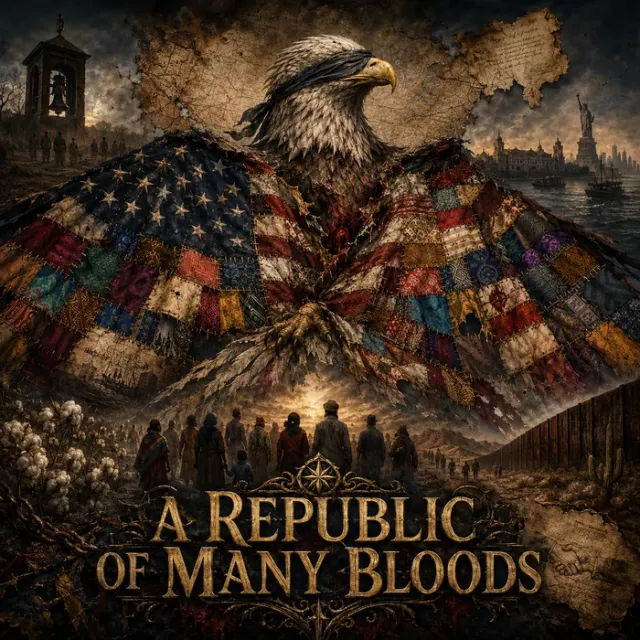
A Republic of Many Bloods
A symphonic metal opera about buried American histories, broken national myths, and the unfinished work of plural democracy.
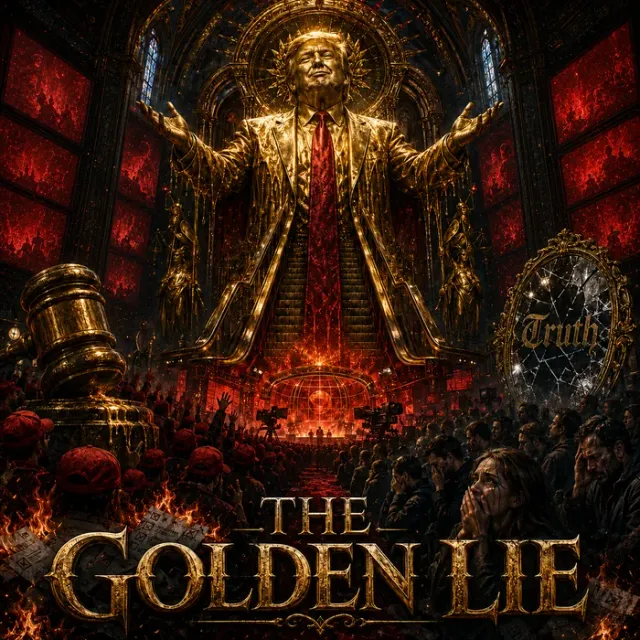
The Golden Lie
A political metal opera about spectacle, propaganda, personal power, and the people who refuse the official version of events.
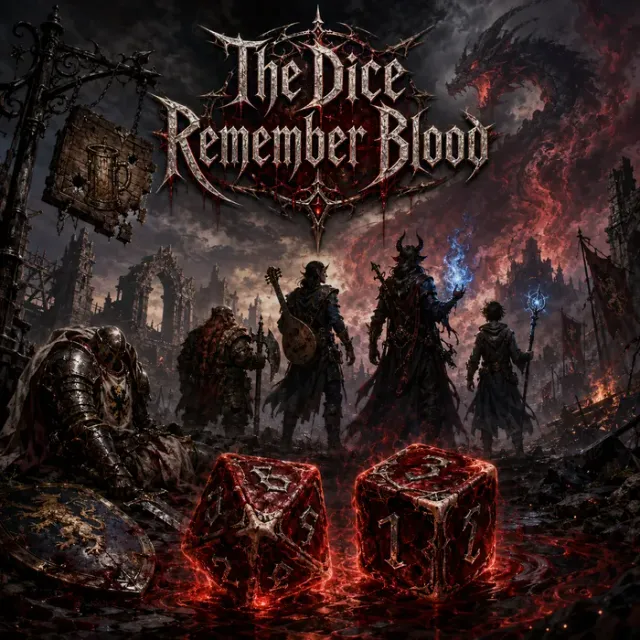
The Dice Remember Blood
The Dice Remember Blood is a dark fantasy metal saga of cursed choices, lost identities and grim victories, told through all 14 cinematic, story-driven songs.
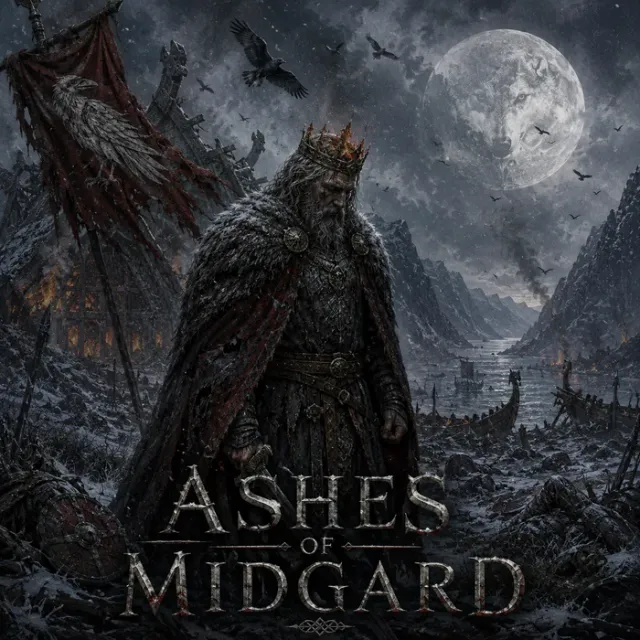
Ashes of Midgard
Ashes of Midgard is a tragic Viking metal concept album of fire, frost, broken oaths and a dying kingdom fighting to keep its memory alive after the last war.


