
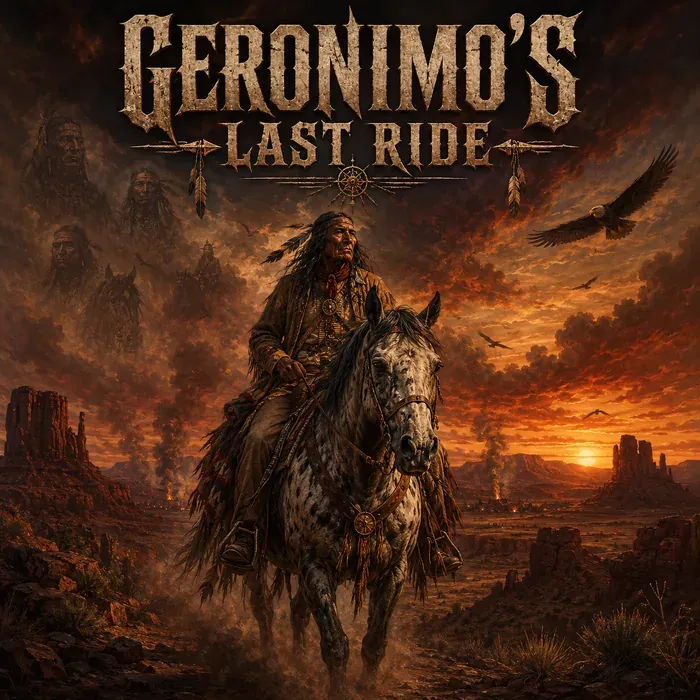
Western Folk Metal
Geronimo’s Last Ride
Geronimo’s Last Ride is a Western folk metal album about homeland, grief, pursuit, surrender, captivity, and memory. Heavy guitars, acoustic figures, cinematic drums, strings, brass, and choral weight frame a careful album narrative inspired by Geronimo and Apache resistance.
- Tracks 14
- Length 80 min
Liner Notes
A short editorial read on the album world, sound, and standout moments.
About the Album
Geronimo’s Last Ride is a Western folk metal record built around pressure rather than pageantry. Its scale is large: heavy guitars, broad drums, acoustic figures, strings, brass, and choral weight. But the better moments are the ones that let the story feel difficult. This is not clean hero music. It is music about land, fear, grief, pursuit, refusal, surrender, and what remains after a name becomes larger than the person who carried it.
“Chiricahua Sky” opens with space before conflict. “Canyon of Spirits” follows with memory in the rocks, not as decoration but as the ground the album keeps returning to. “Blood on the Mescalero Road” and “War Paint at Dawn” push the record into harder territory. The drums get heavier, but the point is not spectacle. The violence has a cost, and the album works when it lets that cost sit in the room.
“Ghost Dance of the Hills” is the most delicate title in the early run, and it needs restraint. It gives the record a ritual atmosphere without turning belief into stage dressing. “Across the Border” brings the sense of movement back: distance, pursuit, and the hard geography of survival. “The Mountain Does Not Kneel” is the album’s clearest defiant line, but it belongs to the landscape as much as to any one voice.
The middle section tightens the story. “Smoke over San Carlos” carries a darker kind of aftermath, while “Run with the Night Horses” gives the record speed without making flight feel romantic. “Apache Thunder” is built for the big metal chorus, but it lands best when the arrangement keeps some dirt on it. The force should feel weathered, not polished.
“The Last Surrender” is the pivot. The album does not need to treat surrender as simple weakness or simple wisdom. It can hold coercion, survival, exhaustion, and calculation at once. “Prisoner of the East” moves the story into another kind of loss: distance from homeland, distance from the life that gave the songs their first horizon.
“The Old Warrior” slows the album down before the closing title track. That choice matters. The record has to make room for age, memory, and the weight of being turned into a symbol. “Geronimo’s Last Ride” closes less like an escape and more like a final return through sound: drums fading, guitars carrying dust, and the name left unresolved rather than neatly claimed.
Geronimo’s Last Ride is strongest when it resists easy legend. The riffs can be large, and the choruses can rise, but the album’s subject is harder than triumph: the damage done to land and people, and the stubborn fact that memory keeps moving after the official story tries to end.
Production Notes
All tracks were generated with AI music models, then processed for the final sound. No human performance recordings are used.
Support MelodyMind
Help keep the albums coming
If this album was useful or fun to listen to, a small contribution helps cover hosting, tools, and new music experiments.

Queen of the Sunset Strip
Queen of the Sunset Strip is a glam metal and sleaze rock album about Roxanne Vale, a club singer building her own crown from neon, bad contracts, cheap champagne, toxic romance, and loud amplifiers. Dirty riffs, bluesy lead guitars, gang vocals, and hard rock choruses keep the glamour scratched and dangerous.
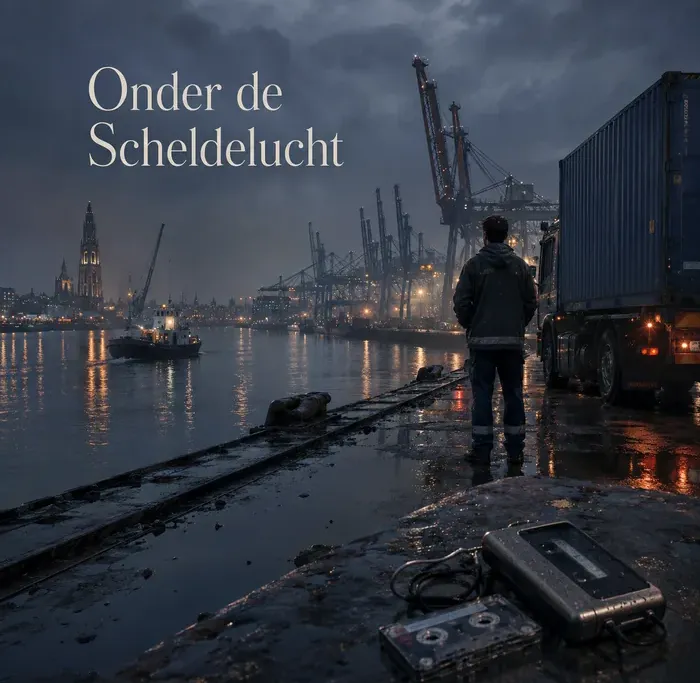
Onder de Scheldelucht
Onder de Scheldelucht is a Flemish indie rock album set along the Scheldt, where harbor light, steel cathedrals, old tapes, family memory, work, trade, and rain blur together. Reverb guitars, warm bass, muted drums, accordion colors, and Dutch-language vocals carry a story of labor, inheritance, and one last look at the river.
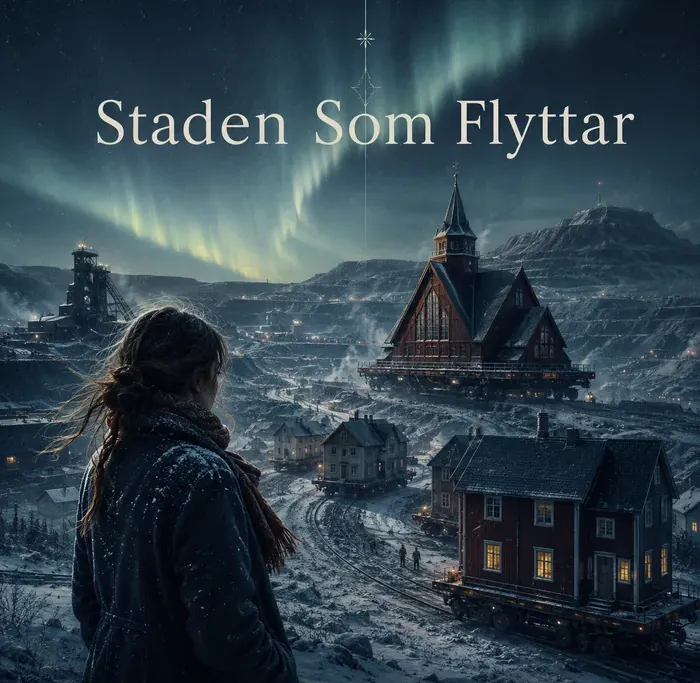
Staden Som Flyttar
Staden Som Flyttar is a Swedish-language cinematic Nordic pop album about a mining town forced to move, and about the people who have to decide what can be carried with them. Cold synths, reverb guitars, piano, strings, field-recording textures, and slow-building drums frame songs about family rooms, church rails, night shifts, graves, fences, old squares, and new glass streets.
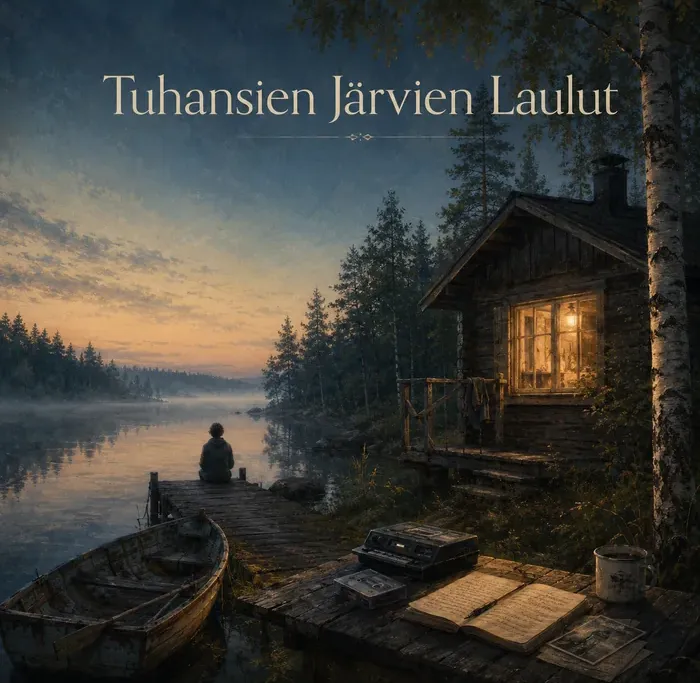
Tuhansien Järvien Laulut
Tuhansien Järvien Laulut is a Finnish-language melancholic folk rock album about leaving the city, returning to an old summer house, and hearing family history through lakes, cassette tapes, letters, sauna rooms, islands, and dark water. Acoustic guitars, soft piano, restrained drums, warm electric textures, and natural ambience keep the record intimate rather than grand.