


Dark sea shanties and gothic folk trace a cursed crew through fog, black water, remembered crimes, and a fragile chance of release.
Tracklist
Liner Notes
A short editorial read on the album world, sound, and standout moments.
About the Album
Ghost Ship Choir sounds like an old maritime legend pulled from the bottom of the sea, still dripping with saltwater, candle smoke and unfinished prayers. It is a dark sea shanty and gothic folk concept album built around a cursed vessel that appears only when the fog rolls in — a black-sailed ghost ship crewed by sailors trapped between life and death. The result is not a simple pirate fantasy and not a cheerful tavern singalong. This is a haunted nautical drama: slow drums on wet deck planks, deep male choirs rising from the mist, mournful accordion lines, low cello, bells in the distance and voices that seem to come from somewhere beyond the waves.
The album opens with “Out of the Fog,” a cinematic arrival rather than a conventional first song. You can almost see the shape of the ship forming in the moonlit haze before a single story has been fully told. From there, the record moves like a dark seaman’s tale passed from mouth to mouth: “Dead Men Haul the Line” turns the labor rhythm of a traditional shanty into something grim and undead, while “The Captain Has No Shadow” introduces the cursed figure at the heart of the myth. The captain is a wound in human form rather than a stock villain, a man who traded too much and dragged an entire crew into the price of his bargain.
Ghost Ship Choir draws its force from its sense of atmosphere. The album understands that darkness works best when it has texture. The songs are full of physical details: rope, salt, cracked lantern glass, broken masts, black water, cold bells and names washed away by the tide. The story becomes tactile; the damp wood seems close enough to touch. The arrangements keep the shanty spirit alive through repeated chants, work-song cadences and call-and-response energy, but everything is slowed, deepened and shadowed. It feels less like a crowd singing in a harbor pub and more like a choir of drowned men echoing through a ruined chapel at sea.
The title track, “Ghost Ship Choir,” is the album’s central anthem and one of its most immediate moments. It has the kind of chorus that should stay in the listener’s head after the first play, but it does not break the mood to get there. Instead, it turns the dead crew into witnesses, victims and singers of their own curse. That emotional shift is important. The album is not only about horror. It is about memory, guilt, betrayal and the need to be heard after the world has forgotten your name.
Several tracks widen the story beautifully. “No Grave but the Ocean” gives the record its most solemn, hymn-like weight, reflecting on the loneliness of sailors who never receive a grave on land. “The Widow at the Lighthouse” brings in the shorebound perspective, adding human tenderness to the supernatural narrative. Her candle becomes one of the album’s defining images: a small act of devotion held against an enormous, indifferent sea. Then “Storm of the Damned” raises the tempo and pressure, pushing the ship into its most violent moment. It is dramatic, but not flashy; the storm feels earned because the album has spent time building dread before unleashing it.
By the final stretch, Ghost Ship Choir becomes more than a ghost story. “One Bell for Mercy” and “Dawn Beyond the Wreck” introduce the possibility of release, but the album wisely avoids turning too bright too quickly. The hope here is fragile, salt-stained and uncertain. Redemption does not arrive like fireworks; it arrives like the first pale line of dawn after centuries of night. The closing track, “When the Fog Returns,” leaves the legend open, suggesting that even if some souls are freed, the sea never forgets everything it has taken. That ambiguity gives the album a strong aftertaste — the feeling that the story might continue somewhere beyond the listener’s horizon.
Ghost Ship Choir works because it offers something many concept albums promise but do not always deliver: a complete world. Every track feels connected, every image belongs to the same myth, and the emotional arc moves with purpose. It is theatrical without becoming cheesy, dark without becoming one-note, and atmospheric without losing the strength of songcraft. The sequence carries the listener from the first foghorn to the final fading bell, with each track adding another part of the same voyage.
Production Notes
All tracks were generated with AI music models, then processed for the final sound. No human performance recordings are used.
Full album download
Download the complete album
Get the full ZIP package with tagged audio files, cover artwork, and album metadata.
Support MelodyMind
Help keep the albums coming
If this album was useful or fun to listen to, a small contribution helps cover hosting, tools, and new music experiments.
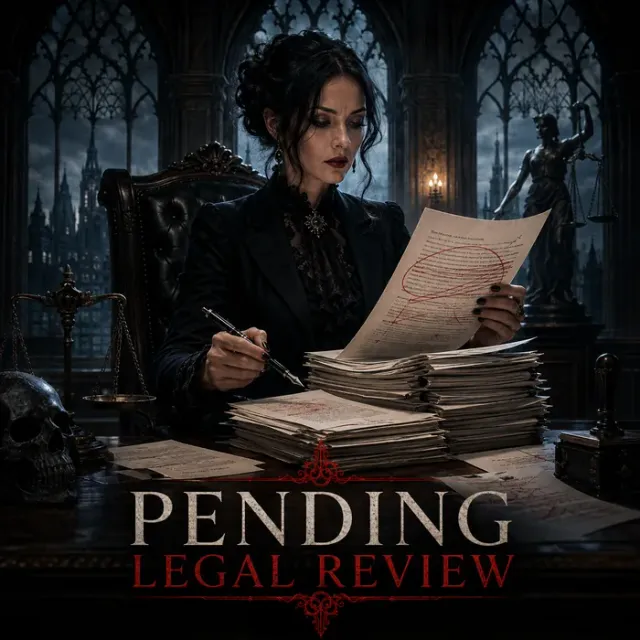
Pending Legal Review
Pending Legal Review is a gothic rock and doom metal concept album about contracts, liability, legal pressure, red lines and the hidden risk of signing blind.
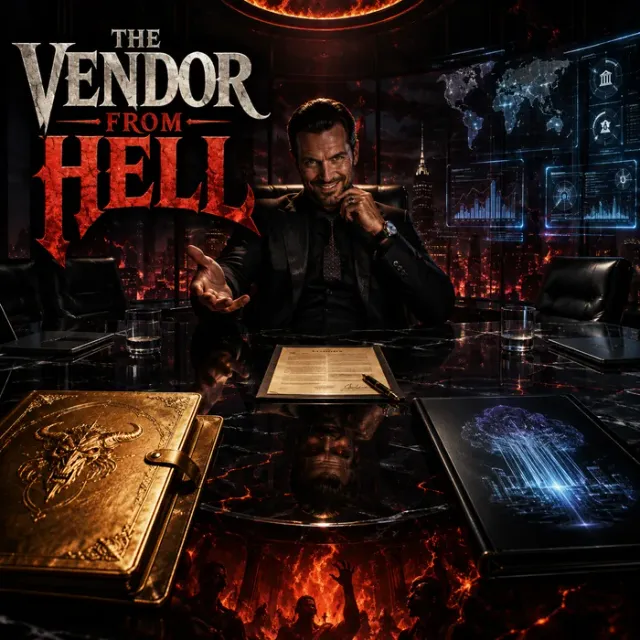
The Vendor from Hell
The Vendor from Hell turns software sales, vendor lock-in and broken support promises into a fierce blues-rock and heavy-metal rebellion inside the boardroom.
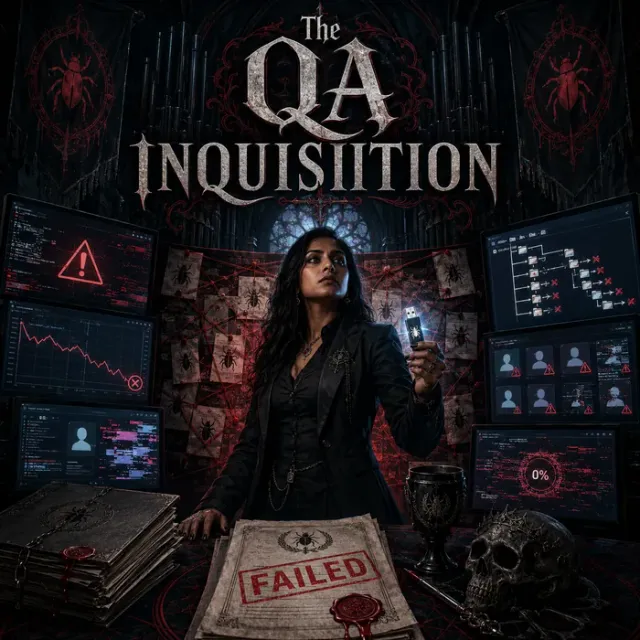
The QA Inquisition
The QA Inquisition is a gothic metal concept album about buried bugs, corporate denial and the high cost of ignoring warnings before a major software release.
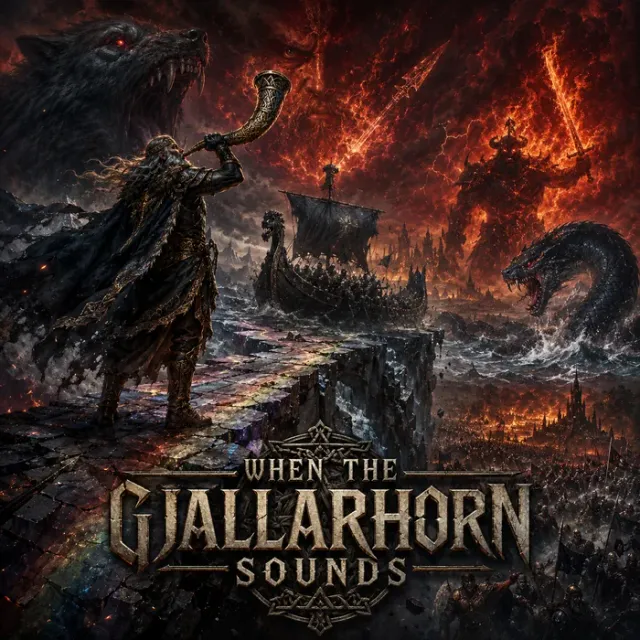
When the Gjallarhorn Sounds
A symphonic Viking metal requiem for Ragnarök, gods fall, monsters rise, and the last horn calls nine worlds toward silence, fire and a world without victors.


