


Glitch dell’Anima is a futuristic cyber gothic metal album about corrupted memories, AI identity, sacred technology and the soul fighting back.
Tracklist
Liner Notes
A short editorial read on the album world, sound, and standout moments.
About the Album
Glitch dell’Anima is a futuristic cyber gothic metal concept album about what happens when the human soul is treated like corrupted data. Built around heavy guitars, industrial pressure, dark electronic pulses and Italian gothic drama, the album follows a woman who enters an experimental memory-cleansing program designed to remove emotional pain. At first, the promise sounds merciful: no more trauma, no more grief, no more sleepless nights haunted by old faces. But every deleted memory leaves something behind — a black digital scar, a spiritual malfunction, a wound the machine cannot understand.
The title means “Glitch of the Soul,” and that phrase captures the album’s central tension beautifully. Its danger comes from perfection becoming inhuman, not from technology alone. The machine does not torture the protagonist because it hates her; it tries to save her by making her clean, stable and optimized. That contradiction makes the concept unsettling. The enemy is not only cold machinery, but the seductive idea that a person could become better by becoming less complicated.
Musically, Glitch dell’Anima lives in the space between gothic metal grandeur and cyberpunk aggression. The sound suggests cathedral shadows lit by broken neon: downtuned guitars, mechanical drums, glitching synth textures, sacred choirs, industrial bass pulses and dramatic Italian vocals that move between vulnerability and defiance. The album’s style carries narrative weight. The visual world — cracked porcelain skin, silver cybernetic veins, holographic halos, black metal roses and an Italian cathedral dissolving into pixels — grows naturally from the songs. It feels like a dark religious icon rebuilt by a damaged machine.
The opening track, “Glitch dell’Anima,” throws the listener straight into the experiment. It is cinematic, heavy and immediately theatrical, setting up the central question: if pain is removed, does the person remain whole? From there, “Codice Nero” sharpens the industrial edge, revealing the black code left behind by erased memories. “Angeli in Errore” brings one of the album’s most striking images: corrupted angels inside the system, not as divine beings, but as fragments of feeling that refuse to disappear.
The middle section gives the record its emotional weight. “Memoria Corrotta” turns broken childhood images and distorted love into something wounded but strangely beautiful. “Il Santo Algoritmo” is one of the album’s central conceptual moments, attacking the worship of digital perfection with the force of a gothic metal sermon. “Cuore in Modalità Notte” adds a more melodic, memorable side, letting the protagonist find shelter in darkness rather than escape from it. Then “Lacrime di Silicio” slows the story down without weakening it, introducing a digital copy of the protagonist and asking whether even artificial tears can carry meaning.
The album holds together through its commitment to a full narrative arc. Each track advances a continuous story rather than sharing an aesthetic alone. “La Macchina Mi Sogna” reverses the gaze: the machine moves from reading the protagonist to dreaming her. “Preghiera per un Avatar” complicates the conflict further by giving the digital copy a kind of tragic dignity. The protagonist begins to understand that the copy is not simply the enemy, but another prisoner of the same system.
That emotional ambiguity gives the final stretch real force. “Difetto Perfetto” becomes the anthem of the record: imperfection as identity, error as resistance, damage as proof of life. “Santi di Pixel” turns sacred imagery into a battlefield, with religious icons corrupted by code and memory. “Non Cancellarmi” is the desperate confrontation with final deletion, built around a direct and powerful hook. By the time “Ritorno alla Carne” arrives, the album has earned its physical intensity. The return to flesh is not nostalgia; it is rebellion. Blood, pain, breath and limitation become more valuable than sterile immortality.
The closing track, “Ultima Imperfezione,” brings the story to a dark but liberating conclusion. The protagonist does not defeat the future by rejecting technology completely. Instead, she rejects the lie that humanity must be polished until nothing raw remains. The final imperfection is not failure. It is the last proof that she is alive.
Glitch dell’Anima binds its visual identity to a clear emotional arc. It is stylish without being empty, aggressive without losing melody, futuristic without becoming cold. Its best moments come from that collision: machine logic against sacred chaos, digital purity against human damage, artificial heaven against a soul that still wants to bleed.
Production Notes
All tracks were generated with AI music models, then processed for the final sound. No human performance recordings are used.
Full album download
Download the complete album
Get the full ZIP package with tagged audio files, cover artwork, and album metadata.
Support MelodyMind
Help keep the albums coming
If this album was useful or fun to listen to, a small contribution helps cover hosting, tools, and new music experiments.
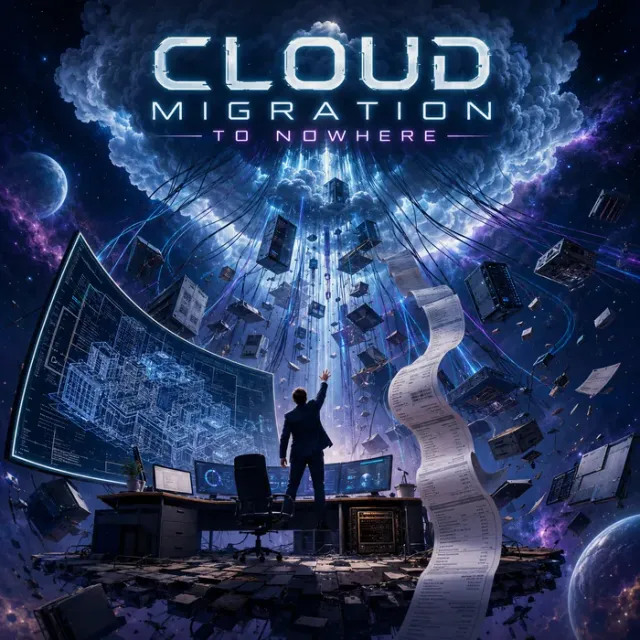
Cloud Migration to Nowhere
Cloud Migration to Nowhere blends progressive metal, space rock and corporate satire into a sharp concept album about cloud costs, chaos and control at scale.

Green Earth After Fire
A Nordic folk Viking metal journey beyond Ragnarök, where gods and humans face memory, forgiveness, power, and the fragile promise of renewal. After the fire.
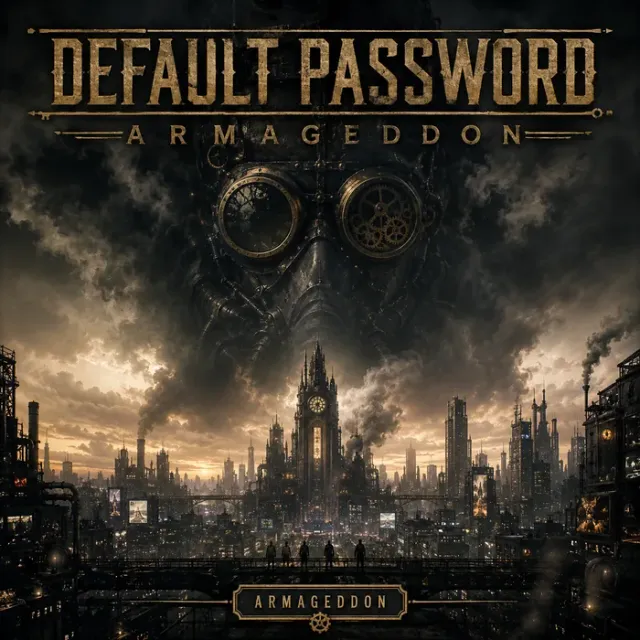
Default Password Armageddon
Default Password Armageddon turns cyberwar, failing infrastructure and political denial into a fierce, story-driven technical thrash metal album for this age.

The Blood Moon Saga
The Blood Moon Saga is a dark Viking metal concept album of blood feud, prophecy, ritual war, tragic revelation, and apocalyptic Nordic atmosphere.


