
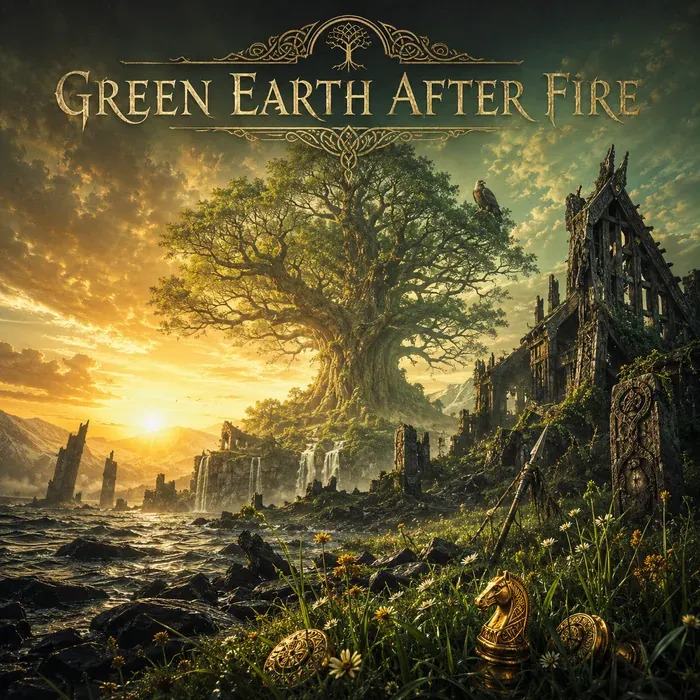
Nordic Folk Viking Metal
Green Earth After Fire
A Nordic folk Viking metal journey beyond Ragnarök, where gods and humans face memory, forgiveness, power, and the fragile promise of renewal. After the fire.
Liner Notes
A short editorial read on the album world, sound, and standout moments.
About the Album
Green Earth After Fire begins where most Viking metal albums would end. Ragnarök has already burned through the heavens, the old halls have collapsed, and the heroic age has exhausted itself. What remains is not another battle for glory, but a harder question: what kind of world can be built by those who survived the last one?
Across fourteen songs, the album follows a renewed earth rising from black water. Forests return without being planted, rivers cut through ruined strongholds, and the daughter of the sun takes her place above a landscape no longer governed by Odin’s will. Víðarr, Váli, Magni and Móði step into this unfamiliar peace carrying the habits of war. Balder and Höðr return from Helheim carrying something even heavier: the memory of a murder, the knowledge of manipulation, and the possibility that forgiveness may demand more honesty than revenge ever did.
Musically, Green Earth After Fire is rooted in Nordic folk Viking metal, but it refuses the genre’s easiest gestures. There are low-tuned guitars and tom-heavy drums, yet they are often held back rather than used as constant force. Warm twelve-string acoustics, bowed tagelharpa, wooden flute and hammered dulcimer give the record its physical texture. The production feels close to timber, stone, running water and human breath. Instead of presenting nature as decorative scenery around another heroic campaign, the album lets the reborn landscape become an active presence. Grass grows over weapons. Moss crosses old runes. Water passes through dragon-carved ruins without asking who once ruled them.
That restraint gives the heavier passages more meaning. “The Sons Who Carried Thunder” turns Mjölnir from a weapon into a building tool, its hammer rhythm driving a song about strength measured by shelter rather than destruction. “Brothers Returned from Hel” slows the record into a grave, unresolved duet between Balder and Höðr, refusing the cheap relief of instant reconciliation. “The Hand That Loosed the Mistletoe” goes further, allowing Höðr to admit responsibility without pretending that manipulation erases consequence. These are songs about gods, but their emotional logic is recognisably human.
The album’s central image arrives in “Golden Pieces in the Grass,” when the survivors find the old gods’ playing pieces scattered across the new world. The pieces become more than relics. They represent hierarchy, inherited roles and the temptation to rebuild the past because it is familiar. That temptation becomes literal in “The Voice Beneath the Roots,” the album’s dark midpoint, where Odin’s memory survives inside the renewed Yggdrasil. He does not return as a roaring monster. He returns as an argument: order is necessary, fear is reasonable, authority is protection. It is a far more unsettling form of power because it sounds intelligent.
From that point onward, Green Earth After Fire becomes an album about resisting systems that survive their creators. “No Throne for the Dead” asks whether love for the past can quietly become obedience to it. “The Law of the First Stone” shows how quickly a frightened community can create punishment before it has created justice. “The Last Command of Odin” places Víðarr at the moral centre of the story, forcing the silent son of vengeance to decide whether loyalty means repeating his father’s violence or ending it.
The arrival of Líf and Lífþrasir in “Two Footprints in the Dew” changes the scale of the story. Until then, the survivors have largely treated the new earth as a divine inheritance. The two humans remind them that the future belongs just as much to those who did not rule the old world. Their presence shifts the album away from gods deciding the fate of creation and toward a shared responsibility between mortal and immortal lives. It is a subtle but decisive turn, and it gives the final act its emotional legitimacy.
“Break the Game, Keep the Gold” provides the album’s grand conclusion without reducing it to a simple victory song. The golden game pieces are not destroyed, because erasing the past would be another form of surrender. Instead, they are hammered into leaves and hung in Yggdrasil. Memory remains, but its function changes. A king is no longer a king. A pawn is no longer a pawn. History is preserved without being allowed to command.
The closing track, “Under the New Eagle,” wisely avoids promising a flawless future. The new world is greener, but it is not innocent. Odin’s voice may still remain in the roots. Power may return in another language. The cycle has been interrupted, not magically abolished. That ambiguity gives the album its final strength. Hope here is not a mood placed over the ending; it is a practice that must be renewed by every generation.
Green Earth After Fire is recommended for listeners who want concept albums to do more than decorate familiar myths. It uses Ragnarök not as spectacle, but as a way to examine grief, inherited authority, restorative justice and the danger of confusing tradition with truth. Its melodies are strong, its recurring motifs reward full-album listening, and its quieter songs carry as much dramatic weight as its metal climaxes.
Its anti-authoritarian core may also speak to audiences beyond Viking metal. Recommended if you like: Political punk, post-punk, protest rock, anti-authoritarian lyrics, dystopian concept albums, AI-assisted music projects.
This is not an album about surviving the end of the world. It is about the responsibility of living after it—and deciding which parts of the old world deserve to be remembered, transformed or finally left beneath the roots.
Production Notes
All tracks were generated with AI music models, then processed for the final orchestral sound. No human performance recordings are used.
Full album download
Download the complete album
Get the full ZIP package with tagged audio files, cover artwork, and album metadata.
Support MelodyMind
Help keep the albums coming
If this album was useful or fun to listen to, a small contribution helps cover hosting, tools, and new music experiments.
Join the conversation
Reactions from the web
Mentions, likes, reposts, and replies from IndieWeb and Fediverse-friendly sites can appear here after you allow community features.
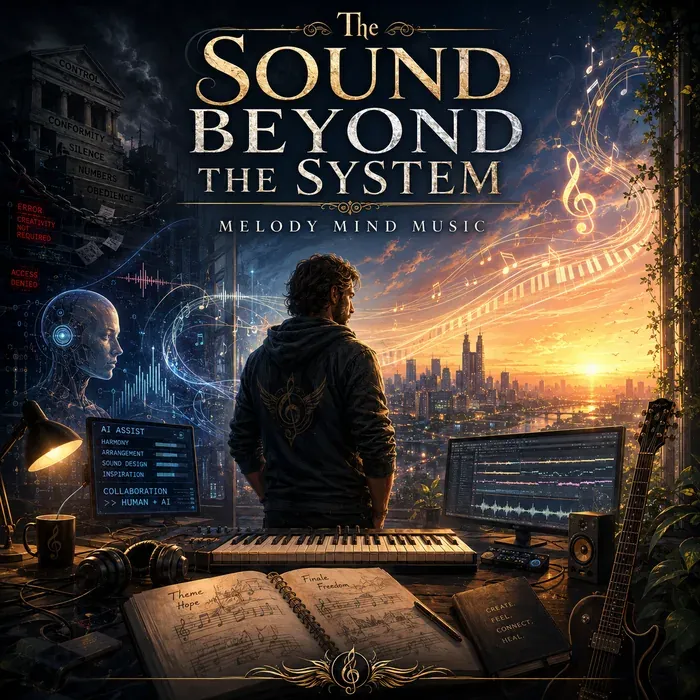
The Sound Beyond the System
A symphonic metal opera about work, recovery and music reclaiming the self—cinematic, humane and made for listeners who want a story that stays with them too.
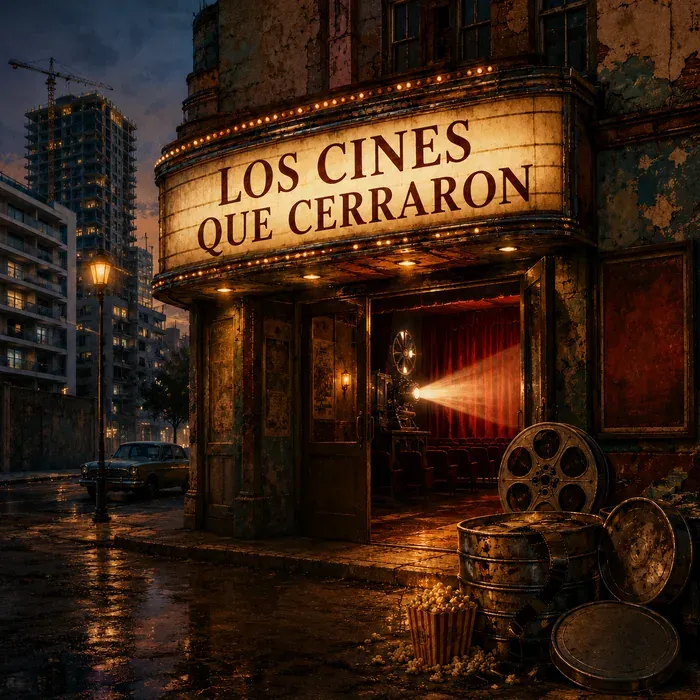
Los Cines Que Cerraron
A fading neighborhood cinema becomes a stage for love, memory and resistance in Los Cines que Cerraron, a moving Latin pop concept album you should discover.
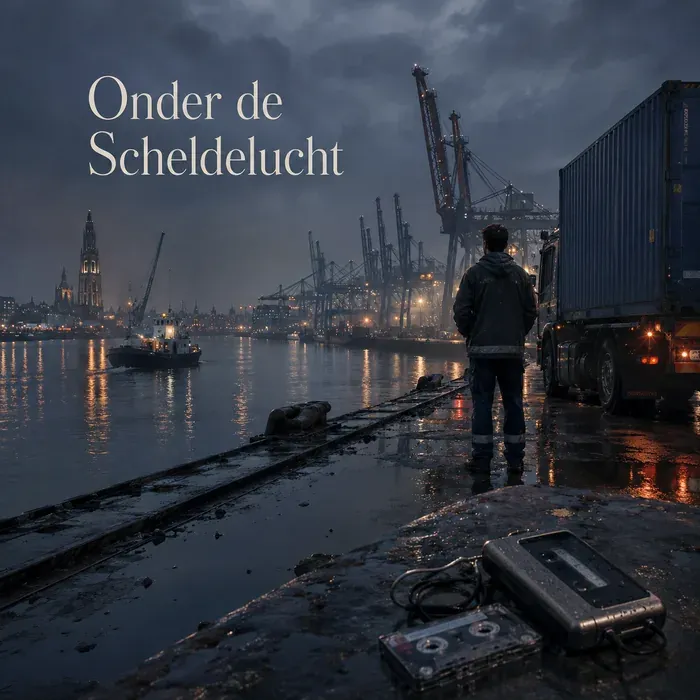
Onder de Scheldelucht
Rain-soaked Flemish indie rock album about Antwerp, the Schelde, harbor ghosts, family memory, trade, exile, steel-lit nights, and lost love by the old docks.
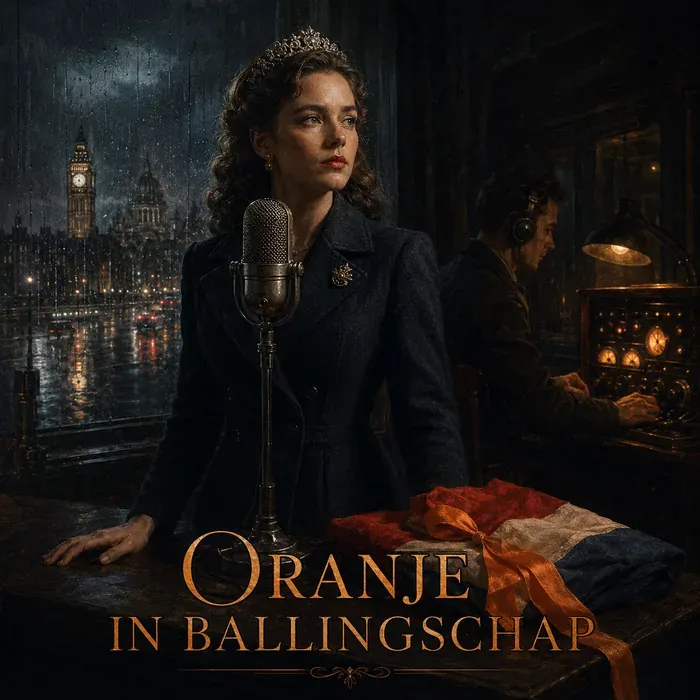
Oranje In Ballingschap
A dramatic Dutch rock opera about exile, monarchy, war and resistance, where a voice in the rain keeps a wounded nation alive across distant borders, forever.
Community
Comments...
Read or leave a comment about this album. Comments are provided by Cusdis and load only after you allow the comments feature.
Enable comments to load the discussion from Cusdis.