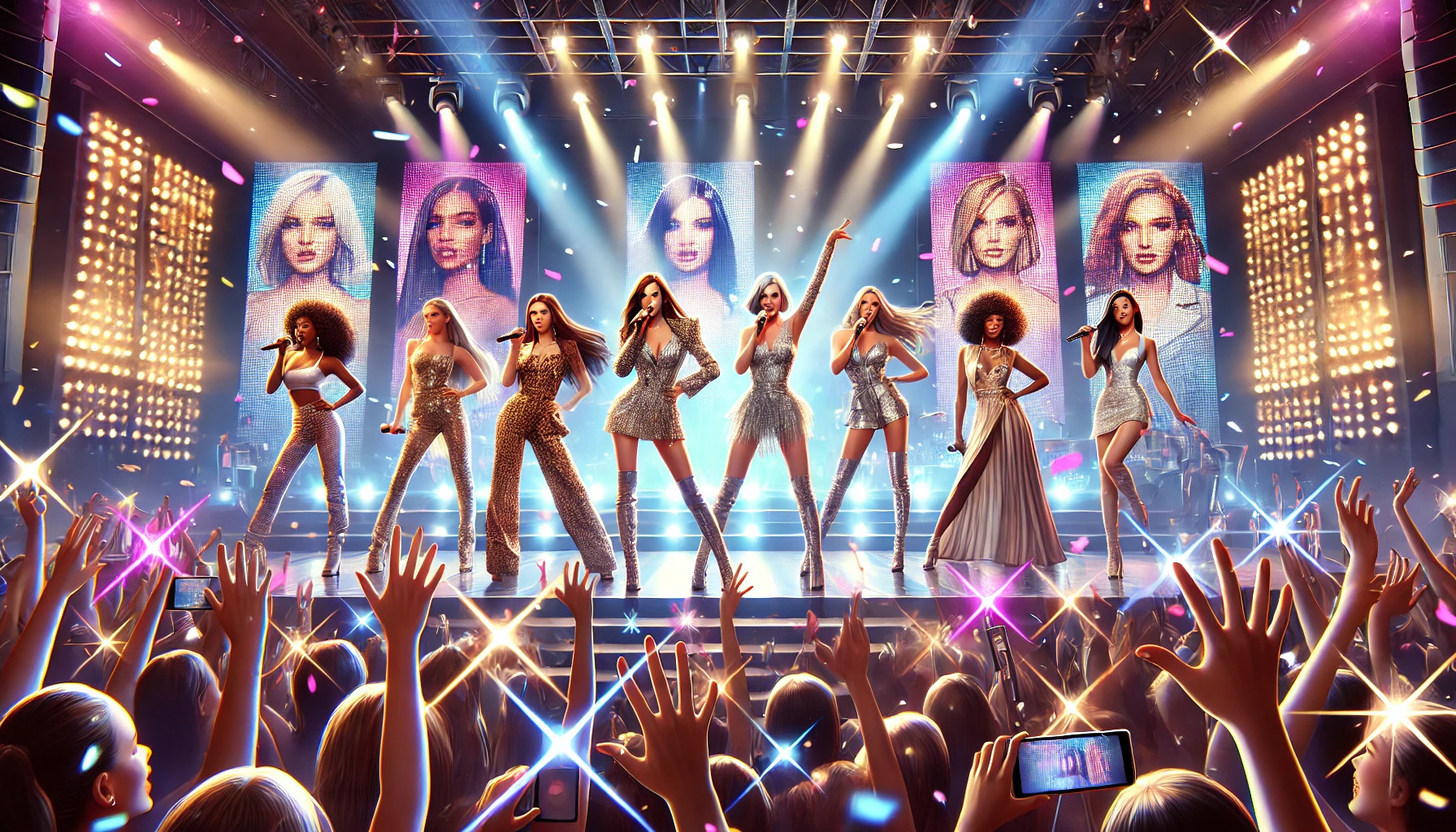
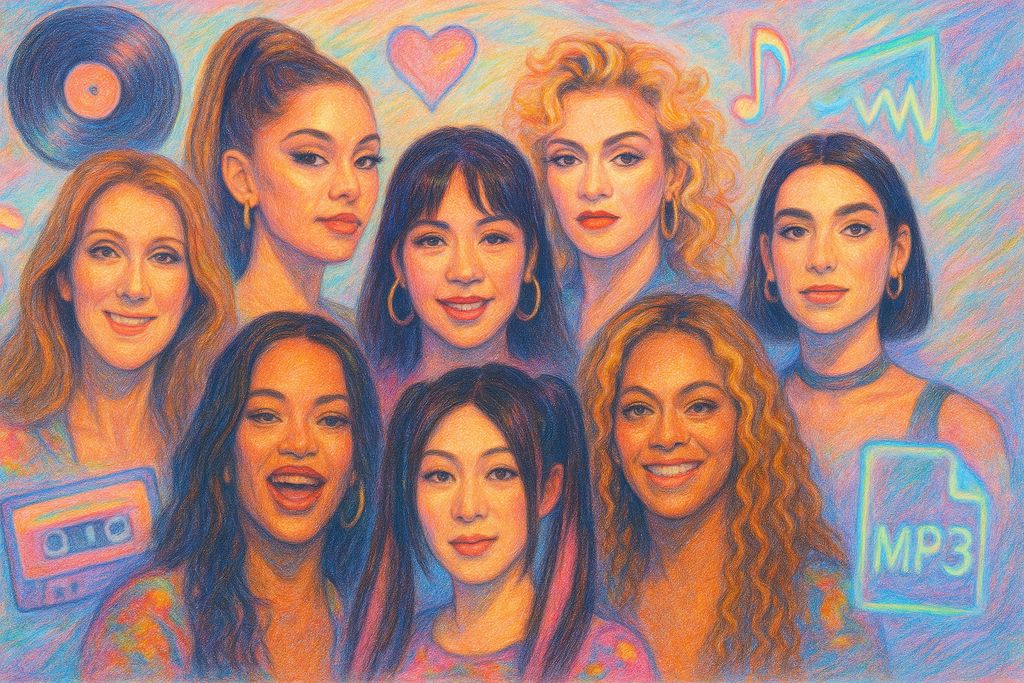
What Makes a Female Pop Superstar?
Pop superstardom is not only about charts or sales. It is about shared moments. A song that plays everywhere at once. A voice people recognize after two notes. Female pop superstars turn private emotions into public memory. Their music becomes part of daily life, weddings, breakups, road trips. Pop works when millions feel seen at the same time.
For women, pop fame has always come with conditions. Visibility is celebrated, but closely watched. Success is praised, then questioned. Female pop superstars are expected to sound perfect, look flawless, stay relatable, and never age. They carry their music and an entire set of cultural expectations on their shoulders. Pop rewards presence, but it rarely allows rest.
The focus here is female pop superstardom as power, labor, and cultural influence. It focuses on artists who shaped global pop without leaving the genre behind. Their careers reveal how pop music works, how it controls, and how women learned to bend it back in their favor.
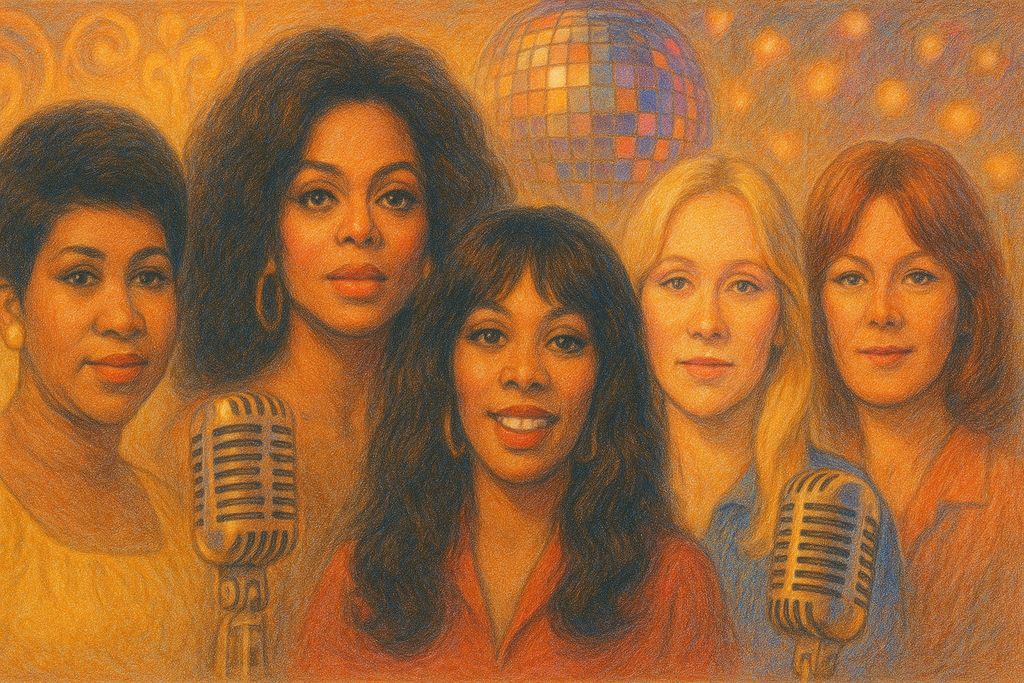
The Foundations: Early Female Pop Superstars (1950s–1970s)
Pop superstardom did not begin with stadium tours or global branding. In the 1950s and 1960s, fame grew in smaller rooms. Radios played in kitchens, televisions flickered in living rooms, jukeboxes filled diners with sound. When female pop singers reached an audience, they felt close, almost personal. Their voices became part of everyday routines and emotional milestones.
These early stars worked inside a tightly controlled system. Record labels, producers, and broadcasters shaped nearly every aspect of their careers. Songs were selected for them, images carefully polished, and public behavior closely monitored. Success depended on fitting expectations rather than challenging them. Youth, charm, and emotional accessibility were rewarded. Independence rarely was.
Despite these limits, early female pop stars laid essential groundwork. They proved that women could carry pop music commercially and emotionally. They attracted massive audiences and shaped listening habits across generations. Their careers reveal both the possibilities and the restrictions that defined the first era of female pop superstardom.
Teen Idols, Control and Early Pop Stardom
In the late 1950s, pop music discovered the teenage market as a force of its own. Young listeners had spending power, free time, and an emotional connection to music that older generations often dismissed. Female singers became central to this shift. Their voices carried stories of first love, insecurity, excitement, and disappointment. These themes were simple, but they resonated deeply.
Artists like Brenda Lee rose to fame while still teenagers. Songs such as “Sweet Nothin’s” and “I’m Sorry” turned everyday feelings into radio staples. The appeal lay in familiarity. These singers felt approachable, not distant. They were presented as relatable young women navigating emotions similar to those of their audience.
At the same time, this closeness was carefully constructed. Labels framed these artists as safe and polite. Romance was allowed, desire was softened, and rebellion was avoided. The teenage female pop star became a symbol of controlled emotion. She could feel deeply, but only within boundaries defined by adults. This balance between relatability and restraint shaped the earliest image of female pop stardom.
Behind the scenes, the power structure was clear. Record labels and managers made nearly all creative decisions. Young female artists signed contracts they barely understood. Song selection, production style, wardrobe, and public behavior were dictated by others. Questioning these decisions was risky and often discouraged.
Lesley Gore offers a telling example. While songs like “It’s My Party” defined early 1960s pop, her later hit “You Don’t Own Me” quietly challenged the idea of female obedience. The song stood out precisely because it went against industry expectations. Its impact showed how rare open resistance was within the system.
The industry valued compliance. Artists who followed instructions were promoted. Those who pushed back were labeled difficult. This environment limited artistic growth and discouraged long term planning. Female pop success was treated as temporary by default. The assumption was that youth would fade and with it public interest. The system was not built to sustain women beyond their initial moment of fame.
Early female pop music thrived on emotional clarity. Songs were short, direct, and easy to understand. Heartbreak, longing, and joy were presented without irony. This honesty helped pop music become a shared emotional language. Young listeners heard their own feelings reflected in public for the first time.
Yet this emotional openness was also a product. Feelings were packaged, marketed, and sold. Female singers were encouraged to perform vulnerability while remaining personally invisible. Their public emotions rarely reflected their private experiences. Authenticity existed on record, not in decision making.
This created a lasting contradiction. Female pop stars were praised for emotional expression but denied emotional agency. Their voices carried honesty, while their careers were shaped by restriction. This gap between sound and reality would later fuel demands for control, authorship, and ownership in future generations of pop artists.
When trends shifted, many early female pop stars were left behind. Without ownership of their recordings, royalties were limited. Without creative control, reinvention was difficult. Some artists stepped away from music entirely. Others continued performing outside the mainstream, often without recognition for their influence.
Their stories rarely appear in simplified pop histories. This absence does not reflect a lack of importance, but the speed with which the industry moved on. Female pop stardom was treated as disposable. Longevity was not expected or supported.
Still, their impact is undeniable. These artists proved that female voices could dominate charts and shape popular taste. They helped build the emotional foundation of pop music. Every global female pop superstar who followed benefited from this early proof, even if the system failed to protect the women who created it.
Crossing Borders: Early International Pop Visibility
In the 1960s, pop music began to move beyond national borders, even before the idea of a global pop market truly existed. Radio signals crossed countries. Television shows were syndicated. Songs traveled through cover versions and translations. Female pop singers played a central role in this expansion because their voices often carried emotional clarity that worked across language barriers.
One of the clearest examples is Petula Clark. With “Downtown,” she became one of the first female pop stars to achieve sustained success in both the United Kingdom and the United States. Her appeal was not rooted in provocation or rebellion, but in warmth and accessibility. She represented a form of pop that felt international without losing intimacy.
This early cross border success required adaptability. Accents were softened. Lyrics were adjusted. Image remained carefully neutral. Female pop stars were expected to feel familiar everywhere while belonging nowhere in particular. Global reach came at the cost of personal specificity. Still, these artists showed that pop music did not need to stay confined to national scenes.
Language posed one of the biggest challenges for early international female pop stars. English dominated the most lucrative markets, but local audiences often preferred artists who reflected their own culture. Some singers navigated this tension by recording in multiple languages, reshaping the same song for different audiences.
France Gall illustrates this dynamic. Her Eurovision winning song “Poupée de cire, poupée de son” introduced a playful yet layered pop sensibility that traveled across Europe. Written by Serge Gainsbourg, the song commented on the very idea of a manufactured pop singer while still functioning as a catchy hit. Gall’s public image, however, remained tightly controlled, and the irony of the material was often lost in promotion.
Female pop singers were expected to embody national identity while remaining exportable. This contradiction shaped their careers. They represented culture, but rarely had control over how that culture was framed. Their success depended on adaptability rather than authorship. Pop visibility increased, but agency remained limited.
France Gall illustrates this dynamic. Her Eurovision winning song “Poupée de cire, poupée de son” introduced a playful yet layered pop sensibility that traveled across Europe. Written by Serge Gainsbourg, the song commented on the very idea of a manufactured pop singer while still functioning as a catchy hit. Gall’s public image, however, remained tightly controlled, and the irony of the material was often lost in promotion.
Female pop singers were expected to embody national identity while remaining exportable. This contradiction shaped their careers. They represented culture, but rarely had control over how that culture was framed. Their success depended on adaptability rather than authorship. Pop visibility increased, but agency remained limited.
International pop success was also shaped by ideas of respectability. Female singers who crossed borders were often presented as elegant, polite, and emotionally restrained. This framing made them acceptable to broadcasters and conservative audiences, but it also narrowed the range of expression allowed.
Artists like Dusty Springfield operated within these limits while quietly pushing against them. Her soulful vocal style connected British pop to American influences, even as her public image stayed composed and refined. Emotional depth was encouraged, but controversy was avoided.
Race added another layer of complexity. Female artists of color faced additional barriers to international exposure, particularly on television. When crossover happened, it was often framed as exceptional rather than normal. These patterns established inequalities that would continue into later decades.
Despite these challenges, early international female pop stars expanded the reach of popular music. They proved that pop could travel, adapt, and resonate across cultures. Their careers exposed both the promise and the limitations of early global pop visibility.
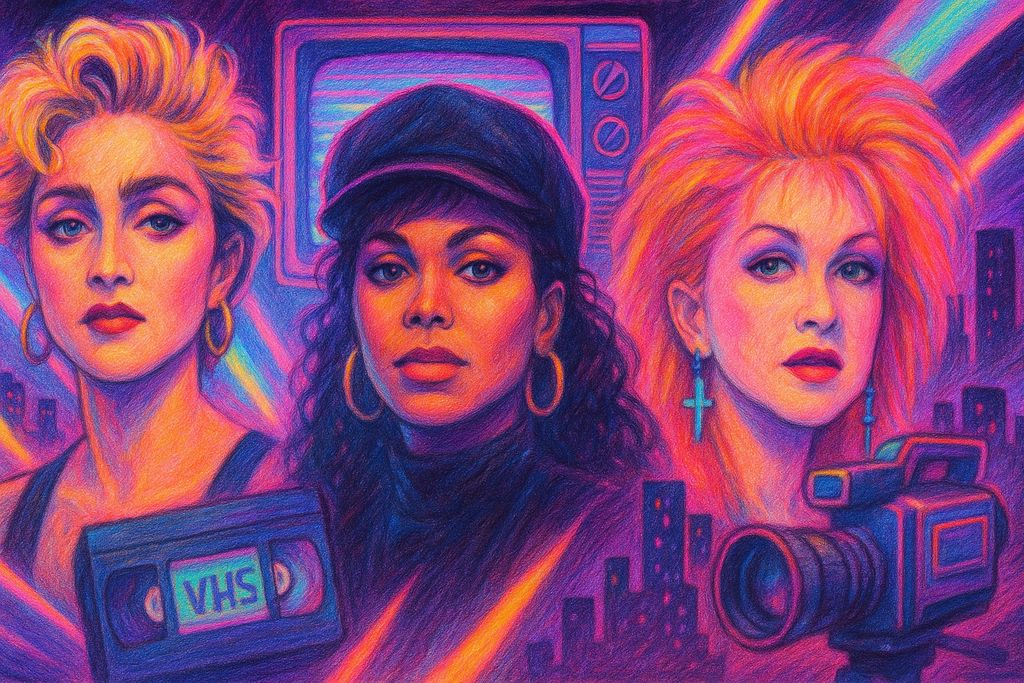
Reinvention and Power: The MTV Era (1980s)
The 1980s changed how pop music was seen, sold, and remembered. Sound was no longer enough. Image became inseparable from the song. With the rise of music television, especially MTV, pop stars were expected to be visible at all times. A hit was now something you heard and watched. For female pop artists, this shift created new opportunities and new pressures at the same time.
Visibility offered power. Artists who understood the visual language of the decade could shape their identity more actively than before. Fashion, choreography, and narrative became tools of expression. Reinvention was no longer a risk. It became a strategy. A new look could signal growth, confidence, or resistance.
At the same time, the camera intensified control. Female bodies were scrutinized more closely than ever. Sexuality was both celebrated and policed. Age, race, and appearance became constant topics of judgment. The 1980s turned pop stardom into a public performance with little privacy.
This era marks a turning point. Female pop stars were no longer just voices on the radio. They became visual authors of their own presence, even while fighting new forms of surveillance.
Visual Control, Sexuality and Self-Authorship
When music television became central to pop culture, control over image turned into a form of power. Female pop stars were no longer judged only by their voices, but by how convincingly they could inhabit a visual identity. Those who relied solely on labels to shape that identity often faded quickly. Those who understood the medium could last.
Madonna recognized this early. Rather than allowing a single image to define her, she treated identity as something flexible. Each new release arrived with a new look, a new tone, and a new set of references. This approach challenged the idea that female pop stars should remain consistent and predictable. Reinvention became a way to stay in control.
Visual authorship also changed how female artists related to audiences. Videos were not just promotional tools. They became statements. Clothing, choreography, and setting communicated intent. A singer could signal independence, provocation, or irony without explaining it in interviews. This visual language allowed female pop stars to push boundaries while remaining inside the pop mainstream.
Still, control was never absolute. Labels financed videos and expected returns. Broadcasters set limits. Yet within these constraints, some artists carved out space for self definition. The MTV era showed that visibility could be used strategically. Image was no longer just imposed. It could be shaped, negotiated, and sometimes reclaimed.
Sexuality became one of the most contested elements of female pop in the 1980s. Music television amplified every gesture, outfit, and movement. Female desire was suddenly visible, and that visibility triggered strong reactions. What male artists could present as confidence or rebellion was often framed as excess or provocation when expressed by women.
Madonna again stands as a central figure. Songs like “Like a Virgin” and performances such as the 1984 MTV Video Music Awards appearance forced public conversations about female sexuality. Importantly, these moments were not accidental. They were planned, framed, and repeated. Sexuality was presented as agency, not apology.
The backlash was immediate. Religious groups protested. Media outlets debated morality. Yet the controversy fueled visibility rather than silencing it. For the first time in mainstream pop, a female artist openly insisted on control over her sexual image. This insistence challenged long standing expectations that female pop stars should remain desirable but passive.
At the same time, not every artist could afford this approach. Sexual expression was often tolerated only when it aligned with commercial success. Women who crossed invisible lines without institutional support faced harsher consequences. The MTV era revealed a double standard that remains familiar today. Sexuality could be empowering, but only under strict conditions set by the industry and public opinion.
Beyond sexuality, the MTV era expanded the narrative tools available to female pop stars. Fashion became storytelling. Costumes referenced history, subcultures, and fantasy. Performance blurred the line between concert and theater. A three minute video could carry a complete narrative arc.
This shift allowed artists to communicate complexity without relying on lyrics alone. A look could signal strength or vulnerability. Movement could suggest confidence or tension. For many female pop stars, this opened a space to express contradictions that had previously been flattened by radio friendly formats.
However, this expansion also intensified scrutiny. Every visual choice was analyzed. Praise and criticism focused on appearance as much as on music. Female artists had to manage meaning constantly, knowing that misinterpretation could overshadow sound.
Still, the gains were significant. Visual storytelling gave women tools to assert authorship in a system that often denied it. The pop video became a site of negotiation. It reflected both constraint and creativity. For the first time, female pop stars could visibly argue for who they were, even when the argument was contested.
The idea of self authorship in the MTV era was always partial. Control existed, but it was negotiated. Financial backing, broadcast standards, and public reaction shaped what was possible. Yet compared to earlier decades, the shift was undeniable.
Female pop stars began to understand fame as something that could be directed rather than endured. Reinvention offered survival. Visibility offered leverage. The camera, once a tool of surveillance, became a platform for expression.
This era did not resolve the tensions around gender, power, and control in pop music. It exposed them. By insisting on visual authorship, female pop stars of the 1980s changed expectations permanently. They demonstrated that pop was not just about sounding right. It was about being seen on one’s own terms, even when those terms were challenged.
MTV, Race and Global Pop Visibility
When MTV launched in 1981, its early programming reflected narrow ideas about pop visibility. The channel focused heavily on white rock and pop acts, while Black artists were largely absent from rotation. This exclusion was not accidental. Executives argued that their format did not suit certain sounds, a claim that ignored the central role Black musicians already played in popular music.
The breakthrough came when commercial success made exclusion impossible. Videos by Whitney Houston forced the issue. Her polished image, crossover sound, and chart dominance aligned with the network’s expectations of mass appeal. Songs like “How Will I Know” and “I Wanna Dance with Somebody” proved that Black female pop stars could draw the same audiences MTV wanted to reach.
This visibility mattered. Once Black women appeared regularly on music television, the visual language of pop expanded. Representation was still filtered through ideas of acceptability, but the door was open. MTV began to shape a global pop audience, and race could no longer be ignored without consequence.
Visibility did not mean freedom. For Black female pop stars, appearing on MTV often required careful negotiation. Image mattered deeply. Artists were encouraged to present themselves as polished, elegant, and emotionally controlled. This strategy aimed to reassure broadcasters and advertisers while reaching mainstream audiences.
Whitney Houston’s early career reflects this tension. Her image emphasized vocal excellence, glamour, and universality. This positioning helped her achieve unprecedented crossover success, but it also limited how openly she could explore personal or political themes at that stage. Respectability became both a shield and a constraint.
These expectations were not placed equally on white artists. While experimentation and provocation were often praised as innovation elsewhere, Black women were asked to represent stability and professionalism. Pop success was possible, but conditional. MTV amplified these dynamics by turning image into constant performance. Every appearance reinforced narratives about who belonged and under what terms.
Another shift in the MTV era was the rising importance of movement. Dance became central to pop performance, especially for female artists. Choreography signaled discipline, confidence, and control. It also shaped how bodies were read on screen.
Janet Jackson transformed expectations through albums like Control. Her videos presented precision and strength rather than softness. Movement became a language of authority. She did not rely on spectacle alone. Her presence communicated autonomy.
This approach challenged stereotypes about femininity and race. Janet Jackson’s choreography emphasized coordination and intention. It suggested ownership of space and narrative. For many viewers, this was a new image of female pop power. It expanded what visibility could look like on music television.
At the same time, physical performance increased scrutiny. Bodies were evaluated constantly. Fitness, weight, and appearance became topics of commentary. Control was admired, but surveillance intensified. MTV rewarded mastery while reinforcing unrealistic standards.
MTV’s influence extended far beyond the United States. As the channel expanded internationally, its visuals shaped pop culture across continents. Female pop stars became global reference points. Hairstyles, fashion, and choreography traveled quickly. Local pop scenes adapted and responded.
This circulation created new opportunities and new distortions. Global audiences often encountered female pop stars through carefully curated images rather than full musical contexts. Meaning was simplified for export. Complexity was reduced in favor of recognizability.
Still, the impact was profound. Music television connected distant audiences through shared visual experiences. Female pop stars became symbols of modernity and aspiration. Their visibility carried both inspiration and pressure. The MTV era made pop global, but it also standardized how success looked.
By the end of the 1980s, female pop superstardom had changed permanently. Race, image, and visibility were now inseparable from sound. The camera did not just show pop music. It shaped who was seen, how they were understood, and how far their music could travel.

The 1990s: Global Pop Superstardom
By the 1990s, pop music had become fully global. Satellite television, international touring, and multinational record labels connected audiences across continents. A pop hit released in London or Los Angeles could reach Europe, Asia, and Latin America within weeks. Female pop stars were no longer local successes. They were international figures, followed by fans who shared little more than the songs themselves.
This expansion changed the scale of fame. Success meant constant visibility, relentless promotion, and an expectation of perfection. Female pop superstars were asked to represent youth, desire, and relatability at once. Their private lives became public narratives. Media attention intensified, especially around appearance, relationships, and behavior.
At the same time, the 1990s offered unprecedented reach. Pop music crossed language barriers more easily than ever. Image and melody carried meaning where words could not. Female pop stars became symbols of modern identity, aspiration, and emotional connection.
This decade marks the moment when pop superstardom stopped being regional and became truly global, with all the power and pressure that came with it.

Manufactured Stardom and Media Pressure
By the mid-1990s, pop music had become a highly organized production system. Record labels refined their approach to developing stars, especially young female artists. Success was planned in advance. Songs were written by professional teams, images tested through focus groups, and release schedules mapped across markets. Pop stardom increasingly resembled a product launch.
This system favored clarity and repetition. Artists were introduced with a clear visual identity and a limited emotional range. Innocence, flirtation, and approachability were central themes. Female pop stars were marketed as familiar and safe, even as their images carried subtle sexual cues. The balance was delicate and carefully managed.
The rise of teen pop reflected this strategy. Labels targeted young audiences with disposable income and strong emotional attachment to idols. Female artists were positioned as aspirational but relatable. Their music offered comfort and fantasy rather than complexity. This approach produced massive commercial success, but it also reduced individual agency. The system rewarded those who fit the mold and moved quickly past those who did not.
No artist represents this era more clearly than Britney Spears. Her debut single “…Baby One More Time” arrived with a fully formed image, sound, and narrative. The song, the school uniform video, and the surrounding media coverage worked together seamlessly. Britney Spears became the face of late-1990s pop almost overnight.
Her success was enormous. Albums sold in the millions. Tours filled arenas. Media coverage was constant. Yet this visibility came with intense scrutiny. Every appearance, relationship, and change in image became a topic of discussion. Britney Spears was praised for success and questioned for autonomy at the same time.
The industry presented her as both a teenage girl and a global commodity. This contradiction shaped public perception. Innocence was emphasized while desire was implied. Control was suggested while independence was denied. The pressure to maintain this balance was relentless. What looked effortless from the outside required constant management behind the scenes.
The success of one pop star often created a wave of comparison. In the late 1990s, female artists were frequently framed as rivals, even when their music differed significantly. Media narratives encouraged competition over collaboration. This framing intensified pressure and narrowed the space available for individuality.
Christina Aguilera offers a contrasting example. While she emerged from a similar system, her vocal style and artistic ambitions differed. Her album Stripped later challenged the limitations placed on her image. At the time, however, she was often reduced to comparison points rather than evaluated on her own terms.
Sexualization played a central role in these narratives. Female pop stars were expected to grow up publicly and on schedule. Too slow meant irrelevance. Too fast invited backlash. This impossible standard created constant tension. Artists were judged not only on music, but on how well they navigated public desire without appearing threatening or uncontrolled.
International Pop Queens Beyond the US
While American pop dominated global charts in the 1990s, some of the most durable female pop careers developed outside the United States. These artists often worked at a different pace. Media pressure was intense, but not always as aggressive. The result was a form of pop stardom that favored longevity over explosion.
Kylie Minogue is a defining example. After early success as a television actress turned pop singer, she gradually reshaped her career. Albums like Light Years and later Fever showed a careful balance between reinvention and consistency. Rather than chasing shock value, Minogue focused on craft, melody, and dance floor intelligence.
Her international success did not rely on controversy. It relied on presence. She remained visible without exhausting her audience. This approach allowed her to survive shifts in taste that ended many faster careers. Kylie Minogue’s path shows how pop superstardom could be built through adaptability rather than constant escalation. Outside the US, pop success sometimes meant staying slightly out of the spotlight rather than standing permanently at its center.
Another route to international pop superstardom was vocal authority. In the 1990s, power ballads and adult contemporary pop traveled easily across borders. Emotional clarity mattered more than language. In this space, Céline Dion became one of the most successful artists of the decade.
Songs like “My Heart Will Go On” reached audiences worldwide, supported by film, radio, and global touring. Dion’s image emphasized professionalism, discipline, and vocal excellence. Unlike many younger pop stars, her public narrative focused less on youth culture and more on emotional universality.
This positioning came with trade offs. Dion was often dismissed by critics as overly polished or conservative. Yet her commercial reach was undeniable. She demonstrated that female pop superstardom could be built on consistency and respect rather than spectacle. Her success also highlighted a divide between critical taste and popular connection. Global audiences responded to emotional sincerity, even when critics remained skeptical.
By the late 1990s, language itself became a site of crossover. Female pop stars from non English speaking countries began reaching global audiences without fully abandoning their cultural roots. This shift pointed toward a more hybrid future for pop.
Shakira represents this transition. Her early Spanish language success established her as a major artist in Latin America before her English language crossover. Rather than erasing her identity, Shakira incorporated movement, rhythm, and lyrical themes that reflected her background.
Her appeal challenged assumptions about what global pop could sound like. Accent, rhythm, and cultural reference became assets rather than obstacles. Shakira’s rise suggested that audiences were ready for more complexity, even within mainstream pop frameworks.
This moment marked a quiet shift. International female pop stars were no longer expected to fully assimilate into American pop norms. They could negotiate identity rather than surrender it. While English remained dominant, pop visibility expanded. The groundwork was laid for a future where global pop would no longer move in one direction only.
Together, these artists show that female pop superstardom in the 1990s was not a single path. Outside the US, pop careers could prioritize endurance, vocal mastery, or cultural hybridity. These alternatives widened the definition of what global pop success could look like.
Crisis, Control and Media Violence (Late 1990s–2000s)
By the late 1990s and early 2000s, the cost of pop superstardom became impossible to ignore. The same media system that had created global stars now followed them relentlessly. Tabloids, paparazzi, and 24 hour entertainment news turned private moments into public spectacle. Fame no longer ended at the stage or studio. It followed artists everywhere.
For female pop superstars, this shift was especially harsh. Success invited constant surveillance. Bodies, relationships, emotions, and mistakes were documented and judged in real time. Vulnerability became content. Struggle became entertainment. Instead of care, the industry often responded with silence or pressure to continue.
This period exposed how little protection existed behind the glamour of pop. Legal control, financial dependence, and public scrutiny collided. When artists faltered, responsibility was placed on them rather than on the system surrounding them. Sympathy was brief. Judgment was loud.
Here, the focus turns to how media violence, loss of control, and institutional failure shaped the lives and careers of female pop superstars. It marks a moment when pop culture was forced to confront the damage it had helped create.
Public Breakdowns and Exploitation
By the early 2000s, the relationship between fame and media had turned openly hostile. Female pop superstars were no longer only admired. They were pursued. Paparazzi culture intensified, fueled by new digital cameras, celebrity blogs, and a growing appetite for scandal. The image of the pop star shifted from untouchable icon to permanent spectacle.
This transformation affected how audiences consumed fame. Vulnerability was framed as entertainment. Moments of exhaustion, confusion, or resistance were captured and sold. The line between reporting and harassment blurred. For women whose careers depended on visibility, escape became nearly impossible.
The pressure was unevenly applied. Male artists often retained distance or privacy. Female pop stars, especially young ones, were treated as public property. Their bodies, emotions, and personal choices became topics of constant commentary. The shift from admiration to surveillance marked a dangerous turn. Fame no longer offered protection. It invited exposure.
No case illustrates this era more clearly than Britney Spears. At the height of her success, she was followed relentlessly. Every appearance was photographed. Every misstep was amplified. Private struggles became public events.
By 2007, the pressure reached a breaking point. Moments of distress were broadcast globally and framed as spectacle rather than warning. Instead of stepping back, the industry continued to demand productivity. Tours, releases, and appearances resumed quickly, often ignoring visible signs of strain.
The conservatorship that followed removed much of Spears’ personal and financial control. While presented as protection, it raised serious questions about autonomy and consent. Her case revealed how easily institutional power could replace personal agency when a female pop star was deemed unstable. The system that had profited from her success also controlled her failure.
Public narratives focused on behavior rather than causes. Sympathy was limited. Responsibility was individualized. The broader structure of pressure, profit, and neglect remained largely unexamined at the time.
Media violence did not affect only one artist. The early 2000s normalized invasive coverage. Tabloids competed for increasingly personal content. Television shows mocked breakdowns. Online platforms rewarded outrage and cruelty.
Amy Winehouse became another symbol of this era. Her immense talent and success were matched by relentless scrutiny of her personal life. Instead of support, coverage often focused on decline. Images of struggle replaced discussion of music.
This environment encouraged dehumanization. Artists were reduced to headlines. Their suffering became background noise. The industry rarely intervened meaningfully. Profit continued as long as attention remained high.
The lesson was clear. Visibility could turn destructive without safeguards. Female pop superstars carried not only artistic expectations but also the burden of constant judgment. When they faltered, the response was rarely compassion. Exposure continued until damage became irreversible.
It is tempting to frame these stories as individual tragedies. That framing is incomplete. The breakdowns of this era reveal structural failure. Young women were placed under extreme pressure without adequate protection. Financial incentives rewarded overwork. Media ecosystems punished vulnerability.
Responsibility was shifted onto individuals rather than systems. Labels distanced themselves. Media outlets denied accountability. Audiences were encouraged to consume without reflection. The result was predictable harm.
The focus here is not moral judgment. It is about recognizing patterns. Female pop superstars were pushed beyond sustainable limits in an industry that lacked mechanisms for care. When crises emerged, control replaced support.
Understanding this context is essential. These breakdowns were not accidents. They were consequences. They exposed the cost of pop superstardom when visibility outweighs humanity. The impact of this era continues to shape how artists, audiences, and institutions approach fame today.

Reclaiming Narrative and Sound
After years of rigid image control, some female pop stars began to push back in the early 2000s. The desire was not always to shock, but to regain balance. Artists wanted to sound closer to their own voices and appear less confined by industry expectations. This shift was subtle, but meaningful.
For many, reclaiming narrative meant acknowledging discomfort with perfection. Pop no longer had to present emotional life as neat or idealized. Lyrics became more direct. Interviews less rehearsed. Visuals less polished. This movement did not reject pop structures entirely. It used them differently.
Audiences responded to honesty. Songs that admitted doubt or anger resonated with listeners who had grown tired of manufactured optimism. The industry noticed. Authenticity became a selling point, though it remained carefully framed. Still, the change opened space for artists to speak more openly about frustration and identity. Reclaiming sound was also about reclaiming authorship, even when full control remained out of reach.
One of the clearest examples of this shift is Pink. Her early career followed many pop conventions, but with Missundaztood she openly challenged expectations. The album addressed insecurity, anger, and self doubt without softening its tone for comfort.
Pink’s approach did not reject pop melodies. Instead, it paired them with lyrical confrontation. Songs like “Just Like a Pill” and “Don’t Let Me Get Me” spoke directly about pressure, self image, and the cost of fame. This honesty felt personal rather than calculated.
Her public persona reinforced this stance. Pink positioned herself as outspoken and imperfect. She rejected the idea that female pop stars must remain agreeable to remain successful. Importantly, this resistance was not framed as tragedy. It was framed as survival.
Pink’s success demonstrated that pop audiences were ready for complexity. Emotional resistance could coexist with commercial appeal. Her career showed that reclaiming narrative did not require leaving pop behind. It required reshaping how pop could sound and feel.
Another strategy for reclaiming control was reinvention through style rather than confrontation. Gwen Stefani followed this path during her solo transition. With Love. Angel. Music. Baby., she leaned into fashion, irony, and self awareness.
Stefani’s approach treated pop identity as something playful and constructed. Rather than hiding artifice, she highlighted it. Fashion became part of the message. Pop stardom was presented as performance, not confession. This allowed her to regain agency without positioning herself as a victim of the system.
Her work showed that reclaiming narrative could take multiple forms. Some artists confronted pressure directly. Others reframed it through exaggeration and style. Both approaches shared a common goal. They shifted attention away from imposed expectations and toward self defined expression.
Reclaiming narrative did not mean escaping the industry. It meant learning how to survive within it. Female pop stars who regained control often did so by choosing battles carefully. They negotiated image, sound, and message rather than rejecting pop frameworks outright.
This period marked a turning point. Artists proved that it was possible to reshape public identity after intense scrutiny. Control remained partial, but it was meaningful. Survival became a form of resistance.
These strategies influenced later generations. They demonstrated that pop careers could recover, adapt, and evolve. Reclaiming narrative was not about erasing the past. It was about refusing to be defined solely by it. In doing so, these artists helped expand what longevity in pop could look like.
Money, Contracts and Control: Women vs the Pop Industry
Behind every pop hit sits a business structure that is rarely visible to the audience. Contracts, ownership, and revenue streams shape careers long before success becomes public. For female pop superstars, these structures have often determined how much control they could claim over their own work. Fame created income, but not necessarily power.
For decades, young women entered the industry with limited leverage. Record deals prioritized speed and profit over long term security. Ownership of recordings was commonly signed away early. Image clauses regulated appearance and behavior. These agreements were presented as opportunity, not as risk. Few artists were encouraged to question them.
As pop grew into a global business, the financial stakes increased. Touring, merchandising, and branding became central sources of revenue. Artists generated enormous value, while control remained unevenly distributed. The gap between visibility and ownership widened.
Here the lens shifts to the economic reality behind pop superstardom. It examines how money, contracts, and control shaped female careers, and how some artists eventually learned to challenge these structures. Understanding this business context is essential to understanding power in pop music.

Record Deals, Ownership and Creative Control
Most female pop superstars began their careers young. Talent, ambition, and visibility arrived long before legal knowledge or bargaining power. Early contracts reflected this imbalance. Record labels offered access to studios, promotion, and distribution in exchange for extensive control. For many artists, this trade felt unavoidable.
Ownership of master recordings was rarely discussed as a long term issue. Advances looked generous. Royalties appeared abstract. Success seemed distant. The priority was entry, not independence. Female artists were often encouraged to trust managers and executives who promised protection. In practice, these structures favored the company.
Image clauses further limited control. Contracts could dictate appearance, public behavior, and even personal relationships. These rules were framed as necessary for brand consistency. For women, they often reinforced expectations around femininity and availability. Creativity existed, but within strict boundaries.
Once success arrived, renegotiation was difficult. Contracts signed early shaped entire careers. The system rewarded early compliance and penalized resistance. Understanding these dynamics explains why so many female pop stars achieved fame without ownership, and why later battles over control became inevitable.
Few modern cases have made issues of ownership as visible as Taylor Swift. Early in her career, she signed a traditional record deal that granted her label control over her master recordings. At the time, this arrangement was common. It was not publicly questioned.
Years later, when those masters were sold without her consent, the issue moved into public view. Swift spoke openly about the experience, framing it as a question of artist rights rather than personal grievance. Her decision to re record her albums was unprecedented at this scale.
Albums like Fearless (Taylor’s Version) and Red (Taylor’s Version) transformed a contractual dispute into a cultural moment. Fans supported the re recordings. Industry observers took notice. Ownership became a mainstream conversation.
Swift’s case did not rewrite industry norms overnight, but it shifted awareness. It showed that control over work mattered not only financially, but emotionally and historically. Her actions demonstrated that challenging old agreements was possible, even if costly and time consuming. For many younger artists, this became a reference point rather than an exception.
Ownership alone does not guarantee creative freedom. Even artists with leverage face pressure to deliver commercially reliable material. Singles must perform. Tours must sell. Visibility must be maintained. For female pop stars, creative risk is often treated as a liability.
Labels have historically been more cautious with women’s experimentation. A stylistic shift that might be praised as growth in male artists is sometimes framed as instability in women. This double standard influences decisions long before music is released.
Artists who push for creative control often do so incrementally. They negotiate collaborators. They shape visuals. They influence release schedules. Full autonomy is rare. Control is accumulated through success, not granted upfront.
These negotiations reveal how power functions in pop. Creativity exists within economic frameworks. Female artists who succeed in expanding control often do so by proving reliability first. The cost of failure is higher when expectations are stricter. Understanding this helps explain why pop evolution often feels cautious rather than radical.
The consequences of early contracts echo across decades. Artists without ownership rely on touring and branding to generate income. Catalog value flows elsewhere. Creative decisions are revisited through legal filters.
Some female pop stars eventually renegotiate terms or start their own labels. Others accept limitations and focus on performance. Neither path is simple. Both reflect adaptation rather than freedom.
What matters is visibility. When issues of ownership and control remain hidden, imbalance persists. When they are discussed openly, pressure builds for change. Female pop superstars who speak about these realities challenge long standing assumptions about success.
What emerges is a fundamental truth. Pop fame does not automatically equal power. Ownership and control must be claimed deliberately, often at personal cost. The careers of female pop stars show how structural inequality operates quietly, shaping outcomes long after applause fades.
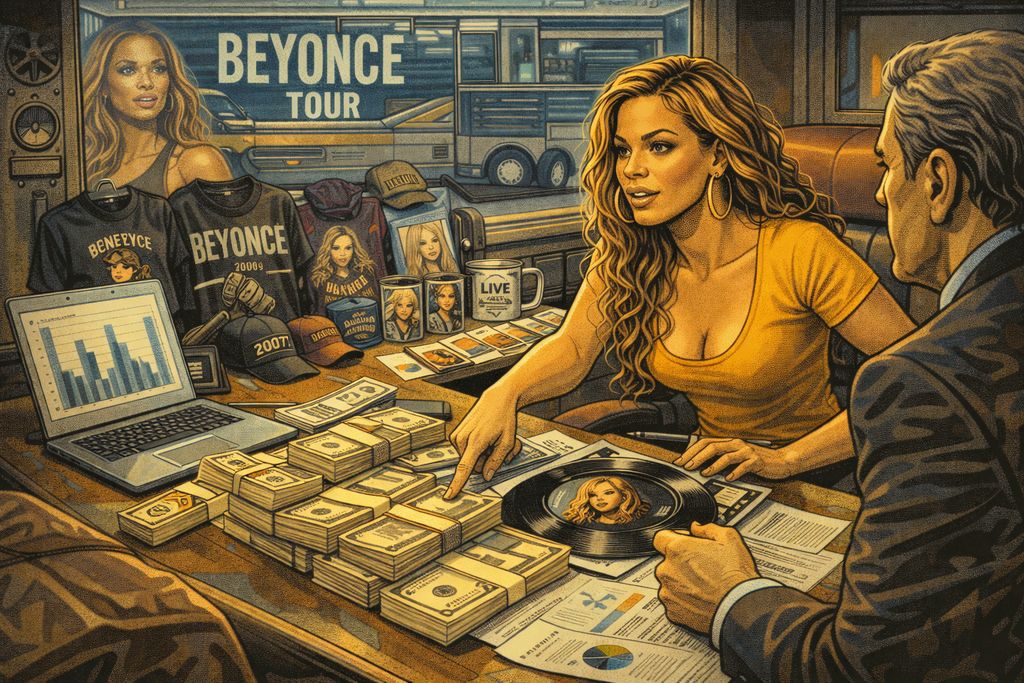
Touring, Branding and Financial Power
As recorded music revenue declined in the 2000s and 2010s, the financial center of pop shifted. Album sales no longer sustained careers at the highest level. Touring became the primary source of income. For female pop superstars, this change altered both power and pressure.
Live performance required scale. Bigger venues, longer tours, and higher production costs became standard. Success depended on physical endurance and constant availability. Touring rewarded artists who could maintain visibility while delivering consistent performances night after night.
At the same time, this shift increased leverage for those who could sell tickets reliably. Artists with proven touring power gained stronger negotiating positions with labels and promoters. Revenue flowed more directly to performers, though costs remained high. Touring transformed pop stardom into a physically demanding business model where presence equaled profit.
Few artists illustrate this shift more clearly than Beyoncé. By the 2010s, her career strategy emphasized ownership, precision, and scale. Tours such as the Formation World Tour combined music, choreography, and political narrative into tightly controlled productions.
Beyoncé’s touring model demonstrated how creative control and financial power could align. She oversaw visuals, staging, and messaging while retaining authority over distribution. Revenue from live performance reinforced independence rather than dependence.
This approach required infrastructure and discipline. Touring at this level demanded extensive rehearsal, staffing, and investment. It also demanded physical resilience. Beyoncé’s success showed that financial power in pop was no longer tied solely to radio presence. It was tied to the ability to command attention in real space, repeatedly and on one’s own terms.
As touring grew central, branding expanded alongside it. Merchandise, fashion partnerships, and endorsements became key revenue streams. For female pop stars, branding offered both opportunity and risk. It could extend artistic identity, or it could flatten it.
The most successful branding strategies aligned closely with public image. Products felt connected rather than imposed. When branding followed the artist’s narrative, audiences accepted it as part of the pop ecosystem. When it felt disconnected, backlash followed.
Brand partnerships also reinforced control. Artists who selected collaborators carefully protected their credibility. Those without leverage often accepted deals that diluted identity. Branding became another site where power dynamics played out. Financial independence depended on coherence, not visibility alone.
Touring and branding reshaped negotiation. Artists who generated consistent revenue gained freedom to make creative decisions. Financial success became leverage. Labels listened more closely. Contracts shifted incrementally.
This power remained unevenly distributed. Not every artist could tour at scale. Health, age, and market position mattered. The model favored those already established. For many women, maintaining visibility required constant output.
Still, the shift marked progress. Female pop superstars demonstrated that financial control could support creative autonomy. Touring and branding were no longer secondary. They became tools of survival and resistance.
This evolution reframed pop power. Money was not just reward. It became strategy. Those who understood this relationship gained space to define their careers more deliberately.
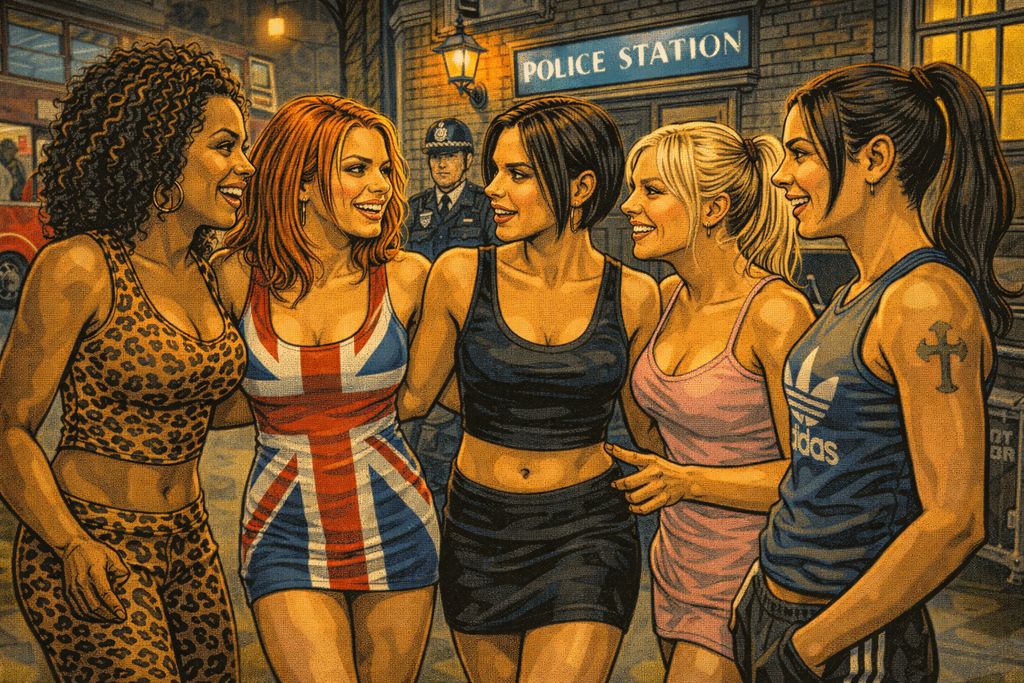
Female Pop Superstars in Groups
Pop superstardom is often told as a solo story, but some of the most influential female pop moments were created collectively. Girl groups shaped generations of listeners, defined fashion and attitude, and reached global audiences at a scale few solo artists could match. Their success showed the power of shared identity, harmony, and coordinated presence.
At the same time, group stardom came with its own pressures. Individual voices competed within a collective image. Hierarchies formed quickly, often encouraged by labels and media. Success was shared, but control rarely was. Contracts, choreography, and public narratives were designed to highlight unity while masking imbalance.
For female pop artists, groups offered opportunity and limitation at once. They created visibility, but reduced individuality. They promised sisterhood, but often operated under strict management. When groups fractured, the fallout revealed how uneven power had been all along.
Here, female pop superstardom within groups appears as a distinct form of fame. It explores how collective success amplified reach, intensified control, and shaped how women navigated pop power together.
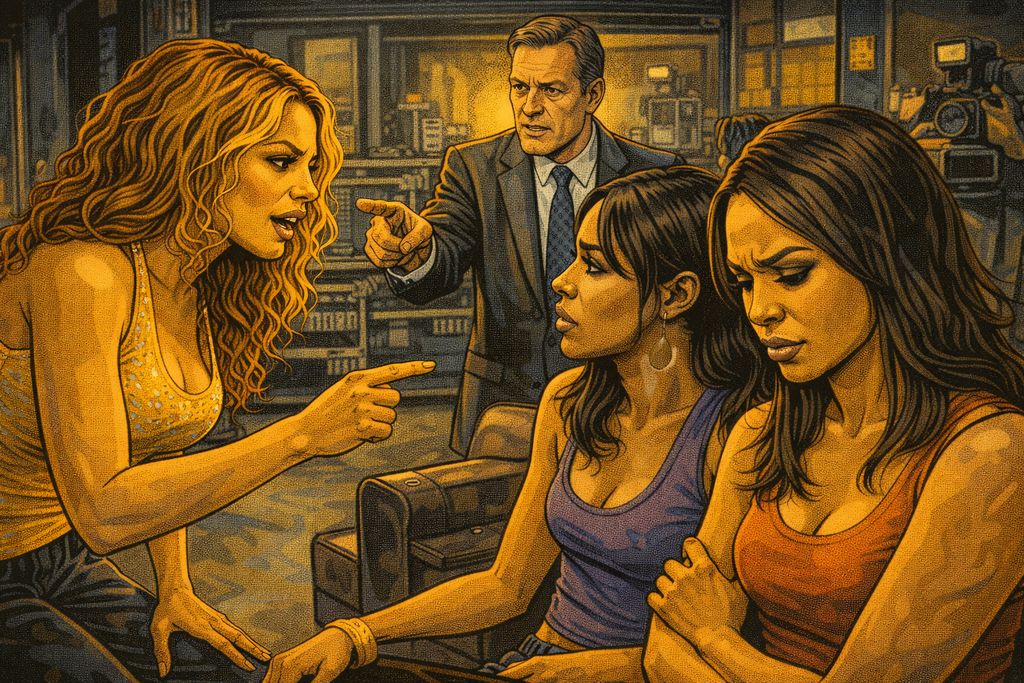
Girl Groups, Hierarchies and Industry Pressure
Girl groups have long carried a special promise in pop music. Together, voices could blend, personalities could complement each other, and audiences could find someone to identify with. For labels, groups offered flexibility. Different looks and temperaments could be packaged within a single act. For fans, they created a sense of community and belonging.
The success of the Spice Girls in the mid 1990s made this dynamic visible on a global scale. Their message of friendship and confidence reached far beyond music. Each member represented a different attitude, allowing fans to choose identification rather than idolization alone. The group’s appeal lay in variety and togetherness at the same time.
Yet even in this celebratory framing, control remained external. Songs, schedules, and images were coordinated tightly. Individual expression existed, but within a shared structure. Collective power amplified reach, but it also distributed responsibility unevenly. When something went wrong, blame rarely stopped at management. It landed on the group.
This duality defined group pop stardom. Unity created visibility, but it did not automatically create equality. The promise of collective strength often masked the reality of internal imbalance.
Behind the image of unity, hierarchies formed quickly. Labels assigned roles based on perceived market appeal. Lead vocals, visual focus, and media access were rarely equal. Some members became faces of the group, while others were positioned as support. These choices shaped public perception and internal dynamics.
In many cases, hierarchy was justified as efficiency. A clear focal point simplified promotion. Media narratives favored singular stars even within collective acts. This approach created tension. Members were expected to present solidarity while navigating unequal visibility.
The experience of Destiny’s Child highlights this reality. As the group evolved, its lineup changed, and leadership became more centralized. While the group achieved enormous success, internal shifts exposed how fragile collective structures could be under commercial pressure.
For female artists, this environment demanded emotional discipline. Expressing dissatisfaction risked being labeled difficult. Silence was often safer than honesty. The public image of sisterhood concealed a professional reality shaped by competition and control.
Group pop stardom required precision. Choreography, harmonies, and appearances demanded constant rehearsal. This discipline produced impressive performances, but it also intensified physical and mental strain. For many artists, especially in tightly managed systems, personal time was scarce.
The modern K pop model brought these dynamics into sharper focus. Groups like BLACKPINK operate within highly structured training systems. Years of preparation precede public debut. Every aspect of performance is refined. Global success follows, but so does intense scrutiny.
This level of control ensures consistency, but it limits autonomy. Decisions about image, release timing, and public behavior are often centralized. For female artists, expectations around appearance and discipline are particularly strict. Mistakes carry consequences beyond music.
The cost of precision is rarely visible to audiences. Exhaustion, injury, and emotional pressure are normalized. Group success depends on endurance. Individual needs are secondary to collective output.
When girl groups dissolve, the aftermath reveals how uneven power truly was. Some members transition smoothly into solo careers. Others struggle to redefine themselves outside the group identity. Public narratives often frame these outcomes as personal success or failure, ignoring structural differences in support and exposure.
Breakups are rarely clean. Contracts, loyalties, and media framing complicate transitions. Fans choose sides. Press coverage simplifies complex realities. The promise of sisterhood fades under scrutiny.
For those who succeed independently, group experience can offer skills and resilience. For others, it marks a peak that proves difficult to move beyond. The industry rarely provides equal pathways forward.
Despite these challenges, girl groups remain essential to pop history. They demonstrate how collective visibility can amplify female presence in popular culture. At the same time, they expose how power operates within shared structures. Group stardom magnifies success and pressure together. Understanding this balance is key to understanding female pop superstardom beyond the solo narrative.
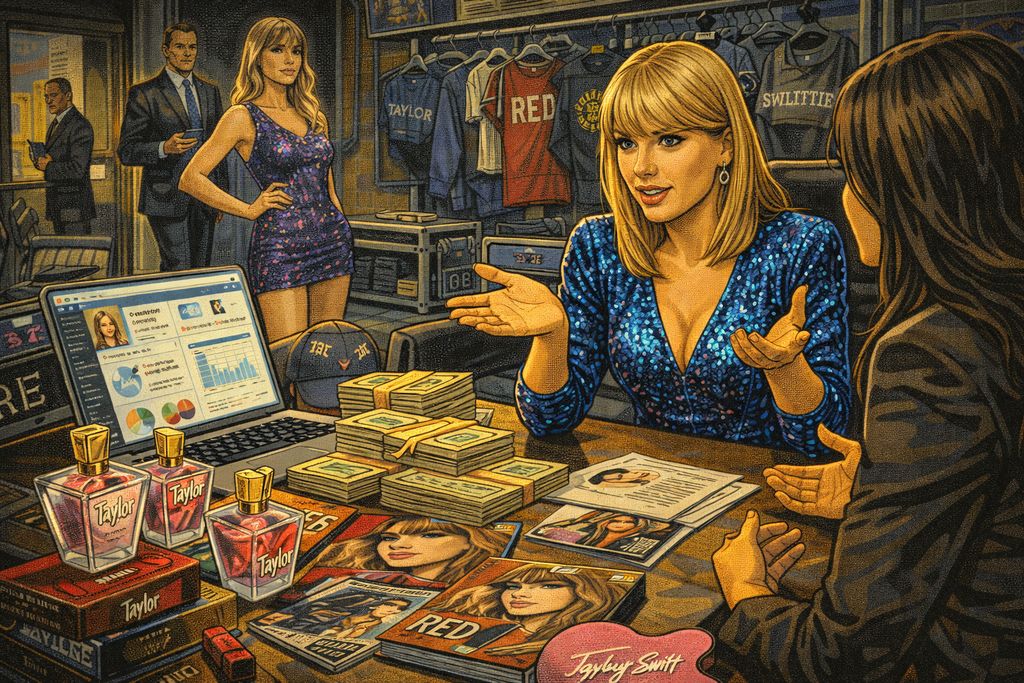
The 2010s: Pop Superstars as Total Brands
By the 2010s, pop superstardom had expanded beyond music into something broader and more complex. Albums were no longer the only center of attention. Visual identity, social media presence, touring concepts, and public narrative merged into a single ecosystem. Female pop superstars were no longer just performers. They became curators of entire worlds.
This shift increased creative possibilities. Artists could shape how their work was released, discussed, and remembered. Surprise drops, visual albums, and carefully staged public appearances allowed for tighter control over storytelling. Pop became less dependent on traditional promotion and more responsive to direct audience connection.
At the same time, this expansion intensified responsibility. Every statement, image, and silence carried meaning. Personal values were expected to align with public identity. Authenticity became a requirement rather than a choice. The boundary between artist and brand blurred.
The 2010s redefined what pop power looked like. Female pop superstars navigated visibility, business, and culture simultaneously. Their success depended not only on songs, but on the ability to manage presence in a constantly connected world.
Cultural Dominance and Multimedia Control
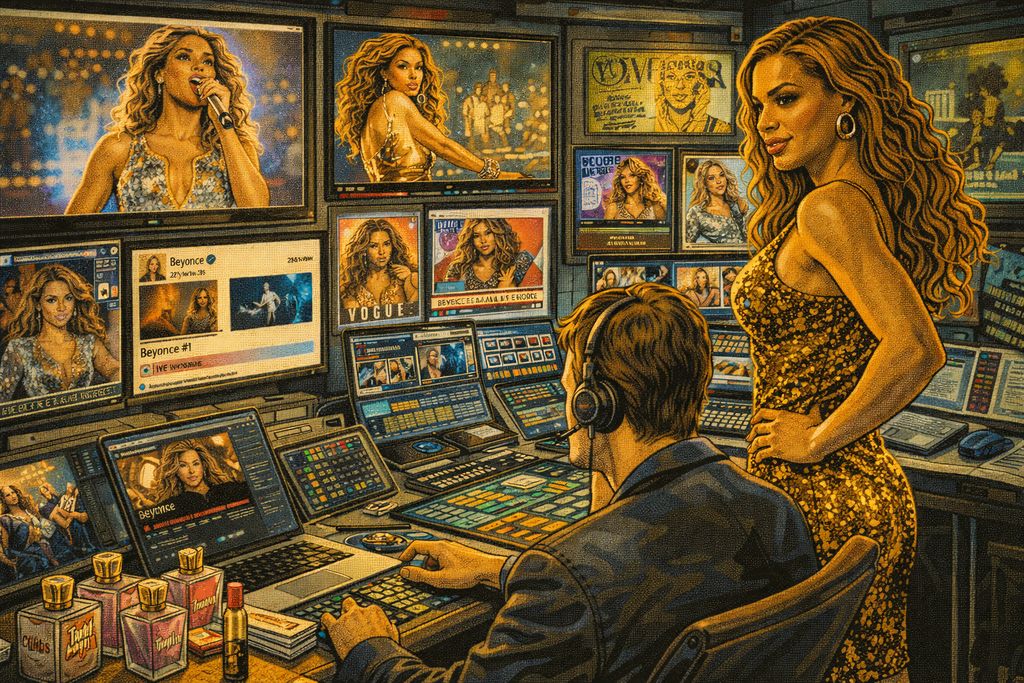
By the early 2010s, pop music was no longer consumed as isolated songs or even albums. It arrived as an experience. Visuals, timing, symbolism, and context shaped meaning as much as melody. Female pop superstars who understood this shift gained new forms of control. They no longer depended solely on radio or press cycles. They could design how and when audiences engaged.
This approach treated pop releases as events. Teasers were withheld. Imagery was revealed selectively. Silence became strategic. The goal was not constant presence, but controlled impact. When music appeared, it felt intentional rather than routine. Pop became closer to cinema than to traditional album culture.
This level of curation required infrastructure and confidence. It assumed an audience willing to wait and pay attention. It also assumed authority. Artists who attempted this without cultural weight were often ignored. Those who succeeded redefined expectations for the entire industry.
Curation shifted the balance of power. It reduced reliance on intermediaries and increased direct influence over narrative. Female pop superstars could frame their work on their own terms. This did not eliminate pressure, but it changed where it was applied. Control moved closer to the artist, even as visibility remained intense.
No artist shaped this era more clearly than Beyoncé. With the release of Beyoncé in 2013 and later Lemonade, she reframed how pop could be presented. Music arrived alongside film, imagery, and narrative structure. Songs were not promoted individually. They were part of a larger statement.
The visual album allowed Beyoncé to control context. Themes of identity, marriage, race, and power were woven into a unified work. Audiences encountered the music within a designed emotional arc. Interpretation was guided, not dictated. The work invited discussion while maintaining authority.
Importantly, this strategy reduced exposure to traditional media scrutiny. By releasing work without prior promotion, Beyoncé bypassed leaks, speculation, and premature judgment. Attention shifted from gossip to content. The artist determined the terms of engagement.
This model demonstrated that cultural dominance could protect artistic intent. Control did not come from withdrawal, but from precision. Beyoncé’s approach influenced release strategies across genres. It showed that female pop superstars could lead innovation rather than follow it, even within highly commercial frameworks.
While Beyoncé emphasized cohesion, Lady Gaga explored multiplicity. Her rise in the late 2000s and early 2010s treated pop identity as performance art. Fashion, persona, and provocation were not distractions from the music. They were part of it.
Albums like The Fame and Born This Way framed pop stardom itself as spectacle. Gaga exaggerated expectations rather than conforming to them. By doing so, she exposed how pop images are constructed. The audience was invited to see the mechanism rather than only the product.
This approach created intense visibility. Gaga’s presence was unavoidable. At times, the spectacle overshadowed the songs. Yet the strategy offered control through excess. By pushing imagery beyond comfort, she dictated the conversation. Critics and audiences responded, whether positively or negatively, on her terms.
Gaga’s work demonstrated another path to multimedia control. Instead of cohesion, she used confrontation. Instead of silence, saturation. Both approaches relied on authorship. The key was intention. Pop identity was no longer something assigned. It was something staged deliberately.
Multimedia control expanded what female pop superstardom could accomplish. It allowed artists to shape cultural conversations rather than react to them. At the same time, it increased risk. When everything becomes intentional, missteps carry greater weight. Silence can be read as statement. Ambiguity can invite backlash.
Only a few artists could sustain this level of authority. Cultural dominance required trust from audiences and institutions. It demanded consistency and clarity over time. Those who achieved it changed industry norms. Release strategies shifted. Visual storytelling became expected rather than exceptional.
This transformation did not erase inequality. Access to resources remained uneven. The burden of representation still fell disproportionately on women. Yet the gains were real. Female pop superstars demonstrated that control over image, narrative, and timing could reshape power relations within pop.
The 2010s marked a moment when pop authority became visible. Female artists were no longer only participants in pop culture. They were architects. Their ability to manage multimedia worlds redefined what it meant to lead in popular music.
Songwriting, Authorship and Power
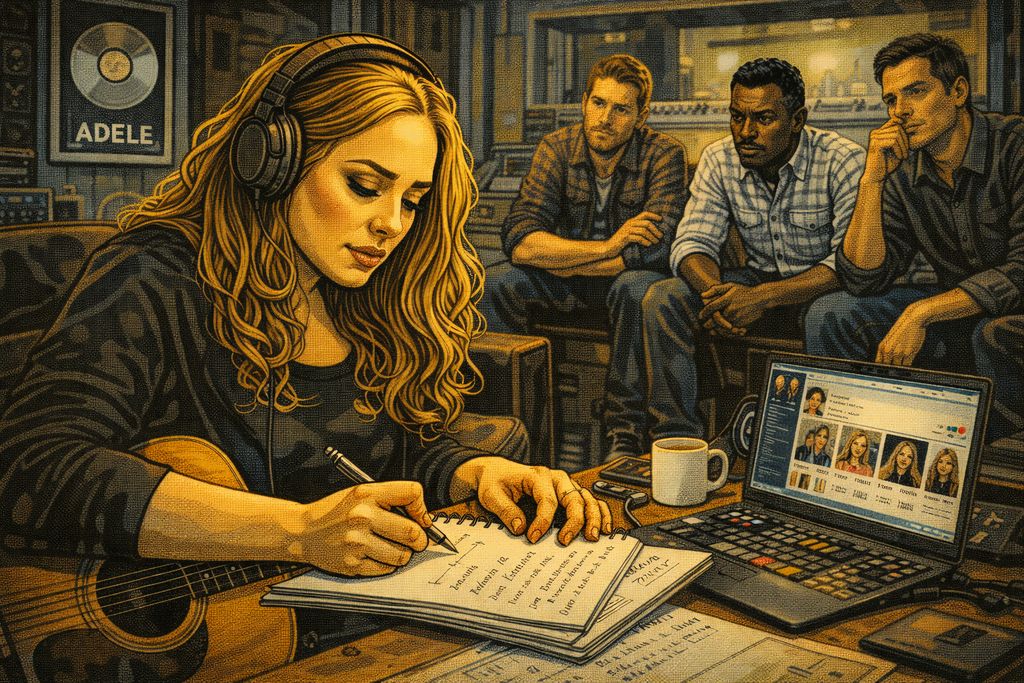
For much of pop history, female stars were framed primarily as performers. Songs arrived fully formed, written and produced elsewhere. By the 2010s, this framing began to shift more visibly. Authorship became part of public identity. Writing was no longer hidden in credits. It became a statement of legitimacy.
Audiences increasingly valued personal perspective. Lyrics were read as narrative rather than decoration. Female pop superstars who claimed authorship reshaped how success was measured. Control over words meant control over meaning. It also challenged long standing assumptions that pop required external guidance.
This shift did not happen overnight. Songwriting had always been part of pop, but it was rarely emphasized for women. When it became visible, it reframed credibility. A female pop artist could now be discussed as a creator rather than a vessel. This change influenced press coverage, fan engagement, and industry respect.
Authorship also altered vulnerability. Writing from personal experience exposed artists to interpretation and judgment. Yet it offered ownership. The story belonged to the writer. In a genre built on repetition and formula, this sense of personal voice became a form of power.
No contemporary pop career illustrates this shift more clearly than Taylor Swift. From early releases onward, songwriting stood at the center of her public identity. Stories of relationships, ambition, and self reflection became defining features rather than background detail.
As her career progressed, narrative control expanded. Albums were framed as chapters rather than collections. Listeners followed emotional arcs across years. This continuity deepened engagement. Fans were not only consuming songs. They were tracking growth.
Swift’s authorship also became a defense against dismissal. When critics questioned genre shifts or commercial choices, songwriting anchored legitimacy. The work spoke for itself. By foregrounding writing, she claimed authority over interpretation.
This approach carried risk. Personal lyrics invited scrutiny. Public curiosity blurred boundaries between art and life. Yet the consistency of voice built trust. Audiences understood that perspective, not perfection, was the point. Swift’s success demonstrated that authorship could support both intimacy and scale. It offered a model for pop power rooted in storytelling rather than spectacle alone.
Songwriting in pop is rarely solitary. Collaboration remains central. The shift of the 2010s was not toward isolation, but toward visibility. Female pop superstars increasingly received credit for shaping songs even within teams. Collaboration became a shared process rather than hidden labor.
This visibility mattered. It corrected narratives that credited male producers disproportionately. When female artists spoke openly about writing sessions, revisions, and creative disagreement, they normalized authorship as work rather than inspiration.
Collaboration also offered protection. Sharing creative space reduced isolation and allowed ideas to evolve. For artists balancing public pressure, teamwork supported sustainability. Authorship did not require total control. It required recognition.
This balance challenged old hierarchies. Producers and writers remained influential, but authority was distributed more evenly. Female pop stars gained leverage by demonstrating creative contribution. The industry responded slowly, but expectations shifted. Authorship became part of brand identity, not an optional detail.
Authorship extends beyond writing credits. It shapes ownership, memory, and legacy. Songs written by artists carry personal imprint. They remain tied to identity even when ownership is contested. This connection strengthens long term influence.
Female pop superstars who foreground authorship changed how their work is archived and remembered. Albums are discussed as statements. Lyrics are cited as cultural reference points. Writing anchors legacy.
This shift also influenced younger artists. Songwriting became a standard expectation rather than a bonus. New generations entered pop with authorship as baseline. The model evolved.
Authorship alone does not resolve inequality. Structural barriers remain. Yet it alters negotiation. A female pop star who writes holds evidence of contribution. This evidence matters in contracts, retrospectives, and history.
In the 2010s, songwriting became more than craft. It became currency. Female pop superstars used authorship to claim space, define narrative, and shape how pop culture remembers them. That change continues to ripple outward, reshaping the genre from within.

Global Pop in the Streaming Age
The rise of streaming reshaped pop music more radically than any format change before it. Distribution became instant, global, and continuous. Songs no longer waited for release days or regional rollouts. They appeared everywhere at once. For female pop superstars, this shift expanded reach while complicating control.
Streaming reduced traditional gatekeepers, but introduced new ones. Algorithms, playlists, and platform visibility began to influence success as much as radio once did. Popularity became measurable in real time. Numbers refreshed constantly. Attention shortened. Pressure intensified.
At the same time, streaming opened doors. Artists from outside traditional pop centers reached global audiences without full industry backing. Language barriers weakened. Genre boundaries softened. Female pop stars could build international followings faster than ever before.
This era changed how pop careers developed. Longevity depended less on albums and more on presence. Success required adaptability, consistency, and emotional connection across platforms. The streaming age did not remove inequality, but it shifted its shape. Understanding this new landscape is essential to understanding modern female pop superstardom.
Global Pop: Latin, Asian and Hybrid Superstars
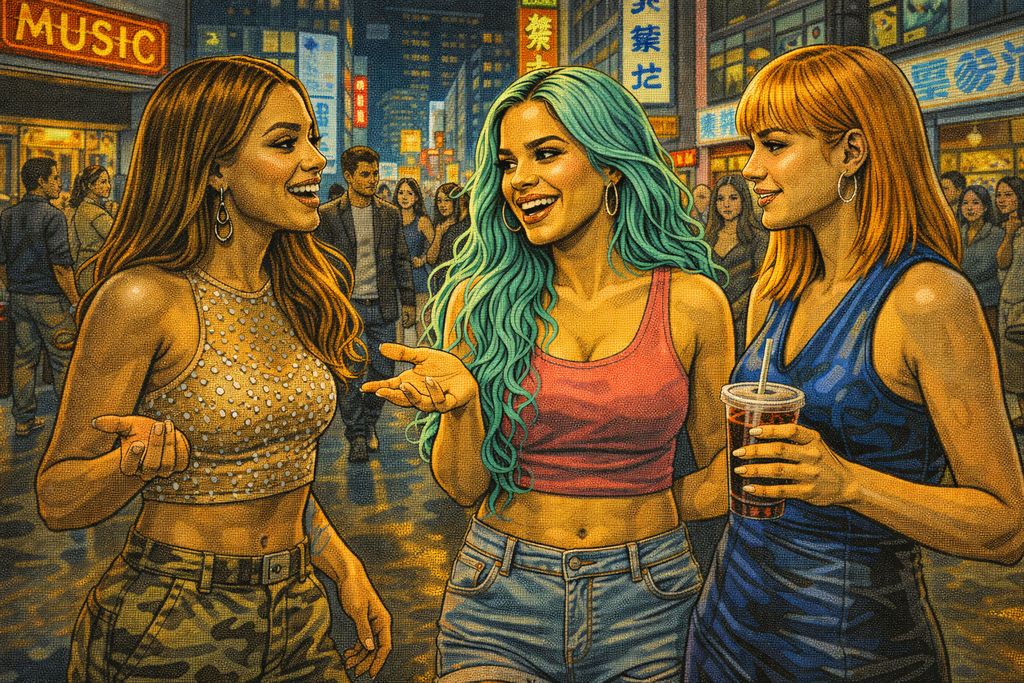
Streaming weakened the old center of pop. In earlier decades, global success usually meant approval from a small number of Western markets. In the streaming age, regional hits could grow outward rather than upward. Female pop stars built momentum at home first, then reached global audiences without fully reshaping their sound or identity.
This shift rewarded artists who already commanded strong local followings. Language became less of a barrier. Rhythm, mood, and visual identity carried meaning across borders. Fans discovered music through playlists and social platforms rather than radio schedules. Exposure happened through repetition rather than announcement.
For female pop artists, this offered new freedom. They could define success on their own terms before facing global scrutiny. Instead of being introduced as products, they arrived as established figures. This reversed the traditional order of pop stardom.
The result was a more diverse global pop landscape. Visibility expanded beyond English language dominance. Cultural specificity became a strength rather than a liability. Streaming did not remove power structures, but it created alternative pathways that favored authenticity and sustained connection over immediate mass approval.
Few careers illustrate this transition as clearly as Shakira. Long before streaming platforms dominated, she built a strong foundation in Spanish language pop. Albums like Dónde Están los Ladrones? established her as a major artist in Latin America through songwriting, distinctive vocal style, and cultural reference.
When her English language crossover gained momentum, it did not erase that foundation. Instead, it layered onto it. Shakira’s success in the 2000s anticipated the streaming era’s openness to hybridity. Movement, rhythm, and multilingual identity became central to her appeal.
In the streaming age, her catalog gained renewed relevance. Global audiences moved easily between Spanish and English tracks. Context mattered less than connection. Shakira’s career demonstrated how longevity could be built through adaptability rather than reinvention alone.
Her success also highlighted a broader shift. Female pop stars no longer needed to choose between local authenticity and global visibility. They could carry both. Streaming allowed listeners to encounter full discographies rather than curated introductions. This change favored artists whose identities were layered rather than simplified.
The streaming era also intensified debates around cultural ownership and transformation. Rosalía became a focal point of these discussions. Her work blends traditional flamenco elements with contemporary pop and electronic production. This fusion attracted global attention quickly.
Streaming platforms amplified her reach. Songs traveled far beyond their cultural origins. Audiences engaged visually as much as musically. Rosalía’s aesthetic was striking, controlled, and highly recognizable. This visibility invited both praise and criticism.
Debates around appropriation, authenticity, and evolution followed. Rather than silencing the work, these discussions became part of its context. Rosalía’s career illustrates how global pop in the streaming age often arrives with conversation attached. Visibility increases accountability.
For female pop stars, this environment demands awareness. Cultural reference is no longer neutral. It is examined closely. Yet streaming also enables dialogue. Artists can respond directly. Context can be shared rather than filtered. Rosalía’s success reflects a landscape where pop is not only consumed, but questioned in real time.
Asian pop, particularly from South Korea, became one of the most visible global forces of the streaming era. Female groups and solo artists reached audiences far beyond regional boundaries. Structured training, visual precision, and fan engagement created powerful ecosystems.
Groups like BLACKPINK illustrate this reach. Their success relied on tight integration of music, fashion, and social media. Streaming numbers reflected not only casual listening, but organized fandom activity.
For female pop stars, this model offered scale and intensity. Global fandoms provided support and visibility, but also demanded constant presence. Expectations around appearance, performance, and behavior were strict. Mistakes traveled quickly.
Asian pop’s global rise shows both opportunity and pressure. Streaming enabled expansion, but it also reinforced discipline. The model rewarded precision and endurance. For global female pop superstardom, it offered a powerful example of how reach, control, and scrutiny intersect in the modern era.

Algorithms, Playlists and Visibility
In the streaming age, discovery shifted from editors and DJs to data systems. Algorithms began to decide which songs appeared in playlists, recommendations, and autoplay queues. Visibility was no longer only about quality or promotion. It was about engagement metrics. Completion rates, skips, saves, and repeat listens shaped exposure.
For female pop superstars, this system brought opportunity and pressure. Songs could reach millions without traditional gatekeepers. At the same time, success became fragile. A track that failed to perform immediately could disappear from algorithmic circulation. Attention shortened. Patience declined.
This environment favored consistency. Regular releases kept artists present in recommendation systems. Gaps risked invisibility. Pop careers became cycles of constant output rather than long pauses between albums. While this model rewarded momentum, it also intensified workload. Creativity had to coexist with continuous availability.
Algorithms did not remove bias. They reflected listening behavior shaped by culture and platform design. Visibility still followed patterns. Understanding this system became part of modern pop literacy. Artists who learned how discovery worked gained leverage. Those who did not risked being sidelined, regardless of talent.
Dua Lipa offers a clear example of how playlist culture can support sustained success. Songs from Future Nostalgia did not rely solely on debut impact. They accumulated reach through steady placement across platforms. Tracks like “Don’t Start Now” lived long lives in curated and algorithmic playlists.
This slow build contrasted with the instant hit model. Rather than burning bright and fading quickly, the music remained present. Consistency mattered more than shock. Dua Lipa’s approach aligned well with streaming logic. Groove driven pop invited repeat listening. Longevity became strategy.
Her success illustrates how visibility can be cultivated over time. Playlist presence reinforced touring demand and brand coherence. The algorithm rewarded reliability. This model favored artists who delivered clarity and continuity rather than constant reinvention.
At the same time, this path required trust from platforms and audiences. It worked best for artists already positioned within pop infrastructure. Playlist longevity offered power, but access remained uneven. The system amplified those it already recognized.
Billie Eilish represents a different interaction with algorithmic visibility. Her early success emerged from online communities and word of mouth rather than traditional playlists alone. The sound was minimal, intimate, and intentionally restrained.
Streaming platforms amplified this difference. Algorithms responded to engagement rather than conformity. Songs circulated through recommendation loops that favored mood and atmosphere. Billie Eilish’s music fit emerging listening habits tied to privacy and emotional proximity.
Her rise demonstrated that algorithms could support deviation from pop norms. Softness, darkness, and restraint found space alongside maximalist pop. Visibility did not require imitation. It required connection.
Yet disruption brought its own pressure. Expectations shifted quickly. Every release was scrutinized for performance. Algorithms rewarded novelty, then demanded repetition. The system adapted, but it did not slow down. Billie Eilish’s career highlights how streaming can elevate difference while still enforcing pace.
Algorithmic systems changed who controls visibility, but not the fact that control exists. Gatekeeping became less visible and more abstract. Decisions were embedded in code rather than conversations. Accountability became harder to trace.
For female pop stars, this invisibility complicated advocacy. Bias could be denied as neutral data. Disparities appeared natural rather than designed. The absence of human decision makers made resistance diffuse.
At the same time, audiences gained influence. Listening behavior mattered. Fans could support artists directly through engagement. This distributed power, but also shifted responsibility. Artists became dependent on constant interaction.
The streaming age redefined visibility as a moving target. Algorithms did not replace judgment. They automated it. Female pop superstardom now requires not only artistic vision, but literacy in systems that reward attention. Understanding these mechanics is essential to surviving modern pop. Visibility remains power. The form has changed. The stakes have not.
Scandals, Double Standards and Media Judgment
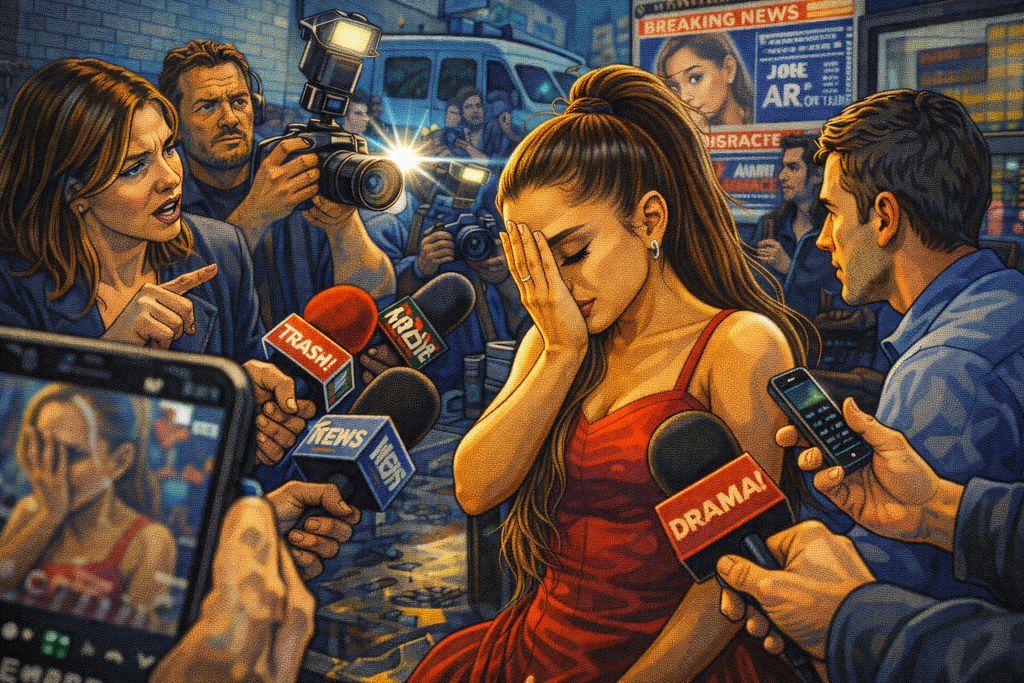
Scandal has always been part of pop culture, but it has never been distributed evenly. For female pop superstars, controversy often carries heavier consequences. Behavior that is framed as rebellious or charismatic in male artists is more quickly labeled inappropriate, unstable, or career ending when women are involved. These judgments are shaped by gendered expectations that run deep in media and audience culture.
Public reaction rarely focuses on music alone. Appearance, sexuality, age, and personal choices become central narratives. Mistakes are amplified. Apologies are demanded. Silence is interpreted as guilt. The margin for error narrows as visibility grows. Female pop stars are expected to be relatable, but never messy. Confident, but never threatening.
The discussion here examines how scandals are constructed and consumed. It looks at who is punished, who is forgiven, and why. Media framing, public morality, and cultural bias intersect to shape outcomes. Understanding these patterns reveals how power operates beyond charts and sales. Scandal is not just reaction. It is a system that reflects how pop culture judges women in public life.

Sexuality, Body Politics and Ageism
Sexuality has always been central to pop music, but for female pop superstars it functions under stricter rules. Visibility is encouraged, yet tightly policed. Desire may be suggested, but control over that desire often remains contested. When female artists claim sexual agency openly, reactions shift quickly from fascination to judgment.
This pattern repeats across decades. Women are praised for confidence until that confidence challenges comfort. What is marketed as empowerment can be reframed as excess the moment it disrupts expectations. Sexuality becomes conditional. It is acceptable only when it serves commercial fantasy rather than personal expression.
The contradiction is structural. Pop relies on desire to sell, yet resists women who define desire on their own terms. Media narratives amplify this tension. Headlines focus on clothing, choreography, and bodies more than on music. Intent is flattened into spectacle.
For female pop superstars, navigating sexuality requires constant calibration. Too restrained risks invisibility. Too open invites backlash. The space in between is narrow and unstable. Sexual expression becomes labor. It demands awareness of audience, media framing, and cultural mood. The burden of balance falls almost entirely on women, revealing how unevenly pop culture distributes freedom.
Few careers illustrate this tension as clearly as Madonna. From the beginning, she positioned sexuality as agency rather than decoration. Songs, videos, and performances challenged religious imagery, gender roles, and sexual norms. This control over sexual narrative became central to her pop identity.
The response was intense. Madonna was praised as innovative and condemned as immoral, often at the same time. What mattered was not simply content, but authorship. She refused to present sexuality as something done to her. She claimed it as expression.
Yet even Madonna encountered limits. As she aged, media tolerance narrowed. The same behaviors celebrated in earlier decades were reframed as inappropriate later. Confidence was reinterpreted as refusal to step aside. The rules shifted quietly, but decisively.
Her career exposes a core truth of pop culture. Sexual freedom for women is often time limited. It is celebrated when aligned with youth and novelty. When sustained over time, it becomes threatening. Madonna’s longevity did not eliminate this bias. It revealed it.
Body image remains one of the most persistent pressures in pop superstardom. Female artists are expected to maintain visual consistency while evolving musically. Weight, aging, and appearance changes are treated as public events rather than personal realities. Bodies become sites of commentary.
Pop culture frames discipline as virtue. Fitness routines, diets, and transformation narratives are praised. Deviations invite speculation. Control over the body is equated with professionalism. Loss of control is framed as failure.
This focus distorts perception. Artistic output is overshadowed by physical scrutiny. Interviews drift toward appearance. Success is measured visually as much as sonically. For female pop superstars, the body becomes both instrument and obstacle.
The illusion of control is powerful. Audiences assume visibility equals agency. In reality, many artists operate under intense pressure to conform. Styling, lighting, editing, and performance hide effort. The body appears effortless while demanding constant management.
This dynamic reinforces inequality. Male artists age publicly with less consequence. Women are asked to justify visibility itself. Body politics do not simply reflect taste. They enforce boundaries around who is allowed to remain central in pop culture.
Ageism shapes pop careers quietly but decisively. Youth is treated as currency. Female pop superstars are expected to peak early and fade gracefully. Longevity challenges this narrative and invites resistance.
As women age, scrutiny intensifies. Fashion choices are questioned. Relevance is debated. Success is framed as exception rather than norm. The same achievements that once signaled dominance are reframed as nostalgia.
This framing ignores reality. Many artists reach creative and professional clarity later in their careers. Experience deepens performance. Perspective sharpens songwriting. Yet pop culture struggles to accommodate women beyond prescribed timelines.
Those who remain visible do so through negotiation. Reinvention becomes necessity rather than option. Silence is read as retreat. Presence requires explanation. The burden of justification falls on women who refuse disappearance.
Ageism reveals how pop culture values novelty over continuity when it comes to female artists. It limits imagination. It narrows history. Female pop superstars who persist challenge not only industry norms, but cultural comfort. Their continued presence forces pop to confront its own bias. Visibility becomes resistance. Longevity becomes statement.
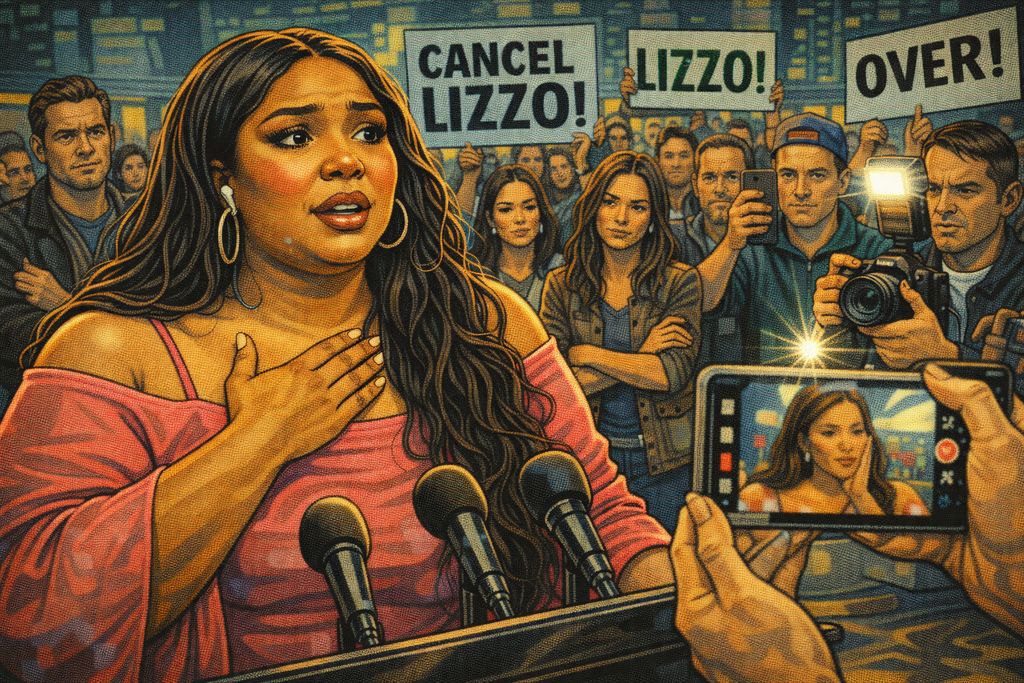
Cancel Culture, Apologies and Redemption
In the digital age, scandal no longer fades with time. Search results, screenshots, and clips preserve moments indefinitely. For female pop superstars, this permanence reshapes how mistakes are judged. A single incident can define public perception for years, regardless of context or growth.
Cancel culture operates through speed. Reactions form quickly, often before facts settle. Social media amplifies outrage and simplifies narratives. Nuance struggles to survive in viral cycles. Female artists face immediate demands for explanation, remorse, or disappearance. Silence is framed as avoidance. Speech is dissected for flaws.
This environment rewards certainty, not complexity. Apologies are expected to follow a narrow script. Deviation invites further backlash. For women, emotional tone matters as much as content. Too defensive appears arrogant. Too vulnerable appears manipulative.
The result is a constant risk calculation. Public behavior is filtered through potential reaction. Pop superstardom now includes crisis management as a permanent skill. Understanding how cancellation works is essential to understanding modern pop power. It reveals how quickly admiration can shift into punishment.
Apologies in pop culture have become public rituals. Statements are released, often drafted by teams rather than artists themselves. Language is scrutinized closely. Words like “if” or “but” can reignite controversy. The goal is not always resolution, but containment.
For female pop superstars, apology carries gendered expectations. Remorse must appear sincere, calm, and controlled. Anger is discouraged. Explanation risks being framed as excuse. The acceptable emotional range is narrow.
This performance creates pressure. Artists are asked to demonstrate growth instantly. Forgiveness is not guaranteed. Even successful apologies may not restore trust. The process prioritizes optics over repair.
In some cases, apology becomes currency. It allows public conversation to move forward without addressing underlying harm or systemic issues. Responsibility is individualized. Structures remain intact.
Understanding apology as performance does not deny accountability. It clarifies how public morality operates. Female pop stars navigate a landscape where words are weighed as heavily as actions. The apology becomes part of the brand whether the artist wants it or not.
Redemption in pop culture is uneven. Some artists recover quickly. Others remain marked indefinitely. Factors include fame level, industry support, and audience alignment. Gender plays a significant role.
Female pop superstars often face stricter standards for redemption. Mistakes tied to sexuality, emotion, or personal life linger longer. Professional errors are reframed as character flaws. Growth is questioned. Return is framed as intrusion rather than continuation.
Media narratives reinforce this imbalance. Comebacks are labeled risky or desperate. Success is framed as surprise. The same persistence praised in male artists is framed as refusal to accept consequences in women.
An illustrative case is Janet Jackson following the 2004 Super Bowl halftime show. Despite shared responsibility, consequences fell disproportionately on her career. Redemption was slow and incomplete, shaped by media framing rather than artistic merit.
These patterns reveal that redemption is less about behavior and more about power. It depends on who controls narrative and who benefits from return. For female pop superstars, the path back is rarely smooth or guaranteed.
In many cases, redemption never fully arrives. Judgment becomes background noise. Female pop superstars learn to operate under permanent scrutiny. Careers continue, but with added caution.
This reality shapes artistic choices. Themes may soften. Public presence may narrow. Risk is calculated more carefully. Some artists withdraw partially. Others confront judgment openly. Neither path offers full relief.
Living with ongoing judgment requires resilience. It demands boundaries and perspective. For audiences, it raises questions about responsibility and empathy. Consumption without reflection contributes to harm.
Cancel culture reflects broader cultural tension. Accountability matters. So does proportion. Female pop superstardom exists within this unresolved space. Visibility offers voice, but also exposure. Redemption remains conditional.
What becomes clear is that scandal is not just momentary reaction. It is an ongoing system that shapes careers long after headlines fade. For female pop superstars, survival often means learning how to exist alongside judgment rather than expecting it to disappear.
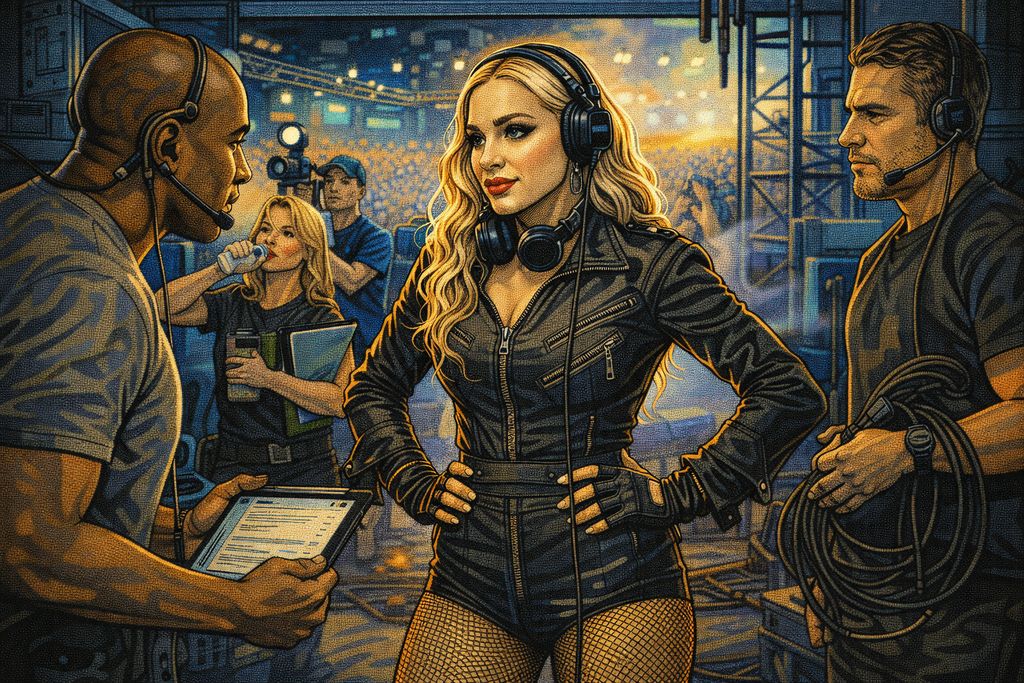
Aging, Survival and Reinvention
Aging in pop music is rarely discussed openly, yet it shapes careers more than almost any other factor. For female pop superstars, time is treated as both enemy and test. Youth is framed as currency. Visibility is expected to decline. Reinvention becomes obligation rather than choice.
As years pass, the rules shift quietly. The same confidence once praised can be questioned. Familiarity turns into expectation. Success is reframed as legacy rather than presence. Female artists are asked to justify why they are still here, even as their work continues to connect with audiences.
Survival in this environment requires strategy. Some artists reinvent sound and image. Others lean into consistency and craft. Many balance both. Reinvention is not always about novelty. Often it is about refusing disappearance.
Here, the focus shifts to how female pop superstars navigate time. It looks at longevity not as accident, but as labor. Aging reveals which structures support growth and which resist it. To remain visible is not simply to endure. It is to challenge pop culture’s narrow imagination of who belongs at the center.
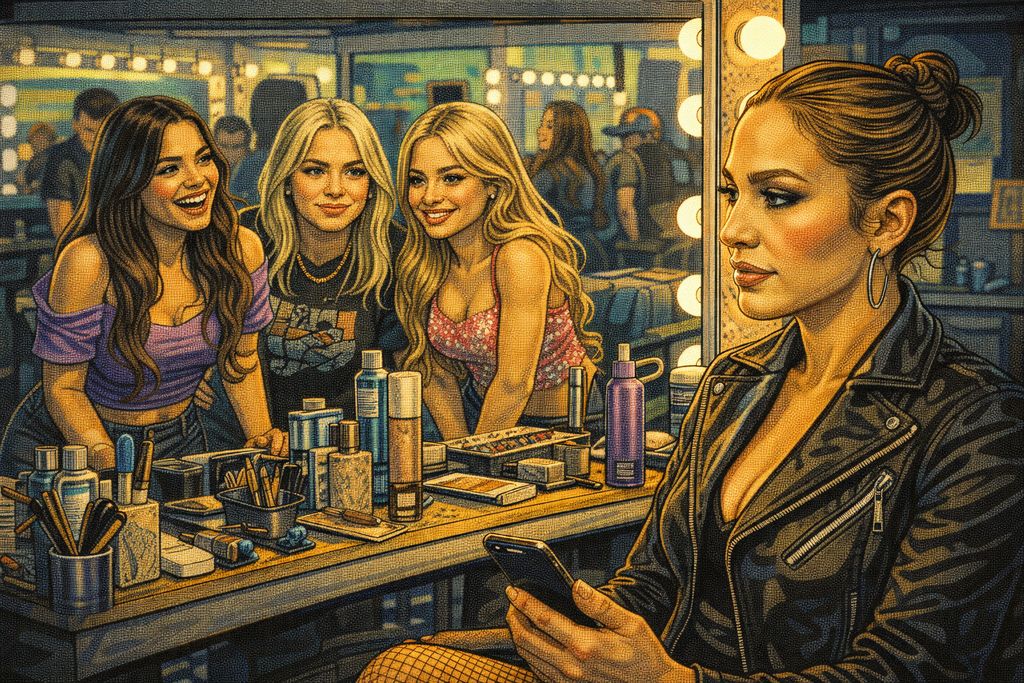
Longevity in a Youth Obsessed Industry
In pop music, success is rarely treated as permanent. For female pop superstars, even sustained popularity does not guarantee continued legitimacy. As careers extend beyond their initial peak, expectations change. Achievements that once signaled dominance are reframed as reminders of the past. Charts become benchmarks of relevance rather than measures of connection.
This shift exposes a contradiction. Pop culture celebrates timeless hits but resists aging bodies. Audiences return to familiar songs, yet question the presence of the artists who created them. For women, this tension is sharper. Longevity is admired abstractly but challenged in practice.
Media narratives play a key role. Coverage begins to emphasize age rather than work. New releases are compared to earlier successes rather than evaluated on their own terms. Interviews revisit legacy instead of intention. The present is overshadowed by history.
This framing creates pressure. Female pop superstars must constantly reassert relevance. Standing still is interpreted as decline. Growth risks being labeled reinvention for survival. There is little space for simple continuation.
Understanding longevity requires acknowledging this imbalance. Remaining visible is not passive. It involves resisting narratives that equate age with expiration. For female pop stars, the challenge is not only to keep working, but to keep being taken seriously while doing so.
Few careers illustrate the complexity of longevity more clearly than Madonna. From the beginning, reinvention defined her approach to pop. Each era arrived with a new aesthetic and sound. This strategy kept her central for decades.
As time passed, reactions shifted. Reinvention was no longer framed as innovation but as refusal to step aside. Confidence became provocation. Sexual expression that once challenged norms was recast as inappropriate. The standards changed without announcement.
Madonna’s experience reveals how pop culture treats aging women differently. Longevity invites scrutiny rather than respect. The same visibility that built her influence now attracts criticism unrelated to music. Commentary often focuses on appearance rather than output.
Yet her persistence also exposes the fragility of these judgments. Madonna continues to draw audiences, release music, and shape conversation. Her presence challenges the idea that pop belongs to one generation at a time. By refusing retreat, she forces pop culture to confront its discomfort with female endurance.
Longevity here is not quiet. It is confrontational. Madonna’s career shows that staying visible can itself be a statement. It demands space where none is willingly offered.
A different model of longevity appears in the career of Kylie Minogue. Rather than dramatic reinvention, her approach emphasizes continuity and refinement. Success is built through steady presence rather than constant disruption.
Kylie Minogue’s work adapts without abandoning core identity. Dance pop remains central. Visuals evolve, but familiarity remains. This balance allows her to age within pop rather than against it. Audiences grow alongside her rather than replacing her.
Media treatment reflects this difference. Minogue is often framed as enduring rather than defiant. Her longevity is described as elegant. This contrast reveals how tone shapes perception. Aging is more acceptable when it aligns with expectations of grace and restraint.
Yet this path also requires discipline. Sustaining relevance without spectacle demands careful choices. Overexposure risks fatigue. Withdrawal risks invisibility. Minogue’s career demonstrates that longevity can be cultivated through moderation and consistency.
Her success shows that there is no single way to survive in pop. Continuity can be as powerful as reinvention. Both require awareness of cultural limits and careful negotiation with them.
Longevity in pop is not only about sound or image. It is about pacing. Female pop superstars who endure often learn when to retreat and when to return. Rest becomes strategy rather than weakness. Silence gains meaning.
This approach resists the industry’s demand for constant output. It recognizes that visibility without pause leads to exhaustion. Reinvention, in this context, is not always dramatic. Sometimes it is subtle. A shift in collaboration. A change in tempo. A different narrative focus.
Resistance also takes quieter forms. Choosing not to respond to every trend. Declining opportunities that dilute identity. Trusting established audiences rather than chasing new ones relentlessly.
Longevity exposes the limits of pop culture’s imagination. It reveals how narrowly success is defined. Female pop superstars who persist expand those definitions by example. They show that relevance can be sustained, reshaped, or reinterpreted.
Survival in a youth obsessed industry is not accidental. It is deliberate work. It requires self knowledge, boundary setting, and resilience. Longevity becomes a form of authorship. By staying present on their own terms, female pop superstars redefine what pop careers can look like over time.
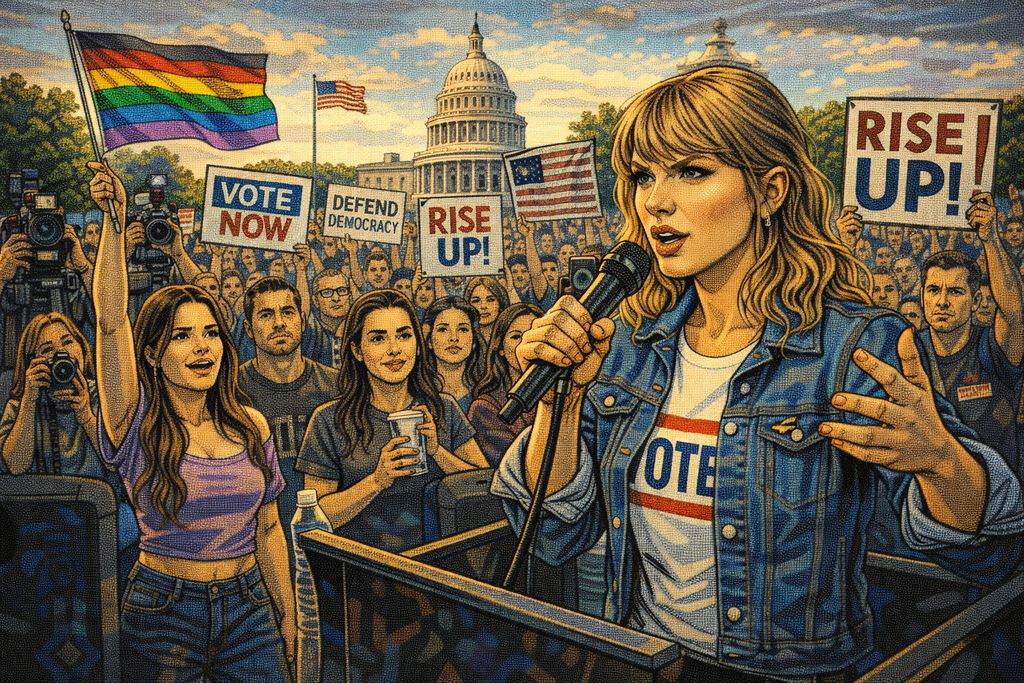
When Pop Becomes Political
Pop music has always reflected its time, but in recent decades the line between pop and politics has grown thinner. Female pop superstars are increasingly expected to speak, signal, and take positions on social and political issues. Silence can be read as complicity. Speech can trigger backlash. Visibility turns opinion into responsibility.
This expectation does not apply evenly. When women in pop address politics, reactions are often more intense and more personal. Statements are judged not only on content, but on tone, timing, and perceived authenticity. Activism is welcomed when it aligns with audience values and questioned when it disrupts comfort.
For some artists, political engagement grows organically from personal experience. For others, it emerges through cultural pressure. In both cases, the risk is real. Endorsements can alienate fans. Silence can erode trust. Every choice carries consequence.
Here, the focus is on how female pop superstars navigate public voice. It looks at the costs and limits of speaking out, and how political visibility reshapes pop power in an era where culture and politics are increasingly intertwined.
Activism, Backlash and Risk
When female pop superstars speak publicly about political or social issues, visibility increases instantly. Statements travel faster than music releases. Context collapses into headlines and clips. What begins as expression often becomes provocation, regardless of intent.
For women in pop, speaking out carries layered risk. Messages are scrutinized for consistency, knowledge, and tone. Audiences expect clarity, yet punish certainty. Ambiguity invites accusation. Certainty invites backlash. The space between becomes narrow.
Unlike activists whose work is political by design, pop artists are expected to entertain first. Political speech disrupts this expectation. Fans who feel challenged may disengage. Media narratives often frame statements as strategy rather than belief. Motivation is questioned before content is addressed.
This exposure reshapes public identity. Once an artist is associated with a cause, future silence is read as retreat. Every action becomes reference. The decision to speak is rarely isolated. It creates an ongoing relationship with public expectation.
For female pop superstars, activism is not a side project. It becomes part of the brand whether they intend it or not. The risk is not only backlash. It is permanence. Once political voice is claimed, it cannot be fully withdrawn without consequence.
Few artists illustrate the complexity of political visibility more clearly than Beyoncé. Her work in the 2010s increasingly engaged with themes of race, identity, and power. Performances, visuals, and lyrics carried political resonance even when statements were indirect.
This approach amplified impact. It also intensified scrutiny. Beyoncé’s visibility meant that symbolism was read as statement. Silence was interpreted as positioning. The burden of representation expanded beyond intention.
Importantly, her political presence did not rely on frequent commentary. It operated through curation. Imagery, performance context, and release timing carried meaning. This strategy offered a degree of control. Yet it also meant that interpretation rested heavily with audiences and media.
Backlash followed visibility. Accusations of divisiveness and opportunism appeared alongside praise. The same actions were read as empowerment by some and provocation by others. The response revealed how political pop operates. Meaning is not owned by the artist alone.
Beyoncé’s experience shows how scale amplifies risk. The larger the platform, the heavier the symbolic load. Political engagement becomes less about personal belief and more about cultural expectation. Visibility transforms voice into symbol, whether invited or not.
For some female pop superstars, political voice arrives later. Taylor Swift spent much of her early career avoiding public political alignment. This silence was often interpreted as neutrality or calculation. When she eventually spoke out, reaction was immediate.
Her public statements reframed expectations. Fans who had assumed alignment felt affirmed or alienated. Media coverage questioned timing and motive. Entry into political conversation became its own controversy.
This response highlights a paradox. Silence is criticized as avoidance. Speech is criticized as opportunism. There is no neutral position. For women in pop, the first political statement carries disproportionate weight. It defines narrative rather than contributing to it.
Swift’s experience shows how late entry does not reduce risk. It concentrates it. Once political voice is established, expectations shift permanently. Future silence becomes notable. Engagement becomes assumed.
The cost of entry is not only backlash. It is obligation. Political voice demands continuity. For female pop superstars, speaking out creates a new axis of evaluation that exists alongside music. This axis rarely fades.
Political engagement in pop is never purely voluntary. Cultural pressure, fan expectation, and media framing all influence choice. Some artists speak because silence feels untenable. Others speak because belief outweighs risk. In both cases, consequence follows.
Backlash can take many forms. Boycotts. Online harassment. Loss of audience segments. Yet silence also carries cost. Inaction may erode trust or relevance. Female pop superstars operate within this double bind.
The decision to speak is therefore strategic as well as ethical. Artists weigh timing, language, and platform. Some choose symbolism over statements. Others choose direct address. No approach guarantees safety.
What matters is recognition of risk. Political voice in pop is not free. It reshapes career trajectory. It influences how work is heard and remembered. For women, the margin for error remains narrow.
The aim here is not to argue for or against political engagement. It clarifies its stakes. Female pop superstars who choose voice accept exposure. They enter a space where art, identity, and public life converge. In that space, power and vulnerability exist together. Speaking out becomes an act of presence, not protection.
Legacy: What Female Pop Superstars Leave Behind
Legacy in pop music is often discussed after careers slow down, but its foundations are laid much earlier. For female pop superstars, legacy is shaped not only by hits, but by the space they create for others. Their influence lives in sound, image, industry practice, and expectation. It survives beyond charts.
Pop legacies are rarely neutral. They are filtered through memory, media framing, and cultural bias. Women are remembered for moments as much as for bodies of work. Success is summarized. Complexity is reduced. Yet beneath these simplifications, impact persists.
Female pop superstars change how audiences listen and how industries operate. They normalize authorship. They challenge control. They expand who can be visible and for how long. Their work becomes reference rather than trend.
Here, legacy is treated as living influence rather than a closed chapter. It examines how female pop superstars shape new generations, redefine standards, and remain present through music that continues to circulate. Legacy here is not about nostalgia. It is about continuity. It is about what remains active long after the spotlight shifts.
Influence on New Generations
Every generation of female pop artists enters a landscape shaped by those who came before. Visibility that feels normal today was once contested. Chart dominance, creative authorship, and public voice did not arrive by default. They were negotiated through decades of resistance, success, and failure.
Younger artists benefit from widened expectations. Writing credits are assumed. Visual control is expected. Speaking openly about pressure or identity is no longer exceptional. These shifts did not happen organically. They were built through example. Female pop superstars made presence possible by insisting on it.
Influence works quietly. It shapes contracts, media questions, and audience assumptions. New artists are asked what they want to say, not only how they want to look. This change reflects accumulated impact rather than isolated moments.
Legacy here is structural. It exists in permission. Younger artists begin their careers with options that were previously unavailable. That expansion does not remove pressure, but it alters starting points. Influence becomes the invisible framework within which new voices emerge.
For many contemporary pop artists, Taylor Swift functions as a reference rather than a template. Her career demonstrates how authorship, ownership, and narrative control can coexist with mainstream success. This visibility changes expectation.
New artists cite songwriting transparency and long form storytelling as inspiration. The idea that pop albums can function as chapters rather than collections has entered common practice. Fans engage with lyrics as narrative rather than decoration.
Swift’s influence is not about imitation. It is about proof. She shows that creative control can scale. That emotional specificity can travel globally. That business decisions can be part of public conversation.
This reference point matters because it normalizes ambition. Young female pop artists no longer have to justify wanting control. They point to precedent. Influence becomes shield as much as guide. It legitimizes desire for longevity rather than momentary impact.
Another form of influence appears through continuity rather than narrative intensity. Dua Lipa represents a generation shaped by digital listening habits. Her work emphasizes coherence, tone, and groove over constant reinvention.
This approach resonates with younger artists navigating streaming culture. Longevity is built through consistency. Identity remains stable while production evolves. This model contrasts with earlier eras that demanded dramatic transformation.
Dua Lipa’s influence lies in demonstrating that pop does not require perpetual shock. It can reward clarity. Songs can live long lives through repeat listening rather than explosive debuts.
For emerging artists, this suggests sustainability. Success does not have to burn fast. It can accumulate. Influence here is practical. It offers a blueprint for surviving algorithmic environments without losing identity. Continuity becomes strategy rather than stagnation.
Influence also emerges through disruption. Billie Eilish opened space for restraint, softness, and emotional proximity within mainstream pop. Her success challenged assumptions about volume, glamour, and performance.
This impact reaches beyond sound. It alters how difference is received. Younger artists experiment more freely with mood, aesthetics, and pacing. Quiet no longer signals weakness. Minimalism no longer implies niche.
Billie Eilish’s influence demonstrates how pop boundaries expand. What once required justification now requires only connection. This shift broadens the emotional range of pop. It invites intimacy alongside spectacle.
Influence here is cultural permission. It tells new artists that deviation is viable. That personal sensibility can scale. That pop can hold contradiction. Female pop superstars who disrupt norms make space not only for successors, but for variety. Legacy becomes possibility.
Pop as Shared Cultural Memory
Pop songs rarely belong to one person alone. They attach themselves to moments shared by many. A chorus heard at a party. A song playing during a first drive alone. A melody tied to a year, a place, or a feeling that returns unexpectedly. Female pop superstars contribute disproportionately to this collective memory.
Their voices often carry emotional clarity. Love, loss, confidence, and doubt are expressed in language that travels easily. These songs become reference points. People may forget charts or release dates, but they remember where they were when a song mattered.
This shared memory gives pop its durability. Even when trends move on, songs remain active in personal and cultural recall. Female pop superstars shape these memories by providing soundtracks to everyday life. Their influence lives not only in innovation, but in repetition. The act of hearing again keeps legacy alive.
Familiar voices age differently than unfamiliar ones. When audiences grow up with an artist, listening becomes relational. New releases are heard alongside older material. The past and present coexist.
Female pop superstars benefit from this continuity, but it also shapes expectation. Listeners compare rather than encounter. Nostalgia enters the conversation. Yet this familiarity creates resilience. Songs do not disappear when trends shift. They circulate through radio, playlists, film, and personal memory.
This circulation reinforces presence. Even during periods of silence, familiar voices remain audible. They appear in background spaces and emotional recall. This persistence strengthens legacy without requiring constant output.
Longevity here is not about domination. It is about integration. Female pop superstars become part of cultural infrastructure. Their music moves freely across generations. Memory sustains relevance even when visibility fluctuates.
Pop culture often underestimates emotional memory. Songs hold access to feelings that are difficult to articulate otherwise. Female pop superstars frequently provide that access. Their work becomes shorthand for complex inner states.
This emotional function matters. It allows music to travel beyond fandom. Songs appear at weddings, funerals, public events, and private rituals. They become tools for connection rather than objects of admiration alone.
Female pop voices often carry intimacy that invites identification. Listeners hear themselves reflected rather than instructed. This emotional availability strengthens cultural memory. Songs remain useful long after their original context fades.
Memory here is active. It is not archival. Each listen renews meaning. Female pop superstars contribute to this cycle by creating music that remains emotionally legible. Their legacy is not only remembered. It is re experienced.
Cultural memory keeps pop alive beyond career arcs. It resists linear narratives of rise and fall. Female pop superstars persist because their work continues to circulate meaningfully.
This persistence challenges how success is measured. Legacy is not only awards or influence lists. It is presence in daily life. It is recognition without effort. It is songs that return unannounced and still feel relevant.
Memory also redistributes power. Artists who may no longer dominate headlines retain cultural weight. Their music remains active currency. This continuity resists erasure.
Female pop superstars shape memory by creating work that integrates into lived experience. Their songs become markers of time and feeling. Legacy here is not static. It moves, adapts, and remains available. Pop memory keeps female voices audible long after the spotlight shifts.
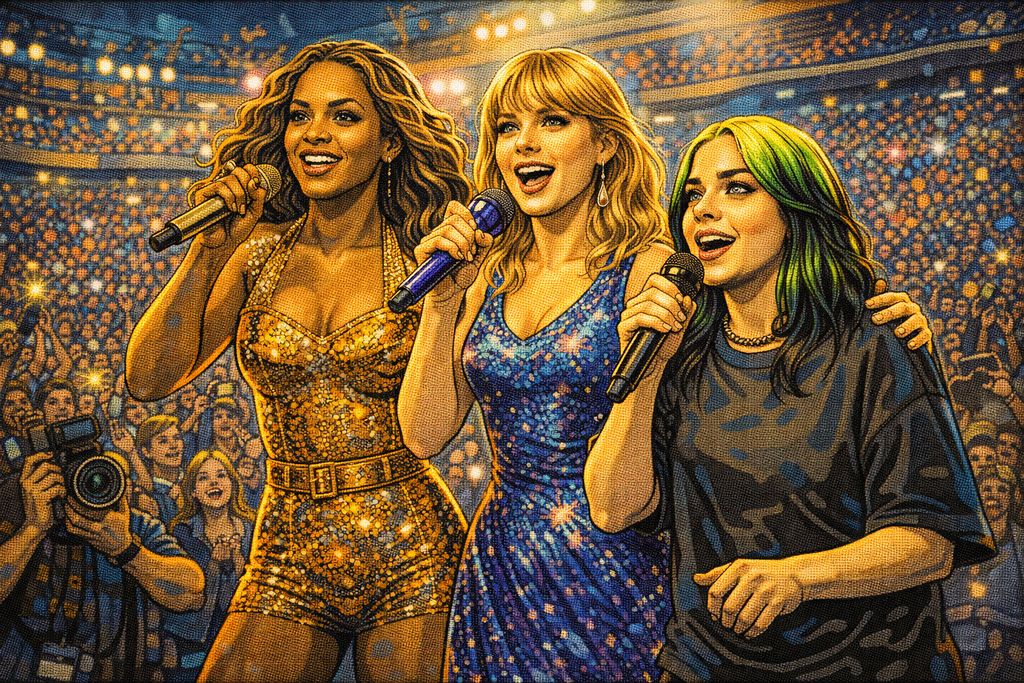
Conclusion – Power, Visibility and the Female Voice in Pop
Female pop superstardom has never been a simple story of talent meeting opportunity. It is a story shaped by visibility, control, and resistance. Across decades, female pop superstars have carried the weight of expectation more heavily than their male counterparts. They have been asked to be accessible, flawless, adaptable, and endlessly present. Their success has often been celebrated while their autonomy remained contested.
What this history reveals is not only inequality, but persistence. Female pop superstars learned to work within systems that rarely favored them. They negotiated contracts, images, narratives, and bodies under constant scrutiny. When control was denied, they found leverage through reinvention, authorship, touring, and direct connection with audiences. Pop did not grant power easily. Power was claimed gradually, sometimes quietly, sometimes publicly.
The genre itself changed as a result. Pop expanded emotionally, visually, and structurally. Female artists normalized songwriting transparency, multimedia storytelling, and public voice. They challenged who could remain visible, how long, and on what terms. Their influence reshaped industry practice and audience expectation. What once required justification became standard.
Yet progress remains uneven. Structural imbalance persists. Visibility still carries cost. Ageism, body politics, and moral judgment continue to shape careers. The margin for error remains narrower for women. Pop culture continues to reward novelty while resisting endurance. These tensions did not disappear. They evolved.
What endures is the cultural role of female pop superstars. Their music continues to circulate, connect, and resonate. Songs become shared memory. Voices become familiar companions. Influence persists beyond trends and cycles. Legacy is not only measured in records sold or eras defined. It lives in presence.
Female pop superstardom matters because it reveals how culture assigns value, power, and permission. It shows how art and identity intersect under pressure. It demonstrates how women have expanded space in one of the most visible industries in the world.
Pop will continue to change. Platforms will shift. Sounds will evolve. What remains constant is the central role of female voices in shaping popular culture. They do not simply reflect their time. They define it.