Why Female Voices Matter
When we talk about music history, we often talk about movements, genres, or scenes. Yet again and again, it is the human voice that carries those changes into the world. Female voices in particular have shaped how emotion, vulnerability, power, and identity are heard in popular music. The point here is not trends or marketing cycles. It is about voices that changed how music feels.
For much of the twentieth century, female vocalists faced barriers that had little to do with talent. They were judged by age, appearance, behavior, and perceived marketability long before their artistic value was taken seriously. Many were praised while young, dismissed when older, or controlled by managers, labels, and media narratives. Still, their voices endured.
A female vocal icon is not defined by genre alone. What matters is recognizability, emotional authority, and cultural impact. A few seconds are often enough to know who is singing. That instant recognition is rare, and it is never accidental.
What follows looks at female vocal icons across decades and continents. It focuses on what made their voices distinctive, how they worked within or against their circumstances, and why their influence still resonates today. Every example is grounded in documented history, recorded performances, and verifiable impact.
The Birth of the Female Vocal Icon (1900s–1940s)
Early Recording Technology and Female Voices
The earliest decades of recorded music shaped which voices could be heard and remembered. At the beginning of the twentieth century, recording was a mechanical process. Singers performed directly into large horns that captured sound vibrations and transferred them onto wax or shellac discs. There were no microphones, no mixing desks, and no possibility to correct mistakes. A voice either carried through the horn or it disappeared.
This technical limitation favored certain vocal qualities. Clear projection, strong mid-range presence, and controlled volume mattered more than subtlety. Many female singers who succeeded in early recording had voices that could cut through surface noise and limited frequency range. Soft, breathy, or highly nuanced performances often failed to register properly. As a result, recording technology did not simply document voices. It filtered them.
Live performance had already trained many women to adapt. Vaudeville stages, theaters, and early radio demanded stamina and precision. Female singers learned how to place their voices, how to sustain long phrases, and how to deliver emotion without losing clarity. Those skills translated directly into early studios, even if the environment was physically uncomfortable and artistically rigid.
Radio changed the situation slowly. With the spread of electrical recording in the late 1920s, microphones allowed more intimate vocal styles. Subtle phrasing, quieter dynamics, and emotional shading became audible. This shift opened the door for a broader range of female vocal expression. Singers no longer had to overpower the room. They could draw listeners closer instead.
Still, access remained uneven. Recording sessions were expensive, and contracts were controlled almost exclusively by men. Many female vocalists, especially women of color, were recorded under restrictive terms or marketed into narrow categories. Their voices were preserved, but often without fair compensation or artistic control.
Technology shaped memory. The voices that survived on record were not always the most innovative or influential in their local scenes. They were the ones that fit the medium and the industry’s expectations. Understanding this context is essential. Early female vocal icons did not simply emerge because they were exceptional. They emerged because their voices could navigate technical limits while still conveying personality, emotion, and authority.
This foundation explains why early female vocal icons often sound powerful, direct, and unmistakable. Their style was not only an artistic choice. It was also a response to the physical reality of early recording itself.
First International Female Vocal Icons
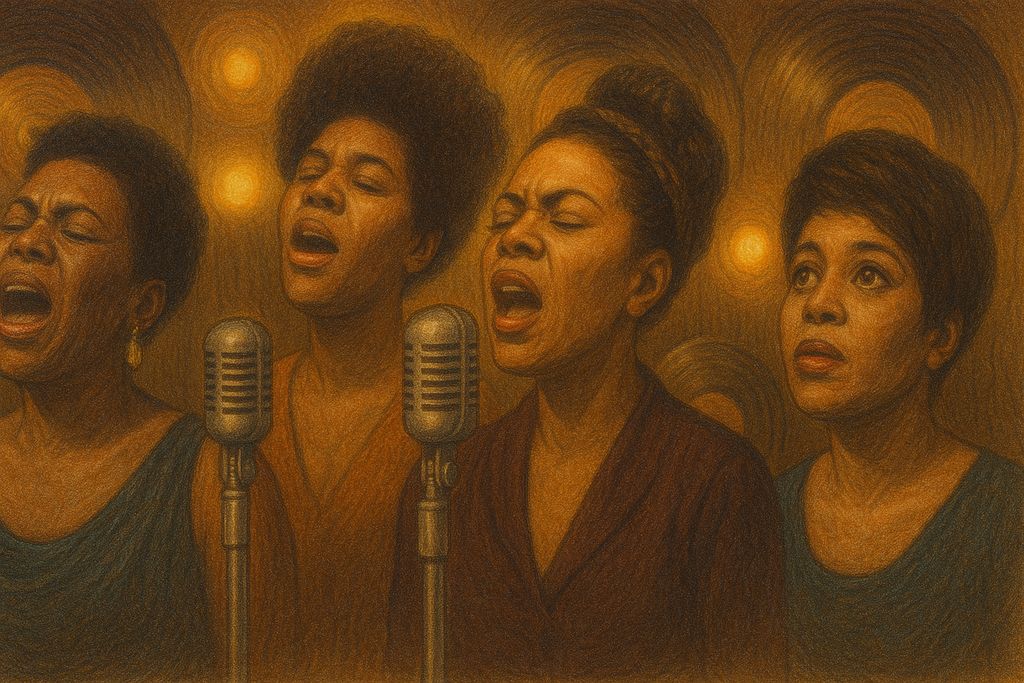
The first female vocal icons to achieve international recognition did so under difficult and often unfair conditions. Their recordings crossed borders, but their lives rarely benefited in equal measure. What set these singers apart was not only vocal strength, but an ability to communicate emotion within strict musical and social boundaries. Their voices carried personal experience into a medium that was still learning how to preserve it.
One of the earliest and most influential examples is Bessie Smith. Known as the “Empress of the Blues,” Smith possessed a powerful contralto voice with exceptional projection and emotional weight. Her recordings in the 1920s, including songs like Downhearted Blues, reached audiences far beyond the United States. What made Smith iconic was her authority. She sang with confidence, phrasing lines as statements rather than confessions. Her voice reflected lived experience, addressing themes of love, loss, independence, and hardship with directness that was rare for the time. Despite commercial success, she faced systemic racism, exploitative contracts, and limited artistic control.
A different but equally influential path was taken by Billie Holiday. Holiday’s voice was not powerful in a traditional sense. Her range was limited, and her tone fragile. What made her iconic was timing and phrasing. She sang slightly behind the beat, stretching syllables in ways that reshaped melody and meaning. Recordings such as Strange Fruit demonstrated how a voice could carry political and emotional weight without volume or technical display. Holiday’s style influenced generations of singers, proving that vulnerability could be as distinctive as strength.
In Europe, Édith Piaf emerged as a voice that transcended language barriers. Piaf’s singing was marked by intensity and emotional concentration. Her phrasing was tight, her dynamics controlled, and her delivery deeply personal. Songs like La Vie en rose and Non, je ne regrette rien resonated internationally because her voice communicated feeling even when lyrics were not understood. Piaf’s life story, shaped by poverty, loss, and illness, became inseparable from her sound.
What these early icons shared was recognizability. Within seconds, listeners could identify them. Their voices carried character, experience, and emotional truth. They did not conform to a single standard of beauty or technique. Instead, they expanded the definition of what a female singing voice could express.
These artists laid the groundwork for everything that followed. They showed that a female voice could dominate a recording, command attention, and shape cultural memory. Even as the industry constrained them, their voices traveled freely, influencing singers across continents and decades.
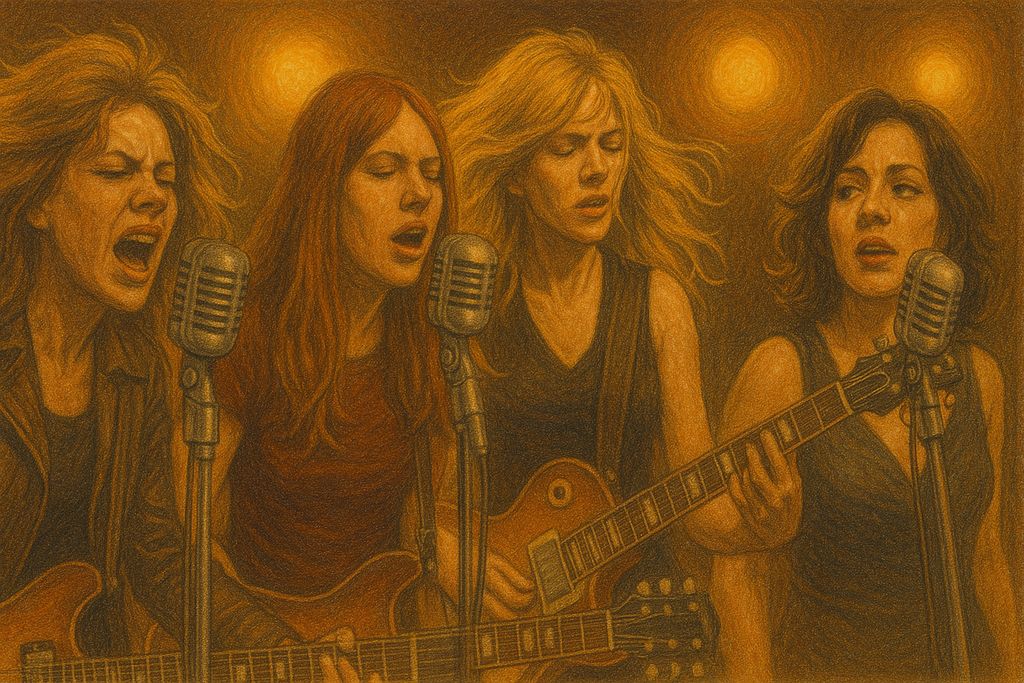
Exploitation, Racism and Gender Control
Behind the success of early female vocal icons stood an industry built on unequal power. Recording companies, managers, and promoters were almost exclusively male, and contracts were designed to protect corporate interests rather than artists. For many female singers, international recognition did not translate into financial security or artistic freedom.
Race played a decisive role. Black female vocalists were often restricted to so-called “race records,” a marketing category that limited distribution and reinforced segregation. These records sold in large numbers, yet royalties were minimal and frequently opaque. Artists were paid flat fees, denied ownership of masters, and excluded from long-term profits. Touring conditions were harsh, especially in the United States, where segregation laws dictated where performers could travel, sleep, and eat.
Gender control operated alongside racism. Female singers were expected to fit narrow moral and behavioral standards. Public image mattered as much as sound. Women who expressed independence, sexuality, or anger were labeled difficult or unprofessional. Their voices might be celebrated, but their autonomy was not. Managers often dictated repertoire, appearance, and even speaking roles in public.
Marriage and motherhood were seen as liabilities. Some artists were pressured to hide relationships or avoid pregnancy to remain marketable. Aging posed another threat. Unlike male contemporaries, female vocalists were rarely allowed to mature publicly. Once their youth faded, media attention often shifted elsewhere, regardless of artistic growth.
Control also extended into the studio. Producers chose keys, tempos, and arrangements, sometimes ignoring a singer’s natural range or comfort. The goal was commercial consistency, not vocal health. Long recording sessions and relentless touring schedules took a physical toll, especially on voices already strained by constant performance.
Despite these constraints, early female vocal icons carved out space for expression. Their voices carried resilience as much as emotion. They navigated an industry designed to limit them and still left recordings that defined eras. Understanding the systems that constrained these women is essential. Their achievements become more significant when viewed not as isolated triumphs, but as acts of persistence within structures that rarely worked in their favor.
Emotion, Power and Recognition (1950s–1960s)
Post-War Society and Emotional Singing
The end of the Second World War marked a profound emotional shift in many parts of the world. Societies were rebuilding, families were fractured, and personal loss had become a shared experience. Popular music responded to this climate by moving closer to private emotion. For female vocalists in particular, this period created new space for expressive depth and emotional nuance.
Advances in recording technology played an important role. Microphones had improved, and studios allowed greater control over balance and dynamics. Singers no longer needed to project forcefully at all times. Quiet passages, softer tones, and intimate phrasing could now be captured with clarity. This technical development aligned with a broader cultural desire for sincerity. Audiences wanted voices that sounded human and emotionally accessible.
Female singers became central figures in this shift. Their voices were often framed as emotional intermediaries, capable of articulating grief, longing, hope, and vulnerability in ways that resonated deeply with post-war listeners. Ballads gained prominence, and lyrical themes focused on personal relationships rather than spectacle. The voice was no longer only a vehicle for melody. It became a carrier of emotional truth.
This era also saw a growing emphasis on interpretation. Rather than merely delivering a song as written, singers began to shape material through phrasing, timing, and tonal color. Subtle changes in emphasis could alter meaning. A held note could suggest hesitation or regret. A softened consonant could imply intimacy. These choices were not accidental. They reflected an increasing recognition of the singer as an interpreter, not just a performer.
At the same time, expectations remained gendered. Female emotional expression was encouraged, but only within acceptable limits. Sadness and tenderness were praised, while anger or confrontation were often discouraged. Still, many singers found ways to work within these constraints, allowing emotional complexity to surface without overt defiance.
Post-war emotional singing laid the groundwork for the emergence of truly iconic female voices in the 1950s and 1960s. It established intimacy as a strength rather than a weakness. The voice became a space where private feeling met public listening, and where individual experience could be shared across generations. This shift would define how female vocal icons were heard and remembered in the decades that followed.
Voices That Defined Popular Music
The 1950s and 1960s produced a group of female vocalists whose voices did more than succeed commercially. They reshaped expectations of what popular singing could sound like. What connected these artists was not a shared genre, but a level of vocal identity so strong that it changed how audiences listened.
One of the most decisive voices of this era was Aretha Franklin. Raised in the gospel tradition, Franklin combined church-based vocal technique with secular songwriting in a way that felt both authoritative and deeply personal. Her voice carried weight across its entire range, moving effortlessly from restrained phrasing to full emotional release. Songs like Respect and Chain of Fools demonstrated her ability to command rhythm, harmony, and emotional direction at once. Franklin did not simply sing a song. She reshaped it around her voice, often altering melodies and emphasis to assert control and meaning. Her influence extended beyond music into civil rights and female self-determination, but it was her vocal authority that made those associations credible.
In Europe, Édith Piaf continued to define emotional concentration in popular music. Piaf’s voice was narrow in range but intense in delivery. She sang with a focused, almost compressed sound that left little room between emotion and expression. Each phrase felt deliberate, shaped by breath control and careful timing. What made Piaf iconic was her ability to communicate emotional finality. Songs like Hymne à l’amour sounded less like performances and more like lived moments. Listeners responded not to technical perfection, but to emotional conviction.
Across the Atlantic, Etta James represented a different form of vocal power. Her voice combined raw strength with flexibility, allowing her to move between blues, rhythm and blues, and early rock influences. James could sound confrontational, sensual, or vulnerable within the same song. Tracks such as At Last revealed her control over dynamic range, while faster material highlighted her rhythmic precision. What set her apart was her ability to balance force with nuance. She could dominate a band without overwhelming it.
Another defining presence was Mina, whose voice became central to popular music in Italy and beyond. Mina possessed exceptional technical control, wide range, and a timbre that shifted easily between warmth and edge. Unlike many contemporaries, she embraced experimentation, stretching phrasing and dynamics in ways that challenged traditional pop structures. Her recordings demonstrated that a female pop singer could be both technically accomplished and artistically unpredictable.
In jazz-influenced pop, Sarah Vaughan stood out for her vocal agility and harmonic awareness. Vaughan treated her voice as an instrument, bending melodies and navigating complex chord structures with ease. Her tone was rich and controlled, capable of both clarity and depth. While her work was often labeled as jazz, her influence extended into broader popular singing, particularly in how later vocalists approached phrasing and tonal color.
What unified these singers was recognizability. Within seconds, their voices could be identified without visual cues or context. This instant recognition came from a combination of timbre, phrasing, emotional intent, and technical control. They did not adapt their voices to fit trends. Trends adapted around them.
These voices defined popular music not because they were universally imitated, but because they expanded the boundaries of acceptable expression. They showed that female vocalists could be authoritative, experimental, emotionally complex, and central to cultural change. The standards they set would shape how future generations understood both vocal performance and artistic independence.
Media Exposure and Image Control
As female vocalists gained wider recognition in the 1950s and 1960s, media exposure became both an opportunity and a constraint. Television, magazines, and radio expanded audiences dramatically, but they also introduced new forms of control. A singer’s voice might draw attention, yet public perception was increasingly shaped by visual presentation and narrative framing.
Television favored faces as much as sound. Performances were staged, styled, and edited to fit expectations of femininity and respectability. Wardrobes were chosen carefully, movements limited, and expressions monitored. Female vocalists were often presented as elegant, restrained, and emotionally accessible, even when their voices carried intensity or defiance. The contrast between vocal power and visual containment became a defining tension of the era.
Press coverage reinforced this imbalance. Interviews frequently focused on appearance, relationships, and personal behavior rather than musical decisions or vocal technique. Male artists were asked about composition and influence, while women were expected to discuss emotions, romance, or domestic aspirations. This framing shaped public understanding of female vocalists as interpreters rather than creators, even when they exercised significant artistic control.
Image management also affected repertoire. Record labels and producers favored material that aligned with a carefully constructed persona. Songs that expressed anger, political awareness, or sexual autonomy were often discouraged or softened. In some cases, artists pushed back subtly, using phrasing and delivery to add layers of meaning that lyrics alone did not convey. The voice became a site of resistance, capable of expressing complexity within imposed boundaries.
Exposure brought pressure to maintain consistency. Any deviation from the expected image risked backlash or reduced airplay. Aging, weight changes, or shifts in personal life were scrutinized more harshly for women than for male counterparts. Success became conditional, tied not only to vocal performance but to adherence to an externally defined ideal.
Despite these constraints, many female vocal icons navigated media exposure with strategic awareness. They learned when to comply and when to assert themselves, often using their voices as the most reliable form of self-expression. While images faded and narratives shifted, the recordings endured. It is through these preserved performances that their true artistic identity remains audible, long after the media frameworks that once confined them have lost relevance.
Artistic Freedom and Vocal Identity (1970s)
The Album Era and Vocal Experimentation
The 1970s marked a turning point in how voices were recorded, presented, and understood. The rise of the album as a primary artistic format gave singers more space to develop vocal identity over time. Instead of delivering isolated singles, female vocalists could explore mood, narrative, and emotional range across entire records. This shift encouraged experimentation and rewarded individuality.
Studios had become more flexible environments. Multitrack recording allowed singers to layer harmonies, explore softer dynamics, and work closely with producers on vocal texture. This technical freedom made it possible to capture subtle inflections and quieter emotional moments without losing presence. As a result, voices no longer needed to dominate every track. They could whisper, crack, or drift without being erased by the mix.
Songwriting also played a larger role. Many female artists began writing or co-writing their own material, shaping lyrics around personal experience and vocal comfort. This direct connection between voice and content changed how authenticity was perceived. Singing was no longer only about interpretation. It became a form of authorship.
One clear example is Joni Mitchell. Mitchell’s voice defied conventional expectations. Its shifting tone and unconventional phrasing mirrored her complex melodic writing. Across albums like Blue, she used her voice as an expressive tool rather than a display of power. Small changes in pitch and rhythm carried emotional weight, making vulnerability a central artistic strength.
Another distinct presence was Nina Simone, whose voice combined control with confrontation. Simone’s training as a classical pianist informed her vocal discipline, but her delivery was shaped by political urgency and emotional intensity. She could sound restrained or explosive, often within the same performance. Her albums treated the voice as both musical instrument and moral statement.
In rock-influenced contexts, Stevie Nicks introduced a different form of vocal identity. Her slightly husky tone and floating phrasing contrasted with the polished production around her. Rather than cutting through arrangements, her voice blended into them, creating atmosphere and emotional ambiguity. This approach expanded ideas of what a lead vocal could be within a band setting.
The album era allowed female vocalists to move away from fixed personas. Voices could evolve from track to track, reflecting doubt, strength, intimacy, and distance. Experimentation was not always commercially safe, but it established long-term artistic credibility. These records invited listeners to spend time with a voice, to recognize its nuances and contradictions. That sustained engagement deepened the bond between singer and audience and set new standards for vocal individuality that continue to influence music today.

Distinct Voices Beyond Genre
As the 1970s progressed, genre boundaries became increasingly porous. Female vocalists moved between folk, soul, jazz, rock, and experimental pop without necessarily redefining themselves each time. What mattered more than category was vocal identity. These singers were recognized not because they fit a genre, but because their voices carried a personality that remained consistent across changing musical settings.
One of the clearest examples is Nina Simone. Simone resisted classification throughout her career. Her voice could sound measured and controlled in one moment, then sharp and confrontational in the next. She used phrasing as a rhetorical device, often stressing words in ways that altered meaning. This approach allowed her to move between jazz standards, protest songs, and reinterpretations of popular material without losing identity. What made Simone distinctive was not vocal range alone, but the sense of intent behind every phrase. Her voice conveyed conviction, even when singing quietly.
A different form of cross-genre presence emerged with Joni Mitchell. Mitchell’s voice evolved noticeably over time, yet it remained instantly recognizable. In the early 1970s, her higher register and open phrasing suited confessional songwriting. As her voice lowered with age, she adapted her melodies and arrangements rather than forcing old techniques. This adaptability became part of her identity. Mitchell demonstrated that vocal change did not have to signal decline. It could reflect artistic growth and expanded emotional range.
In popular and soul-oriented music, Roberta Flack offered a contrasting model. Her voice was calm, controlled, and understated. She avoided dramatic peaks, instead relying on subtle timing and restrained delivery. Songs like The First Time Ever I Saw Your Face showed how quiet singing could command attention without theatrical emphasis. Flack’s approach influenced later generations of vocalists who prioritized intimacy over display.
Latin American popular music also produced voices that defied narrow classification. Elis Regina combined technical precision with emotional urgency. Her phrasing was dynamic, her diction clear, and her rhythmic control exceptional. Regina moved fluidly between samba, jazz-influenced arrangements, and political material. What made her iconic was her ability to communicate intensity without sacrificing musical clarity. Her performances conveyed both discipline and spontaneity.
In Europe, Kate Bush expanded the idea of vocal expression even further. Bush treated her voice as a flexible instrument capable of character, storytelling, and theatrical nuance. She used unconventional phrasing, wide dynamic shifts, and unexpected tonal choices. While her work was often labeled experimental, her vocal identity remained consistent. It was playful, precise, and emotionally controlled, even at its most dramatic.
What connected these artists was a refusal to reduce voice to a fixed role. They did not adjust their singing to meet genre expectations. Instead, genres adapted around them. Their voices carried narrative, emotion, and intention across stylistic changes, making classification secondary.
These distinct voices challenged industry assumptions. They proved that a female vocalist could sustain a career without conforming to a single sound or image. Recognition came from consistency of identity rather than repetition of formula. Listeners learned to trust the voice itself, regardless of arrangement or context.
By the end of the 1970s, this approach had expanded the definition of vocal iconography. A female vocal icon no longer needed to dominate charts or fit established categories. She needed a voice that carried meaning, memory, and character across musical boundaries. That shift would shape how future generations approached both singing and artistic independence.

Politics, Feminism and the Female Voice
By the late 1960s and throughout the 1970s, the female voice became increasingly political, even when it was not explicitly framed as such. Social movements, feminist debates, and civil rights struggles shaped how voices were heard and interpreted. For many female vocalists, simply insisting on autonomy and authorship was already a political act.
Some artists addressed political themes directly. Nina Simone stands as one of the most prominent examples. Her performances of songs like Mississippi Goddam or Four Women used the voice as a vehicle for confrontation and historical memory. Simone’s delivery was deliberate and unsoftened. She did not aim to comfort the listener. She aimed to challenge them. Her vocal choices, from clipped phrasing to sudden dynamic shifts, reinforced the urgency of her message.
Others expressed resistance more subtly. Joni Mitchell often framed political awareness through personal narrative. Rather than slogans, she used observation and reflection. Songs addressed war, environmental damage, and gender roles without abandoning intimacy. Her voice remained calm and questioning, suggesting that political consciousness could coexist with vulnerability.
Feminism also reshaped expectations around female expression. Singers increasingly rejected the idea that women should sound pleasing, passive, or emotionally restrained. Anger, irony, and ambiguity entered vocal performance. This shift unsettled parts of the industry and audience alike. Women who sounded assertive or intellectually demanding were sometimes labeled difficult or uncommercial. Yet these voices resonated strongly with listeners who recognized their own experiences in them.
Importantly, political expression was not limited to lyrics. Vocal delivery itself became a statement. Choices around volume, phrasing, and tone signaled authority and self-definition. Singing softly could suggest refusal rather than submission. Singing forcefully could assert presence without apology.
By the end of the decade, the female voice had expanded its expressive territory. It could be poetic, confrontational, reflective, or defiant, often within the same body of work. This transformation laid the groundwork for later generations, who would inherit a broader understanding of what female vocal expression could communicate. The voice was no longer expected to merely reflect emotion. It could also question power, articulate identity, and claim space in public discourse.
The Anatomy of an Iconic Female Voice
Vocal Timbre and Immediate Recognition
Vocal timbre is often the first thing listeners notice, even before melody or lyrics register consciously. It is the color of a voice, shaped by physiology, technique, and personal habit. Unlike range or volume, timbre cannot be easily imitated or replaced. It is the element that makes a voice recognizable within seconds, sometimes within a single syllable.
Many female vocal icons are defined less by technical perfection than by the uniqueness of their timbre. Billie Holiday is a clear example. Her voice carried a grainy, fragile quality that reflected both physical limitation and emotional depth. She did not smooth out imperfections. Instead, she leaned into them, allowing slight cracks and breathiness to become part of her expressive palette. This timbral honesty made her voice immediately identifiable and emotionally resonant.
In contrast, Aretha Franklin possessed a fuller, denser vocal color rooted in gospel tradition. Her timbre conveyed strength and authority even in softer passages. Listeners perceived confidence not only through volume, but through tonal richness and control. Franklin’s voice filled space naturally, creating a sense of command without forcing intensity.
Another distinctive case is Stevie Nicks. Her slightly husky, airy timbre carried a sense of distance and introspection. Rather than projecting forward aggressively, her voice often hovered within the arrangement. This created atmosphere rather than dominance. The result was a sound that felt intimate and mysterious, instantly recognizable despite its restraint.
Timbre also carries cultural and emotional associations. Nina Simone used a darker, more grounded vocal color that suggested seriousness and gravity. Her tone rarely sounded light or decorative. Even in quieter moments, it implied reflection and resolve. This consistent timbral identity reinforced the intellectual and emotional weight of her work.
What makes timbre so powerful is its resistance to standardization. It cannot be corrected through studio polish without losing character. Attempts to neutralize or homogenize vocal color often strip away identity. Female vocal icons tend to succeed not by adapting their timbre to prevailing trends, but by insisting on it.
Immediate recognition builds trust between artist and listener. A familiar timbre signals continuity, even as styles and arrangements change. It anchors the voice across decades and genres. In this way, vocal timbre becomes a form of personal signature, one that carries memory, emotion, and presence long after fashions fade.

Technique Versus Emotional Truth
Technical ability has always played an important role in how voices are evaluated. Range, breath control, pitch accuracy, and agility are measurable qualities, often emphasized in formal training and critical discourse. Yet when listeners describe why a voice moves them, technical terms rarely come first. Emotional truth, the sense that a singer means what she sings, often outweighs precision.
Many female vocal icons sit at different points along this spectrum. Some are celebrated for extraordinary technique. Others are remembered precisely because they sound exposed or imperfect. What matters is not the level of technical skill itself, but how it is used. Technique becomes invisible when it serves expression rather than drawing attention to itself.
A technically exceptional singer like Whitney Houston demonstrated how control could amplify emotion rather than dilute it. Her breath support allowed long, sustained phrases that carried intensity without strain. Dynamic control enabled her to build emotional arcs within a single line. What made her voice compelling was not the difficulty of what she sang, but the clarity and conviction with which she delivered it. Listeners trusted her voice because it sounded secure, even at its most dramatic.
By contrast, singers such as Billie Holiday challenged the idea that technical limitation diminishes expressive power. Holiday’s restricted range and fragile tone forced her to rely on timing, phrasing, and emotional nuance. Each word felt considered. Slight delays or softened endings created tension and intimacy. Her emotional truth came from restraint rather than display, proving that technical simplicity could deepen meaning.
Between these poles lies a wide field of voices that balance skill and vulnerability. Nina Simone combined disciplined control with moments of deliberate roughness. She could sing with classical precision or allow her voice to harden when the message demanded it. This flexibility made her performances feel urgent and intentional. Technique was present, but it never overshadowed purpose.
Emotional truth also depends on context. A perfectly executed vocal line can feel empty if it lacks personal connection. Conversely, a cracked note can feel honest if it aligns with the song’s emotional core. Female vocal icons often understand when to step back from technical perfection in favor of expression. They allow breath, silence, or tonal irregularity to communicate what words alone cannot.
The tension between technique and emotion is not a flaw. It is a dynamic relationship. Voices that endure tend to balance both elements without becoming trapped by either. Technical skill provides reliability and longevity. Emotional truth creates connection and memory.
In the end, listeners do not return to recordings to admire exercises. They return to feel something familiar and real. Female vocal icons succeed because they understand that the voice is not only an instrument. It is a medium for human experience.
Physical Limits, Damage and Vocal Health
Behind every recorded voice stands a physical body. Vocal cords, lungs, muscles, posture, and overall health shape what a singer can sustain over time. For female vocal icons, physical limits have often been ignored or pushed aside by industry demands, sometimes with lasting consequences.
Touring schedules place enormous strain on the voice. Nightly performances, travel, lack of sleep, and inconsistent acoustics challenge even well-trained singers. In earlier decades, medical understanding of vocal health was limited, and rest was rarely prioritized. Singers were expected to perform regardless of fatigue or illness. For women, this pressure was often intensified by expectations of consistency and emotional availability on stage.
Some voices were damaged by overuse. Singing in keys that did not suit natural range, projecting against loud bands without amplification, or recording repeatedly without recovery time all took a toll. In blues, soul, and rock contexts, grit and roughness were sometimes encouraged as markers of authenticity. While emotionally powerful, this approach could accelerate vocal wear when unsupported by technique.
Health issues outside music also played a role. Smoking, alcohol, and drug use affected vocal tissue and breath control. These habits were sometimes romanticized as part of an artist’s image, while their long-term impact was overlooked. Illness and mental health struggles further complicated matters, often without adequate support systems in place.
Even medical intervention carried risks. Vocal surgery, when performed without today’s level of precision, could permanently alter or end a career. Some singers lost range or flexibility, forcing abrupt changes in repertoire or public withdrawal. These outcomes were rarely discussed openly, reinforcing the myth that great voices exist independently of physical care.
Pregnancy and hormonal changes also influenced vocal condition. Shifts in breath capacity, resonance, and stamina required adaptation, yet these realities were seldom acknowledged publicly. Female singers were expected to return quickly, maintaining the illusion of continuity despite physical change.
What distinguishes many enduring female vocal icons is not the absence of damage, but their response to it. Some adjusted keys, tempos, or arrangements. Others narrowed their range or leaned into lower registers. These adaptations were acts of survival, not decline. They reflect an understanding that longevity depends on listening to the body as much as to the audience.
Recognizing physical limits does not diminish artistry. It reveals the discipline and resilience behind performances that continue to resonate long after the voice itself has changed.
Aging Voices and Artistic Adaptation
Aging is one of the most misunderstood aspects of vocal performance. Voices change over time, shaped by biology, experience, and cumulative physical use. For female vocalists, this process has often been treated as a problem rather than a natural evolution. The industry has historically valued youth and consistency, leaving little room for audible change.
Physiologically, aging affects breath capacity, muscle elasticity, and vocal fold flexibility. Higher registers may become less accessible, while lower tones gain depth and stability. These shifts are neither uniform nor predictable. They require adaptation, not denial. Female vocal icons who sustain long careers tend to recognize this early and adjust their artistic approach accordingly.
One well-documented example is Joni Mitchell. As her voice lowered over the decades, Mitchell reshaped melodies and arrangements to suit her changing range. Rather than attempting to recreate earlier vocal brightness, she leaned into warmth and conversational phrasing. This shift altered the emotional texture of her music, adding gravity and reflection. Her later recordings sound different, but not diminished. They reflect continuity through change.
A similar process can be observed in Tina Turner. While known for power and stamina, Turner adjusted key choices and pacing as her voice matured. The intensity remained, but it was expressed through control rather than sheer force. Her performances demonstrated that authority does not depend on vocal youthfulness. It depends on presence and conviction.
Aging also brings interpretive depth. Lived experience informs phrasing in ways that technical training cannot replicate. Lines are weighted differently. Silences gain meaning. Many listeners describe later-career performances as more emotionally resonant, even when the voice is less flexible. This depth is a form of vocal maturity that cannot be manufactured.
Public perception, however, often lags behind artistic reality. Female singers are frequently compared to earlier versions of themselves rather than evaluated on current terms. Any audible change is framed as loss rather than transformation. This narrow lens ignores the reality that vocal longevity requires adaptation.
Female vocal icons who age publicly and artistically challenge this narrative. By embracing change, they redefine what vocal success looks like over time. Their voices become records not only of songs, but of lived history. In doing so, they offer an alternative model of artistic value, one rooted in continuity, honesty, and evolution rather than permanence.
Training, Class and Access to Music
Formal Education vs. Self-Taught Voices
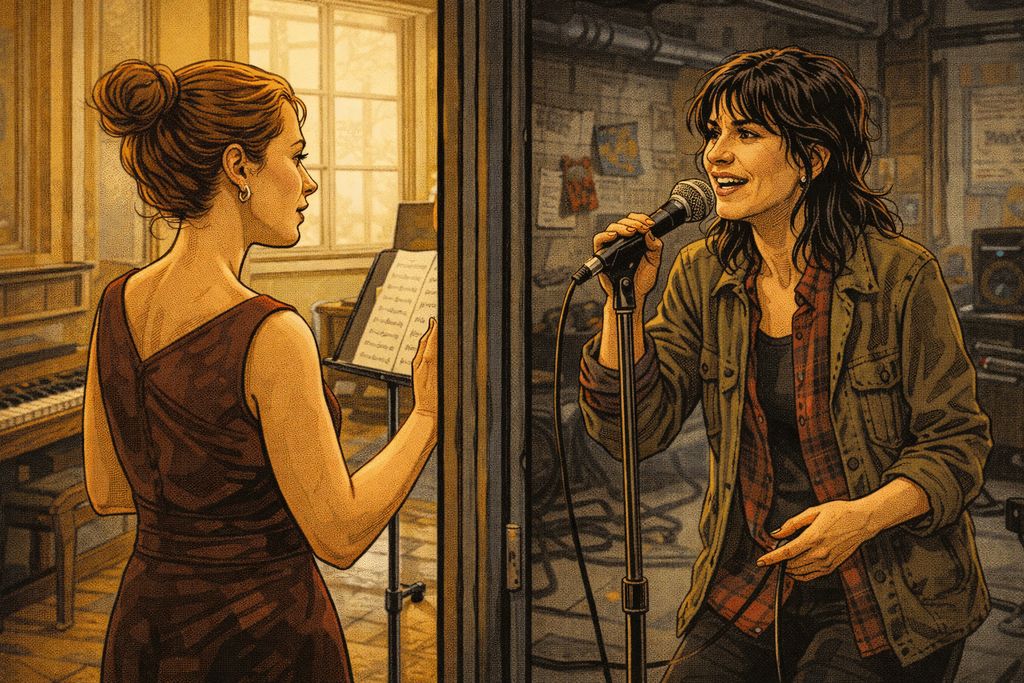
Access to formal musical education has played a significant role in shaping vocal careers, but it has never been a prerequisite for vocal impact. Female vocal icons emerge from both structured training environments and self-taught traditions. What distinguishes them is not the path they took, but how they translated learning into personal expression.
Formally trained singers often benefit from early technical grounding. Conservatories and private instruction emphasize breath control, pitch accuracy, posture, and vocal health. This foundation can support longevity and versatility, allowing singers to adapt to different styles without excessive strain. Nina Simone is a clear example. Trained as a classical pianist with exposure to formal music theory, she approached singing with discipline and precision. Her technical awareness allowed her to manipulate tone and phrasing deliberately, using control as a tool rather than a limitation.
By contrast, many influential female voices developed outside institutional frameworks. Church choirs, community gatherings, radio, and personal listening shaped their vocal identity. Self-taught singers often learned through imitation and repetition, absorbing styles directly from their environment. This approach encouraged individuality. Without formal rules to follow, singers discovered phrasing and tone through instinct and experimentation.
Aretha Franklin illustrates this path. Raised in a gospel context, Franklin absorbed vocal technique through practice rather than academic instruction. Her command of dynamics, timing, and call-and-response structure reflected deep immersion rather than formal study. What might appear effortless was the result of years of embodied learning.
Neither path guarantees artistic depth. Formal training can sometimes encourage uniformity if not balanced with personal exploration. Self-taught approaches can lead to strain or inconsistency without technical awareness. Female vocal icons often combine both worlds over time, learning informally early on and refining technique later as careers develop.
Importantly, access to education has historically been uneven. Class, race, and geography determined who could afford lessons or enter institutions. Many women who lacked formal training did not lack ability. They lacked opportunity. Their success reflects resilience as much as talent.
Understanding these different paths helps demystify vocal excellence. Great voices are not accidents, nor are they solely products of elite training. They are shaped by environment, discipline, curiosity, and adaptation. Female vocal icons demonstrate that there is no single route to vocal authority. What matters is how learning, formal or informal, is transformed into a voice that feels authentic and unmistakable.
Social Class, Race and Opportunity
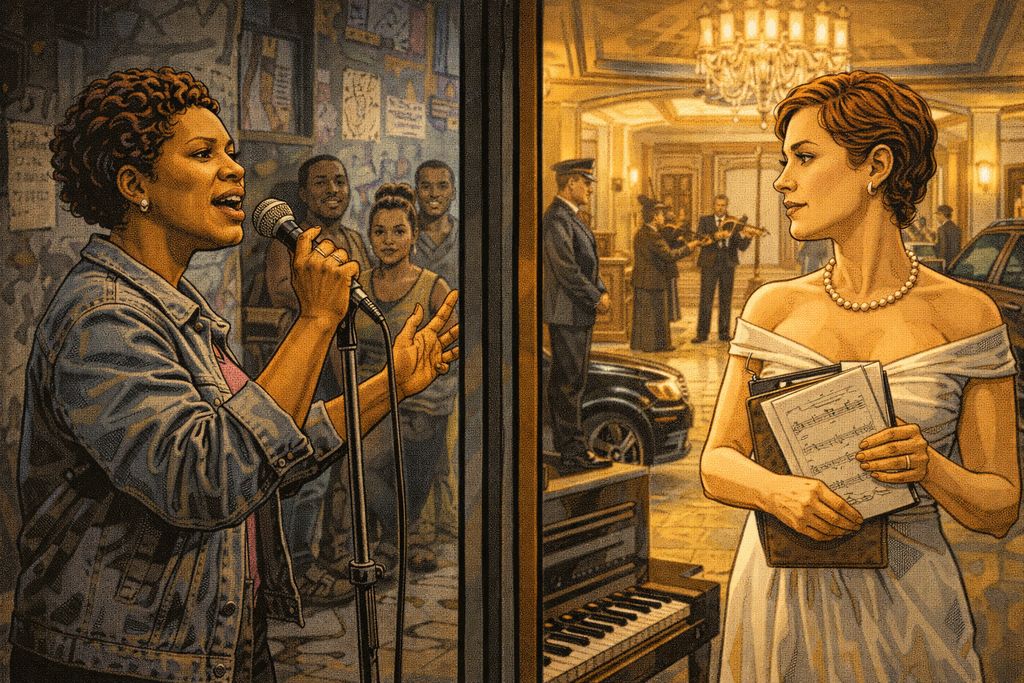
Vocal talent alone has never been enough to secure visibility or longevity. Social class, race, and access to opportunity have shaped which voices were heard, promoted, and preserved. For female vocalists, these factors often determined not only career paths, but the very conditions under which their voices developed.
Class influenced access from the beginning. Formal lessons, instruments, and time to practice required financial stability. Many women from working-class backgrounds learned to sing in informal settings such as churches, local clubs, or family gatherings. These environments fostered strong vocal presence and emotional communication, but rarely offered protection from exploitation. Early success often came without legal or financial guidance, leaving artists vulnerable to unfair contracts.
Race further intensified these disparities. Black female singers in particular faced systemic barriers that limited exposure and compensation. Their voices were celebrated for emotional depth and authenticity, yet confined to narrowly defined markets. Genres were racialized, and crossover success was treated as exception rather than norm. Even when recordings sold widely, recognition and ownership remained uneven.
Aretha Franklin navigated this terrain by asserting vocal authority within and beyond gospel and soul traditions. Her ability to command respect musically helped her negotiate greater control later in her career, but this came after years of industry navigation shaped by racial expectations. Her voice carried both personal expression and cultural weight, reflecting broader struggles for recognition and agency.
In contrast, artists from more privileged backgrounds often benefited from institutional support and media framing that emphasized artistry over survival. Their voices were more likely to be discussed in technical or aesthetic terms, rather than as expressions of social identity. This difference affected critical reception and long-term legacy.
Gender intersected with these dynamics at every level. Women who challenged class or racial stereotypes through vocal expression risked backlash. Assertiveness could be misread as aggression. Emotional intensity could be framed as instability. These interpretations shaped media narratives and influenced which voices were deemed acceptable or marketable.
Despite these constraints, many female vocal icons transformed limitation into identity. They drew strength from lived experience, allowing social context to inform phrasing, tone, and subject matter. Their voices carried stories that extended beyond individual biography, resonating with audiences who recognized similar barriers in their own lives.
Understanding the role of class and race clarifies why certain voices sound as they do, and why others were marginalized or delayed in recognition. It also underscores that vocal impact is not created in isolation. It emerges from a complex interaction between talent, environment, and access. Female vocal icons endure not because barriers disappeared, but because their voices carried meaning strong enough to persist despite them.

The Myth of the “Natural Talent”
The idea of the “natural talent” has long shaped how female vocalists are perceived. Voices that sound effortless are often described as gifts, as if they emerged fully formed without labor or discipline. While this narrative appears flattering, it obscures the work behind vocal development and diminishes artistic agency.
Labeling a singer as naturally gifted can function as a form of erasure. It removes process, practice, and decision-making from the picture. Many female vocal icons spent years refining their sound through repetition, experimentation, and adaptation, even when they lacked formal training. What listeners hear as instinct is often the result of sustained attention to breath, timing, and emotional pacing.
This myth also reinforces unequal expectations. Male musicians are more frequently praised for craft, innovation, and authorship. Female vocalists, by contrast, are described in terms of innate feeling or intuition. Their voices are framed as emotional resources rather than developed skills. This distinction affects how careers are evaluated and remembered.
Consider Billie Holiday. Her phrasing and timing were often described as instinctive, yet they reflected careful listening and adaptation. Holiday studied instrumentalists closely, shaping her vocal lines in dialogue with the band. Her choices were deliberate, not accidental. What sounded spontaneous was the result of deep musical awareness.
Similarly, Aretha Franklin was frequently portrayed as simply possessing an extraordinary voice. This framing overlooks her immersion in gospel traditions, her understanding of harmony, and her ability to arrange vocal parts intuitively. Franklin’s command came from knowledge as much as feeling.
The myth of natural talent can also justify neglect. Voices labeled as gifts are expected to endure without support, training, or rest. When problems arise, decline is framed as loss of magic rather than the predictable outcome of strain or changing conditions.
Recognizing vocal development as work does not diminish artistry. It deepens respect for it. Female vocal icons are not miracles. They are practitioners. Their voices carry history, discipline, and choice. Dispelling the myth of effortless talent allows us to hear their achievements more clearly and to value the labor that sustains vocal expression over time.
Influence, Legacy and Vocal Lineage

Who Influenced Whom
Influence in vocal music rarely moves in straight lines. It travels through listening, imitation, rejection, and transformation. Female vocal icons are often shaped as much by whom they absorbed as by whom they inspired. Understanding these connections helps clarify why certain voices feel familiar even when they sound new.
One of the most frequently cited lines of influence runs from Billie Holiday to later generations of soul, jazz, and pop vocalists. Holiday’s approach to phrasing changed how singers related to time. By singing behind the beat and reshaping melodic contours, she introduced a conversational quality that prioritized meaning over structure. This influence is audible decades later in singers who treat rhythm flexibly, allowing emotion to guide timing rather than strict meter.
A parallel lineage can be traced from Bessie Smith through blues and soul traditions. Smith’s vocal authority and direct emotional delivery established a model of presence that emphasized confidence and narrative clarity. Her influence extended into gospel-inflected singing, where power and conviction became central values. This line later informed the vocal approach of singers who combined strength with emotional immediacy.
The impact of Aretha Franklin forms another crucial node. Franklin absorbed gospel techniques from church traditions and earlier blues and soul performers, then projected them into mainstream popular music. Her use of melisma, call-and-response phrasing, and rhythmic emphasis influenced a wide range of vocalists across genres. Many later singers cite Franklin not for imitation, but for permission. She demonstrated that vocal authority and personal expression could coexist in commercial music.
Influence also crosses cultural and geographic boundaries. Édith Piaf shaped European approaches to emotional delivery, emphasizing intensity and narrative focus. Her impact is visible in singers who prioritize emotional compression over range, using restraint to heighten effect. Similarly, Latin American vocal traditions passed through figures like Elis Regina, whose phrasing and rhythmic precision influenced both regional and international artists.
Importantly, influence does not require similarity. Nina Simone inspired artists not to sound like her, but to take their voices seriously as tools of thought and expression. Her legacy lies in approach rather than timbre. She showed that a voice could question, provoke, and insist on complexity.
These lines of influence reveal continuity beneath stylistic change. Female vocal icons listen closely to those who came before them, even when they move in different directions. Influence becomes less about copying sound and more about inheriting permission to be distinctive. Through this process, voices carry forward not only techniques, but attitudes toward expression, control, and identity.
Generational Echoes
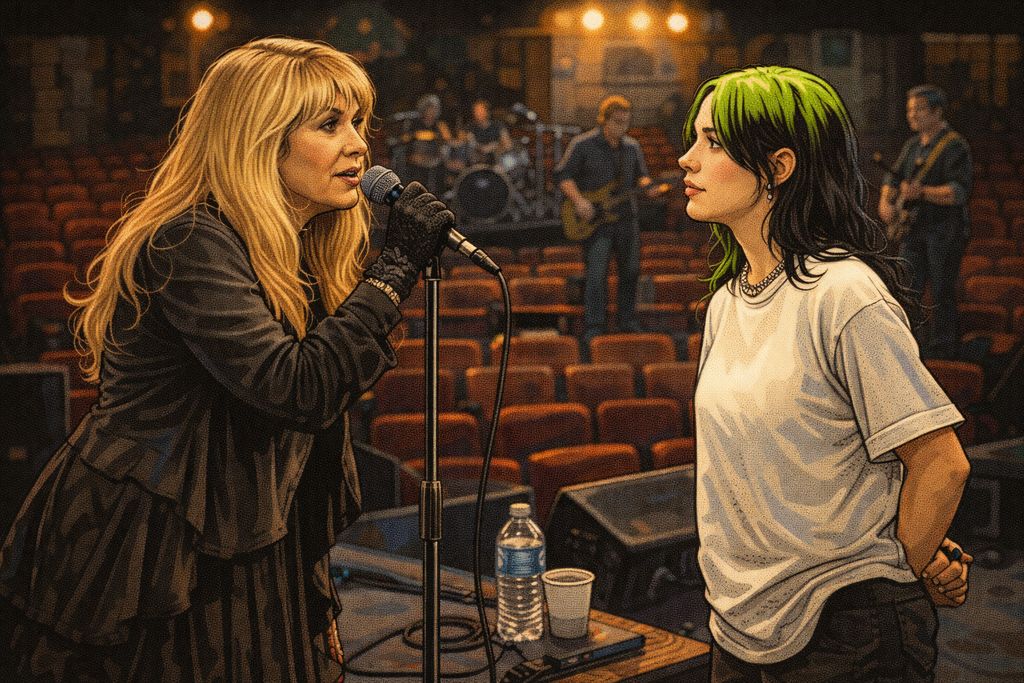
Generational influence becomes most visible when a vocal approach reappears in a new cultural context, shaped by different technologies, audiences, and expectations. These echoes are rarely exact copies. Instead, they reveal how core ideas about phrasing, tone, and emotional delivery adapt over time.
A well-documented lineage runs from Billie Holiday to Amy Winehouse. Winehouse openly acknowledged Holiday as a major influence, not in terms of vocal range, but in phrasing and emotional restraint. Like Holiday, she sang slightly behind the beat, allowing tension to build within lines. Her voice carried vulnerability without softness, combining fragility with defiance. While Winehouse operated in a modern pop and soul environment, the emotional logic of her delivery echoed earlier jazz traditions.
Another prominent generational line connects Aretha Franklin to Whitney Houston, and later to Beyoncé. Franklin’s gospel-rooted authority established a model of vocal command grounded in breath control, phrasing, and emotional conviction. Houston expanded this model with exceptional technical precision and dynamic control, bringing gospel-influenced singing into global pop consciousness. Beyoncé inherited both strands, combining disciplined technique with interpretive control and stage presence. Her voice reflects not imitation, but continuity in vocal confidence and agency.
Generational echoes also appear in more understated forms. Joni Mitchell influenced later artists who prioritize narrative phrasing and melodic independence over vocal display. Singers who treat their voices as conversational instruments, shaping melodies around language rather than spectacle, reflect this lineage even when their tonal qualities differ.
In Latin music, the legacy of Elis Regina can be traced through artists who emphasize rhythmic precision and emotional intensity within popular forms. Her influence persists in approaches to phrasing and articulation that balance discipline with expressive urgency.
What these echoes share is selectivity. Later artists do not absorb everything from their predecessors. They choose elements that align with their own context and identity. A singer may adopt phrasing while rejecting timbre, or emotional approach without technical style. Influence becomes a dialogue rather than a blueprint.
These generational connections demonstrate that vocal history is cumulative. Female vocal icons shape future voices not by setting rigid standards, but by expanding the range of what feels possible. Each generation listens backward while speaking forward, carrying fragments of earlier voices into new musical realities.
Measurable Cultural Impact
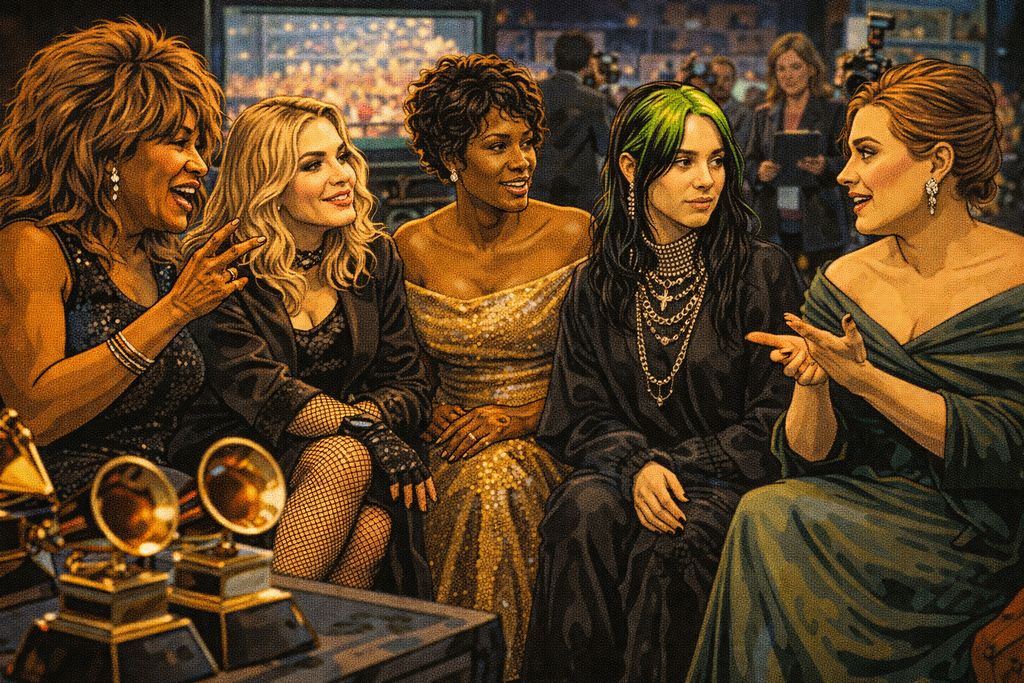
Cultural impact becomes measurable when a voice extends beyond recordings and enters collective memory. Female vocal icons influence how songs are written, how singers are trained, and how audiences define authenticity. Their presence can be traced not only through stylistic echoes, but through concrete shifts in industry practice and public perception.
One clear marker of impact is repertoire longevity. Songs associated with iconic voices remain part of cultural circulation long after their release. Aretha Franklin provides a strong example. Her recordings are not only replayed, but reinterpreted across genres and generations. Her phrasing and vocal authority set benchmarks that continue to inform audition standards, vocal pedagogy, and performance expectations. When singers are asked to demonstrate emotional power, her work is often the reference point.
Another indicator is how voices alter industry norms. Whitney Houston changed expectations around technical excellence in mainstream pop. After her rise, extended range, controlled belting, and dynamic clarity became widely accepted in commercial contexts. Vocal difficulty was no longer confined to jazz or classical traditions. It entered popular music as a valued attribute, influencing both production choices and talent development.
Media language also reflects cultural impact. Certain vocal qualities become shorthand descriptors. A singer may be described as “Holiday-esque” or “in the tradition of Franklin,” signaling a shared understanding of style and emotional approach. These references indicate that a voice has become a cultural touchstone, recognizable even to those unfamiliar with its full catalog.
Impact can also be observed in moments of collective response. Public performances associated with major events, protests, or memorials often rely on voices perceived as authoritative and emotionally credible. The selection of a particular singer in these contexts reflects trust in their vocal presence. Their voice stands in for shared feeling, not individual expression alone.
Importantly, cultural impact is not always aligned with chart success. Nina Simone experienced periods of limited commercial visibility, yet her influence on discourse around race, identity, and artistic responsibility is widely documented. Her voice shaped conversations that extended far beyond music, affecting how art and activism intersect.
Measurable impact also includes absence. When an artist’s vocal approach becomes so integrated into a genre that it feels standard, their influence can be overlooked. Recognizing these contributions requires historical awareness. Female vocal icons often change the baseline of expectation, making their innovations feel inevitable in retrospect.
Cultural impact, then, is not a single achievement. It is a sustained presence. It shows in who is cited, who is studied, and whose voice continues to feel relevant long after the moment of release has passed.
Globalization of Female Vocal Stardom (1980s)
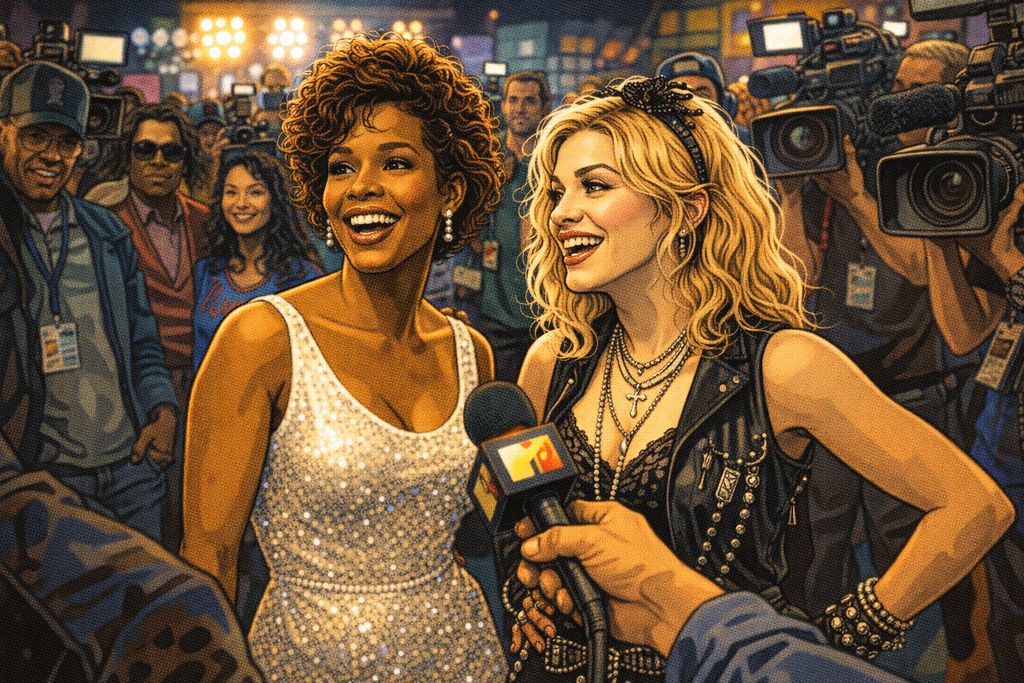
MTV, Media and the Global Stage
The 1980s marked a fundamental shift in how voices reached audiences. With the rise of music television, particularly MTV, sound and image became inseparable. Songs were no longer consumed primarily through radio or records. They were watched. For female vocalists, this transformation brought new opportunities for global exposure, but also intensified control over presentation.
MTV accelerated international circulation. A voice recorded in one country could reach millions within days, crossing linguistic and cultural boundaries. This visibility helped certain female singers achieve global recognition at a scale previously unimaginable. Vocal identity became a key anchor in this visual environment. Amid fast-cut videos and stylized imagery, the voice remained the element that sustained attention beyond novelty.
At the same time, image standards tightened. Visual appeal, youth, and stylization gained unprecedented importance. Female vocalists were expected not only to sound distinctive, but to embody carefully curated personas. Wardrobe, choreography, and narrative framing often took precedence over vocal nuance. This shift risked reducing voices to accessories within a larger visual package.
Some artists navigated this environment by asserting vocal presence against visual excess. Whitney Houston is a central example. Her videos emphasized clarity and accessibility rather than provocation. The strength of her voice anchored her image, allowing vocal performance to remain central even within a visually driven medium. Her sound translated across cultures because it relied on emotional clarity rather than localized symbolism.
Others used visual storytelling to extend vocal meaning. Sade presented a restrained visual aesthetic that matched her calm, intimate vocal delivery. Her understated presence contrasted with the high-energy visuals dominating the decade. This coherence between sound and image reinforced trust in her artistic identity and contributed to long-term recognition.
Global media also amplified scrutiny. Interviews, behind-the-scenes footage, and constant rotation intensified pressure to maintain consistency. Any deviation from the established image could provoke backlash. Aging, personal change, or stylistic shifts were more visible and more heavily judged than before.
Despite these constraints, the 1980s expanded the global reach of female voices. Music television introduced listeners to accents, tonalities, and vocal styles they might not otherwise encounter. While image often dominated first impressions, it was the voice that sustained careers. In a medium built on visibility, enduring female vocal icons proved that sound still mattered.
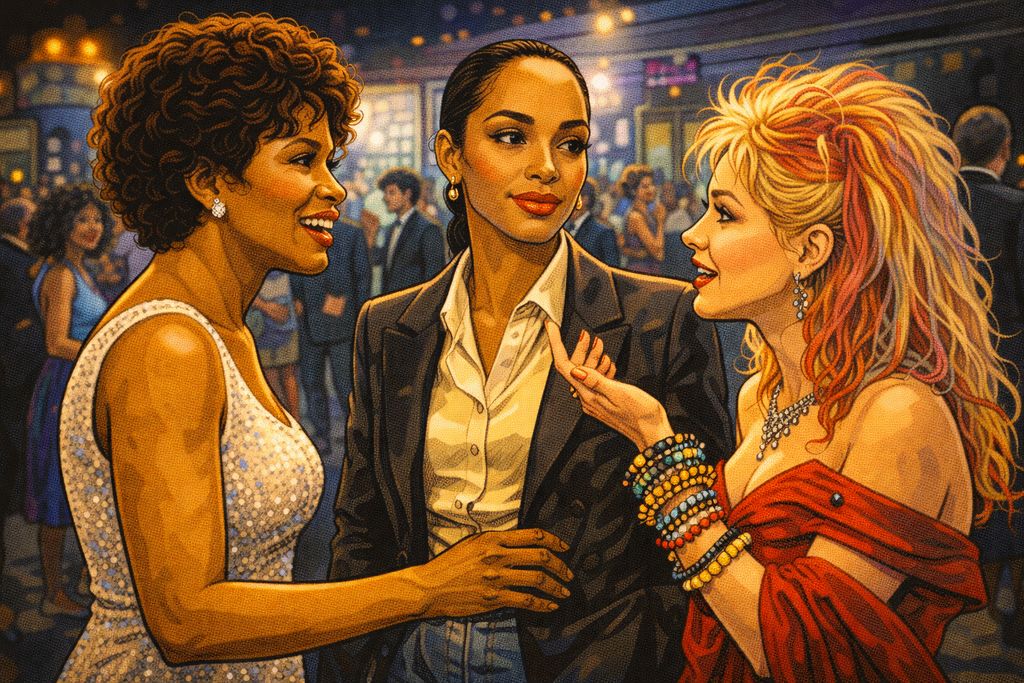
International Vocal Icons
The global reach of the 1980s created a new category of female vocal icon. These singers were no longer shaped primarily by national scenes. Their voices traveled across borders, languages, and media systems, becoming recognizable to audiences with very different cultural reference points. What united them was not a shared style, but a vocal clarity that translated internationally.
A defining figure of this era is Whitney Houston. Her voice combined gospel-rooted power with pop accessibility, making it legible across markets. Houston’s timbre was bright yet controlled, her phrasing precise, and her emotional delivery direct. Songs like I Will Always Love You demonstrated how vocal restraint could heighten impact. Long, sustained lines built tension through control rather than excess. Her technical security allowed listeners to focus on emotion without distraction. This balance made her voice adaptable to different cultural contexts, establishing a new global standard for vocal excellence.
In contrast, Sade represented an alternative model of international presence. Her voice was understated, low in dynamic range, and deliberately restrained. Rather than commanding attention through volume or range, Sade relied on intimacy and tonal consistency. Her calm delivery created a sense of closeness that resonated across cultural boundaries. This approach challenged the assumption that global success required vocal spectacle. It showed that subtlety could travel just as effectively.
Outside the Anglo-American axis, female vocal icons emerged whose impact was equally significant within their regions. Anita Mui became a central figure in East Asian popular culture. Her voice combined strength with expressive clarity, allowing her to move between pop ballads and more dramatic material. Mui’s vocal presence carried emotional authority that supported her broader cultural influence as a performer and public figure. Her recordings remain widely recognized across generations in Hong Kong and beyond.
In Latin America, voices continued to shape regional identity while gaining international attention. Gloria Estefan brought bilingual vocal expression into mainstream global pop. Her clear diction and rhythmic precision allowed her to move between English and Spanish material without diluting identity. The voice became a bridge rather than a compromise, maintaining cultural specificity while expanding reach.
European popular music also contributed distinct vocal identities. Annie Lennox stood out through tonal depth and expressive control. Her voice carried androgynous strength, resisting traditional gendered expectations of female singing. Lennox’s delivery combined clarity with emotional weight, allowing her to navigate both experimental and mainstream contexts. Her vocal presence supported an image of authority and introspection rather than ornamentation.
What these international icons shared was adaptability without erasure. Their voices did not flatten into a generic global sound. Instead, they carried identifiable qualities that audiences learned to recognize and trust. Accent, phrasing, and tonal color remained intact, even as production styles shifted.
The 1980s demonstrated that globalization did not require vocal uniformity. Female vocal icons succeeded internationally because their voices communicated emotion clearly and consistently, even when listeners did not share language or cultural background. In an increasingly visual and commercialized environment, vocal identity remained the most stable marker of authenticity.
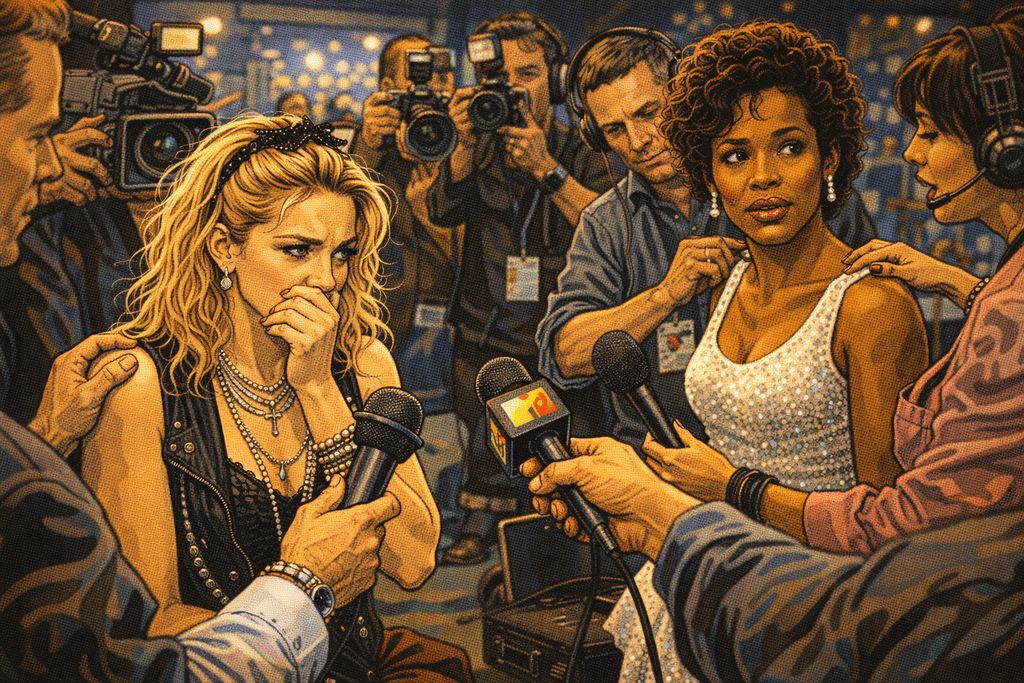
Pressure, Perfection and Public Image
Global visibility intensified expectations. As female vocalists reached unprecedented audiences in the 1980s, the demand for consistency grew sharper. Voices were expected to sound flawless night after night, while public image had to remain coherent across interviews, videos, and live appearances. This convergence of pressure reshaped how vocal performance was evaluated.
Perfection became a standard rather than an aspiration. Studio production emphasized clarity and polish, encouraging audiences to expect the same control in live settings. Any deviation was interpreted as failure rather than circumstance. For singers with technically demanding repertoires, this expectation carried real risk. Sustaining power, range, and emotional intensity under constant scrutiny required physical resilience and careful management, conditions the industry rarely prioritized.
Public image added another layer. Female vocalists were asked to embody ideals that shifted quickly but demanded total compliance. Youthfulness, composure, and accessibility were rewarded; visible struggle was not. Media narratives often framed success as effortless, masking the labor behind performance. When cracks appeared, they were amplified. Vocal fatigue, illness, or stylistic change became headlines rather than natural aspects of a long career.
Some artists navigated this environment by narrowing their public presentation. They limited interviews, simplified visuals, or relied on controlled staging to protect vocal focus. Others leaned into image as a form of armor, using strong visual identities to deflect attention from the body behind the voice. In both cases, the goal was survival within a system that equated visibility with availability.
The pressure to maintain perfection also influenced repertoire choices. Songs were selected not only for expression, but for reliability. Risk-taking decreased as careers advanced, especially for women whose voices were closely tied to their public identity. Innovation carried the danger of misalignment with audience expectation.
Yet enduring female vocal icons found ways to retain agency. They learned when to comply and when to assert limits. Some reworked arrangements to protect stamina. Others embraced restraint, allowing space and phrasing to replace constant intensity. These choices were often invisible to audiences, but essential to longevity.
The 1980s revealed a paradox. Global success amplified voices while narrowing tolerance for imperfection. Those who endured did so by understanding that vocal identity is not maintained through rigidity, but through careful negotiation between expectation, capacity, and self-definition.
Vulnerability, Confession and Media Scrutiny (1990s)
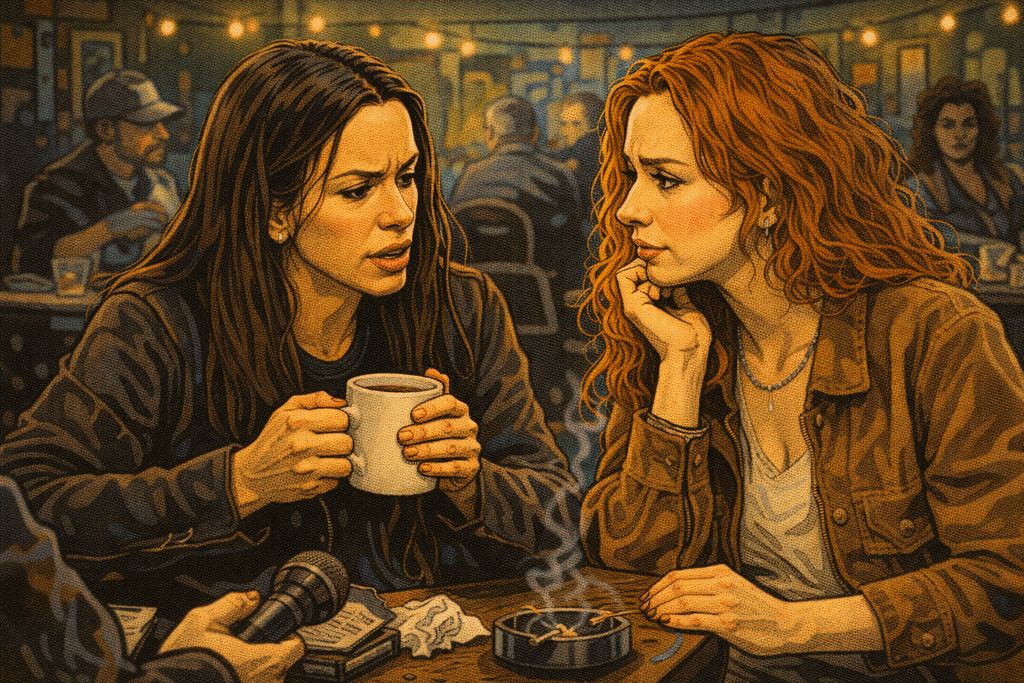
Confessional Singing Styles
The 1990s marked a shift toward introspection in popular music. After decades of spectacle, polish, and controlled presentation, audiences gravitated toward voices that sounded personal and unfiltered. Confessional singing became a defining feature of the era, and female vocalists played a central role in shaping its language.
This style emphasized emotional proximity. Voices sounded closer to the listener, often supported by sparse arrangements that left little room to hide. Lyrics addressed private experiences directly, sometimes uncomfortably so. What mattered was not vocal dominance, but emotional credibility. Listeners responded to the sense that a singer was revealing something real, rather than performing a role.
One of the most influential figures in this movement was Tori Amos. Her voice combined clarity with fragility, allowing complex emotional states to surface without exaggeration. Amos used phrasing to mirror thought rather than melody, often letting lines trail off or shift unpredictably. Songs addressed trauma, desire, and identity with directness that challenged norms of female expression. Her confessional approach influenced a generation of artists who viewed the voice as a space for psychological exploration.
A different form of confession emerged with Lauryn Hill. Hill’s voice carried both vulnerability and authority, blending singing and spoken delivery. Her phrasing reflected conversational rhythm, drawing listeners into a narrative that felt intimate and self-aware. Confession here was not about fragility alone. It was about self-definition, accountability, and moral clarity. Hill’s approach expanded the idea of confessional singing beyond introspection into social reflection.
Confessional styles also altered expectations around vocal imperfection. Breathiness, breaks, and uneven dynamics were no longer signs of weakness. They became expressive tools. Silence gained importance. A pause could communicate hesitation or reflection more effectively than sustained power. These choices aligned with a broader cultural interest in authenticity and emotional transparency.
Importantly, confessional singing did not eliminate craft. It required careful control of tone and pacing to avoid melodrama. The best practitioners balanced openness with restraint, allowing listeners to project their own experiences into the voice. This balance made confession feel shared rather than exhibitionistic.
By the end of the decade, confessional vocal styles had reshaped how female voices were evaluated. Emotional honesty became a form of authority. The voice no longer needed to impress through scale or force. It needed to convince. This shift would influence not only singer-songwriters, but also pop, R&B, and alternative vocalists in the decades that followed.

Voices That Redefined Authenticity
As the 1990s progressed, authenticity became one of the most contested ideas in popular music. It was no longer enough to sound skilled or emotionally expressive. Voices were judged on whether they felt truthful, grounded, and personally owned. Female vocalists were central to this redefinition, not by conforming to a single sound, but by expanding what authenticity could mean.
One of the most widely discussed voices of this era is Alanis Morissette. Her vocal delivery rejected polish in favor of immediacy. Morissette sang with sharp articulation, sudden dynamic shifts, and a tone that bordered on rawness. What made her voice feel authentic was its lack of emotional mediation. Anger, confusion, and vulnerability appeared unfiltered. Songs like You Oughta Know did not invite distance or reflection. They demanded confrontation. Her success demonstrated that female anger, expressed vocally and directly, could resonate on a mass scale without softening.
In a different register, PJ Harvey approached authenticity through transformation rather than exposure. Her voice shifted dramatically across albums, adopting different tonal colors, accents, and intensities. Rather than presenting a single stable persona, Harvey treated authenticity as alignment between voice and concept. A voice could be harsh, whispered, or theatrical, as long as it served the emotional logic of the work. This challenged the assumption that authenticity required consistency. Instead, it required intention.
Another important figure is Fiona Apple. Apple’s voice carried tension and unpredictability. Her phrasing often resisted regular meter, stretching or compressing lines in ways that mirrored emotional instability. Authenticity here was not about clarity or comfort. It was about allowing discomfort to remain audible. Apple’s vocal presence suggested introspection without resolution, reflecting a form of honesty rooted in uncertainty rather than confession alone.
In R&B and soul-inflected contexts, Mary J. Blige redefined authenticity through emotional directness grounded in lived experience. Her voice combined strength with fragility, often sounding as though it carried ongoing struggle rather than retrospective reflection. Blige’s delivery did not distance pain through metaphor. It placed it in the present tense. This immediacy reshaped expectations for emotional sincerity in contemporary R&B.
Authenticity in the 1990s was also shaped by resistance to industry fabrication. Voices that sounded too controlled or overly produced were increasingly viewed with suspicion. Female vocalists who allowed rough edges, breath, or tonal instability were perceived as more trustworthy. This shift did not eliminate technique, but it reframed it. Technical choices became meaningful when they aligned with emotional intent, and suspect when they appeared to mask it.
Importantly, redefining authenticity carried risk. Women who deviated from palatable emotional norms faced criticism. Rawness could be framed as instability. Anger could be dismissed as lack of control. Yet these voices persisted, precisely because they articulated experiences that had previously been marginalized or muted.
By the end of the decade, authenticity was no longer a single aesthetic. It was a spectrum. It could sound confrontational, restrained, fragmented, or composed. What unified these voices was ownership. Female vocalists claimed authority over how their emotions were expressed, refusing to translate them into more acceptable forms. In doing so, they reshaped the relationship between voice and truth, leaving a lasting imprint on how sincerity is heard in popular music.

Mental Health and Public Exposure
As female vocalists became more open in their expression during the 1990s, the boundary between private life and public persona grew increasingly fragile. Confessional singing invited listeners closer, but it also encouraged scrutiny. Emotional openness on record was often misinterpreted as emotional availability offstage. This misunderstanding carried real consequences.
Media narratives frequently blurred artistic expression with personal diagnosis. When female singers addressed pain, trauma, or instability in their work, those themes were projected onto their character. Vulnerability was read not as artistic choice, but as evidence of weakness. Interviews focused on emotional states rather than musical intent. The voice, once a tool of self-definition, became a site of speculation.
This dynamic placed pressure on artists to perform coherence even when their work centered on fragmentation or doubt. Emotional honesty was welcomed as long as it remained controlled and consumable. When boundaries broke down publicly, responses shifted quickly from fascination to judgment. Female vocalists were expected to reveal, but not unravel.
The intensity of exposure also affected vocal performance itself. Mental health struggles can influence breath control, stamina, and consistency. Anxiety tightens the body. Depression alters energy and focus. Yet these realities were rarely acknowledged in discussions of performance quality. Changes in vocal delivery were framed as decline rather than context.
Some artists responded by withdrawing from media circulation, limiting interviews or live appearances. Others continued to perform through periods of distress, masking difficulty behind professionalism. Neither option offered full protection. Silence was interpreted as instability. Visibility invited further intrusion.
Importantly, this pattern was gendered. Male artists who expressed emotional turmoil were often framed as troubled geniuses. Female artists were more likely to be labeled unreliable or fragile. The same vocal qualities that conveyed authenticity on record became liabilities in public discourse.
Despite this, many female vocal icons persisted in using their voices honestly. They accepted the risk of misinterpretation in order to preserve artistic integrity. Over time, their work contributed to a broader conversation about mental health, even if recognition came late.
By the end of the 1990s, the costs of exposure were becoming clearer. Confessional singing had expanded emotional vocabulary, but it also revealed the need for boundaries. The voice could open doors, but it could not substitute for protection. This tension would shape how female vocalists navigated visibility in the decades that followed.
The Voice Versus the Brand (2000s)

Studio Perfection and Technology
The early 2000s introduced a new relationship between voice and technology. Digital recording, editing software, and pitch correction tools became standard across mainstream production. These tools reshaped expectations around vocal performance, often narrowing the gap between what was technically possible and what was publicly acceptable. For female vocalists, this shift brought both opportunity and constraint.
Studio technology allowed unprecedented control. Pitch could be corrected, timing adjusted, and imperfections removed without the listener noticing. This flexibility made recording more accessible and efficient, but it also changed how voices were judged. Flawlessness became the baseline rather than the exception. A clean, controlled sound was no longer remarkable. It was expected.
For some artists, technology provided protection. It reduced strain by allowing multiple takes and subtle correction rather than forcing perfect live delivery. This was especially relevant in an industry that still demanded emotional intensity and consistency. Voices could be preserved rather than pushed beyond healthy limits. Used carefully, these tools supported longevity.
However, perfection also carried aesthetic consequences. Over-processed vocals often lost timbral individuality. Breath, texture, and small variations that signal human presence were smoothed out. Female voices in particular were subject to heavy editing, reinforcing narrow ideals of purity and control. The result was a growing distance between recorded sound and lived experience.
This environment created tension for vocalists whose identity relied on nuance. Singers known for phrasing, subtle timing, or emotional roughness faced pressure to conform to polished standards. Decisions about how much correction to allow became artistic statements rather than technical ones. Choosing imperfection could be read as authenticity or as refusal to adapt.
At the same time, listeners became more aware of production practices. Live performance regained importance as a site of trust. A voice that could hold its shape outside the studio signaled credibility. The contrast between recorded perfection and live variation sharpened attention to vocal reality.
The early 2000s did not eliminate expressive singing, but it reframed it. Technology amplified control while reducing tolerance for deviation. Female vocal icons who navigated this period successfully did so by setting limits. They used digital tools selectively, preserving elements of timbre and phrasing that defined their voice.
This era established a lasting tension. Technology could enhance clarity and accessibility, but it also risked erasing character. The voices that endured were those that treated studio perfection as a resource, not a replacement for identity.
Authenticity in a Commercial Era
As digital production became standard in the 2000s, the idea of authenticity entered a new phase. It was no longer defined only by emotional honesty or confessional lyrics. Authenticity now had to exist within a highly commercialized environment shaped by branding, marketing cycles, and global distribution. Female vocalists were expected to sound genuine while operating inside tightly managed systems.
One artist often cited in this context is Amy Winehouse. Winehouse’s voice stood out precisely because it resisted contemporary polish. Her phrasing drew directly from jazz and early soul traditions, marked by behind-the-beat timing and expressive restraint. Songs like Rehab and Back to Black sounded emotionally immediate, even as they circulated through mainstream pop channels. What made her voice feel authentic was not lack of production, but alignment. The rawness of her delivery matched the emotional content of the material. Listeners perceived coherence between voice, lyric, and persona, even when that coherence was uncomfortable.
A different approach can be seen in Alicia Keys. Keys entered the mainstream with a voice rooted in gospel and soul, combined with visible musicianship at the piano. Her vocal delivery emphasized clarity and warmth rather than excess. Authenticity here was framed through skill and self-possession. Keys projected control and confidence, offering an alternative to both hyper-polished pop and overt vulnerability. Her success demonstrated that authenticity could also mean stability and intentional restraint.
In a more understated register, Norah Jones gained prominence through quiet consistency. Her voice avoided dramatic peaks, favoring even dynamics and conversational phrasing. Jones’s recordings felt intimate without being confessional. Authenticity emerged through understatement and repetition. The lack of vocal spectacle invited long-term listening rather than immediate impact.
Commercial pressures, however, shaped how authenticity was presented. Marketing narratives emphasized “realness” as a selling point, sometimes flattening complexity. Female vocalists were encouraged to present curated versions of sincerity, balancing openness with approachability. Too much distance risked detachment. Too much exposure risked exploitation. Navigating this balance required strategic self-awareness.
Live performance played a renewed role in this negotiation. Audiences sought reassurance that recorded voices reflected real ability. Television appearances, stripped-down sessions, and acoustic formats became markers of credibility. Female vocalists who could maintain vocal identity across these settings strengthened trust in their authenticity.
At the same time, commercial demands often limited experimentation. Vocal risks that might alienate broad audiences were discouraged. Authenticity became something to be proven repeatedly rather than assumed. Each new release invited reassessment, especially for women whose voices were closely tied to personal narrative.
Despite these constraints, many female vocal icons of the 2000s sustained authenticity by grounding their work in vocal identity rather than image. They made choices about phrasing, tone, and repertoire that aligned with their strengths, even when production trends shifted. Their voices remained the most stable element in an unstable marketplace.
Authenticity in this era was not about rejecting commerce. It was about maintaining coherence within it. Female vocalists who achieved this balance showed that sincerity could survive mass exposure, provided the voice remained central and decisions remained intentional.

Fame, Addiction and Industry Exploitation
The commercial intensity of the 2000s placed unprecedented strain on female vocalists whose voices were closely tied to personal narrative. Fame accelerated quickly, often outpacing support structures. For some artists, visibility became inseparable from vulnerability, and the industry proved poorly equipped, or unwilling, to respond responsibly.
Addiction and self-destructive behavior were frequently framed as personal failure rather than systemic consequence. Media narratives focused on spectacle, reducing complex struggles to headlines and images. Female vocalists were scrutinized in ways that blurred concern with consumption. Their voices, once celebrated for emotional honesty, became evidence used against them when stability faltered.
Amy Winehouse remains one of the most widely discussed examples. Her voice was treated as a symbol of authenticity, yet her personal struggles were relentlessly exposed. Touring schedules continued despite visible decline, prioritizing revenue over health. The same industry that benefited from her vocal identity failed to protect it. Winehouse’s case illustrates how emotional transparency, when commodified, can become a liability rather than a strength.
Exploitation also took contractual forms. Young female artists often entered long-term agreements with limited control over masters, scheduling, and creative direction. Vocal labor was treated as a renewable resource rather than a finite physical capacity. Rest and recovery were secondary concerns. When voices weakened or careers stalled, responsibility shifted away from structural conditions and onto the individual.
Gendered expectations intensified this imbalance. Male artists with similar struggles were often framed as rebellious or tragic. Female vocalists were more likely to be labeled unstable or unprofessional. This framing affected public sympathy and institutional response. Support systems remained inconsistent, and accountability diffuse.
Despite these conditions, some artists managed to assert boundaries. They reduced touring, renegotiated contracts, or withdrew temporarily from public life. These decisions were often criticized in the short term, yet they proved essential for survival. Choosing absence over collapse required agency rarely acknowledged at the time.
The intersection of fame, addiction, and exploitation reveals a recurring pattern. Female vocal icons are valued for emotional access, yet penalized when that access exposes fragility. Recognizing this contradiction is essential. It shifts focus from individual breakdown to systemic responsibility, reminding us that voices endure best when they are protected, not consumed.
Ownership, Control and Modern Vocal Identity (2010s)

Streaming and Vocal Visibility
The 2010s reshaped how voices reached listeners. Streaming platforms replaced physical sales and downloads as the primary mode of consumption, altering not only distribution but perception. Songs were no longer encountered as complete albums or curated sequences. They appeared in playlists, algorithms, and short-form recommendations. For female vocalists, this shift redefined visibility and evaluation.
Streaming prioritized immediacy. A voice now had only a few seconds to register before a listener decided to stay or skip. This environment rewarded recognizability and clarity. Vocal timbre, opening phrases, and emotional tone became crucial entry points. The voice functioned as a hook as much as a narrative device. For some artists, this compressed attention span limited development. For others, it sharpened vocal identity.
Algorithmic systems also changed exposure dynamics. Voices that fit prevailing listening habits were surfaced more frequently, while others struggled for placement. These mechanisms appeared neutral, yet they reflected existing biases. Female vocalists whose sound aligned with established categories benefited from repetition. Those who challenged norms faced reduced visibility, regardless of quality or innovation.
At the same time, streaming lowered barriers to entry. Independent artists could release music without traditional gatekeepers. This democratization expanded the range of female voices available to audiences. Accents, languages, and stylistic hybrids became more common in global playlists. Vocal diversity increased, even as competition intensified.
Live performance regained importance in this context. With recorded music ubiquitous and often fragmented, the live voice became a marker of distinction. Sessions, stripped-down recordings, and acoustic versions circulated widely, offering listeners a sense of vocal reality. A voice that held attention without production reinforcement signaled credibility.
Social media further altered perception. Short clips and viral moments reduced complex vocal performances to fragments. A single note, run, or emotional line could define public understanding. This visibility created opportunity but also distortion. Vocal identity risked being flattened into a meme or moment.
For female vocal icons, maintaining coherence became a strategic challenge. They navigated platforms by emphasizing consistent vocal presence across formats. Whether in a studio track, live session, or informal clip, the voice needed to remain identifiable and grounded.
The streaming era did not diminish the importance of the voice. It intensified it. In a landscape saturated with content, the voice became the most immediate signal of authenticity and intent. Female vocalists who succeeded in this environment did so by understanding how visibility works, without allowing algorithms to dictate who they were.

Modern Female Vocal Icons
In the 2010s, the idea of the vocal icon shifted again. Fame no longer followed a single path, and authority was not granted automatically by chart position or label backing. Modern female vocal icons emerged through a combination of vocal identity, consistency, and public presence across multiple platforms. What connected them was not uniform style, but recognizability in a fragmented landscape.
One of the most frequently cited voices of the decade is Adele. Her voice stood out through restraint rather than spectacle. Built on clear phrasing, controlled dynamics, and emotional directness, her singing felt grounded and accessible. Adele’s vocal identity relied on timbre and timing rather than embellishment. Songs like Someone Like You and Hello demonstrated how space and pacing could carry intensity. Her refusal to chase trends strengthened trust in her voice, allowing it to remain central even as production styles shifted.
Another defining presence is Beyoncé, whose vocal authority in the 2010s reflected both lineage and expansion. Drawing on gospel, R&B, and pop traditions, she combined technical control with interpretive precision. Beyoncé’s voice adapted to complex production environments without losing clarity. Her phrasing conveyed intention, whether in intimate passages or layered arrangements. Importantly, her vocal presence supported a broader assertion of artistic ownership, reinforcing the idea that control over voice and narrative are inseparable.
In Europe and beyond, Rosalía exemplified a different form of modern iconography. Her voice merged traditional flamenco technique with contemporary pop and electronic contexts. Rather than smoothing cultural specificity, Rosalía amplified it. Her sharp articulation, controlled ornamentation, and rhythmic precision allowed her voice to remain distinct even within heavily produced tracks. This approach demonstrated that modern vocal icons could be deeply rooted while fully contemporary.
Modern icons also emerged outside traditional mainstream frameworks. Independent and alternative scenes produced voices that gained influence through sustained identity rather than mass exposure. These artists built audiences slowly, relying on vocal consistency and emotional credibility. Their success challenged the assumption that scale defines iconography.
Technology played a dual role. Studio tools enabled experimentation, but live performance and stripped-down formats continued to function as tests of vocal reality. Modern female vocal icons often moved between these spaces deliberately, reinforcing trust by demonstrating control in different settings.
Another defining feature of this era is self-awareness. Modern vocal icons engage actively with their public image, often addressing expectations directly. They articulate boundaries around privacy, touring, and creative output. This clarity influences how their voices are received. A voice perceived as self-directed carries different weight than one framed as product.
What defines modern female vocal icons is not dominance over charts or genres, but coherence. Their voices remain identifiable across platforms, collaborations, and contexts. In a decade marked by rapid change and constant visibility, they maintain presence by anchoring expression in vocal identity rather than spectacle.
Artistic Independence
Artistic independence became one of the defining concerns for female vocalists in the 2010s. After decades of navigating industry control, many artists sought greater authority over how their voices were recorded, presented, and circulated. Independence was not always about leaving labels entirely. It was about reclaiming decision-making power.
For some, this meant control over release strategies. Albums appeared without traditional promotional cycles, allowing voices to be heard without advance framing or expectation management. For others, independence involved ownership of masters, publishing rights, or touring schedules. These choices directly affected vocal longevity. Reduced pressure to constantly produce or perform allowed artists to protect their voices and refine their work.
Vocal independence also reshaped collaboration. Female vocal icons increasingly selected producers and collaborators based on compatibility rather than market alignment. This autonomy allowed voices to exist at the center of production rather than being adapted to external formulas. Decisions about arrangement, key, and pacing could be made with vocal comfort and expression in mind.
Public communication played a role as well. Artists addressed audiences directly through social platforms, bypassing traditional media filters. This directness altered how voices were interpreted. When singers articulated their intentions and limits openly, listeners were more likely to hear vocal changes as evolution rather than inconsistency.
Importantly, independence did not eliminate constraint. Market forces and audience expectations remained present. However, the balance shifted. Female vocalists gained leverage to negotiate how much of themselves their voices were asked to reveal. Choosing when to speak, sing, or remain silent became part of artistic identity.
Artistic independence in the 2010s did not produce a single sound or model. It produced diversity. Voices moved in different directions, shaped by individual priorities rather than uniform standards. This shift strengthened the role of the voice as a personal signature. When autonomy increased, so did variation. Female vocal icons used independence not to withdraw from public life, but to redefine how their voices existed within it.
Global Voices Beyond the Western Canon
Latin America
Latin America has produced some of the most distinctive and influential female vocal icons of the twentieth and twenty-first centuries. These voices are shaped by regional traditions, language, and rhythm, yet many achieved impact far beyond national borders. What defines them is not stylistic uniformity, but the ability to balance cultural specificity with emotional accessibility.
One of the most significant figures is Elis Regina. Her voice combined technical precision with intense emotional engagement. Regina’s phrasing was rhythmically exact, allowing her to navigate complex arrangements rooted in Brazilian popular music while maintaining expressive urgency. She treated lyrics as dramatic material, emphasizing consonants and dynamic shifts to shape meaning. Her recordings influenced generations of Brazilian singers and remain reference points for vocal discipline paired with emotional force.
In the Spanish-speaking world, Mercedes Sosa represents a different model of vocal iconography. Her voice was deep, grounded, and resonant, carrying a sense of collective experience rather than individual display. Sosa’s delivery avoided ornamentation, relying instead on sustained tone and clarity. Singing songs tied to social justice and political resistance, she became a symbol of cultural endurance. Her voice functioned as a vessel for shared memory, connecting music to historical struggle.
Another globally recognized voice is Shakira. Early in her career, Shakira’s vocal identity was marked by an unusual timbre and expressive intensity, shaped by rock and Latin influences. Her phrasing and vocal inflections carried emotional immediacy, even before her later crossover into global pop. While her sound evolved significantly, her voice remained identifiable, anchored by distinctive tonal color and articulation.
Latin American vocal icons often navigate multilingual environments. Switching between Spanish, Portuguese, and English alters phrasing, rhythm, and vocal emphasis. Successful artists adapt without erasing identity. Language becomes an extension of vocal expression rather than a barrier.
These voices also reflect strong connections to poetry and narrative. Lyrics often carry social, political, or personal weight, and vocal delivery is expected to honor that content. Emotional credibility matters more than technical spectacle. This emphasis aligns with traditions that value storytelling and communal resonance.
Latin America’s female vocal icons demonstrate that global recognition does not require assimilation into dominant pop norms. Their voices carry regional identity forward, translating local experience into universal emotion. Through clarity of tone and commitment to meaning, they maintain influence both within and beyond their cultural origins.
Africa
African female vocal icons are shaped by a wide range of musical traditions, languages, and performance contexts. Their voices often emerge from communal settings where singing is embedded in social, spiritual, and cultural life. This background influences how vocal authority is understood. Expression is rarely separated from function. The voice carries story, memory, and collective identity.
One of the most internationally recognized African voices is Miriam Makeba. Her voice combined clarity with rhythmic precision, rooted in South African musical forms. Makeba’s delivery was controlled and articulate, allowing her to sing across languages without losing emotional focus. Songs such as Pata Pata introduced global audiences to African vocal styles, but her deeper impact lay in how she used her voice as a form of cultural representation. Exiled for much of her life, her singing carried both pride and political significance. The calm authority of her voice reinforced her role as a cultural ambassador.
Another influential figure is Oumou Sangaré. Her voice is powerful yet grounded, shaped by Wassoulou traditions that emphasize strong female expression. Sangaré’s singing addresses social themes such as marriage, gender roles, and independence. Her vocal delivery is direct and unembellished, prioritizing clarity and message over ornamentation. This approach gives her voice a sense of purpose that resonates beyond musical appreciation.
African vocal icons often engage with call-and-response structures, where the voice interacts with instruments and community rather than dominating them. This relational approach contrasts with Western notions of soloist prominence. Authority is established through consistency, stamina, and emotional alignment rather than volume or display.
Language plays a crucial role. Many singers perform in multiple languages or dialects, each carrying different rhythmic and tonal demands. Navigating these shifts requires vocal adaptability. Successful artists maintain recognizable timbre while adjusting phrasing to linguistic context. This flexibility strengthens vocal identity rather than fragmenting it.
International exposure has sometimes simplified African voices for global markets, emphasizing rhythm over nuance. Yet the most enduring figures resist flattening. They preserve vocal character by grounding performance in cultural logic rather than external expectation.
African female vocal icons demonstrate that vocal power does not depend on spectacle. It emerges from connection, intention, and continuity. Their voices carry histories that predate recording technology, translating oral tradition into recorded form without losing depth. Through restraint and clarity, they assert presence in a global conversation while remaining anchored in local meaning.
Middle East
Female vocal icons from the Middle East occupy a complex position shaped by tradition, language, and social constraint. Their voices often carry cultural authority while navigating expectations around visibility and propriety. In many cases, the voice becomes the primary space where expression is negotiated, allowing emotion and individuality to surface even when public roles are restricted.
One of the most influential figures in this context is Umm Kulthum. Her voice dominated Arabic music for decades, not through technical agility alone, but through control, endurance, and emotional depth. Kulthum’s performances were known for extended improvisation, where she would repeat lines with subtle variation, responding to audience reaction in real time. This practice, rooted in the concept of tarab, created a shared emotional experience that blurred the line between singer and listener. Her voice conveyed authority without spectacle, relying on sustained tone and deliberate pacing.
Another significant voice is Fairuz. Fairuz’s vocal identity is marked by clarity and restraint. Her tone is light yet steady, carrying a sense of calm that contrasts with the dramatic intensity often associated with regional singing traditions. Through collaborations with the Rahbani brothers, her voice became intertwined with national and cultural identity, especially in Lebanon. Fairuz’s singing evokes nostalgia and continuity, offering emotional refuge rather than confrontation.
Middle Eastern vocal traditions often emphasize microtonal nuance and melodic flexibility. These elements require precise control and deep familiarity with modal systems. Female vocal icons who master these structures do so through careful listening and repetition rather than formal notation. The resulting sound prioritizes expression over display, allowing small inflections to carry significant emotional meaning.
Social context remains critical. Female singers in the region have historically faced scrutiny over public performance, appearance, and lyrical content. Success often depended on balancing respectability with expressiveness. Voices were allowed to be powerful as long as they aligned with cultural expectations. Within these limits, many artists found subtle ways to assert presence and individuality.
International audiences sometimes reduce Middle Eastern female voices to exotic markers, overlooking the discipline and intention behind their delivery. The most enduring icons resist this flattening by maintaining vocal logic rooted in local tradition. Their voices remain recognizable not because they conform to global standards, but because they articulate emotion through culturally specific means.
Female vocal icons from the Middle East demonstrate that authority can be quiet and sustained. Their voices carry memory, devotion, and resilience, shaping musical history through continuity rather than disruption.
Asia
Asia’s female vocal icons emerge from highly diverse musical cultures, each shaped by distinct languages, scales, and performance traditions. Despite these differences, a shared emphasis on control, discipline, and emotional precision runs through many of these voices. Rather than prioritizing raw projection, Asian vocal traditions often value nuance, endurance, and expressive restraint.
One of the most influential figures in East Asian popular music is Teresa Teng. Her voice became a unifying presence across Taiwan, China, Japan, and Southeast Asia. Teng’s singing was marked by softness, clarity, and impeccable diction. She avoided dramatic excess, relying instead on gentle phrasing and emotional warmth. This approach allowed her voice to cross political and cultural boundaries during periods of tension. Her recordings remain deeply embedded in collective memory, not because they overwhelm, but because they comfort.
In Japan, Hibari Misora represents a different form of vocal authority. Trained from a young age, Misora possessed remarkable control and stamina. Her voice carried emotional weight rooted in post-war experience, particularly through the traditional enka style. She used vibrato, phrasing, and sustained notes to convey longing and resilience. Misora’s voice became a symbol of national recovery, linking personal emotion to historical moment.
South Asia offers yet another model of vocal iconography. Lata Mangeshkar shaped the sound of Indian cinema for decades. Her high, pure tone and precise intonation defined femininity in film music. Singing for countless actresses, Mangeshkar’s voice became inseparable from cinematic emotion itself. Her control over pitch and breath allowed her to navigate complex melodies while maintaining clarity and consistency. Influence here was not tied to visibility, but ubiquity. Her voice was everywhere, even when her face was not.
Asian vocal icons often work within systems that emphasize discipline and repetition. Training begins early, and mastery is expected before public recognition. This process produces voices that sound effortless while resting on deep technical foundation. Emotional expression is carefully calibrated, allowing subtle inflections to carry meaning.
Global audiences sometimes overlook these nuances, focusing instead on surface qualities. Yet the enduring power of these voices lies in their precision. They demonstrate that intimacy does not require exposure, and authority does not require volume. Asian female vocal icons shape musical history through consistency, emotional clarity, and sustained presence, offering a model of vocal impact grounded in control and continuity.
Scandals, Silencing and Survival
Public scandal has long shaped how female vocalists are remembered, often overshadowing artistic achievement. For women whose voices carried emotional intimacy or cultural authority, controversy was rarely treated as context. It became narrative. Careers were reframed through personal failure rather than structural pressure, and voices were silenced long before their artistic relevance faded.
Scandal takes many forms. Some cases involve contractual disputes, others addiction, political conflict, or public breakdowns. What unites them is a pattern of disproportionate response. Female vocalists are scrutinized more harshly, forgiven more slowly, and rarely allowed to separate personal crisis from artistic output. The voice, once celebrated, becomes evidence used against them.
One recurring mechanism is moral framing. Media coverage often casts female singers as cautionary figures, emphasizing behavior over contribution. Billie Holiday was subjected to sustained surveillance and legal harassment tied to her addiction, even as her recordings reshaped vocal phrasing for generations. Her struggle was criminalized rather than contextualized, limiting her ability to perform and record freely. The result was not protection, but restriction.
Political silencing follows a similar pattern. Nina Simone faced professional consequences for her outspoken civil rights stance. Radio play declined, bookings narrowed, and public framing shifted from artist to agitator. Simone’s voice, once welcomed for its emotional depth, became inconvenient when it articulated anger and resistance. Her eventual withdrawal from the U.S. music industry illustrates how dissent can lead to marginalization rather than dialogue.
Industry-driven scandals often center on control. Young female vocalists entering restrictive contracts found themselves bound to schedules and images that ignored physical and emotional limits. When they resisted, conflict became public. Disputes were framed as instability or ingratitude rather than negotiation. Silence followed, either through enforced absence or strategic withdrawal.
Mental health crises were rarely met with care. Public breakdowns were consumed as spectacle, reinforcing stigma. Recovery, when it occurred, was expected to be quiet and complete. Any lingering vulnerability was treated as weakness. The industry rarely acknowledged its role in accelerating harm through overwork and exposure.
Despite this, survival remains a central part of female vocal history. Some artists rebuilt careers after periods of absence, returning with altered voices and priorities. Others shifted focus, choosing selective performance or different forms of expression. These adaptations were often misread as decline, yet they reflect resilience and agency.
Survival does not always mean return to prominence. It can mean preservation of voice, even if public attention diminishes. Some artists chose to protect their vocal identity by stepping back from hostile environments. Silence, in these cases, becomes an act of self-determination rather than defeat.
Reframing scandal requires shifting attention from individual failure to systemic responsibility. Female vocal icons did not falter in isolation. They operated within industries that rewarded exposure and punished vulnerability. Their voices carried emotional truth into public space, and when that truth became uncomfortable, they were often pushed aside.
Understanding scandal as part of vocal history deepens appreciation rather than diminishing it. It reveals how much persistence is required for a voice to endure. Survival, whether audible or quiet, becomes another form of expression. Female vocal icons are not only defined by what they sang, but by how they endured being heard.
What Truly Defines a Female Vocal Icon?
The term “icon” is often used loosely, applied to commercial success, visibility, or cultural trendsetting. In the context of female vocalists, however, iconography rests on more specific and enduring criteria. A female vocal icon is not defined by genre dominance, chart longevity, or flawless technique alone. She is defined by how her voice functions in cultural memory.
The first defining element is recognizability. An iconic voice can be identified within moments, often within a single phrase. This recognition is not dependent on production style or era. It is rooted in timbre, phrasing, and emotional logic. Voices such as those of Billie Holiday, Aretha Franklin, or Adele carry signatures that remain intact even when stripped of context. This stability allows the voice to travel across time without losing identity.
A second criterion is emotional authority. Iconic female voices do not merely express emotion. They convince the listener of its legitimacy. Whether the delivery is restrained or expansive, it feels intentional. Emotional authority is built through alignment between voice, content, and presence. Listeners sense that what is being sung is owned rather than performed for effect. This quality cannot be manufactured through technique alone.
Cultural impact forms the third pillar. An iconic voice alters expectations. It changes how songs are written, how singers are trained, or how audiences define authenticity. Influence may be direct, through imitation, or indirect, through permission. When later artists reference a voice as a point of orientation rather than replication, iconography has taken root. This impact is measurable through lineage, discourse, and continued relevance.
Longevity is another key factor, though not in the narrow sense of uninterrupted success. Endurance may include periods of silence, reinvention, or reduced visibility. What matters is whether the voice retains meaning across phases. Some voices remain influential even when recordings are few or careers are fragmented. Iconography persists when absence does not erase presence.
Importantly, resistance plays a role. Many female vocal icons exist in tension with the systems that elevated them. They push against imposed limits around image, behavior, or expression. This resistance may be subtle or explicit, but it shapes how the voice is heard. Authority gained through negotiation rather than compliance carries particular weight.
Finally, a female vocal icon leaves behind interpretive openness. Her voice invites return. Listeners hear different meanings at different moments in their lives. This openness allows the voice to age alongside its audience. It does not fix emotion in time, but adapts to changing context.
Taken together, these elements distinguish iconography from popularity. A female vocal icon does not simply dominate her moment. She extends it. Her voice becomes a reference point, a standard, and a question mark at once. It asks future singers not to sound the same, but to sound true.
Conclusion – The Power of the Female Voice
The history of popular music can be told through genres, movements, or technologies. Yet again and again, it returns to the human voice. In the case of female vocal icons, that voice has carried more than melody. It has carried expectation, resistance, intimacy, and memory. Across decades and continents, these voices have shaped how music feels and how culture listens.
What emerges from this history is not a single definition of greatness. Female vocal icons do not share one sound, one technique, or one path to recognition. Some sing with power, others with restraint. Some rely on technical mastery, others on phrasing and emotional timing. What unites them is not uniformity, but authority. Their voices sound intentional. They feel owned.
This authority has rarely been granted freely. Female vocalists have navigated industries that often prioritized image over sound, youth over longevity, and compliance over autonomy. Many were celebrated while young and controlled while successful, only to be sidelined when they asserted independence or changed. Yet their voices endured beyond these cycles. Recordings outlasted headlines. Influence survived absence.
Listening closely reveals how much labor and adaptation lie beneath apparent effortlessness. Voices changed with age, health, and circumstance. Keys were lowered, arrangements reshaped, phrasing refined. These adjustments were not signs of decline. They were signs of listening, discipline, and respect for the body. Longevity, where it exists, is rarely accidental. It is negotiated.
Cultural context matters as much as individual ability. Female vocal icons reflect the societies they emerge from, whether through language, rhythm, or thematic focus. Latin American voices often carry narrative urgency. African voices emphasize connection and communal memory. Middle Eastern voices navigate tradition and devotion. Asian voices demonstrate control and emotional precision. These differences enrich the global vocal landscape rather than fragment it.
At the same time, the most influential voices transcend borders without losing specificity. They do not flatten themselves to travel. They invite listeners into unfamiliar emotional and sonic spaces. This balance between rootedness and reach is one of the defining strengths of female vocal iconography.
The modern era has multiplied voices and platforms, but it has not diminished the importance of vocal identity. If anything, saturation has sharpened it. In a crowded field, a recognizable voice remains the most immediate marker of presence. Technology can polish and distribute, but it cannot replace character. Audiences still respond to voices that sound human, grounded, and intentional.
Female vocal icons also leave behind a legacy of permission. They expand what feels possible. Later singers may not imitate their sound, but they inherit the right to be distinct. To sound imperfect. To age audibly. To express anger, grief, tenderness, or restraint without apology. This legacy is less visible than awards or sales, but it is more enduring.
Importantly, this history resists closure. New voices continue to emerge, shaped by different conditions and concerns. Some will achieve wide recognition. Others will influence quietly. Iconography is not a fixed canon. It is a living conversation between past and present, memory and reinterpretation.
What remains constant is the role of listening. Female vocal icons ask listeners to slow down, to hear nuance, to accept complexity. Their voices do not always comfort. Sometimes they confront. Sometimes they linger. Sometimes they demand attention long after the song ends.
In the end, the power of the female voice lies not in perfection or dominance, but in presence. These voices remain because they sound like someone meant what they sang. They remind us that music history is not only written in movements and markets, but in breath, phrasing, and the courage to be heard.
That is why these voices endure. Not because they were flawless, but because they were unmistakably human.