
What Makes Pop Music Pop?
Pop music is often treated as a genre, but the word has never described one fixed sound. It points to something broader and more flexible. At its core, pop refers to music that reaches a wide audience and moves easily through radio, charts, and public attention. Its style has changed many times over the decades. What has stayed constant is its connection to mass culture and to the systems that carry music to listeners.
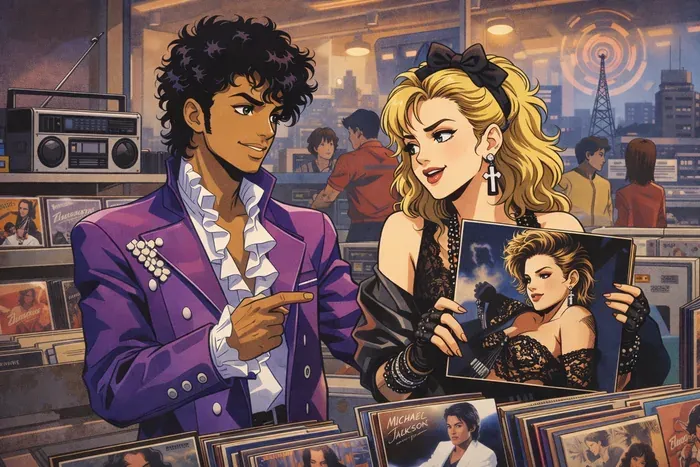
In the middle of the twentieth century, pop emerged from a growing entertainment industry that linked recording studios, radio stations, record shops, and magazines. Songs could now travel far beyond local scenes. A singer in New York or Memphis could become familiar to listeners across an entire country. Pop followed those new distribution paths and adapted quickly to each new technology and audience that appeared.
Because of that flexibility, pop has always absorbed influences from other styles. Rhythm and blues, soul, electronic music, and later hip hop all reshaped what mainstream audiences recognized as pop at different moments. The artists and producers who understood those shifts often changed the direction of the entire field.
The story that follows traces how this adaptable form moved through several major phases before arriving at today’s global, streaming-driven pop landscape.
Radio, Records, and the Rise of the Popular Song
Before the word “pop” became common in music journalism, popular music already existed as a central part of everyday life. In the early twentieth century, songs circulated through sheet music, vaudeville performances, and radio broadcasts. The idea of a national hit song slowly emerged during this period. A tune could move from theaters to living rooms, carried by performers who knew how to make melodies memorable and emotionally direct.
One of the defining voices of this earlier era was Frank Sinatra. During the 1940s, Sinatra helped shape a style of singing that placed the vocalist at the center of the song’s emotional world. His recordings with big bands, and later his solo work, introduced a form of intimate storytelling that listeners could connect with immediately. Radio played a decisive role in this connection. Families gathered around receivers in the evening, and singers became familiar voices inside private homes.
A different transformation arrived in the 1950s with the rise of rock and roll. Young audiences began to dominate record sales, and the music industry quickly noticed. Teenagers had spending power and strong musical preferences. Their tastes began to shape the direction of mainstream music.
One of the figures who embodied this shift was Elvis Presley. His recordings blended rhythm and blues with country influences, creating a sound that felt both rebellious and widely accessible. Songs like “Heartbreak Hotel” and “Hound Dog” moved rapidly through radio stations and jukeboxes across the United States. Presley’s performances also changed the visual language of pop stardom. His stage presence, style, and public image showed that popular music was becoming as much about personality as about melody.
Technology helped accelerate these changes. The introduction of the 45-rpm single allowed listeners to purchase individual songs at an affordable price. Jukeboxes in diners, bars, and dance halls kept new releases in constant circulation. Record charts began tracking which songs sold best each week, creating a visible competition among artists and labels. When Billboard launched the Hot 100 on August 4, 1958, it gave that competition a single, widely watched chart that combined different measures of popularity into one national ranking.
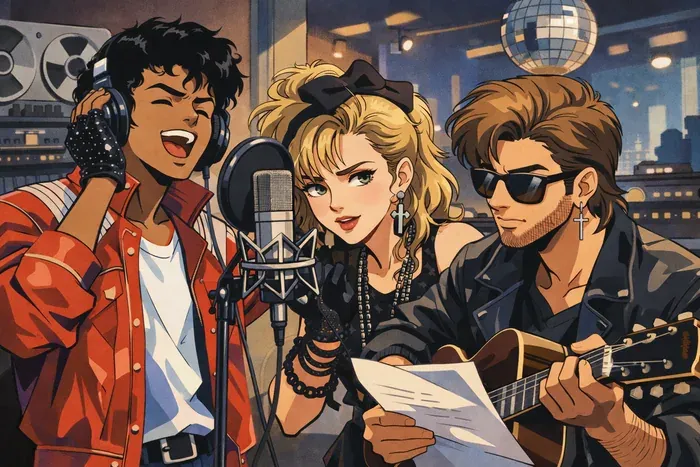
Meanwhile, the recording studio itself grew more important. Producers and engineers experimented with arrangements, microphone placement, and layered instrumentation. Songs were no longer simply documented performances. They were carefully shaped recordings designed for radio and consumer attention.
By the late 1950s, a recognizable pattern had formed. Artists released singles aimed at wide audiences. Radio stations promoted them heavily. Record labels invested in performers who could attract loyal fans. The word “pop” would soon become shorthand for this entire system of music, media, and mass appeal.
The next stage of this story came from across the Atlantic. A new generation of British bands began reshaping both the sound and the ambition of popular music.
The British Invasion and the Internationalization of Pop
At the start of the 1960s, the center of popular music began to shift in a surprising direction. Bands from the United Kingdom started reaching audiences far beyond their local scenes. What followed became known as the British Invasion, a period when British artists reshaped the global sound of pop and rock.
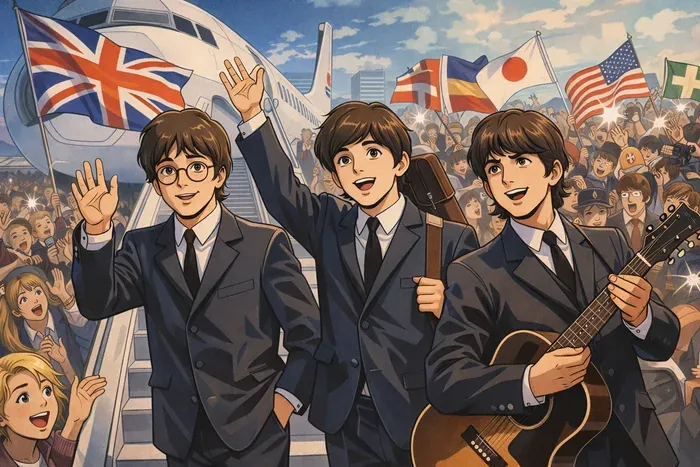
The most influential group in this movement was The Beatles. When “I Want to Hold Your Hand” reached the top of the American charts in 1964, it marked more than a hit single. It showed that pop had become a genuinely international conversation. The band combined melodic songwriting with an approachable image that resonated strongly with young listeners. Early albums such as Please Please Me and A Hard Day’s Night felt fresh in a way that set them apart from much of the earlier pop market.
The Beatles also changed how people understood the role of musicians in pop. Rather than relying entirely on professional songwriters, they wrote much of their own material. The Lennon-McCartney partnership produced songs that balanced catchy hooks with emotional depth. Over time, their work grew more adventurous, especially on albums like Rubber Soul and Revolver, where studio experimentation expanded the possibilities of pop recording.
Alongside the Beatles, other British groups found major success overseas. The Rolling Stones brought a rougher and more blues-oriented approach to pop audiences. Their early hits, including “(I Can’t Get No) Satisfaction,” carried a sense of attitude and rebellion that resonated strongly with young listeners. While the Beatles often represented charm and melody, the Rolling Stones offered a sharper edge that broadened the emotional range of mainstream music.
British bands also benefited from growing international media networks. Television appearances, magazine coverage, and global touring allowed artists to reach audiences in ways that had been difficult only a few years earlier. Fans in North America, Europe, and parts of Asia began following the same artists at roughly the same time. Pop music was no longer confined to one national market.
The British Invasion also influenced the business side of the music industry. Record labels realized that pop success could travel across borders. Songs recorded in London could become hits in Los Angeles or Tokyo within weeks. That insight encouraged labels to search for artists with international appeal and adaptable musical styles.
As the decade progressed, the boundaries between pop, rock, and soul continued to blur. The idea of a global pop culture began to take shape, carried by radio signals, touring musicians, and a growing network of media outlets.
While British bands were redrawing the international map of pop, another powerful hitmaking system was taking shape in the United States. In Detroit, a record label was building a disciplined and remarkably effective approach to creating songs that could dominate the charts.
Motown and the Industrial Logic of the Hit
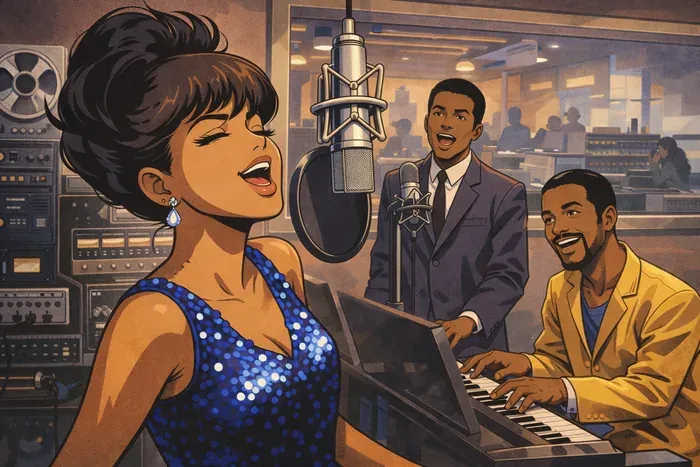
While British bands were reshaping the global pop landscape, another transformation was taking place in Detroit. There, producer and entrepreneur Berry Gordy built one of the most influential music companies of the twentieth century. His label, Motown Records, developed a remarkably efficient system for creating hit songs that could cross cultural and racial boundaries.
Gordy founded Motown in 1959 with a clear vision. He wanted to produce music that could reach both Black and white audiences in the United States. To achieve this, the label adopted a structure similar to an assembly line. Songwriters, producers, musicians, and vocalists each played specific roles in the creation of recordings. The goal was simple. Every release had to compete for radio airplay and chart success.
The results were extraordinary. Artists such as The Supremes became major pop stars with songs that balanced emotional storytelling and polished arrangements. Tracks like “Baby Love” and “Stop! In the Name of Love” featured memorable melodies supported by precise studio production. The Supremes, led by Diana Ross, also demonstrated how image and presentation could reinforce the impact of a song. Their elegant style made them highly visible on television programs and concert stages.
Another artist who emerged from the Motown system was Stevie Wonder. As a young performer, Wonder first gained attention with energetic hits such as “Fingertips.” As he matured, he developed into one of the most creative musicians in pop history. Albums like Talking Book and Songs in the Key of Life showed that mainstream music could combine commercial appeal with musical innovation.
Behind many of these recordings stood a remarkable group of studio musicians known as the Funk Brothers. Their tight rhythm playing and expressive arrangements gave Motown records a recognizable sound. Bass lines, tambourines, and layered vocal harmonies created a sense of movement that listeners could identify within seconds.
Motown also understood the importance of artist development. Singers received guidance in stage presence, choreography, and public presentation. These elements helped performers connect with audiences beyond the music itself. In many ways, Motown anticipated the modern pop industry, where musical talent and visual identity work together.
The success of Motown demonstrated that pop could function as a carefully organized creative system. Strong songwriting, disciplined production, and clear artistic branding could transform individual songs into international hits.
Yet even within this structured environment, the recording studio continued to evolve. Producers and engineers began experimenting with sound in ways that expanded the emotional and technical possibilities of pop music. The next stage of the story moves behind the microphone and toward the people shaping pop from the mixing desk.
When the Studio Became a Creative Force
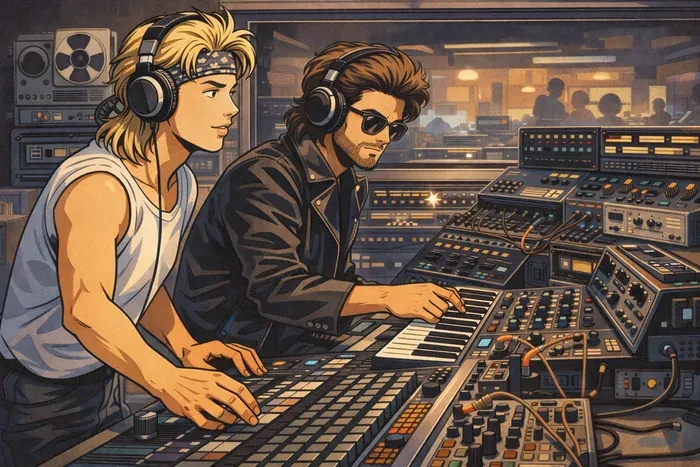
As pop music expanded during the 1960s and 1970s, the role of the producer grew steadily more important. Producers were no longer simply supervising recording sessions. Many began shaping the entire sound of a song, guiding arrangements, choosing musicians, and building sonic identities that listeners could recognize immediately. In many cases, the producer became the quiet architect behind a pop hit.
One of the earliest figures to demonstrate this level of control was Phil Spector. Working in Los Angeles during the early 1960s, Spector developed a recording technique that came to be known as the “Wall of Sound.” He layered multiple instruments playing similar parts. He then recorded them together in a large studio space to create a dense, echo-rich texture. Songs such as “Be My Baby” by The Ronettes captured the approach clearly. The result felt dramatic and emotionally intense. A three-minute single could now sound closer to a cinematic experience.
Spector’s influence extended far beyond the artists he worked with directly. Many producers realized that the studio could function as a creative instrument in its own right. Instead of documenting a performance exactly as it sounded in a room, they could shape recordings through arrangement, layering, and careful microphone techniques.
Another producer who expanded the artistic possibilities of pop was Quincy Jones. Jones had already built a respected career as an arranger and composer when he began collaborating with Michael Jackson in the late 1970s. Their partnership produced some of the most successful albums in pop history. Off the Wall and later Thriller combined elements of disco, funk, and soul with a level of studio precision that defined the sound of mainstream music in the early 1980s. "Every song works together to create one album that gives the listener a dramatic experience in nine scenes."
Jones approached production with a deep understanding of musical detail. Horn arrangements, rhythm sections, and vocal layering were carefully balanced to create recordings that sounded both sophisticated and accessible. He also encouraged artists to experiment with new textures and electronic instruments that were becoming more common in the studio.
By this point, the producer had become a central creative force in pop music. Many listeners focused on the singer at the front of the stage, yet the overall character of a record often came from the decisions made behind the mixing console.
The increasing importance of studio technology soon opened another major chapter in pop history. As synthesizers and electronic instruments entered recording studios, producers and musicians began exploring entirely new sound worlds. These tools would help shape the distinctive style that later became known as synth pop.
Songwriting and the Pop Form: How Hits Are Built
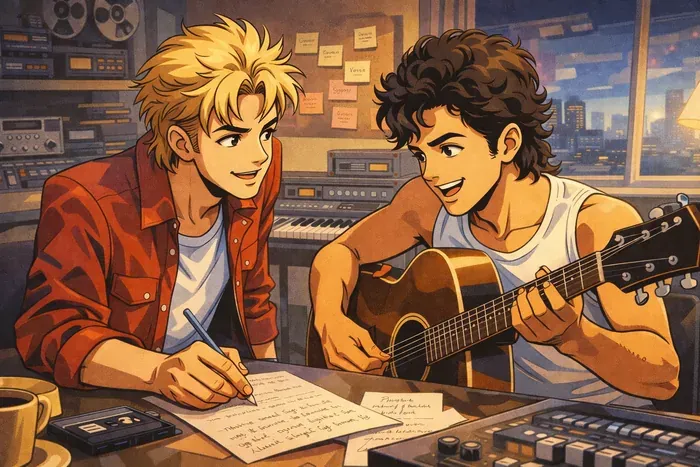
Even when pop changes its surface sound, many of its underlying writing principles remain surprisingly stable. Most hit songs are built around clarity, repetition, and contrast. Listeners need something memorable to hold onto quickly, but they also need enough change to stay engaged from beginning to end. That balance helps explain why pop writing often returns to familiar structures such as verse, pre-chorus, chorus, and bridge.
The verse usually introduces the emotional situation. It gives detail, sets tone, and creates forward motion. The pre-chorus often increases tension through rising melody or harmonic movement. Then the chorus delivers the central message in the clearest and most memorable form. In classic British pop, Motown, teen pop, and streaming-era chart music, this basic architecture appears again and again because it works. It gives songs a shape that audiences can learn quickly, even on first listen.
Hooks are another essential part of the form. A hook can be a chorus line, a short melodic pattern, a rhythmic figure, a vocal phrase, or even a distinctive production sound. Pop songs often contain several hooks layered together. A bass line may catch the ear before the singer enters. A pre-chorus melody may prepare the emotional release. The chorus then confirms what the song wants the listener to remember. This stacking of memorable moments is one reason pop can feel immediate without being simple-minded.
The bridge, sometimes called the middle eight in British songwriting, serves a different purpose. It interrupts repetition at the right moment. A bridge may introduce a new chord pattern, a new lyrical angle, or a temporary drop in energy before the final chorus returns. In power ballads and late twentieth-century pop especially, the bridge often led to a dramatic lift. Sometimes that lift was reinforced by a key change. The effect made the end of a song feel larger and more emotionally decisive.
Vocal layering also matters to pop form more than many listeners notice at first. Lead vocals carry the story, but backing vocals often define the sense of scale. They can make a chorus feel communal, intensify rhythm, or underline a lyric that needs extra force. From the Supremes to boybands to contemporary studio pop, stacked harmonies have helped turn individual songs into large public moments.
Song length has changed along with media systems. In the single and radio era, brevity was practical because stations needed tight programming and physical formats imposed limits. In the CD era, songs could stretch more comfortably, especially when albums mattered as complete listening experiences. In the streaming era, many pop songs became shorter again. Listeners can skip quickly, and repeat streams reward tracks that reach their strongest ideas fast. The outer shape changes, but the central principle remains familiar: pop writing succeeds when form, melody, and emotional timing work together.
Radio Programmers, A&R, and Gatekeepers
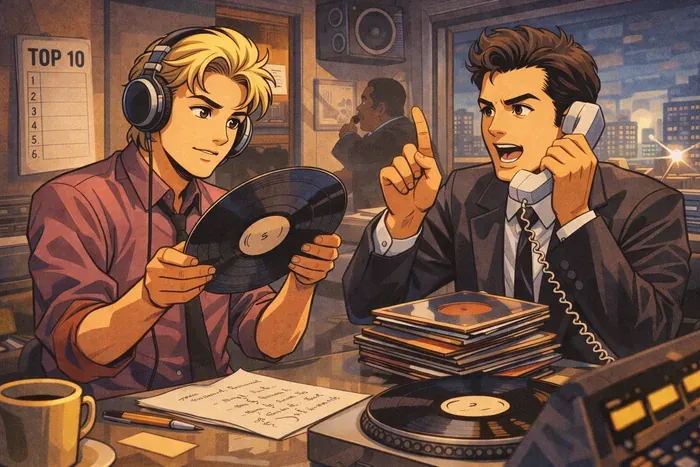
Pop has never been shaped only by artists and audiences. Between them stand gatekeepers: people and institutions that decide which songs are heard often enough to become familiar. In different eras, those gatekeepers have included radio programmers, record label A&R teams, television producers, music journalists, retail buyers, MTV executives, and, more recently, playlist editors and recommendation systems.
During the radio age, programmers held extraordinary influence. Stations had limited time and wanted songs that fit a recognizable format. A track that earned heavy rotation could quickly become part of everyday life, while an equally strong song with less airplay might disappear. This meant that pop success depended not only on writing or performance, but also on whether industry professionals believed a song could work for a broad audience.
Record labels built internal systems around that judgment. A&R, short for artists and repertoire, involved finding talent, pairing artists with producers and songwriters, and deciding which recordings deserved investment. In practice, A&R departments often shaped the identity of pop before the public ever heard a track. They selected singles, approved sessions, and helped determine how an artist would be positioned in the market.
This filtering process could limit diversity, but it also created a shared mainstream. When a song broke through the gates, millions of listeners often encountered it in the same week through the same media channels. That concentration helped define the classic idea of the pop hit as a common cultural event.
The names of the gatekeepers changed over time, yet the function never disappeared. MTV rotation determined visual visibility in the 1980s. Major retail chains influenced which CDs and singles were easy to find in the 1990s. In the streaming era, prominent playlists such as Today’s Top Hits or New Music Friday can play a role similar to radio rotation, even though discovery now feels more personalized. Platform algorithms add another layer, quietly recommending some songs more often than others.
Understanding pop therefore means understanding selection as well as creation. A great song matters, but so does the path it takes through media systems. Gatekeepers do not fully control public taste, yet they repeatedly help determine which songs get the chance to become part of mass culture.
Charts, Metrics, and What Counts as a Hit
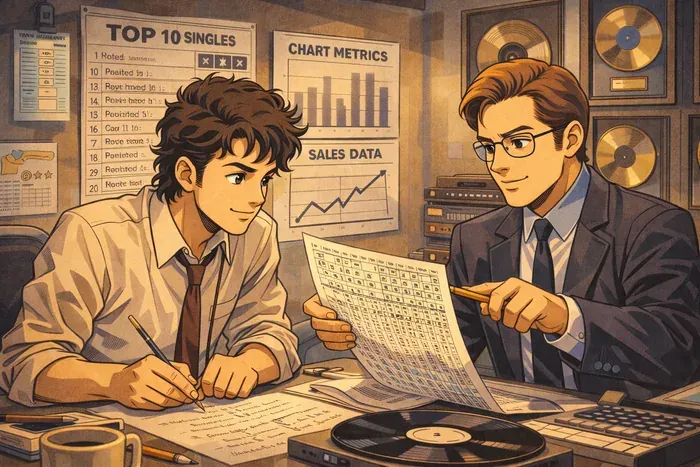
Once gatekeepers decide which songs enter circulation, another question follows: how does the industry decide that a song has actually become a hit? The answer has changed many times. In one era, success meant sheet music sales. In another, it meant jukebox demand, radio airplay, or physical singles sold through stores. Later, album shipments, digital downloads, YouTube views, playlist placement, and streaming totals all became part of the picture.
Charts try to translate those different forms of attention into a shared public measure. That is why they matter so much in pop. A chart does not simply reflect popularity. It also defines it. When a song is called a Number One hit, the phrase gives cultural shape to a set of listening behaviors that might otherwise remain scattered across many platforms and regions.
In the classic radio era, airplay and physical sales were central. A song that sold well but received weak radio support might struggle to become a broad mainstream event. The opposite was also true. Heavy airplay could push audiences toward stores and reinforce the idea that a song was unavoidable. Those systems rewarded repetition, familiarity, and national coordination.
The streaming era complicated this logic. Modern charts often combine sales, airplay, and streaming into a single ranking, but those metrics do not measure the same kind of attention. Buying a song, hearing it in the car, adding it to a playlist, and streaming it twenty times in one week are different forms of engagement. Yet chart systems place them inside one competitive frame because pop still wants a common scoreboard.
This creates ongoing debates about fairness and meaning. Do viral spikes matter as much as steady radio success? Should one fan streaming a song repeatedly count the same way as many casual listeners hearing it once? What happens when a catalog song suddenly returns through a film, a meme, or a social media trend? Charts do not eliminate those questions. They organize them.
For artists, charts remain symbolically powerful because they convert scattered behavior into public recognition. For audiences, they still offer a way to imagine a mainstream. Even in a fragmented digital world, people continue asking which songs are rising, which artists are dominating, and what currently counts as the center of popular music. Charts persist because pop still wants visible proof of shared attention.
Teen Pop and the Industrialization of Youth Culture
By the late twentieth century, one of the clearest expressions of the pop mainstream was its growing connection to youth culture. Young listeners were not only enthusiastic fans. They were also one of the most important markets for the music industry. Record labels, television networks, and magazines all recognized that teenagers followed artists with remarkable loyalty. Their enthusiasm could turn a new singer into a global star almost overnight.
Teen pop emerged from this environment as a highly organized branch of the pop industry. The music itself often focused on direct melodies, clear emotional themes, and easily recognizable hooks. The surrounding world was just as important. Music videos, magazine covers, tour merchandising, and television appearances helped create a complete image around each artist.
This approach did not appear suddenly in the 1990s. Earlier generations of young stars had already shown how powerful the teenage audience could be. Yet during the final years of the twentieth century the system became far more coordinated. Producers, songwriters, and marketing teams worked together to shape artists whose songs could dominate radio while their personalities filled television screens and fan magazines.
The result was a wave of performers who defined a generation of pop listeners. Their success also showed how carefully structured the modern pop industry had become.
Pop Beyond the Teenage Market
Youth culture has often driven the image of pop, but youth has never been its only audience. Families gathered around radio sets in the Sinatra era. Adult listeners bought Motown singles, ABBA albums, Whitney Houston ballads, and Adele records in enormous numbers. Pop may often be marketed through the language of novelty and youth, yet its reach extends across generations.
Part of that broad appeal comes from flexibility. A song can live one kind of life for teenagers and another for adults. Younger listeners may attach themselves to an artist’s identity, fashion, and public persona. Older listeners may respond more strongly to melody, nostalgia, vocal skill, or emotional clarity. The same song can therefore function as a trend, a personal memory, and a durable catalog favorite at the same time.
Radio formats made this especially visible. Mainstream Top 40 stations targeted younger listeners, while adult contemporary radio often supported songs with smoother production, clearer ballad writing, or broader cross-generational appeal. That split did not remove a song from pop. It simply showed that mainstream listening contains several overlapping publics rather than one single age group.
The streaming era has made this wider audience easier to see. Catalog listening now plays a larger role in everyday music culture. Older hits remain active because they continue to circulate through playlists, film soundtracks, social media clips, and private listening habits. A teenager may discover Fleetwood Mac through a viral video, while an older listener returns to the same song through memory. Both activities now count within the same digital ecosystem.
This broader audience helps explain why pop has such long historical memory. Even when the industry speaks the language of youth, the genre itself survives through repeated rediscovery. Pop does not simply replace one generation with another. It lets songs move between generations, carrying different meanings as they go.
Teen Idols: The First Generation of Young Superstars
Long before the explosion of teen pop in the late 1990s, young audiences had already demonstrated their power to shape the music industry. During the 1960s and 1970s, record labels began paying close attention to the preferences of teenage listeners. These fans bought singles, watched television appearances, and followed artists with remarkable enthusiasm.
One early example of this phenomenon was Donny Osmond. As a member of the Osmond family group, he first appeared on American television during the late 1960s. His clean image and approachable personality made him especially appealing to younger audiences. Songs like “Puppy Love” became major hits among teenage listeners. Posters, fan clubs, and magazine features turned Osmond into one of the earliest modern teen idols.
Television played a crucial role in shaping this kind of pop stardom. Programs such as American Bandstand introduced new performers to national audiences and gave fans a chance to see the artists behind the songs. Visual presence mattered more than ever. Charisma, fashion, and personality could influence a song’s success almost as strongly as the melody itself.
During the 1980s, a new generation of young performers continued this tradition. Among them was Debbie Gibson, who achieved remarkable success while still a teenager. Her 1987 album Out of the Blue produced several hit singles, including “Only in My Dreams.” Gibson also wrote and produced much of her own material. Her success showed that teen pop artists could play a direct role in the creative process. They did not have to be seen only as performers of songs written by others.
Around the same time, Tiffany reached wide popularity with her cover version of “I Think We’re Alone Now.” Her promotional tour through shopping malls became a clever marketing strategy. It brought live performances directly to teenage audiences. Fans gathered in familiar public spaces. Everyday shopping locations briefly turned into concert venues.
These early teen idols revealed several patterns that would later define the teen pop industry. Youthful performers created strong identification with listeners of a similar age. Their music often focused on simple emotional themes such as first love, friendship, or personal independence. Media exposure amplified these connections through television interviews, photo shoots, and live appearances.
By the early 1990s, record labels understood that teen audiences represented a powerful economic force. Advances in music television, global marketing, and professional songwriting teams made it possible to launch artists on an even larger scale.
The next phase of teen pop pushed this formula much further. It created some of the most recognizable stars of the late twentieth century.
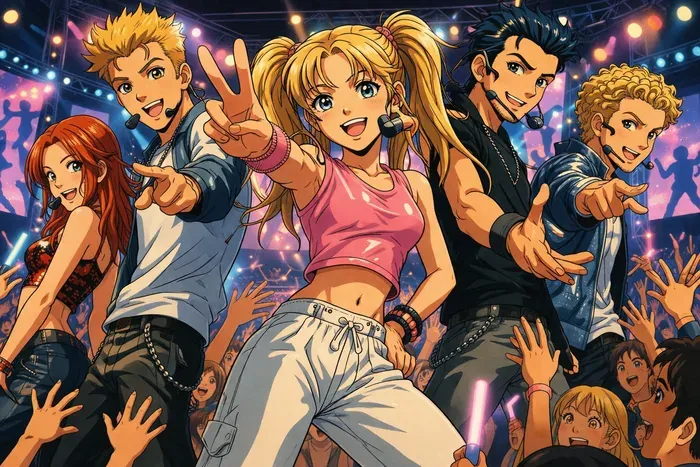
The Late-1990s Teen Pop Explosion
During the second half of the 1990s, teen pop returned to the center of the global music industry with remarkable force. Record labels recognized that a new generation of listeners was ready for artists who spoke directly to them. Carefully produced songs, polished music videos, and coordinated marketing campaigns created a wave of performers whose popularity spread quickly across radio, television, and early online spaces.
One of the defining figures of this era was Britney Spears. Her debut single “…Baby One More Time,” released in 1998, became an immediate international success. The song’s combination of a strong melodic hook and a distinctive vocal performance made it instantly recognizable. The accompanying music video, set in a school environment, reinforced her connection to teenage audiences. Spears soon became one of the most visible pop stars in the world, representing a carefully balanced image of youth, ambition, and vulnerability.
At the same time, vocal groups were experiencing a major resurgence. The Backstreet Boys had already built a large fan base in Europe before achieving massive success in North America. Songs such as “I Want It That Way” highlighted their ability to combine tight vocal harmonies with polished pop production. Their concerts attracted large crowds, and fan communities formed around their music with remarkable dedication.
Another group that defined the period was NSYNC. Known for energetic choreography and layered vocal arrangements, the group quickly became one of the most recognizable acts in pop. Their album No Strings Attached, released in 2000, broke several sales records at the time. The album’s lead single “Bye Bye Bye” became a defining pop anthem of the era.
Teen pop during this period relied heavily on collaboration between artists and professional songwriting teams. Producers worked closely with performers to create songs that balanced emotional clarity with strong rhythmic structure. Catchy choruses and carefully arranged vocal layers helped tracks stand out on radio playlists.
The cultural environment also played a major role in the success of teen pop. Music television networks, particularly MTV, broadcast music videos that gave audiences a visual connection to their favorite performers. Teen magazines, fan websites, and early online communities further strengthened these connections.
This explosion of popularity demonstrated how effectively the music industry could coordinate sound, image, and promotion. Teen pop was no longer simply a collection of songs aimed at young listeners. It had become a global entertainment system that shaped the careers of artists and the listening habits of millions of fans.
Behind many of these recordings stood producers whose songwriting approach would help define the sound of pop for the next two decades.
Max Martin and the Science of the Hook
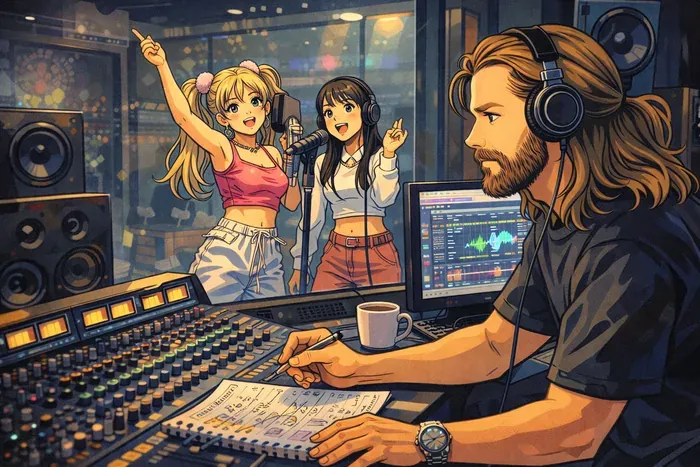
Behind the enormous success of late 1990s teen pop stood a group of producers who approached songwriting with remarkable precision. Among them, one name appears again and again in the credits of global hits: Max Martin. Working from Stockholm, Martin helped define the sound of modern pop through a combination of melodic clarity, rhythmic drive, and disciplined song structure.
Martin’s career developed within the environment of Cheiron Studios, a Swedish production center founded by producer Denniz Pop. The studio operated with a collaborative method that resembled a workshop. Writers and producers gathered to refine melodies, test lyrical ideas, and shape arrangements until the song achieved maximum impact. The goal was not artistic complexity for its own sake. The focus remained on emotional immediacy and strong hooks that listeners could remember after a single listen.
One of Martin’s earliest major successes came through his work with Britney Spears. “…Baby One More Time” featured several of the structural traits that would soon appear in many of his productions. The verses remained relatively restrained, allowing the chorus to land with dramatic force. Small melodic details, including rising phrases and rhythmic accents, gave the song a sense of momentum that held attention from beginning to end.
Martin’s influence quickly spread beyond a single artist. He wrote or co-wrote major hits for the Backstreet Boys and NSYNC, helping establish the musical identity of both groups. Tracks such as “I Want It That Way” and “It’s Gonna Be Me” showed how carefully structured pop could still feel emotionally direct. The songs combined strong vocal harmonies with production that sounded both modern and accessible.
Several characteristics defined the Swedish pop approach. Songs often opened with a clear melodic idea that returned throughout the track in slightly varied forms. Choruses tended to arrive quickly, sometimes within the first forty seconds, ensuring that listeners encountered the most memorable section early. Lyrics remained straightforward, focusing on feelings that audiences of many cultures could understand easily.
Another important element was collaboration. Martin rarely worked alone. Songwriters, producers, and engineers contributed ideas that gradually shaped the final recording. That collective process allowed the studio to produce a steady stream of songs that felt consistent while still remaining distinctive.
By the early 2000s, Max Martin had become one of the most influential figures in the global pop industry. His methods influenced countless producers and helped establish a model of songwriting that continues to shape chart music today.
While producers were refining the sound of teen pop behind the scenes, another conversation unfolded in public. Critics, musicians, and fans began debating the meaning of authenticity in pop music and questioning how “manufactured” many of these stars truly were.
Songwriting Camps and Global Pop Production
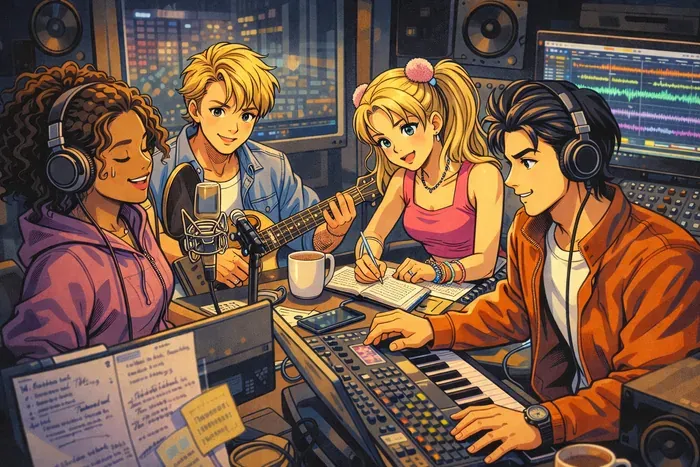
By the early twenty-first century, pop production had become even more collaborative and international than the Max Martin story alone suggests. Many major releases were no longer written by one artist and one producer in a single room. Instead, songs often emerged from writing camps, studio sessions, and remote exchanges. These settings brought together topliners, beatmakers, lyricists, engineers, and vocal producers from different cities and sometimes different continents.
In this system, a topliner may focus on melody and lyrics while a producer builds the track’s rhythmic and harmonic framework. Another writer may strengthen the chorus. A vocal producer may reshape phrasing and emotional emphasis during recording. Engineers and editors then refine the performance in detail. The final song may still feel immediate and personal, but its creation can involve many layers of specialized work.
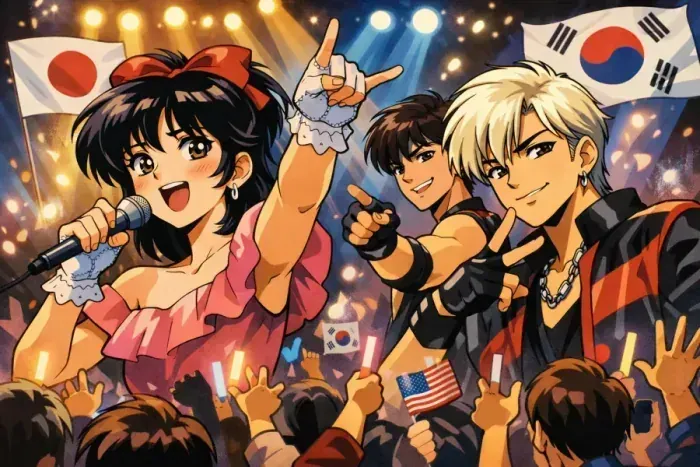
This collaborative model reflects the scale of modern pop itself. Songs must travel across radio, streaming, social media, live performance, and multiple national markets. Teams therefore test melodies, simplify phrases, and sharpen hooks so that tracks remain clear even when they move across languages, accents, and listening contexts. A chorus that works in Stockholm, Los Angeles, Seoul, and São Paulo has obvious commercial power.
Writing camps also accelerate the pace of the industry. Labels and publishers can bring together dozens of writers over several days to generate material for one artist, one album cycle, or a wider network of releases. Not every session produces a hit, but the process creates many possible combinations of melody, lyric, and production. The result is a pop system that is both highly industrial and intensely creative.
At the same time, this method has raised questions about authorship. Some listeners still prefer the image of the self-contained singer-songwriter. Yet modern pop often works differently. Collaboration does not automatically make a song less expressive. In many cases, it allows specialists to sharpen different parts of the track until the whole record feels effortless.
Seen this way, contemporary pop production extends patterns that Motown and Cheiron had already established. The tools are newer and the networks are wider, but the underlying idea is familiar. Pop hits are often the result of organized teamwork aimed at emotional clarity and broad appeal.
Female Teen Pop, Media Scrutiny, and Public Identity
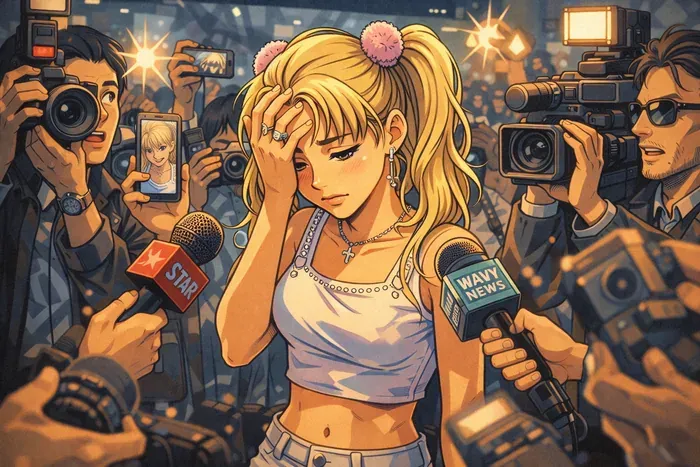
While teen pop groups attracted large audiences, solo female performers became some of the most recognizable figures of the late 1990s and early 2000s. Their success depended not only on strong songs but also on how the media framed their public identities. Magazines, television interviews, and music videos shaped narratives around these artists that extended far beyond the recordings themselves.
Among the most prominent voices of this moment was Christina Aguilera. Her debut single “Genie in a Bottle,” released in 1999, showcased a powerful vocal style rooted in soul and R&B traditions. Aguilera’s voice set her apart from many other pop performers of the time. Critics and listeners often highlighted her technical control and emotional intensity. Her early success showed that teen pop could still accommodate strong vocal individuality.
At roughly the same time, Jessica Simpson entered the pop landscape with a more traditional ballad style. Her debut single “I Wanna Love You Forever” placed emphasis on sustained high notes and dramatic emotional delivery. Simpson’s image leaned toward classic pop romance, and her performances often focused on themes of sincerity and personal devotion.
Another artist who emerged from the teen pop environment was Mandy Moore. Her early recordings such as “Candy” captured a lighter, playful side of pop music. Moore’s career later expanded into acting and songwriting, demonstrating how many teen pop artists eventually explored broader creative paths once their initial audience matured.
Media attention around these performers often extended into discussions about image, independence, and personal identity. Female pop artists faced a level of scrutiny that their male counterparts rarely experienced. Interviews frequently focused on appearance, personal relationships, and expectations of behavior. The public conversation surrounding young women in pop sometimes overshadowed their musical achievements.
Despite these pressures, several artists from this era maintained long and influential careers. Christina Aguilera, for example, later explored more mature musical themes on albums such as Stripped. These shifts revealed that the early teen pop label did not define the full artistic potential of many performers.
The late 1990s wave of female teen pop artists helped expand the emotional and stylistic range of mainstream music. Their recordings connected with young listeners while also shaping broader conversations about gender, identity, and media representation.
As teen pop reached its commercial peak, the sound of mainstream music was also shifting. That shift did not begin in the late 1990s. Many of its core ideas had already emerged in the 1970s, when clubs, DJs, and disco created the blueprint that modern dance-pop would later use on a global scale.
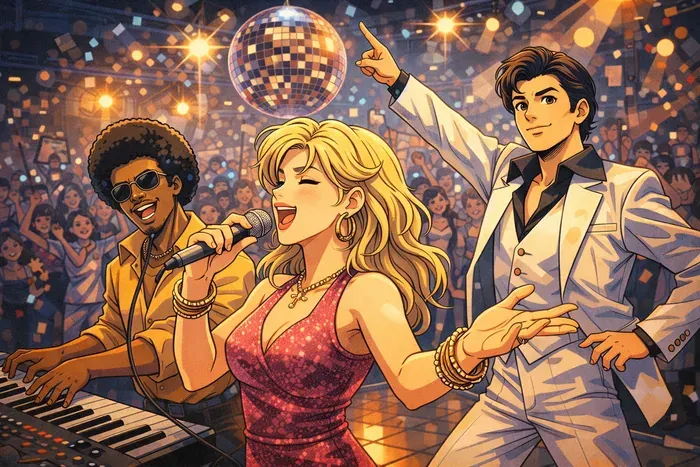
Disco and the Road to Modern Dance-Pop
Disco is sometimes treated as a separate story from pop, but it is better understood as one of the genre’s most important bridges. In the 1970s, disco culture reorganized the relationship between recording, dancing, and repetition. It made groove central. It expanded the role of the producer and the remixer. It also trained audiences to hear songs not only as narratives, but as physical environments built for movement.
That shift mattered enormously for later pop. In disco, the beat was not just support for the singer. It was a structural force. Bass lines, hi-hats, string arrangements, and extended instrumental sections kept listeners inside a continuous flow. This logic would later shape synth pop, house, dance-pop, and much of twenty-first-century mainstream production.
Club culture changed format as well as sound. DJs needed records that could be mixed and extended across a night, so longer club versions became increasingly important. The 12-inch single helped support that listening environment by giving producers and DJs more space for intros, breakdowns, and rhythmic development than a standard radio edit usually allowed. This remix logic later became normal across dance-pop and electronic music.
Disco also encouraged a more modular idea of pop arrangement. A song could exist in multiple forms: radio version, album version, club mix, instrumental, dub, or remix. That flexibility taught the industry that a track was not always one fixed object. It could be reframed for different audiences and different spaces without losing its central identity.
Artists such as Donna Summer, Chic, and later Madonna benefited from this way of thinking. Their recordings combined memorable hooks with grooves strong enough to survive repetition. That combination is one of the clearest lines connecting disco to modern pop. Streaming playlists and festival sets may look very different from 1970s clubs, but they often rely on the same core principle. A song should be emotionally clear, rhythmically persuasive, and adaptable across settings.
Disco therefore did more than dominate a moment. It provided a working model for the future. Once pop learned to think like the dance floor, it never fully went back.
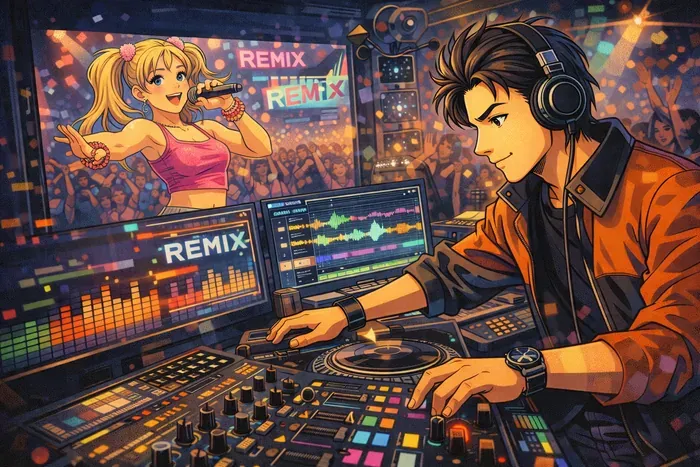
Remix Culture and the Extended Life of Pop Songs
One of disco’s most lasting gifts to pop was the idea that a song does not end with its first release. It can be extended, re-edited, re-voiced, remixed, and reintroduced to new audiences. In other words, a pop track can have more than one commercial and cultural life.
Club culture made that idea practical. DJs needed longer intros, clearer beats, and more flexible structures for mixing. Producers responded with extended versions, dub mixes, and alternative edits that treated the recording as adaptable material rather than a fixed object. This was not only a technical change. It also changed how the industry thought about value. A successful song could be refreshed without being replaced.
By the late twentieth century, remixing had become a strategic tool across mainstream pop. Dance remixes helped ballads enter clubs. Feature versions helped songs cross into hip hop or R&B radio. International edits allowed labels to reframe tracks for new markets. Sometimes the remix remained secondary. In other cases, it overtook the original and became the version most listeners remembered.
This logic continues in the digital era, even when the tools look different. A song may return through a sped-up edit, an acoustic version, a remix with a new featured artist, or a short clip that catches fire on social media. Streaming makes this especially powerful because the old and new versions can coexist instantly. Audiences can compare them, circulate them, and reactivate them with very little friction.
Remix culture connects several moments in pop history that might otherwise seem separate. The 12-inch disco single, the 1990s club mix, the 2000s guest-feature reissue, and the viral TikTok re-edit all rely on the same basic idea. If a song has a strong core, it can be reframed for a different context and find new life.
That ability to extend lifespan is one reason pop remains so commercially resilient. A hit is not just a moment of release. It is a flexible asset that can return under new social, technological, and stylistic conditions.
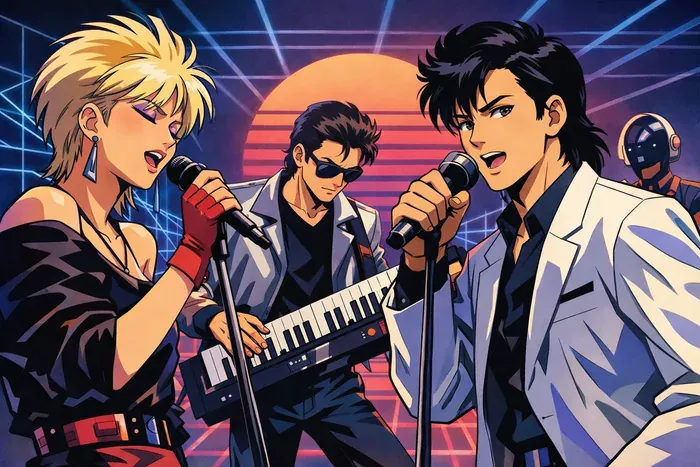
Synth Pop and the Electronic Turn in Mainstream Music
During the late 1970s and early 1980s, pop music entered a new sonic landscape. Electronic instruments that had once been expensive and experimental began appearing more frequently in recording studios. Synthesizers, drum machines, and sequencers allowed musicians to create textures that traditional rock instruments could not easily produce. These tools did not replace earlier pop styles. Instead, they expanded the palette of sounds available to producers and performers.
For many artists, electronic instruments opened a path toward a different kind of songwriting. Instead of building songs primarily around guitars or pianos, musicians could design entire arrangements through layers of programmed rhythm and synthesized tones. The results often felt modern and slightly futuristic, reflecting a cultural moment fascinated with technology and new media.
European artists played a central role in this development. Their recordings explored minimal rhythms, mechanical textures, and melodic simplicity that worked well on radio. Over time, these experiments helped shape the style that journalists later described as synth pop.
The influence of this movement reached far beyond its original scenes. Electronic production methods gradually entered mainstream pop, where they transformed how songs were written, recorded, and performed.
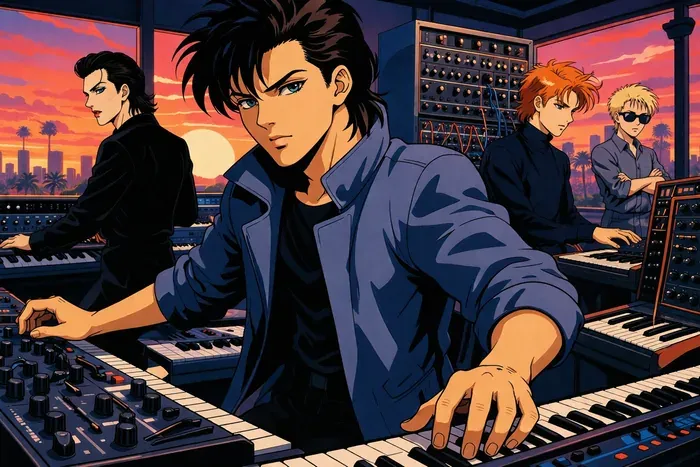
Synthesizers, Sequencers, and Electronic Pop
Electronic instruments had existed in experimental music for decades, yet they rarely appeared in mainstream recordings before the 1970s. Early synthesizers were large, expensive machines that required specialized knowledge to operate. Only a handful of studios and musicians could afford them. As technology improved, these instruments became more reliable and easier to integrate into popular music.
One group that demonstrated the artistic potential of electronic sound was Kraftwerk. Formed in Düsseldorf, Germany, Kraftwerk approached music with a minimalist philosophy. Their compositions often relied on steady rhythmic patterns, precise electronic tones, and carefully structured melodies. Albums such as Autobahn and The Man-Machine presented a sound that felt both mechanical and strangely warm. The group’s aesthetic reflected a fascination with modern technology, transportation, and communication networks.
Kraftwerk’s influence reached musicians far beyond Germany. Many artists discovered that synthesizers could produce melodies that were simple yet striking. Electronic instruments also allowed performers to create repeating sequences that gave songs a steady, hypnotic quality. This rhythmic consistency worked particularly well in clubs and dance venues, where audiences responded strongly to clear beats and recognizable patterns.
Another key figure in bringing electronic production into pop was Italian producer Giorgio Moroder. Working primarily in Munich during the 1970s, Moroder helped shape the sound of disco through the use of synthesizers and sequencers. His collaboration with singer Donna Summer produced the track “I Feel Love,” released in 1977. The song’s pulsing electronic bass line and steady rhythmic structure created a sound that felt radically modern at the time.
“I Feel Love” demonstrated how electronic production could transform a pop recording. Instead of relying on a full band arrangement, the track built its atmosphere through layers of synthesized rhythm. The result felt spacious yet energetic. Many later musicians cited the song as an early blueprint for electronic dance music.
As synthesizers became more common in studios, producers began exploring new combinations of electronic and traditional instruments. Guitarists, drummers, and keyboard players experimented with hybrid arrangements that blended human performance with programmed sequences.
These developments prepared the ground for a new generation of artists who would place electronic instruments at the center of their sound. In the early 1980s, several bands across Europe embraced this approach and brought synth-driven pop directly into the global charts.
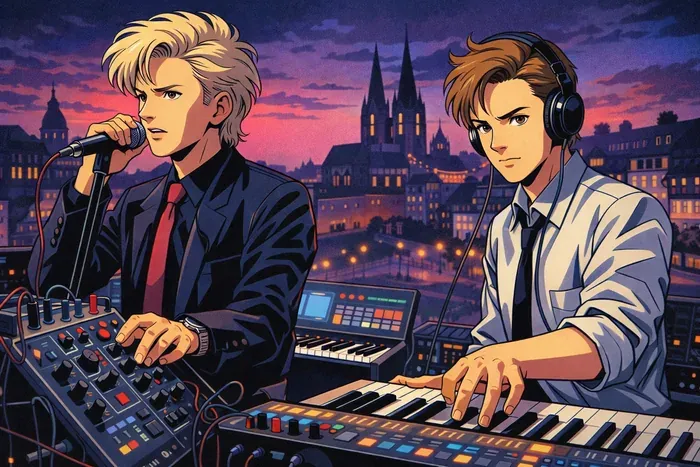
European Synth Pop Comes of Age
As synthesizers became easier to use and more affordable during the late 1970s and early 1980s, several European artists began building entire musical identities around electronic sound. These musicians were not simply adding synthesizers to existing arrangements. They treated the instruments as the central voice of their music. The result was a new wave of pop that sounded modern, precise, and often slightly futuristic.
One of the early figures who helped introduce electronic pop to a wider audience was Gary Numan. His 1979 single “Cars” became an international hit and demonstrated how minimal electronic arrangements could still feel powerful and memorable. The song relied on sharp synthesizer lines and a steady mechanical rhythm rather than traditional guitar-driven rock structures. Numan’s stage persona, which often drew on science fiction imagery, reinforced the connection between electronic music and a technological aesthetic.
Around the same time, another influential group began shaping the direction of synth-based pop. Depeche Mode emerged from the English town of Basildon and quickly developed a distinctive sound built around synthesizers, drum machines, and layered vocal melodies. Early singles such as “Just Can’t Get Enough” introduced a playful electronic style that worked well on radio and dance floors.
As the band evolved, their music grew darker and more emotionally complex. Albums like Black Celebration and Music for the Masses explored themes of longing, faith, and personal conflict while maintaining a strong electronic foundation. Depeche Mode’s concerts attracted large audiences across Europe and North America, proving that synth-driven pop could fill major arenas.
Another defining moment for the genre arrived in 1985 with the release of “Take On Me” by the Norwegian band A-ha. The song’s bright synthesizer melody and soaring vocal performance gave it immediate appeal. Its music video, which blended animation with live action, became one of the most memorable visual moments of the MTV era. The success of “Take On Me” demonstrated how electronic pop could combine technical innovation with strong emotional storytelling.
Across Europe, many other artists explored similar sonic territory. Groups such as the Human League and Yazoo experimented with synthesizers while maintaining a clear pop sensibility. Their songs balanced mechanical rhythms with expressive vocal lines, creating a sound that felt both modern and accessible.
The European synth pop movement showed that electronic instruments could support not only experimental music but also widely loved pop songs. These recordings expanded the possibilities of studio production and influenced musicians across multiple genres.
As the decade progressed, electronic pop began merging with dance music culture and club scenes. This connection would bring synth-based sounds even deeper into the mainstream pop landscape.

How Club Culture Changed Pop Structure
As the 1980s progressed, the relationship between pop music and dance culture grew stronger. Clubs and dance floors became important testing grounds for new sounds. DJs played records that emphasized rhythm, groove, and atmosphere. Producers paid close attention to those spaces because they revealed how audiences physically responded to music.
One of the artists who understood this connection especially well was Madonna. When she began releasing music in the early 1980s, her recordings drew heavily from dance music traditions that had developed in New York clubs. Songs like “Holiday” and “Into the Groove” combined synthesizers with steady drum machine patterns that encouraged movement. The tracks were simple in structure yet remarkably effective in clubs and on radio.
Madonna’s producers helped shape these recordings with careful attention to rhythm and arrangement. Bass lines and drum patterns were designed to keep dancers engaged, while vocal melodies remained clear and memorable. This balance allowed her music to succeed in multiple settings at once. A song could thrive in nightclubs while also reaching mainstream listeners.
Another group that explored the connection between electronic sound and pop songwriting was Pet Shop Boys. Formed in London, the duo created a style that blended dance rhythms with thoughtful lyrics and elegant synthesizer arrangements. Their 1987 album Actually included the hit single “It’s a Sin,” which demonstrated how emotional storytelling could exist within an electronic dance framework.
The Pet Shop Boys often approached their music with a sense of restraint. Instead of overwhelming listeners with complex arrangements, they favored clean production and carefully placed melodic details. Their songs moved easily between pop radio and club playlists, showing that electronic dance music could also support reflective themes and sophisticated songwriting.
Dance culture also influenced how pop songs were structured. Extended versions of tracks appeared on vinyl singles, allowing DJs to mix songs smoothly during club sets. These longer mixes sometimes included instrumental passages, rhythmic breakdowns, and repeated choruses that encouraged continuous dancing.
By the late 1980s, the boundary between pop and dance music had become increasingly flexible. Electronic rhythms shaped chart hits, while club DJs helped introduce new songs to enthusiastic audiences. The energy of dance culture gave pop music a renewed sense of movement and physical presence.
While rhythm and production were evolving rapidly, visual presentation also became an essential part of pop identity. Artists began paying greater attention to imagery, fashion, and performance style. This growing focus on visual storytelling would soon reach a new level with the arrival of music television.
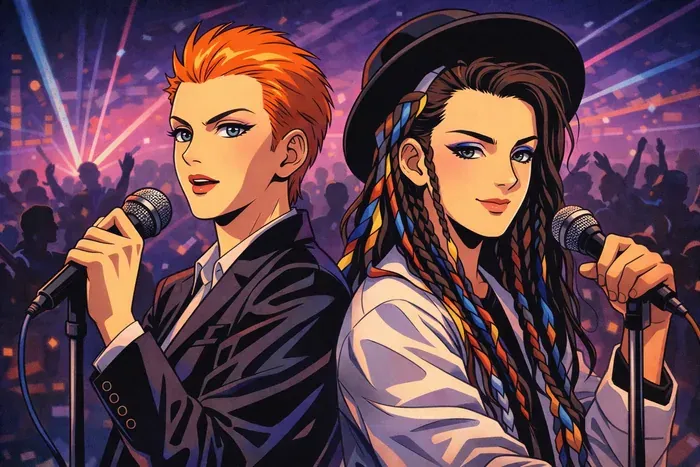
Breaking Boundaries: Annie Lennox, Boy George, and Gender in Pop
The rise of synth pop during the late 1970s and 1980s did more than introduce new sounds into popular music. It also changed how artists presented themselves. Electronic music scenes often encouraged experimentation with fashion, stage presence, and visual identity. In many cases, performers used these elements to question traditional ideas about gender and performance.
One of the most striking examples came from Annie Lennox of the duo Eurythmics. Lennox became widely known for her distinctive visual style during the early 1980s. In music videos and live performances she often appeared with short hair, tailored suits, and a calm, controlled stage presence. This presentation challenged expectations about how female pop stars should look or behave. Songs such as “Sweet Dreams (Are Made of This)” combined a stark electronic arrangement with Lennox’s expressive voice, creating a powerful contrast between emotional delivery and minimal production.
Lennox’s performances demonstrated that synth pop could offer space for artistic individuality. The music’s electronic foundation allowed vocalists to occupy the center of attention without competing against dense instrumental arrangements. Her voice carried both strength and vulnerability, qualities that resonated strongly with audiences.
Another artist who explored questions of identity and performance was Boy George, the lead singer of Culture Club. Boy George became one of the most recognizable figures of the early MTV era. His appearance, which blended elements of glam fashion, makeup, and colorful clothing, challenged traditional expectations of masculinity in mainstream pop.
Songs such as “Karma Chameleon” introduced Culture Club to international audiences while presenting a pop style that felt both playful and emotionally direct. Boy George’s voice carried a warm tone that contrasted with the striking visual image he presented on stage and in videos. This balance helped broaden the cultural conversation around identity in popular music.
Synth pop artists often embraced visual experimentation because their music already suggested a modern and forward-looking atmosphere. The connection between sound and image became particularly strong once music television began broadcasting performances directly into homes around the world.
By the early 1980s, the relationship between pop music and visual storytelling had become impossible to ignore. Artists who understood the power of imagery could strengthen the impact of their songs far beyond the recording itself.
This connection reached a new stage in 1981, when a cable television channel devoted entirely to music videos began broadcasting. The arrival of MTV would soon transform how pop stars connected with their audiences.
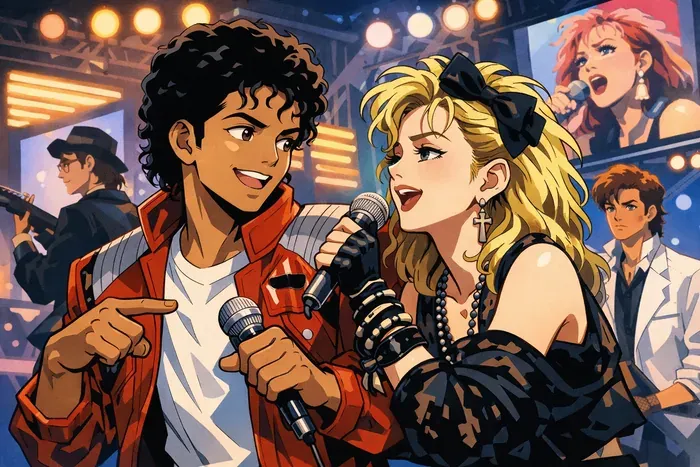
MTV and the First Visual Peak of Pop
When MTV began broadcasting on August 1, 1981, pop music entered a new visual era. The channel famously opened with “Video Killed the Radio Star” by the Buggles, a fitting symbol for the shift that followed. Songs had always been connected to performance, yet music videos introduced a different scale of storytelling. Artists were no longer heard only through radio speakers or records. They appeared directly on television screens, bringing fashion, choreography, and cinematic imagery to the center of pop culture.
The music video quickly became one of the most powerful promotional tools in the industry. Record labels invested heavily in visual production because a compelling video could push a song into global rotation. Viewers discovered artists not just through sound but through personality, movement, and visual narrative. The relationship between music and image grew stronger with each broadcast.
For performers, this shift created new opportunities and new expectations. Stage presence, clothing, and visual creativity began shaping how audiences perceived a song. Artists who understood this connection often built careers that extended beyond the recording studio.
Throughout the 1980s and early 1990s, music videos helped transform pop into a multimedia experience. Songs, visuals, and public image blended into a single cultural language that audiences around the world could immediately recognize.
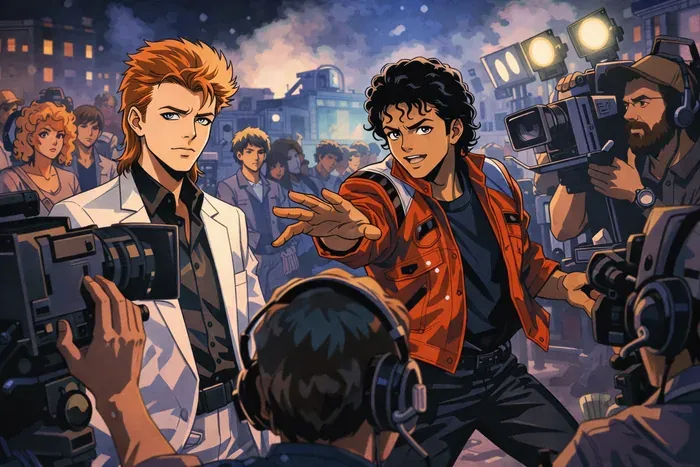
Thriller and the Music Video as Event
The early years of music television quickly proved that visual storytelling could reshape the impact of a pop song. A well-crafted video allowed artists to present their music in a vivid narrative form. Instead of imagining the world behind a song, viewers could now see characters, movement, and atmosphere unfold on screen.
Few artists used this new medium more effectively than Michael Jackson. His work during the early 1980s transformed the music video from a simple promotional clip into a carefully constructed short film. Jackson already enjoyed international success through albums such as Off the Wall. Yet his collaboration with producer Quincy Jones on Thriller elevated pop music to an entirely new level of visibility.
The video for the song “Thriller,” released in 1983, became one of the most influential visual productions in music history. Directed by filmmaker John Landis, the video combined horror imagery, dance choreography, and cinematic storytelling. At nearly fourteen minutes in length, it resembled a short film rather than a traditional promotional video. The choreography sequence, with dancers moving in synchronized patterns behind Jackson, quickly became iconic.
What made the “Thriller” video especially powerful was its ability to merge music and narrative. The story unfolded through dialogue, acting, and dramatic pacing, yet the central dance sequence returned attention to the song itself. Viewers experienced the track not only as a piece of music but as a visual event.
Other artists quickly recognized the potential of this approach. Music videos became more ambitious, incorporating elaborate sets, costume design, and storytelling elements that rivaled film production. Record labels began allocating significant budgets for video shoots, knowing that strong visuals could help a song dominate television rotation.
For audiences, this transformation changed how pop music was consumed. Fans waited for new videos to premiere, discussed them with friends, and imitated the fashion and choreography they saw on screen. Pop songs now carried visual identities that strengthened their presence in public culture.
The success of artists like Michael Jackson demonstrated that pop stardom had entered a new phase. Musicians were no longer only recording artists. They were also visual performers whose creativity extended into film, dance, and fashion.
This visual emphasis soon opened new possibilities for other pop stars who understood how image could amplify the emotional impact of their music.
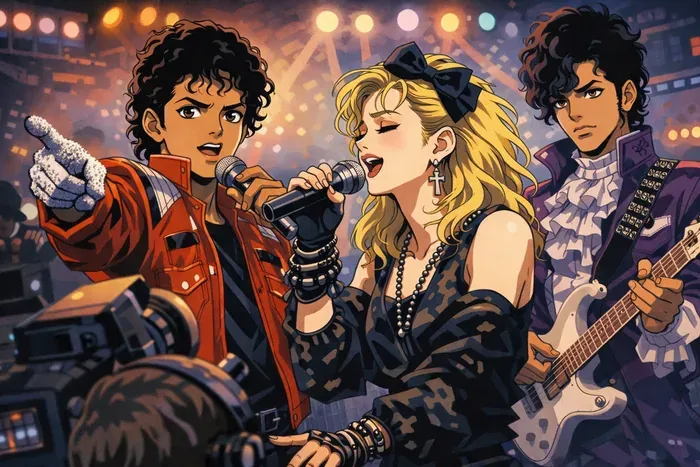
Madonna and Janet Jackson: Masters of Image and Performance
As music videos became central to pop culture, several female artists discovered how strongly visual presentation could shape their careers. The connection between sound, fashion, and performance allowed them to build identities that extended far beyond individual songs. Among the most influential figures in this transformation was Madonna.
From the beginning of her career in the early 1980s, Madonna approached pop music as both a sonic and visual form. Her songs often drew from dance music traditions, yet her image evolved constantly from one release to the next. The video for “Like a Virgin,” released in 1984, introduced a playful blend of innocence and theatrical performance. Soon afterward, the video for “Material Girl” referenced the glamour of classic Hollywood musicals. Each project presented a slightly different version of the artist, inviting audiences to follow an ongoing narrative rather than a fixed persona.
Madonna’s ability to reinvent her public image became one of her defining strengths. Instead of repeating the same visual style, she treated each album era as a new creative chapter. Videos such as “Like a Prayer” combined religious imagery, choreography, and social themes in ways that generated both admiration and controversy. These bold artistic choices demonstrated how music videos could function as cultural statements rather than simple promotional material.
Another artist who reshaped visual storytelling in pop was Janet Jackson. Emerging from a famous musical family, Jackson gradually developed a style that blended strong choreography with emotionally expressive songwriting. Her collaboration with producers Jimmy Jam and Terry Lewis produced albums that balanced rhythmic precision and personal themes.
The video for “Rhythm Nation,” released in 1989, became one of the most memorable moments of the MTV era. Jackson and her dancers performed tightly synchronized choreography within a stark, industrial setting. The visual atmosphere emphasized discipline, unity, and strength. The performance style highlighted Jackson’s ability to combine dance, fashion, and music into one powerful statement.
Jackson’s work also demonstrated how music videos could reinforce lyrical messages. Songs about social awareness, independence, and self-confidence gained additional impact through carefully designed visual sequences. Her performances presented pop not only as entertainment but also as a form of artistic expression with cultural meaning.
Through the work of artists like Madonna and Janet Jackson, music videos became spaces where pop stars explored identity, power, and creativity. Visual storytelling expanded the emotional reach of their songs while shaping how audiences understood the artists themselves.
As the popularity of music television grew, the influence of directors, stylists, and filmmakers also increased. Music videos were becoming collaborative productions that blended multiple creative disciplines.
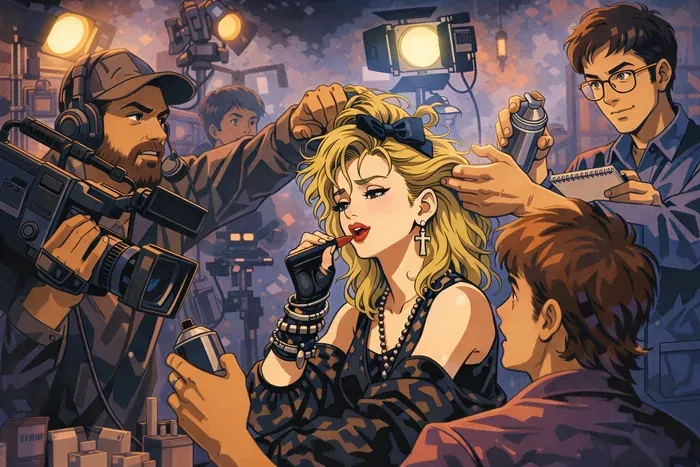
Directors, Stylists, and the Visual Labor of Pop
As music videos grew more ambitious during the 1980s and 1990s, the creative teams behind them expanded as well. Directors, cinematographers, choreographers, and fashion designers all played important roles in shaping the visual identity of pop artists. A successful video often depended on how these elements worked together. The song provided the emotional core, yet the imagery surrounding it could turn a recording into a cultural moment.
Music video directors began approaching their work in a way that resembled film production. Lighting, camera movement, and editing rhythms were carefully designed to match the structure of a song. Fast cuts often appeared during energetic choruses, while slower sequences highlighted quieter passages. These visual choices helped translate musical dynamics into images that viewers could follow intuitively.
Fashion quickly became another essential element of pop imagery. Clothing choices communicated personality and attitude even before the first note of a song played. Artists collaborated with stylists to create looks that audiences would immediately recognize. For some performers, a particular hairstyle, jacket, or stage outfit became as memorable as the music itself.
The influence of fashion could be seen clearly in the work of artists such as Madonna. Throughout her career, she worked with designers and stylists who helped translate her musical ideas into visual form. Stage costumes and video wardrobes often echoed themes from the songs themselves. When audiences watched a new Madonna video, they were encountering a complete aesthetic concept rather than a simple performance clip.
Other artists also benefited from this growing collaboration between music and visual design. Dance routines, costume changes, and carefully planned sets allowed performers to present a fully realized artistic world around their songs. These elements helped audiences remember specific images long after the music had ended.
The rise of iconic visual moments further strengthened the connection between pop and image. A single scene from a music video could circulate through television broadcasts, magazines, and fan discussions. These images helped define how entire eras of pop culture were remembered.
By the early 1990s, music videos had become one of the most important creative spaces in the music industry. Directors experimented with animation, narrative storytelling, and unusual visual effects. Artists embraced the opportunity to express ideas that extended beyond lyrics or melodies.
Meanwhile, the influence of music television continued spreading across national borders. The visual language of pop began reaching audiences far beyond the cities where these videos were produced. A global audience was gradually forming around shared images, shared sounds, and shared cultural references.
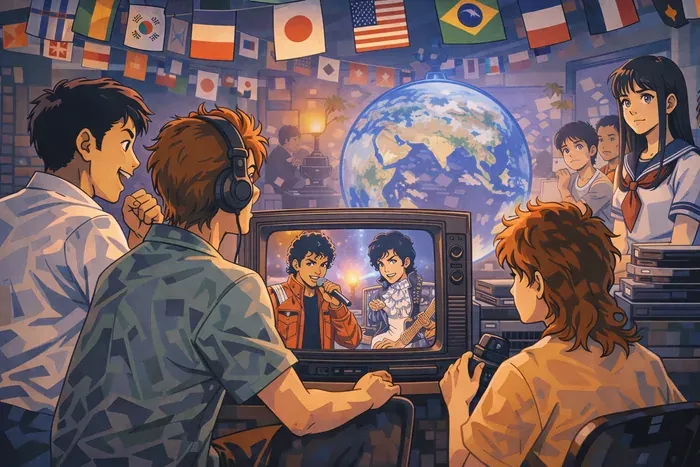
When Music Television Went Global
During the 1980s and early 1990s, the reach of MTV expanded far beyond its original American audience. International versions of the channel appeared in Europe, Asia, and Latin America, bringing the visual language of pop music to viewers across many different cultures. This expansion played a crucial role in turning pop into a truly global phenomenon.
Before this period, many music scenes developed primarily within national markets. Local radio stations and record labels promoted artists who were already familiar to domestic audiences. Music television introduced a different dynamic. A video produced in Los Angeles, London, or New York could now appear on television screens thousands of kilometers away. Viewers in multiple countries were exposed to the same performances, choreography, and fashion styles.
Artists quickly recognized the opportunities created by this new environment. A strong music video could introduce a performer to audiences who had never heard their songs on local radio. Visual storytelling helped overcome language barriers, allowing viewers to connect with rhythm, movement, and atmosphere even if they did not fully understand the lyrics.
Performers such as Michael Jackson and Madonna became global cultural figures partly because their videos circulated so widely. Fans from different countries watched the same choreography and shared similar visual references. These common experiences helped build an international pop culture that felt surprisingly unified.
MTV’s expansion also encouraged collaboration between artists and producers from different parts of the world. Musicians began touring more widely, appearing in international television programs and festivals. Pop music started to move more freely between regional markets, laying the groundwork for the global industry that would emerge in the following decades.
The strong emphasis on visuals gradually influenced how songs were produced as well. Choreography, stage performance, and cinematic storytelling became part of the creative planning process long before a video was filmed. Pop artists began imagining how their music would look as well as how it would sound.
This visual era reshaped expectations around pop stardom. A successful artist now needed more than a strong voice or a memorable melody. Image, movement, and narrative all became part of the experience audiences associated with a song.
The visual logic of pop did not disappear when cable television lost its former dominance. It migrated into new platforms and new viewing habits.
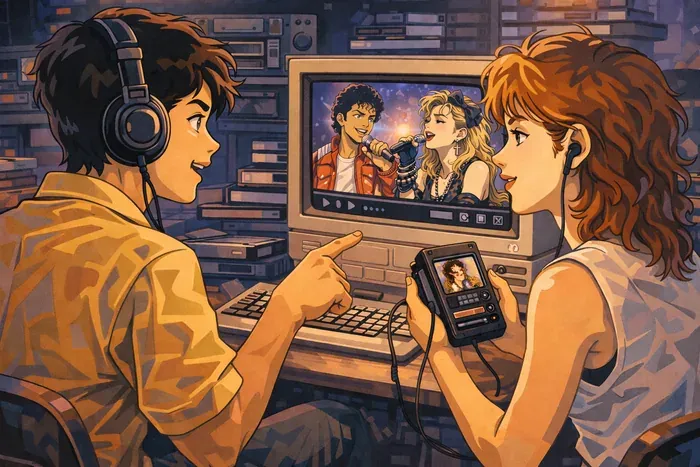
From TV Rotation to On-Demand Visual Pop
MTV changed the first great visual era of pop, but it did not own the last one. As the internet expanded in the 2000s, music video culture shifted from scheduled television to on-demand viewing. YouTube made videos searchable, replayable, and shareable in ways cable television never could. Vevo and label-controlled channels then helped turn official videos into a permanent digital archive as well as a promotional tool.
That change altered audience behavior. In the television era, fans often waited for a premiere or caught a video by chance in rotation. Online platforms gave them more control. They could replay a choreography sequence, pause to study fashion details, share links instantly, or compare multiple live and studio versions of the same song. Viewership became less tied to broadcast timing and more tied to active fan participation.
The economics changed too. A music video no longer served only as support for radio or TV promotion. It could become a destination in its own right, attracting views, advertising revenue, media coverage, and fan analysis. Some releases were still cinematic events, especially for major stars. Others were built for faster circulation, designed to travel through embeds, clips, and social reposts.
The form itself also became more flexible. Long-form narrative videos continued. At the same time, many artists worked across several visual formats at once: official video, lyric video, dance practice video, live session, vertical clip, teaser fragment, and behind-the-scenes edit. In the social era, a song’s visual identity is rarely just one definitive video. It is a constellation of related images.
This second visual era also made pop more participatory. Fans no longer only watched. They responded with reaction videos, choreography covers, edits, memes, tutorials, and short-form reinterpretations. The line between official promotion and audience extension became softer. The video remained central, but its life became more distributed.
Seen this way, post-MTV pop did not become less visual. It became visually everywhere. What changed was not the importance of the image, but the system through which the image moved.
When R&B, Soul, and Funk Reshaped the Mainstream
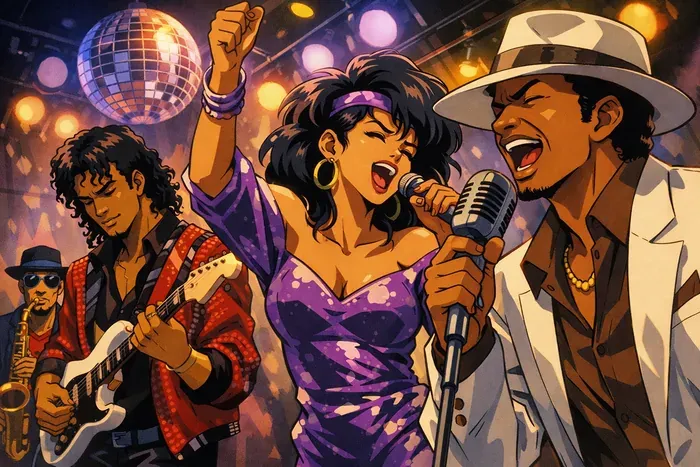
While image was becoming more central in the MTV era, the sound of pop was changing just as decisively. As the 1990s approached, pop continued to evolve through constant exchange with other genres. Among the most influential were rhythm and blues, soul, and funk. These traditions had shaped popular music for decades, yet their presence within mainstream pop became especially visible during the late twentieth century. Vocal techniques, rhythmic structures, and production styles from Black musical traditions began merging more openly with the language of pop songwriting.
This shift created a new kind of crossover artist. Singers with roots in gospel or R&B traditions entered the pop charts with recordings that combined emotional vocal delivery with polished mainstream production. Audiences responded strongly to these performances because they carried both technical skill and emotional intensity.
Producers also played a crucial role in this transition. Studio arrangements increasingly blended electronic rhythms, funk bass lines, and layered vocal harmonies. The result was a sound that remained familiar to pop audiences while drawing on deeper musical traditions.
Several artists from this period helped redefine the relationship between pop and R&B. Their recordings expanded the emotional range of mainstream music and demonstrated how flexible the pop format could become.
Whitney Houston and Mariah Carey: Voices That Defined an Era
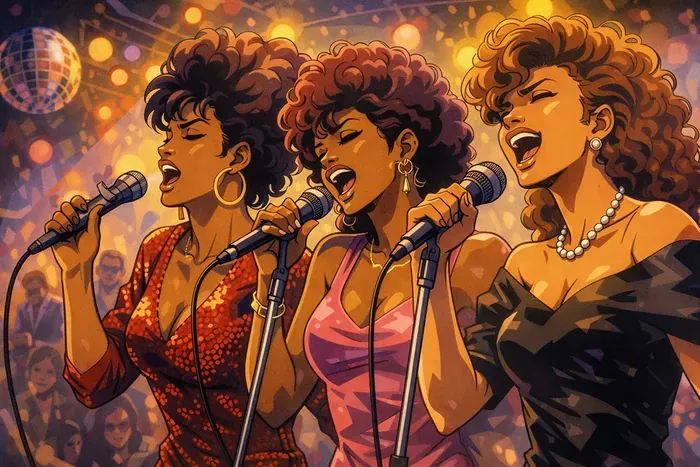
During the late 1980s and 1990s, several singers with strong roots in gospel and rhythm and blues achieved extraordinary success within the pop charts. Their voices carried a level of expressive power that expanded the emotional possibilities of mainstream music. Two of the most influential figures in this transformation were Whitney Houston and Mariah Carey.
Whitney Houston’s rise to international prominence during the mid-1980s showed how a technically remarkable voice could reshape the sound of pop. Her debut album, released in 1985, produced several hit singles, including “Saving All My Love for You” and “How Will I Know.” Houston’s vocal style combined precise control with emotional intensity. Many listeners were struck by the clarity of her tone. They also noticed the ease with which she moved through complex melodic phrases.
Her later recordings continued strengthening this connection between soul tradition and pop accessibility. The ballad “I Will Always Love You,” featured in the 1992 film The Bodyguard, became one of the best-selling singles in music history. Houston’s performance highlighted the dramatic potential of the pop ballad while maintaining strong roots in gospel vocal expression.
A few years later, Mariah Carey entered the pop landscape with a vocal style that combined technical agility and emotional nuance. Her 1990 debut album introduced listeners to a singer capable of moving smoothly between lower register phrasing and soaring high notes. Songs such as “Vision of Love” demonstrated an ability to shape melodies with remarkable flexibility.
Carey’s influence extended beyond vocal technique. As her career progressed, she increasingly participated in songwriting and production decisions. Albums like Daydream and Butterfly incorporated elements of hip hop and contemporary R&B, reflecting the changing musical environment of the 1990s.
Both Houston and Carey helped expand the expectations placed on pop vocalists. Their recordings showed that mainstream success could coexist with complex vocal artistry rooted in long-standing musical traditions. They also influenced a generation of singers who viewed expressive vocal performance as central to pop identity.
By blending gospel-influenced singing with contemporary studio production, these artists strengthened the relationship between R&B and pop music. Their success encouraged producers and record labels to explore even deeper collaborations between these musical worlds.
The influence of funk rhythms and experimental songwriting would soon push this blending of genres even further.
Prince and the Expansion of Pop Form
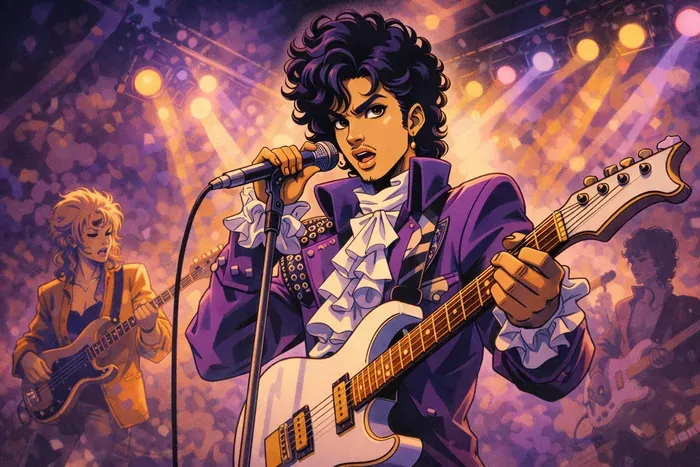
While powerful vocalists reshaped pop through soul and gospel influences, another artist expanded the genre in a different direction. Prince approached pop music with an unusual mixture of funk, rock, electronic experimentation, and deeply personal songwriting. His work during the 1980s showed that mainstream music could remain accessible while still exploring bold creative ideas.
Prince first gained wide attention with albums such as 1999 and later Purple Rain. These recordings blended tight funk rhythms with dramatic melodies and layered studio production. Songs like “When Doves Cry” surprised listeners by removing the bass line entirely, a striking choice in a genre often built around rhythmic groove. The track still became one of the most recognizable pop hits of the decade, demonstrating Prince’s ability to challenge musical expectations without losing audience appeal.
His recordings often reflected multiple roles at once. Prince wrote the songs, performed most of the instruments, arranged the tracks, and oversaw production. This level of creative control allowed him to shape every detail of the final sound. The music felt highly personal while still reaching mainstream audiences around the world.
Funk traditions remained central to Prince’s musical identity. Tight rhythmic patterns, expressive guitar lines, and syncopated keyboard parts created a sense of movement that encouraged both listening and dancing. His songwriting also explored emotional vulnerability, spirituality, and personal freedom. These themes gave his music a depth that extended beyond the dance floor.
Prince’s visual presentation also played an important role in his influence on pop culture. His stage performances blended theatrical elements, striking costumes, and confident choreography. This visual style complemented the adventurous character of his music and reinforced the idea that pop artistry could include strong individual expression.
Throughout the 1980s and early 1990s, Prince’s work demonstrated how pop music could remain open to experimentation. His songs moved fluidly between genres while maintaining strong melodic structure. Many later artists cited his recordings as inspiration for combining different musical traditions within a single track.
The success of Prince revealed that pop did not need to choose between artistic ambition and broad appeal. His music proved that innovation could thrive within the mainstream if the songwriting remained compelling.
As the decade continued, rhythmic experimentation in pop expanded even further. Producers and performers began drawing more openly from hip hop production techniques, bringing new textures and rhythmic ideas into the center of the pop sound.
Janet Jackson: The Blueprint for Modern Pop Performance
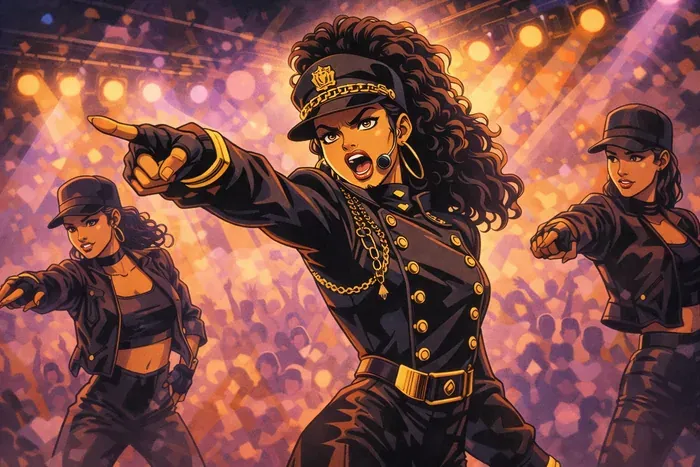
During the mid and late 1980s, another artist reshaped the connection between rhythm, choreography, and pop songwriting. Janet Jackson developed a style that blended tight dance grooves with carefully constructed pop melodies. Her recordings demonstrated how rhythmic precision and visual performance could reinforce each other, creating a powerful artistic identity.
Jackson’s artistic breakthrough arrived with the album Control in 1986. Working with producers Jimmy Jam and Terry Lewis, she introduced a sound built around crisp drum machine patterns, layered synthesizers, and confident vocal delivery. Songs such as “Nasty” and “What Have You Done for Me Lately” carried a strong rhythmic drive while presenting themes of independence and self-definition. The album marked a turning point in Jackson’s career, establishing her as an artist with a clear creative voice.
The collaboration between Jackson and her producers created a distinctive sonic atmosphere. Drum machines provided steady rhythmic frameworks, while keyboards and bass lines added movement and texture. Jackson’s vocals often sat slightly above the groove rather than dominating it, allowing the rhythm section to carry much of the track’s energy. This balance helped create a sound that felt both danceable and emotionally direct.
The follow-up album Rhythm Nation 1814, released in 1989, expanded these ideas further. The record combined socially aware lyrics with carefully structured pop production. Tracks such as “Rhythm Nation” and “Miss You Much” blended funk-influenced grooves with polished studio arrangements. The album’s choreography-centered music videos reinforced the emphasis on rhythm and collective movement.
Jackson’s visual presentation also became central to her artistic identity. Precision choreography, coordinated costumes, and disciplined stage performances gave her concerts a sense of unity and focus. Audiences experienced the music not only through sound but also through the visual energy of synchronized dance.
Her work influenced many later performers who integrated dance and pop songwriting into a single creative approach. Artists across pop and R&B adopted similar production techniques, especially the use of drum machines and layered rhythm programming.
Janet Jackson’s recordings showed that pop could carry strong rhythmic character without losing melodic clarity. The balance between groove and songcraft helped broaden the genre’s musical vocabulary. Her work also strengthened the ongoing exchange between pop and R&B traditions, encouraging producers to explore even more adventurous rhythmic textures.
During the 1990s, these rhythmic influences expanded further through the growing presence of hip hop production within mainstream pop recordings.
Hip Hop and the Rhythmic Rewriting of Pop
By the late 1990s and early 2000s, the relationship between pop and hip hop had become increasingly visible. Rhythmic patterns, sampling techniques, and studio production styles from hip hop began appearing regularly in mainstream pop recordings. Producers played a central role in this shift, shaping songs that combined the clarity of pop songwriting with the groove and texture of hip hop beats.
One of the most influential figures in this movement was Timbaland. His production style stood out immediately because of its unusual rhythms and distinctive sound design. Instead of relying only on traditional drum machine patterns, Timbaland often built beats using vocal fragments, handclaps, and unexpected percussive textures. These elements created a sense of movement that felt fresh and slightly unpredictable.
Timbaland’s collaborations with Missy Elliott helped introduce this style to a wide audience. Songs such as “Get Ur Freak On” combined minimalist beats with bold vocal delivery and playful lyrical ideas. The production felt spacious yet rhythmically complex, leaving room for Elliott’s personality to shine through the track.
This approach soon influenced pop artists who wanted their music to sound contemporary and rhythmically engaging. Producers began blending hip hop beats with melodic choruses designed for radio audiences. The structure often placed rap verses or rhythm-focused sections alongside highly melodic hooks. These combinations allowed songs to appeal to multiple listening communities at once.
Missy Elliott’s work demonstrated how strongly personality could shape the identity of a pop recording. Her performances balanced humor, creativity, and confident stage presence. Music videos accompanying her songs often featured imaginative visual concepts that matched the experimental character of the production.
At the same time, other pop artists incorporated hip hop elements into their own recordings. Rhythmic loops, electronic bass lines, and syncopated percussion became common features of chart hits. The boundary between pop and hip hop gradually softened as audiences embraced songs that blended both traditions.
This crossover also influenced the broader sound of mainstream radio. Producers experimented with different rhythmic patterns and digital production tools, giving pop recordings a sharper and more contemporary edge. Vocalists adapted their phrasing to fit these grooves, often delivering lines with a conversational rhythm influenced by rap.
By the early 2000s, pop music had absorbed many elements from hip hop production. The genre’s flexibility allowed these influences to coexist with melodic songwriting and strong vocal performances.
Another aspect of pop culture was also becoming more important. Fans were organizing themselves into dedicated communities around specific artists and groups. Their collective enthusiasm would soon play a major role in shaping the careers of many pop performers.
Fan Culture and the Engine of Group Pop
Pop music has always depended on audiences who feel personally connected to artists. In some periods, that connection grows especially strong. Boybands and girl groups became one of the clearest examples of this dynamic. Their success depended not only on music but also on the communities of fans who supported them.
These groups often combined carefully arranged vocal harmonies with coordinated stage performances. Each member usually represented a slightly different personality, giving listeners someone they could relate to. Fans followed interviews, magazine features, television appearances, and concert tours with intense dedication. The relationship between artists and audiences became part of the experience itself.
This model appeared in different forms across several decades. Early girl groups established the emotional style of pop harmony singing. Later boybands expanded the format through large-scale tours and global marketing. In the twenty-first century, similar ideas reappeared within the training systems of international pop industries.
Through all these phases, fan communities remained central. Their enthusiasm shaped record sales, concert attendance, and media attention. The energy of these audiences helped transform vocal groups into some of the most recognizable acts in pop history.
Girl Groups and the Harmony Blueprint
Long before modern boybands dominated the charts, vocal harmony groups formed an important part of pop history. During the early 1960s, several female groups helped define a style built around expressive singing, strong melodies, and emotional storytelling. Their recordings established patterns that later vocal groups would continue to follow.
One of the most influential examples was The Ronettes. Produced by Phil Spector, their recordings captured the dramatic character of the “Wall of Sound” approach developed in Los Angeles studios. The song “Be My Baby,” released in 1963, opened with a striking drum pattern that immediately drew listeners into the track. Layered instruments and vocal harmonies created a powerful atmosphere that supported the lead voice of Ronnie Spector.
Another group that shaped the early language of pop harmony singing was The Supremes. Working within the Motown system, the trio achieved remarkable success throughout the 1960s. Songs such as “Where Did Our Love Go” and “You Can’t Hurry Love” featured polished arrangements and memorable melodic lines. Diana Ross’s lead vocals carried a calm clarity that contrasted beautifully with the layered harmonies behind her.
The Supremes also demonstrated how image and presentation could reinforce musical identity. Their stage performances often included elegant costumes and carefully coordinated movements. This visual element helped audiences connect with the group beyond the recordings themselves.
Girl groups during this period often explored themes of romance, longing, and emotional vulnerability. The lyrics spoke directly to listeners who recognized similar experiences in their own lives. The songs felt personal and immediate, even when delivered within highly produced studio arrangements.
These early groups also influenced how later producers approached vocal harmony. The balance between a clear lead singer and supportive backing voices became a familiar pattern in pop songwriting. Many later artists adopted this structure because it allowed strong individual expression while maintaining a collective sound.
The cultural impact of girl groups extended beyond the music industry. Their recordings reached international audiences and inspired countless young singers who wanted to form their own groups.
As the decades progressed, a similar formula began appearing among male vocal groups. Their style would soon develop into the boyband phenomenon that dominated the pop charts of the late twentieth century.
Boybands and the Economics of Identification
During the 1990s, vocal harmony groups returned to the center of pop music in a new form. Boybands became one of the most commercially successful formats of the decade. Their music combined polished studio production with tightly arranged vocal harmonies, while their public image focused on friendship, charisma, and emotional accessibility.
Among the most prominent examples were the Backstreet Boys. Formed in the early 1990s, the group built its reputation through international touring before achieving massive success in the United States. Their songs balanced romantic themes with memorable melodies that worked well on radio. Tracks such as “Quit Playing Games (With My Heart)” and “I Want It That Way” showed how harmony singing could remain central to pop songwriting, even within highly produced studio arrangements.
The group’s success also showed how strongly fans connected with the personalities of individual members. Each singer represented a slightly different character within the group dynamic. This structure allowed audiences to identify with a particular performer while still supporting the group as a whole. Fan clubs, posters, and television appearances strengthened these connections.
A similar model appeared with the British group Take That. Emerging earlier in the decade, they helped establish the blueprint that later boybands would follow. Their concerts combined energetic choreography with strong vocal performance, creating a spectacle that appealed strongly to teenage audiences. Songs such as “Back for Good” highlighted a softer and more emotional side of the group’s musical identity.
Behind the scenes, producers and songwriters carefully shaped the sound of these groups. Studio recordings often relied on layered vocal arrangements supported by electronic rhythms and polished instrumental backing. The goal was to create songs that felt both intimate and widely accessible.
The boyband format also depended heavily on touring and media exposure. Live performances reinforced the sense of connection between artists and fans. Television programs, magazine interviews, and radio appearances helped maintain constant public visibility. These elements created an environment where audiences felt closely involved in the careers of the performers they admired.
Economically, boybands represented a highly effective model for the pop industry. Album sales, concert tours, and merchandise all contributed to a coordinated entertainment ecosystem. The music remained central, yet the surrounding fan culture amplified the impact of every release.
As the decade progressed, another type of vocal group began redefining the role of women within pop ensembles. Their message and musical style would soon reshape how audiences thought about identity, confidence, and collective performance.
Girl Power, Branding, and Female Group Pop
During the mid 1990s, a new generation of female groups reshaped the language of pop music. While earlier girl groups had focused primarily on romantic storytelling, these performers introduced a stronger emphasis on confidence, independence, and friendship. Their music spoke directly to young listeners who were beginning to think about identity and self-expression in new ways.
One of the most influential groups of this period was the Spice Girls. Formed in the United Kingdom, the group quickly became a global pop phenomenon after the release of their debut single “Wannabe” in 1996. The song’s playful energy and instantly recognizable chorus helped it reach the top of charts in numerous countries.
The Spice Girls built their identity around the phrase “Girl Power,” a message that encouraged young listeners to value confidence and solidarity. Each member represented a distinctive personality, from the sporty and energetic character of Melanie C to the glamorous presence of Victoria Beckham. This structure allowed fans to identify with individual members while still feeling part of a shared community.
Their success extended far beyond music recordings. The group’s colorful style, lively interviews, and energetic performances turned them into cultural icons. Concert tours attracted enormous audiences, and merchandise ranging from posters to clothing appeared in shops around the world. The Spice Girls demonstrated how pop music could become part of everyday youth culture.
Another group that influenced the direction of female pop ensembles was Destiny’s Child. Emerging from the American R&B scene, the trio combined strong vocal harmonies with rhythmic production rooted in contemporary R&B and hip hop. Songs such as “Say My Name” showcased tight vocal arrangements and confident lyrical themes.
The members of Destiny’s Child often performed with carefully coordinated choreography, reinforcing the visual dimension of their music. Their recordings balanced emotional storytelling with themes of independence and resilience. These ideas resonated strongly with audiences who appreciated both the musical precision and the message of empowerment.
Through groups like the Spice Girls and Destiny’s Child, the late 1990s expanded the role of women within pop ensembles. Their music encouraged listeners to see friendship and collective strength as sources of creative energy.
As the global pop industry continued evolving, the idea of carefully organized vocal groups would appear once again in a different cultural context. In the following decades, the idol systems of East Asian pop industries would adapt many of these ideas while introducing their own training structures and performance traditions.
The K-pop Idol System and Industrial Training
As the twenty-first century approached, the idea of carefully organized vocal groups appeared in a new cultural environment. In South Korea, entertainment companies developed a structured training system designed to prepare young performers for careers in pop music. This model combined vocal coaching, dance training, language study, and media preparation. Internationally, it became known as the K-pop idol system.
Unlike many earlier pop groups, K-pop acts often trained for several years before releasing their first recordings. Entertainment companies assembled teams of producers, choreographers, and stylists who worked closely with the performers. Songs, stage routines, and visual concepts were developed together so that every aspect of the group’s presentation felt cohesive.
One of the early groups that helped bring international attention to this approach was Girls’ Generation. Debuting in 2007, the group quickly gained popularity across Asia. Their music blended bright pop melodies with carefully synchronized choreography. Songs such as “Gee” became widely recognized for their energetic performances and colorful visual style.
K-pop groups often rely heavily on coordinated dance routines that match the structure of a song. Each member contributes both vocally and visually to the performance, creating a sense of unity on stage. Music videos and live performances highlight these synchronized movements, giving the audience a clear visual focus.
In later years, another group achieved remarkable global recognition within this system. BTS expanded the international reach of K-pop through a combination of strong songwriting, complex choreography, and active communication with fans. Their music explored themes such as personal growth, self-reflection, and social pressure. These topics resonated with listeners from many different cultural backgrounds.
The group’s connection with fans developed partly through social media platforms, where members shared behind-the-scenes moments and personal reflections. This openness helped create a strong community around the group’s music. Fans often referred to themselves collectively as “ARMY,” demonstrating the sense of belonging that K-pop communities can inspire.
K-pop’s global success showed how adaptable the pop group format had become. The structure of vocal harmony, choreography, and distinct personalities remained familiar, yet the production systems supporting these artists reflected a different cultural framework.
By the early 2010s, pop music had become an increasingly international network of styles, industries, and audiences. At the same time, technological change was reshaping how listeners discovered and consumed music. A new digital environment was beginning to alter the entire economic structure of the pop industry.
Digital Distribution and the Collapse of the CD Order
As pop became more international, its business model was also starting to break apart. At the end of the 1990s, the music industry entered one of the most turbulent periods in its history. For decades, record sales had been built around physical formats. Vinyl records, cassette tapes, and later compact discs provided the economic foundation for artists, labels, and retailers. A new technological shift suddenly disrupted that structure.
The spread of personal computers and faster internet connections changed how people accessed music. Songs could now be shared as digital files that moved easily between devices. This development altered listening habits almost overnight. Instead of purchasing entire albums in a store, many listeners began downloading individual tracks.
For record labels, the transition created serious uncertainty. Revenue from physical sales declined rapidly while the legal and economic framework for digital distribution remained unclear. Artists, producers, and executives had to reconsider how music could reach audiences in this new environment.
Digital technology also opened unexpected opportunities. Independent musicians gained new ways to share their work, and fans discovered artists through online communities rather than traditional radio playlists.
The early years of digital music reshaped the entire ecosystem of pop, setting the stage for the streaming era that would follow.

Napster and the Collapse of the CD Economy
In 1999, a small software program triggered one of the most dramatic disruptions the music industry had ever experienced. Napster allowed users to share digital music files directly with each other through the internet. Instead of purchasing albums in stores, listeners could download songs from the computers of other users within minutes.
The program spread rapidly among college students and technology enthusiasts. Many users viewed it as a convenient way to explore new music without paying for physical CDs. Within a short time, millions of songs circulated across the network. Entire albums could appear online soon after their release.
For record companies, the consequences were immediate and alarming. CD sales had been the dominant source of industry revenue throughout the 1990s. Napster’s file sharing model bypassed the traditional system of record stores, distributors, and licensing agreements. Labels argued that unauthorized downloads violated copyright law and threatened the financial foundation of the music business.
Several artists also expressed strong opinions about the new technology. Some musicians feared that uncontrolled file sharing would reduce their income from album sales. Others saw the program as an opportunity to reach audiences who might never encounter their music through conventional channels.
Legal battles soon followed. Record labels and artists filed lawsuits against Napster, arguing that the company facilitated large-scale copyright infringement. Courts eventually ordered the service to shut down its original peer-to-peer network in 2001. By that point, however, the idea of digital music sharing had already spread widely.
Napster’s influence extended beyond the legal disputes surrounding it. The program demonstrated that listeners were ready for faster and more flexible ways of accessing music. Consumers had grown accustomed to the convenience of digital files that could be stored on computers and portable devices.
The decline of the CD market continued throughout the early 2000s as other file-sharing services appeared online. The industry faced a difficult challenge. It needed to develop a legal system for digital distribution that could compete with the speed and simplicity of peer-to-peer sharing.
A new approach soon emerged from the technology sector. A company already known for its personal computers introduced a digital music store that would begin reshaping the relationship between listeners and recorded music.

Apple, iTunes, and the Return of the Single
After the upheaval caused by peer-to-peer file sharing, the music industry began searching for a legal digital distribution model that listeners would actually use. One of the most influential solutions arrived in 2003, when Apple introduced a new online store connected to its music software, iTunes. The concept was straightforward. Instead of buying a physical album, listeners could purchase individual songs as digital files and download them directly to their computers.
The idea quickly proved successful because it offered something many listeners wanted: convenience combined with legality. Songs could be bought for a relatively small price and stored on a computer or portable music player. Apple’s own device, the iPod, made this experience even more appealing. Users could carry thousands of tracks in their pockets, organize playlists, and explore music collections in ways that physical formats never allowed.
For record labels, the iTunes Store represented a compromise between the old and new systems. While physical album sales continued to decline, digital downloads began generating a new stream of revenue. Artists and producers adapted quickly. Instead of focusing only on album-oriented marketing, many releases emphasized individual singles that could perform well in digital stores.
Pop music responded particularly well to this new environment. Catchy, concise songs translated perfectly into downloadable formats. Listeners browsing the store often purchased a single track rather than an entire album. This shift reinforced the importance of memorable choruses and clear song structures that could capture attention immediately.
The iTunes platform also allowed independent musicians to distribute recordings without relying entirely on traditional record label networks. Digital aggregators helped artists upload their music to online stores, expanding the range of available material. While major labels still dominated chart success, the path into the industry had become slightly more open.
Another change involved listening habits. Many fans began organizing personal libraries of songs rather than purchasing full albums from a single artist. Playlists built from multiple performers reflected individual taste more directly. This way of listening prepared audiences for the streaming platforms that would soon appear.
The download era did not solve every challenge facing the music business, yet it demonstrated that digital distribution could function within a legal commercial framework. Artists gained new ways to reach listeners, and audiences discovered music with greater flexibility than ever before.
At the same time, the industry was also changing its basic unit of value once again. The older relationship between singles, albums, and listening habits did not disappear, but it was being reorganized by digital systems.

Albums, Singles, and the Playlist Shift
One of the clearest long-term tensions in pop history involves the balance between singles and albums. In the early rock and pop era, the single was often the main event. A 45-rpm release could define an artist’s public identity even before a full album mattered. Radio favored concise, high-impact songs, and record buyers often built collections one hit at a time.
The album gained greater prestige in the late 1960s and 1970s, especially as artists and labels began treating LPs as larger artistic statements. Rock criticism strengthened that shift, often valuing cohesion, sequencing, and thematic ambition. Pop did not abandon singles during this period, but albums became more important to how careers were measured, marketed, and remembered.
The CD era pushed that logic further. Compact discs encouraged longer track lists and higher prices, and labels benefited when listeners bought full albums for one or two major hits. For some artists, this created opportunities for broader storytelling. For others, it produced albums padded around a small number of standout songs. Pop continued to oscillate between artistic coherence and commercial concentration.
Digital downloads changed the balance again. Platforms such as iTunes made it easy to buy one track without paying for the whole album. That restored some of the older power of the single, but now inside a digital marketplace rather than a record store. Streaming then shifted the equation one step further. Playlists often replaced albums as the most common everyday listening format, even though superstar artists still used albums to define eras, visual concepts, and fan identity.
Today, pop operates in several overlapping units at once. Singles remain crucial for discovery. Albums still matter for world-building, touring cycles, and artistic reputation. Playlists shape background listening, mood-based discovery, and cross-genre mixing. Instead of replacing one another completely, these formats coexist. Modern pop artists must often think in all three at the same time.
That coexistence explains why the genre can feel both fragmented and highly strategic. A single may open the door, an album may deepen the relationship, and playlists may keep the music circulating long after the initial release campaign has ended.
Pop Singles in the Download Era
The early years of digital downloads changed how pop music reached listeners. Instead of relying mainly on album releases and radio promotion, artists now had a direct path into online stores where individual songs could gain attention quickly. This environment favored tracks with strong hooks and immediate emotional appeal. A listener browsing a digital catalog often decided within seconds whether a song deserved a place in their personal library.
Several artists who emerged during this period understood how to work within this new landscape. One of the most visible examples was Lady Gaga. Her debut album The Fame, released in 2008, produced a series of singles that spread rapidly through digital platforms. Songs such as “Just Dance” and “Poker Face” combined electronic dance rhythms with highly memorable choruses. Their production style fit perfectly with the listening habits of the download era, where individual tracks could circulate widely across online stores and personal playlists.
Lady Gaga’s visual creativity also strengthened her presence during this period. Music videos, live performances, and public appearances created a distinct artistic identity that audiences could recognize instantly. Her work showed that digital distribution did not reduce the importance of image or performance. Instead, these elements continued supporting the musical release.
Another major figure in the pop landscape of the late 2000s was Katy Perry. Her album Teenage Dream demonstrated how the single-oriented economy of digital downloads could produce sustained chart success. Tracks like “California Gurls” and “Firework” reached wide audiences through online sales and radio rotation. The songs featured bright melodies, energetic production, and lyrics that emphasized confidence and celebration.
The download era encouraged producers to focus on clarity and immediacy. Songs often began with recognizable hooks, allowing listeners to connect with the music quickly. Dance rhythms and electronic textures remained popular because they translated well across headphones, car speakers, and portable music players.
The relationship between artists and audiences was shifting once again. Online platforms allowed fans to discuss music instantly, share recommendations, and follow performers more closely than before. Artists could communicate directly with listeners without relying entirely on traditional media outlets.
These developments also changed the sound of the human voice inside pop production. As recording moved deeper into digital workflows, vocal editing became more detailed and more widely normalized.
Auto-Tune, Vocal Editing, and the Sound of Perfection
One of the most significant but often misunderstood changes in modern pop involves vocal editing. By the late 1990s and 2000s, digital recording made it easier to adjust pitch, timing, phrasing, and tone after a vocal had been recorded. Tools such as Auto-Tune and other pitch-correction systems entered mainstream production, changing both the sound and the expectations of pop performance.
These tools are often discussed as if they existed only to hide weak singing, but that is too simple. In practice, vocal editing became part of a broader studio craft. Producers could combine the strongest lines from multiple takes, tighten harmonies, smooth timing, and shape a lead vocal so it sat more clearly inside dense arrangements. The goal was not always artificial perfection. Often it was consistency, clarity, and emotional focus.
At the same time, pitch correction could also be used as an audible effect. Cher’s 1998 hit “Believe” helped make that possibility famous by turning digital pitch processing into part of the song’s identity rather than hiding it. Later artists across pop, hip hop, and R&B used similar effects in very different ways, from subtle polish to stylized vocal transformation.
The result was a new vocal aesthetic. Pop listeners grew accustomed to recordings that sounded highly controlled, tightly layered, and almost frictionless. Harmonies could be stacked with great precision. Lead lines could remain centered even in busy productions. That polished sound became so common that many listeners stopped noticing it as a distinct technique.
This shift also changed the relationship between live and recorded music. Studio vocals no longer always represented one untouched performance captured in real time. They became constructed objects, assembled through craft and technology. That did not make them less real. It meant that the pop studio, like the film studio, had become a place where many small decisions shaped the final illusion of effortlessness.
As digital editing improved, producers gained even more control over the feel of a song. That control helped define the pop sound of the 2000s and prepared the genre for the even faster and more data-driven environment of streaming.
Social Media and the Collapse of Distance
Alongside digital downloads, social media platforms began transforming how artists interacted with their audiences. Before this shift, communication between musicians and fans usually passed through interviews, television appearances, or magazine coverage. Online platforms introduced a more direct and immediate form of connection.
Websites and social networks allowed artists to share updates, photos, and personal reflections with followers in real time. Fans could respond instantly, creating a sense of conversation that had rarely existed in earlier decades. This new environment reshaped how pop careers developed and how audiences experienced the lives of performers.
One platform that played a particularly important role was YouTube. Originally created as a video-sharing website, YouTube quickly became a central space for discovering music. Official music videos attracted millions of views, yet user-created content also played a role. Fans uploaded covers, dance routines, and reaction videos that extended the life of a song beyond its original release.
For some artists, YouTube even served as the starting point of their careers. Performers who shared recordings from bedrooms or small studios could attract attention from large audiences. Record labels began monitoring the platform closely because viral videos sometimes revealed emerging talent before traditional industry channels noticed it.
Another influential platform was Twitter, where short messages let artists communicate quickly with fans around the world. Musicians shared thoughts about tours, recording sessions, or everyday experiences. Followers responded with encouragement, questions, and discussions that formed active online communities.
These platforms changed how audiences perceived pop stars. Instead of appearing only in carefully managed interviews or performances, artists could present moments from daily life. This visibility helped build loyalty among fans who felt closer to the personalities behind the music.
Social media also accelerated the spread of new songs. When listeners discovered a track they enjoyed, sharing it with friends required only a few clicks. Discussions about music spread rapidly across online networks, sometimes pushing a song into wider public attention.
By the early 2010s, these digital interactions had become an essential part of pop culture. The connection between artists and audiences felt more immediate than ever before. Yet another technological development was about to change the industry once again.
Streaming services began offering listeners access to enormous catalogs of music without requiring individual downloads. This new model would reshape how songs circulated across the global pop landscape.
Pop Without One Center
The same digital tools that changed distribution also changed geography. During the early decades of the twenty-first century, pop music became more international than ever before. Advances in digital distribution, global touring networks, and social media allowed artists from many different regions to reach worldwide audiences. Songs that once might have remained within national markets began traveling rapidly across borders.
Listeners also became more open to music performed in different languages. Rhythmic styles, production techniques, and melodic traditions from various parts of the world entered mainstream playlists. The idea of a single cultural center for pop music gradually faded. Instead, multiple scenes began influencing the global sound at the same time.
Latin American artists, African performers, and Korean pop groups all contributed to this expanding landscape. Their recordings combined local traditions with contemporary production, creating music that felt both rooted and internationally accessible.
These changes also reshaped how the pop industry worked. Collaboration between artists from different countries became common, and online platforms helped audiences discover music from scenes they might never have encountered before.
The twenty-first century transformed pop into a truly global network of creativity, where musical ideas moved freely between cultures and continents.
Why English Dominated Global Pop for So Long
For much of the twentieth century, English occupied a privileged place in global pop. This was not because English songs were inherently more musical. It was because major recording companies, radio networks, film industries, and later television and digital platforms were heavily shaped by the United States and the United Kingdom. When those industries expanded internationally, English-language pop often traveled with them.
That dominance was reinforced by infrastructure. International touring networks, music press coverage, export strategies, and chart systems often centered Anglo-American stars. Many artists from non-English-speaking countries therefore faced a strategic choice: sing in English to expand internationally, stay in a local language, or move between both depending on market and audience.
For decades, English also worked as a practical compromise in cross-border pop. A listener in Germany, Brazil, South Korea, or Sweden might not speak it fluently. Even so, the sound of English-language pop was familiar enough through film, television, and radio to feel internationally legible. In that sense, English worked less as a sign of universal understanding than as a sign of global circulation.
That dominance has softened in the streaming era. Spanish-language pop, Korean pop, Afrobeats, and multilingual collaborations now reach huge audiences without translating everything into English first. Listeners have become more comfortable treating rhythm, tone, and performance as meaning-bearing elements even when the lyrics are only partly understood. A hit no longer needs to sound linguistically neutral to feel globally accessible.
English still matters, especially in playlist culture and international marketing, but it no longer holds the same gatekeeping power it once did. Pop now moves through a more multilingual center, where language remains important yet no longer determines global possibility in the same rigid way.
Latin Pop and the New Global Mainstream
Latin pop has influenced mainstream music for many decades, yet its global visibility expanded dramatically during the late 1990s and early 2000s. Artists from Latin America began reaching international audiences with songs that blended traditional rhythms and modern pop production. These recordings demonstrated how regional musical identities could connect with listeners far beyond their original cultural context.
One of the most recognizable figures in this development was Shakira. Born in Colombia, Shakira first achieved success in Spanish-speaking markets before introducing her music to a wider audience. Her album Laundry Service, released in 2001, included the single “Whenever, Wherever,” which quickly became a worldwide hit. The song combined Latin rhythmic influences with contemporary pop arrangements, creating a sound that felt both distinctive and accessible. "Everything I do is dedicated to my country, Colombia. That in spite of our tough reality, we keep our spirit joyful and alive."
Shakira’s vocal style and songwriting also played important roles in her international appeal. Her voice carried a recognizable tone that balanced emotional expression with rhythmic energy. She also participated actively in the writing of her songs, shaping lyrics that connected with audiences across different cultures.
Another artist who contributed to the global rise of Latin pop was Ricky Martin. His energetic performance style and strong stage presence attracted international attention during the late 1990s. The song “Livin’ la Vida Loca,” released in 1999, became one of the defining hits of that period. Its lively rhythm, brass accents, and catchy chorus introduced many listeners to a pop style influenced by Latin musical traditions.
The success of these artists encouraged record labels to invest more heavily in Latin performers who could reach global markets. Songs in both Spanish and English appeared on international radio playlists, and collaborations between artists from different countries became increasingly common.
Latin pop also benefited from the growing influence of music videos and television performances. Visual storytelling allowed audiences to connect with the energy of the music even when language differences existed. Dance, fashion, and stage design helped communicate the atmosphere of the songs.
Through artists like Shakira and Ricky Martin, Latin pop demonstrated that mainstream music could thrive while celebrating regional musical identity. Their achievements opened the door for later performers who would continue expanding the global reach of Latin sounds within contemporary pop.
Afrobeats: How African Rhythms Went Global
During the 2010s, another regional music scene began influencing the global pop landscape. Artists from West Africa, particularly Nigeria and Ghana, developed a vibrant style that blended local rhythms with contemporary production. International audiences soon became familiar with this sound through the term Afrobeats. The style drew inspiration from earlier African musical traditions while incorporating elements of hip hop, dancehall, and electronic pop.
One of the artists who helped bring this music to global attention was Wizkid. His recordings combined smooth vocal melodies with rhythmic patterns that felt relaxed yet highly danceable. Songs such as “Ojuelegba” introduced many listeners to the emotional and cultural depth of modern Nigerian pop. The track reflected everyday life experiences while maintaining a rhythm that encouraged movement.
Wizkid’s international visibility grew further through collaborations with artists from other regions. His appearance on the song “One Dance” with Drake reached enormous global audiences and demonstrated how African rhythms could merge easily with mainstream pop production. The track’s warm tempo and melodic simplicity made it accessible to listeners across many different cultures.
Another key figure in the expansion of Afrobeats was Burna Boy. His work often blends African rhythmic traditions with reggae, hip hop, and contemporary pop influences. Albums such as African Giant and Twice as Tall introduced a global audience to music that carried both rhythmic vitality and thoughtful lyrical themes.
Burna Boy’s performances frequently highlight the connection between modern African pop and earlier musical heritage. Brass arrangements, layered percussion, and call-and-response vocal lines reflect traditions that stretch back through decades of African musical history. Digital production tools also give these recordings a modern clarity suited for international radio and streaming platforms.
The rise of Afrobeats demonstrated how regional scenes could reshape global pop culture. Songs produced in Lagos or Accra began appearing on playlists across Europe, North America, and Asia. Festivals and international tours further strengthened this connection, bringing African performers to audiences who had previously encountered their music only through digital platforms.
Afrobeats also encouraged greater collaboration between artists from different continents. Producers and singers experimented with hybrid styles that combined African rhythmic structures with pop songwriting and electronic production.
Through these developments, African pop became an increasingly visible part of the international music conversation. Its rhythmic energy and melodic openness continued expanding the sound of global pop in the twenty-first century.
K-pop as a Global Pop System
Another important force in the globalization of pop music emerged from South Korea. As the training model described earlier matured, the K-pop industry developed into one of the most organized and internationally visible pop systems in the world. Its success reflects a combination of disciplined artist development, sophisticated production teams, and strong engagement with global audiences.
One of the early groups that helped introduce Korean pop to international listeners was Girls’ Generation. Debuting in 2007, the group quickly gained popularity across Asia with songs built around bright melodies and energetic choreography. Their hit “Gee” became widely recognized for its catchy structure and colorful visual presentation. The group’s performances emphasized synchronization, with each member contributing to a unified stage image.
K-pop production companies often invest heavily in training programs for young performers. Trainees study singing, dancing, stage performance, and sometimes foreign languages before debuting as professional artists. This preparation allows groups to deliver complex live shows that combine music, choreography, and visual storytelling.
A later group expanded the international reach of K-pop even further. BTS achieved global recognition through a mixture of dynamic performance and thoughtful songwriting. Their music addresses themes such as youth, identity, and social pressure, topics that resonate strongly with listeners around the world.
Albums such as Love Yourself: Tear and Map of the Soul: 7 introduced audiences to a style that blends pop, hip hop, and electronic production. The group’s live performances often include intricate choreography, dramatic lighting, and large-scale stage design.
Another important element in the success of BTS has been their communication with fans through online platforms. Social media allowed the group to share behind-the-scenes moments and personal reflections. Fans responded with remarkable dedication, forming communities that supported the group’s music through streaming, concert attendance, and online discussion.
The rise of K-pop demonstrates how a carefully organized music industry can achieve international reach. Korean producers and performers built a system that values both musical quality and visual presentation. This combination helped the genre connect with audiences across many cultural boundaries.
As global audiences became more comfortable exploring music from different regions, collaborations between artists from multiple countries became increasingly common. These partnerships further blurred the lines between national music scenes and the broader world of pop.
Hybrid Pop and Cross-Border Collaboration
As pop music became increasingly international, collaborations between artists from different cultural backgrounds grew more common. Digital communication made it easier for musicians to exchange ideas across continents, while streaming platforms exposed listeners to styles that once remained within local markets. These changes encouraged artists to experiment with hybrid sounds that blended multiple traditions within a single recording.
Cross-cultural collaboration often begins with rhythm and production. Producers may combine percussion patterns from one region with melodic structures from another. A song might feature electronic dance beats alongside Latin guitar lines or African-inspired rhythms. These mixtures create musical textures that feel familiar yet distinctive.
One area where this blending has become especially visible is the intersection between Latin rhythms and contemporary pop production. Songs that incorporate reggaeton beats or tropical percussion often travel easily across language barriers because the rhythmic energy communicates directly with listeners. Artists from different countries collaborate on tracks that move fluidly between Spanish and English lyrics.
Streaming platforms encourage this kind of experimentation. Listeners exploring playlists encounter artists from many regions within the same listening session. When audiences respond positively to a hybrid sound, producers quickly recognize the potential for further collaboration.
Large-scale festivals and international touring also contribute to these exchanges. Musicians share stages with performers from different cultural traditions, often forming creative partnerships that lead to new recordings. The experience of performing for diverse audiences encourages artists to explore musical ideas that can connect with people from many backgrounds.
The result is a pop landscape that feels increasingly interconnected. Instead of a single dominant style, multiple influences circulate at the same time. Regional traditions continue shaping the music while digital technology allows these sounds to travel globally within hours.
This cultural exchange has expanded the creative possibilities of pop. Artists can draw inspiration from musical traditions far beyond their own local scenes. Listeners benefit from an ever-growing range of sounds and perspectives.
As these global connections strengthened, another major technological shift began changing how audiences experienced music. Instead of purchasing or downloading individual tracks, listeners increasingly turned to platforms that allowed them to stream enormous catalogs of songs instantly. This development would reshape the entire structure of the pop industry.
Streaming, Playlists, and the Platform Mainstream
Once pop no longer had one clear geographic center, streaming platforms became the main system connecting those scenes. During the 2010s, the music industry experienced another major transformation. Instead of purchasing albums or downloading individual songs, listeners increasingly turned to streaming platforms that offered instant access to enormous music libraries. A single subscription allowed audiences to explore millions of tracks without owning physical copies or digital files.
This new system changed how pop music circulated through culture. Songs could reach global audiences within hours of release, and listeners discovered artists through playlists curated by editors or algorithms. The idea of a fixed music collection began to fade. Many people simply opened an app and searched for something that matched their mood or activity.
For artists and producers, streaming introduced new challenges as well as opportunities. Success no longer depended only on radio rotation or album sales. Visibility within playlists and recommendation systems became crucial. A song that captured attention quickly could travel widely through digital networks.
Streaming also changed how success was measured. In the United States, the Billboard Hot 100 now blends streaming activity with radio airplay and sales. That change shows how platform listening became part of chart logic rather than a separate world. Industry revenue shifted in the same direction. IFPI reported that streaming accounted for 69.0 percent of global recorded music revenue in 2024.
These shifts influenced how pop songs were written, released, promoted, and evaluated. The rhythm of the industry adapted to the pace of streaming culture, where listeners expected constant discovery and immediate accessibility.
Spotify and the Logic of Endless Access
Streaming platforms gradually reshaped the music industry during the late 2000s and early 2010s. Among the most influential services was Spotify, launched in Sweden in 2008. The platform introduced a listening model based on instant access rather than ownership. Instead of purchasing individual songs, users could stream music directly from online servers.
This approach solved several problems that had troubled the music industry during the file-sharing era. Listeners gained a convenient way to explore enormous catalogs of music while artists and labels received payment through licensing agreements. Although the revenue structure differed from traditional album sales, streaming offered a legal alternative that appealed to many listeners.
Spotify’s interface encouraged discovery. Users could search for specific artists or explore curated playlists organized around moods, genres, or activities. A listener preparing for a workout might select an energetic playlist, while someone studying might choose softer instrumental tracks. These curated collections introduced audiences to songs they might never have discovered through traditional radio.
Playlists quickly became central to the streaming ecosystem. Some were assembled by editorial teams, while others relied on algorithmic recommendations based on listening behavior. If a user frequently played a particular style of music, the platform suggested similar songs or artists. The result was a personalized listening experience that evolved with each interaction.
For pop artists, placement within popular playlists became a powerful promotional tool. A song included in a widely followed playlist could reach millions of listeners within days. Producers began considering how quickly a track could capture attention, knowing that streaming audiences often decided within seconds whether to continue listening.
Streaming also encouraged global listening habits. A user in one country could easily discover artists from another part of the world without searching intentionally for foreign music. This accessibility helped strengthen the international character of modern pop.
Streaming data also provided detailed insights into listening patterns. Artists and labels could see which songs attracted repeated plays and which tracks audiences skipped quickly. These statistics influenced promotional strategies and sometimes even shaped creative decisions during recording sessions.
As streaming became the dominant form of music consumption, another platform began shaping how certain songs gained attention. Short-form video networks introduced a new path for pop music to reach massive audiences almost instantly.
TikTok and the Fragment as Discovery Engine
As streaming platforms changed how people listened to music, short-form video networks began influencing how songs first reached audiences. Among these platforms, TikTok became especially important for pop music during the late 2010s and early 2020s. The app allowed users to create brief videos set to short sections of songs, often built around dance routines, humor, or visual storytelling.
Because these clips circulated quickly through the platform’s recommendation system, a small musical moment could suddenly reach millions of viewers. A catchy chorus, rhythmic hook, or distinctive lyric might become the soundtrack for thousands of user-created videos. Once a sound gained popularity, listeners often searched for the full track on streaming platforms.
This process introduced a new path for pop songs to enter public attention. Instead of starting with radio airplay or traditional promotion, some tracks first appeared as short fragments within viral videos. When audiences became curious about the music behind these clips, streaming numbers often rose dramatically.
Artists and producers soon recognized how strongly TikTok could influence listening trends. Some musicians began sharing short previews of upcoming songs to test audience reactions before official releases. If a clip attracted strong engagement or creative responses from users, the artist could build anticipation for the full track.
The platform also allowed emerging performers to reach wide audiences without major label backing. A creative video or distinctive musical hook sometimes introduced unknown artists to millions of viewers within days. Several performers gained recording contracts after their songs spread widely across the platform.
Even so, viral success remained unpredictable. Many videos gained attention briefly before disappearing from public focus. Artists who achieved lasting careers often combined social media visibility with consistent songwriting and performance quality.
TikTok also influenced the structure of certain pop songs. Producers sometimes placed strong hooks early in a track, knowing that a memorable moment could function well within a short video clip. This adjustment did not replace traditional songwriting methods, yet it showed how digital platforms could shape creative decisions.
Through these developments, the relationship between music and audience participation grew more interactive. Fans were no longer only listeners. They became creators who helped spread songs through their own videos and interpretations.
This environment helped introduce a new generation of performers whose music reflected the aesthetics of streaming culture.

Billie Eilish, Dua Lipa, and Streaming-Era Pop
As streaming platforms and social media reshaped the way music circulated, a new generation of pop artists emerged with sounds that reflected this digital environment. Their recordings often blended electronic production, intimate songwriting, and a strong awareness of how listeners discovered music online.
One of the most distinctive voices of this era is Billie Eilish. Her debut album When We All Fall Asleep, Where Do We Go?, released in 2019, introduced a style that contrasted sharply with the polished pop productions of earlier decades. Many of the songs were recorded in collaboration with her brother, producer Finneas O’Connell, in a small home studio. Instead of large instrumental arrangements, the recordings often relied on sparse electronic textures and close, almost whispered vocals. "People underestimate the power of a young mind that is new to everything and experiencing for the first time."
Tracks such as “Bad Guy” demonstrated how minimal production could still achieve massive global success. The song’s playful bass line and rhythmic shifts gave it a distinctive character that stood out in streaming playlists. Eilish’s visual presentation also contributed to her identity as an artist. Her fashion choices and music videos often explored themes of individuality and creative freedom.
Another performer who helped define modern pop production is Dua Lipa. Her music frequently draws inspiration from dance rhythms and disco influences while maintaining a contemporary pop structure. The album Future Nostalgia, released in 2020, combined sleek electronic production with energetic bass lines and confident vocal performance. Songs like “Don’t Start Now” became popular on streaming platforms while also gaining strong radio play.
Dua Lipa’s work demonstrates how modern pop can reference earlier musical traditions while still sounding current. The rhythms of disco and dance music appear within polished digital production, creating a bridge between past and present styles.
Both artists illustrate how streaming culture encourages variety within pop music. Some songs rely on minimal arrangements and quiet vocal tones, while others embrace energetic dance rhythms. Listeners exploring playlists encounter these different styles within the same listening session.
Modern pop also reflects a more personal approach to songwriting. Artists often share experiences of uncertainty, self-reflection, and emotional vulnerability. These themes resonate with audiences who discover music through headphones and private listening spaces rather than only through radio broadcasts.
The streaming era therefore supports a wide range of artistic voices. Pop music continues evolving through the interaction between new technology, creative experimentation, and the global community of listeners who shape its direction.
Another development within the streaming landscape involves artists who achieve extraordinary global reach through digital platforms. Some performers now dominate international charts with audiences that stretch across multiple continents.
Streaming Superstars and the Scale of Global Pop
As streaming platforms connected listeners across continents, certain artists achieved a level of international reach that would have been difficult to imagine in earlier decades. Songs released in one part of the world could gather millions of streams within hours, and chart success increasingly reflected a truly global audience. The idea of a pop star whose influence remained within one national market became less common.
One artist who illustrates this new scale of popularity is Bad Bunny. Born in Puerto Rico, he rose to prominence through recordings that blend Latin trap, reggaeton rhythms, and contemporary pop production. Albums such as YHLQMDLG and Un Verano Sin Ti achieved extraordinary streaming numbers across multiple countries. Many listeners discovered his music through playlists rather than traditional radio, demonstrating how streaming platforms allowed Spanish-language songs to dominate international charts.
Bad Bunny’s success also reflects a broader shift in global listening habits. Audiences increasingly enjoy music performed in languages other than their own. Rhythmic energy and emotional tone often communicate meaning even when lyrics are not fully understood. Streaming platforms help support this openness by placing songs from different cultures within the same playlists. "The album is very versatile, very Bad Bunny ... all of them relate to the Caribbean beats."
Another artist whose career reflects the scale of streaming-era pop is Taylor Swift. Beginning her career within country music before transitioning toward mainstream pop, Swift built a remarkable connection with audiences through detailed storytelling and consistent songwriting. Albums such as 1989, Folklore, and Midnights reached enormous streaming audiences while maintaining strong physical sales.
Swift’s relationship with streaming platforms has also highlighted broader industry debates. In the mid-2010s, she temporarily removed parts of her catalog from certain streaming services while negotiating artist compensation and licensing terms. Her actions sparked conversations about how musicians should be paid in a streaming economy.
Swift also demonstrated how artists could maintain a direct relationship with listeners through online communities. Social media communication, surprise releases, and carefully planned album rollouts strengthened the sense of connection between artist and audience.
Spotify’s year-end data made this shift especially visible. Bad Bunny was the platform’s global top artist in 2020, 2021, and 2022, while Taylor Swift held that position in 2023 and 2024. Those runs showed that streaming-era superstardom could be both multilingual and genuinely worldwide rather than tied to a single national market.
Together, artists like Bad Bunny and Taylor Swift illustrate how the scale of pop stardom has expanded in the streaming era. Their music reaches audiences across languages, cultures, and geographic boundaries with unprecedented speed.
Streaming changed not only how new hits emerged, but also how older songs returned.
Catalog Pop, Nostalgia, and the Always-Available Past
One of the most important differences between the streaming era and earlier periods is the constant availability of the past. In a record-store economy, catalog music remained important, but access depended on stock, format, reissues, and active searching. Streaming platforms place old and new music inside the same searchable environment. That means a song from 1984 can return to public attention almost as easily as one released last week.
This has strengthened nostalgia as a regular part of pop culture rather than an occasional retro wave. Listeners move between eras fluidly. A playlist may place ABBA next to Dua Lipa, Fleetwood Mac next to Olivia Rodrigo, or Whitney Houston next to SZA. These juxtapositions encourage audiences to hear catalog music not as a museum piece but as part of the present tense of listening.
Sync placement plays a major role in this process. Film, television, advertising, and games can reactivate older songs by attaching them to new emotional contexts. A well-placed needle drop can introduce a catalog track to younger audiences who never encountered it through radio or physical media. The same is true for social platforms, where one clip can send millions of listeners back to a decades-old recording.
Reissues and anniversary editions also contribute to rediscovery, but streaming changes the speed and scale. Once attention returns, the song is already available. Fans can move from curiosity to repeated listening instantly. Catalog success is therefore no longer a slow secondary market. It is part of the same visibility economy that shapes current releases.
This matters because it broadens what counts as active pop culture. The mainstream is no longer made only of the latest singles. It also includes songs that return, circulate again, and acquire new meanings under new conditions. Pop history now lives inside everyday listening more directly than before.
Pop as Live Spectacle
Even in a screen-based era, pop still depends on the power of live spectacle. Stadium tours, arena shows, festival headlines, residency productions, and choreography-centered performances remain crucial because they turn recorded songs into shared physical experience. They also reveal something central about pop itself: it is not only heard. It is staged.
This staging has many layers. Lighting, costume changes, screens, dancers, set design, and camera direction all contribute to the meaning of a song in performance. A chorus that feels intimate on headphones may become triumphant in a stadium when thousands of people sing it back together. Pop concert design therefore does not merely decorate the music. It changes the scale at which the music is felt.
The importance of spectacle also explains why some artists define eras through touring as much as through recording. Madonna, Michael Jackson, Janet Jackson, Beyoncé, Taylor Swift, and many K-pop acts all demonstrate that pop stardom involves managing sound, body, movement, and visual architecture at once. The concert becomes a synthesis of everything the genre has learned from radio, television, fashion, choreography, and digital media.
Live performance also has economic weight. In a period when recorded revenue changed dramatically, touring became an even more important source of income and public visibility. That shift increased pressure on artists, but it also raised the creative ambition of live shows. Tours became world-building machines that extended album cycles into large-scale public narratives.
This helps explain why pop can feel bigger than its recordings. The song may begin in the studio, but its cultural power often expands most dramatically when it becomes an event. In that sense, live spectacle remains one of the clearest proofs that pop is both an audio form and a mass-performance tradition.
While streaming platforms created new opportunities for global success, they also exposed the pressures that come with that level of visibility. Behind the scenes, many performers faced intense expectations from media, audiences, and the industry itself.
Fame, Exposure, and the Human Cost of Pop
Behind the polished surface of pop music lies a demanding professional environment. The industry often celebrates glamour, success, and visibility. Yet the lives of performers can involve intense schedules, constant public attention, and strong expectations from both fans and record labels. The pressure to remain visible and productive rarely disappears once an artist reaches popularity.
Many pop stars begin their careers at a young age. Early success can bring financial stability and creative opportunity, but it also introduces challenges that most people encounter much later in life. Media coverage follows personal decisions, relationships, and even moments of vulnerability. Public narratives about an artist sometimes grow louder than the music itself.
In recent years, discussions about mental health and personal well-being have become more open within the pop community. Musicians have spoken publicly about anxiety, exhaustion, and the difficulty of maintaining privacy while living in the public eye.
These conversations reveal another side of pop culture. Behind every chart success stands a human story shaped by ambition, creativity, and the complex realities of fame.
Fame at a Young Age
For many performers, success in pop music arrives early. Record labels often search for young artists whose voices and personalities resonate with teenage audiences. While this approach can launch remarkable careers, it also places young musicians in highly visible positions before they have experienced many aspects of adult life.
One of the most widely discussed examples is Britney Spears. She achieved international recognition while still a teenager after the release of “…Baby One More Time” in 1998. The song’s success quickly transformed her into one of the most recognizable pop stars in the world. Concert tours, television appearances, and media interviews followed almost immediately.
Spears’s early career demonstrated how strongly young audiences connected with performers who appeared close to their own age. Her music spoke about relationships, independence, and the excitement of growing up. Fans followed her career with deep enthusiasm, turning concerts and album releases into shared cultural events.
At the same time, the intense public attention surrounding Spears revealed the challenges of early fame. Media coverage often focused on personal details of her life rather than the music itself. Magazine headlines and television commentary sometimes created narratives that were difficult for her to control.
Another performer who experienced the complexities of early pop success is Justin Bieber. Discovered through videos posted online, Bieber quickly became an international sensation in the late 2000s. His debut recordings attracted millions of young listeners, and his concerts drew enormous crowds across several continents.
Bieber’s rise demonstrated how digital platforms could introduce young artists to global audiences almost instantly. That rapid visibility also meant that personal mistakes or moments of uncertainty were often discussed widely in public forums. Growing up under constant observation created pressures that many young performers struggle to manage.
Over time, both Spears and Bieber have spoken about the emotional demands of early fame. Their experiences encouraged broader conversations about how the music industry supports young artists. Questions about creative control, privacy, and mental health became increasingly important within the public discussion.
These stories remind audiences that pop stars remain individuals navigating complex personal journeys. Success brings opportunity, yet it also introduces responsibilities and expectations that can shape an artist’s life for many years.
Mental Health and Public Life
In recent years, conversations about mental health have become more visible within the world of pop music. Artists who once felt pressure to maintain a flawless public image have begun speaking more openly about anxiety, depression, and emotional exhaustion. These discussions have helped audiences understand that the demands of a public career can carry significant personal weight.
One of the artists who has contributed to this shift is Selena Gomez. Over the course of her career, Gomez has spoken about living with anxiety and the emotional challenges that accompany constant media attention. Her openness encouraged many listeners to recognize that public success does not remove the need for personal care and support.
Gomez’s music has often reflected these experiences. Songs such as “Lose You to Love Me” present a quiet and reflective tone, focusing on personal healing and emotional resilience. The recording’s restrained arrangement allows her voice and lyrics to carry the emotional center of the song. Listeners responded strongly to this honesty, and the track became one of the defining moments of her career.
Another artist who has discussed mental health publicly is Demi Lovato. Lovato has spoken about struggles involving anxiety, addiction, and the pressures of early fame. Through interviews and documentary projects, she described how life within the entertainment industry can create intense emotional strain.
Lovato’s music often reflects themes of recovery and self-reflection. Songs such as “Skyscraper” express vulnerability while also emphasizing personal strength. Performances of the track frequently highlight her vocal intensity, giving the song a sense of emotional release that resonates with audiences.
The willingness of artists to speak openly about mental health has influenced how fans interpret pop music. Listeners increasingly recognize the personal experiences that shape the songs they hear. That awareness can deepen the connection between performers and audiences, turning pop recordings into spaces for shared emotional understanding.
The industry itself has also begun discussing how touring schedules, promotional obligations, and constant public visibility affect performers. Some artists have chosen to pause tours or step back from public appearances in order to focus on personal well-being. These decisions often receive strong support from fans who value the health of the artist over uninterrupted performance schedules.
Through these conversations, pop culture has gradually become more attentive to the human experiences behind the music. Fame still carries intense expectations, yet the public dialogue surrounding mental health continues encouraging greater compassion and understanding.
Celebrity, Control, and Public Narrative
The public perception of pop stars has evolved significantly over the past several decades. Earlier eras of the music industry often promoted an image of perfection around successful performers. Public relations teams carefully managed interviews and appearances in order to maintain a polished reputation. Personal difficulties or private struggles rarely appeared in official narratives.
In the modern media environment, this distance between artists and audiences has become harder to maintain. Social media platforms allow fans to follow the daily lives of performers with unprecedented immediacy. Musicians share photographs, reflections, and creative updates directly with their audiences. This openness creates a sense of closeness that previous generations of fans rarely experienced.
One artist whose career reflects this changing relationship is Taylor Swift. Throughout her career, Swift has maintained a strong connection with listeners through detailed storytelling in her songwriting and active engagement with fans online. Her albums often explore personal experiences in ways that encourage listeners to interpret the music through their own emotional lives.
Swift’s public communication style helped reshape expectations around celebrity culture. Instead of presenting an untouchable image, she frequently shares glimpses of her creative process, personal reflections, and moments of humor. Fans respond by building communities around her music, discussing lyrics, and exchanging interpretations of her songs.
Another aspect of the modern celebrity narrative involves artists taking greater control over their careers. Musicians now speak openly about creative ownership, business decisions, and the structure of the recording industry. Swift’s decision to re-record several of her early albums in order to regain control of their master recordings became a widely discussed moment within the industry.
These actions reveal how pop stars increasingly participate in conversations about artistic rights and professional independence. The role of the performer has expanded beyond singing and touring to include business strategy, media communication, and cultural commentary.
The evolving narrative around celebrity reflects a broader cultural change. Audiences often value authenticity and openness more than the distant glamour associated with earlier pop eras. Artists who share honest perspectives about their experiences frequently build stronger and more enduring connections with listeners.
While this transparency strengthens relationships with fans, it also means that artists remain under constant observation. Navigating that visibility requires resilience, creativity, and strong personal support systems.
Fans, Media, and Parasocial Culture
The relationship between pop artists and their audiences has always involved emotion and imagination. Fans often feel a strong connection to the performers whose music accompanies important moments in their lives. In the modern media environment, these connections have become more visible and more complex.
Social media platforms allow fans to follow artists closely through posts, videos, and interviews. This constant flow of information creates a sense of familiarity. Listeners may feel as if they know the artist personally, even though the relationship remains one-sided. Scholars and media commentators sometimes describe this phenomenon as a parasocial relationship.
These connections can bring positive experiences for many fans. Music often provides comfort, inspiration, and a sense of community. When listeners gather online to discuss an artist’s work, they create networks of shared enthusiasm that strengthen the cultural presence of pop music.
Fan communities surrounding artists such as BTS demonstrate how powerful these networks can become. Supporters across different countries collaborate on streaming campaigns, charitable projects, and creative tributes to the group’s music. The sense of belonging within these communities often becomes as meaningful as the songs themselves.
The closeness created by digital platforms can also blur the boundaries between admiration and expectation. Some fans follow every public movement of an artist, discussing personal decisions or private moments in online forums. This level of attention can feel overwhelming for performers who are already navigating demanding professional schedules.
Media coverage sometimes amplifies these dynamics. Online news cycles often focus on personal stories involving artists, encouraging constant discussion about relationships, appearances, or public behavior. These narratives can overshadow the music that originally attracted attention.
Many artists respond by setting clearer boundaries between public performance and private life. They may share selected aspects of their creative work while protecting personal experiences from constant observation.
The evolving relationship between fans, media, and artists reflects the broader transformation of pop culture in the digital age. Music continues to bring people together, yet the ways audiences interact with performers remain in constant negotiation.
As pop music moves deeper into the streaming era, the future of the genre will depend on how artists, listeners, and technology continue shaping that relationship.
The Future of Pop: More Data, More Choice, More Pressure
The pressures described in the last section are part of pop’s future, not only its present. Pop music has never remained static for long. Each generation reshapes the genre through new technology, new cultural influences, and new listening habits. The twenty-first century continues this pattern of change, yet the pace of transformation now feels faster than ever. Digital platforms allow music to travel globally within minutes, and artists from many different backgrounds contribute to the evolving sound of mainstream culture.
Today’s pop landscape contains a remarkable variety of styles. Electronic dance rhythms coexist with acoustic songwriting, while regional traditions from around the world appear in international playlists. Artists collaborate across languages and continents, creating recordings that reflect multiple musical histories at once.
Technology also plays an increasingly visible role in the creative process. Recording tools that once required professional studios are now available on personal computers and even mobile devices. Musicians can experiment freely with sound, sharing ideas with audiences almost instantly.
The next phase of pop will not be shaped by technology alone. It will also depend on how the industry handles rights, credit, and trust. IFPI’s 2026 global report highlighted two linked pressures: the expansion of AI tools and the rise of streaming fraud. That combination suggests that the future of pop is not only about making new sounds, but also about protecting the value of human work inside increasingly automated systems.
Looking ahead, the future of pop will likely continue balancing innovation with familiar elements. Melodies, emotional storytelling, and the connection between artist and listener remain central. The environment surrounding those songs will keep evolving as new creative tools, cultural exchanges, and industry rules shape the next chapters of pop music.
Genre Fluidity and the End of Clean Boundaries
One of the most noticeable characteristics of contemporary pop music is the ease with which it moves between genres. Earlier decades often organized music into clear categories such as rock, R&B, or electronic dance. Today’s artists frequently draw from several traditions within a single recording, creating songs that resist simple classification.
This openness reflects the listening habits of modern audiences. Streaming platforms allow listeners to explore music from many different styles without needing to choose only one. A playlist might include electronic dance tracks, acoustic ballads, hip hop rhythms, and global pop influences within the same hour of listening.
Many artists build their identities around this flexibility. Billie Eilish, for example, blends elements of alternative pop, electronic production, and quiet vocal performance. Her recordings often shift between intimate moments and striking rhythmic passages. The variety of sounds encourages listeners to experience pop music as a fluid creative space rather than a rigid category.
Another performer who reflects this openness is Harry Styles. His music frequently draws inspiration from classic rock, folk songwriting, and contemporary pop production. Songs such as “Watermelon Sugar” demonstrate how influences from earlier decades can appear within a modern pop framework.
Genre fluidity also encourages collaboration between artists from different musical backgrounds. Producers and performers share ideas through online communication and international studio sessions. A song might include vocalists from multiple countries or blend production techniques developed in different musical traditions.
This environment allows pop music to remain constantly renewed. Instead of repeating a single formula, artists experiment with sound combinations that reflect their personal influences and cultural experiences. Audiences respond positively to this diversity because it offers fresh listening experiences while still maintaining the emotional clarity associated with pop songwriting.
The boundaries between genres will likely continue becoming more flexible in the coming years. As new artists enter the scene, they will bring influences from many different musical traditions. Pop music will remain a meeting place where these ideas interact and evolve.
Independent Artists and Direct-to-Fan Pop
The digital environment has also expanded opportunities for musicians who operate outside traditional record label systems. Independent artists can now record, distribute, and promote their work through online platforms that reach listeners directly. This shift has opened new creative pathways in pop.
Platforms such as Bandcamp allow musicians to upload recordings and sell them directly to listeners. Artists maintain a high level of control over pricing, presentation, and communication with fans. This model differs from earlier industry structures where major labels handled distribution and marketing.
Independent distribution encourages experimentation. Musicians can release singles, short projects, or full albums whenever they choose. Without rigid promotional schedules, artists can respond quickly to creative inspiration or audience feedback.
Social media platforms support this independence by helping artists build communities around their music. A musician may share recordings, rehearsal videos, or songwriting ideas with followers who become active participants in the creative journey. Fans often support these artists through direct purchases, merchandise, or live streaming events.
Independent success stories have also influenced the broader music industry. Major labels sometimes sign artists who first built their audience through digital platforms. In other cases, musicians choose to remain independent while collaborating with distributors or management teams that handle specific aspects of their careers.
This shift reflects a wider transformation in how pop music reaches listeners. The traditional gatekeepers of radio and record retail remain important, yet they are no longer the only pathways to visibility. A compelling song can circulate widely through online communities and streaming playlists.
Independent artists contribute new perspectives to pop music by experimenting with production techniques, lyrical themes, and collaborative partnerships. Their presence ensures that the genre continues expanding beyond conventional industry boundaries.
As digital tools evolve, musicians will likely discover even more ways to connect directly with audiences. The creative relationship between artist and listener may become increasingly collaborative in the years ahead.
AI, Rights, and the Next Production Debate
New technologies continue influencing how music is created, and one of the most widely discussed developments in recent years involves artificial intelligence. AI-based tools can assist with tasks such as sound design, mixing, and even the generation of musical patterns. These technologies are still evolving, yet they already play a role in some parts of modern music production.
For producers working in digital studios, AI can function as a creative assistant. Software may suggest chord progressions, rhythm patterns, or instrumental textures based on existing musical data. These suggestions do not replace human creativity, but they can inspire new ideas during the songwriting process.
Many artists approach these tools with curiosity as well as caution. Pop music has always incorporated technological innovation, from early synthesizers to modern digital audio workstations. AI represents another step in this ongoing relationship between creativity and technology.
Discussions about authorship and originality have also become more prominent. Musicians and listeners often ask how AI-generated elements should be credited or controlled. Questions about copyright and artistic ownership continue to shape conversations within the industry. Those debates matter because AI tools now exist alongside another digital problem: streaming fraud, in which fake or manipulated plays can redirect revenue away from working artists.
Despite these debates, the core elements of pop songwriting remain deeply human. Melodies, emotional storytelling, and the personal voice of a performer still define how listeners connect with a song. Technology may assist with production techniques, but the emotional resonance of music still emerges from human experience.
Many producers view AI as a tool that can expand creative possibilities rather than replace artistic expression. By experimenting with new sounds and production methods, musicians may discover textures that were previously difficult to achieve.
As these technologies develop, artists will likely continue exploring how digital tools can support their work without losing the personal qualities that make pop music meaningful. The balance between technological innovation and human creativity will remain an important conversation in the coming years.
Pop as a Shared Global Language
Over the course of the past century, pop music has grown from a collection of national entertainment industries into a truly global cultural language. Songs now travel across continents within minutes, and listeners encounter artists from many different regions during everyday listening.
One reason for this widespread connection lies in the structure of pop songwriting itself. Clear melodies, emotional lyrics, and memorable rhythms allow songs to communicate across cultural boundaries. Even when listeners do not fully understand the language of the lyrics, the emotional tone often remains accessible.
Streaming platforms and digital communication have strengthened this global exchange. Artists from Latin America, Africa, Europe, and Asia appear within the same playlists, encouraging listeners to explore unfamiliar musical traditions. Collaborations between performers from different countries further reinforce these connections.
Pop music also reflects the shared experiences of contemporary life. Themes of love, uncertainty, personal growth, and resilience appear in songs from many different cultures. These subjects resonate widely because they relate to everyday human emotions.
Regional identity continues shaping the music as well. Rhythmic traditions, vocal styles, and storytelling approaches from specific cultures enrich the global sound of pop. Instead of replacing local traditions, international exchange often encourages artists to highlight them more clearly.
Looking toward the future, pop music will likely remain a meeting point where diverse creative influences interact. New technologies will continue shaping production and distribution, while artists explore ideas drawn from many different musical histories.
Through these ongoing exchanges, pop music continues fulfilling one of its most enduring roles. It brings listeners together across distance and difference, creating shared moments of rhythm, melody, and emotion that resonate far beyond the place where a song first began.
Why Pop Never Stands Still
Pop keeps surviving because it is not tied to one instrument, one age group, one nation, or one delivery system. It survives by translating change into familiarity. Every time a new medium arrives, from radio to television to downloads to streaming, pop reorganizes itself around new conditions. It does so without giving up its basic promise: memorable songs that make emotional sense quickly.
That adaptability is structural as much as stylistic. Pop can absorb disco grooves, synth textures, hip hop rhythms, gospel vocal techniques, and global production ideas because it is defined less by purity than by communication. If a musical idea can be shaped into a form that broad audiences recognize and want to repeat, pop can make room for it.
The genre also survives because it is deeply social. People use pop to dance, to mourn, to celebrate, to remember adolescence, to follow celebrities, to build fan communities, and to mark historical moments. A hit song is rarely just a composition. It is a shared reference point. Even in the streaming era, when listening feels individualized, pop still creates common language at scale.
Its commercial systems help it endure as well. Labels, publishers, radio, video channels, social platforms, and streaming services have all invested in songs that can travel widely. Sometimes that pressure narrows the field. Sometimes it creates formula. Yet it also keeps rewarding artists and producers who can turn broad feeling into strong form.
Most of all, pop survives because it is built on tension rather than stability. It is always negotiating between art and commerce, novelty and repetition, intimacy and mass exposure, local identity and global circulation. Those tensions never disappear. They keep the genre moving.
That is why pop history does not read like a straight line toward one final sound. It reads like a sequence of adaptations. The center keeps shifting, but the form keeps finding new ways to speak.
50 Songs That Tell Pop's Story
Pop music has never stood still. Across more than seventy years, it has absorbed new rhythms, new technologies, and new cultural influences while remaining focused on one simple goal: creating songs that connect with millions of listeners.
This playlist traces that evolution through fifty essential recordings. It begins with the early foundations of modern pop, when artists such as Elvis Presley and The Beatles helped turn popular music into a global youth culture. From there, it moves into the electronic experiments that shaped synth pop in the late twentieth century. Artists like Kraftwerk and Depeche Mode explored how technology could reshape melody and rhythm.
The journey continues through the rise of the global pop superstar era. Performers such as Madonna, Michael Jackson, and Whitney Houston expanded the scale of pop performance while redefining what a hit record could sound like. The late 1990s and early 2000s introduced the powerful wave of teen pop and vocal groups that dominated international charts, led by artists like Britney Spears and the Backstreet Boys.
As digital technology transformed the music industry, pop adapted once again. Dance pop, electronic production, and online distribution reshaped how songs reached audiences. Streaming platforms and social media introduced a new generation of artists whose music travels instantly across borders.
Today, pop is truly global. Latin pop, Afrobeats, K-pop, and alternative pop voices all share space within the same playlists. The result is a musical landscape where artists from many cultures contribute to the evolving sound of mainstream music.
The following fifty songs capture key moments along this path. Together they tell the story of how pop moved from early chart hits to the worldwide streaming culture that defines the genre today.
The Roots: Where It All Began
- Elvis Presley – Hound Dog (1956)
- The Beatles – I Want to Hold Your Hand (1963)
- The Supremes – Baby Love (1964)
- ABBA – Dancing Queen (1976)
- Blondie – Heart of Glass (1978)
Synth Pioneers: The Electronic Revolution
- Kraftwerk – The Model (1978)
- Gary Numan – Cars (1979)
- Depeche Mode – Just Can’t Get Enough (1981)
- A-ha – Take On Me (1985)
- Donna Summer – I Feel Love (1977)
The Icons: Pop’s Biggest Legends
- Michael Jackson – Billie Jean (1982)
- Prince – When Doves Cry (1984)
- Madonna – Like a Prayer (1989)
- Janet Jackson – Rhythm Nation (1989)
- Whitney Houston – I Wanna Dance with Somebody (1987)
The 90s: Teen Pop Takes Over
- Mariah Carey – Vision of Love (1990)
- Spice Girls – Wannabe (1996)
- Backstreet Boys – I Want It That Way (1999)
- Britney Spears – …Baby One More Time (1998)
- Christina Aguilera – Genie in a Bottle (1999)
Y2K Pop: The New Millennium Sound
- Destiny’s Child – Say My Name (1999)
- Kylie Minogue – Can’t Get You Out of My Head (2001)
- Ricky Martin – Livin’ la Vida Loca (1999)
- Shakira – Whenever, Wherever (2001)
- Daft Punk – One More Time (2000)
Emotional Depth: Pop Gets Personal
- Robyn – Dancing on My Own (2010)
- Adele – Rolling in the Deep (2010)
- Rihanna – Umbrella (2007)
- Beyoncé – Single Ladies (Put a Ring on It) (2008)
- Lady Gaga – Poker Face (2008)
The Streaming Age: Pop Goes Digital
- Katy Perry – Teenage Dream (2010)
- Taylor Swift – Blank Space (2014)
- Justin Bieber – Sorry (2015)
- Drake – One Dance (2016)
- The Weeknd – Blinding Lights (2019)
New Voices: Pop’s Fresh Wave
- Billie Eilish – Bad Guy (2019)
- Dua Lipa – Don’t Start Now (2019)
- Harry Styles – As It Was (2022)
- Olivia Rodrigo – drivers license (2021)
- Doja Cat – Say So (2019)
Global Hits: Pop Without Borders
- BTS – Dynamite (2020)
- BLACKPINK – How You Like That (2020)
- Bad Bunny – Tití Me Preguntó (2022)
- Rosalía – Despechá (2022)
- Karol G – Provenza (2022)
The Sound of Now: Pop’s Present Moment
- Wizkid feat. Tems – Essence (2020)
- Burna Boy – Last Last (2022)
- SZA – Kill Bill (2022)
- RAYE – Escapism (2022)
- Tate McRae – greedy (2023)
Listening tip:
Play the playlist from start to finish to experience how pop evolved from early radio hits into the globally connected streaming era.