Kingston in the Late 1950s: The Conditions for a New Sound
Before reggae traveled widely, before dub reshaped studio practice, and long before dancehall rhythms reached clubs across continents, Jamaican popular music grew from a highly local energy. In the late 1950s and early 1960s, Kingston was a city in motion. People arrived from rural areas looking for work and opportunity. New neighborhoods grew quickly, and music moved with them. Radios, record players, and street dances became part of everyday life.
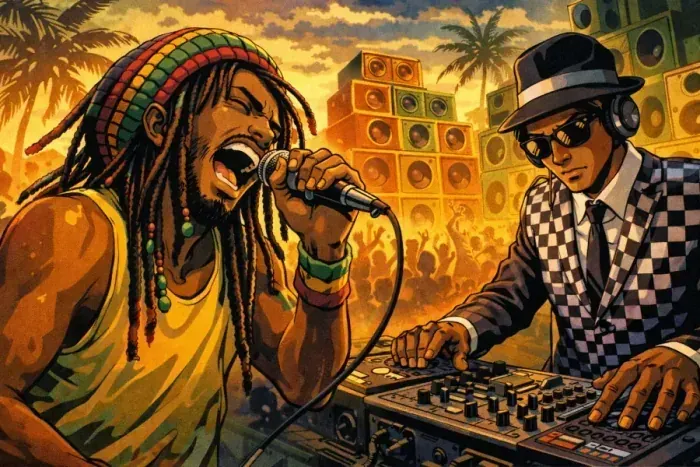
Many of the records young Jamaicans heard came from the United States. Rhythm and blues, jump blues, and early soul drifted across the Caribbean through radio signals and imported singles. Local entrepreneurs began building powerful mobile sound systems so they could play those records at outdoor parties. These gatherings were loud, competitive, and deeply social. A successful dance could draw hundreds of people into a single yard or street corner.
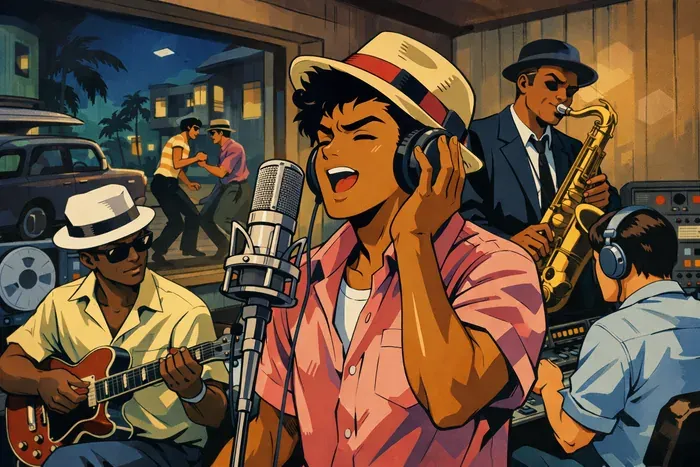
Within that environment, Jamaican musicians began shaping their own sound. They borrowed pieces of American rhythm and blues, added Caribbean rhythmic ideas, and played with a sharp offbeat that dancers quickly recognized. Producers, singers, and instrumentalists worked together in small studios across Kingston. What began as a street culture soon became a recording culture.
Ska emerged from that moment. To understand how, we first need to step into the sound system world that made it possible.
Before Ska: Local Rhythms, Memory, and Musical Inheritance
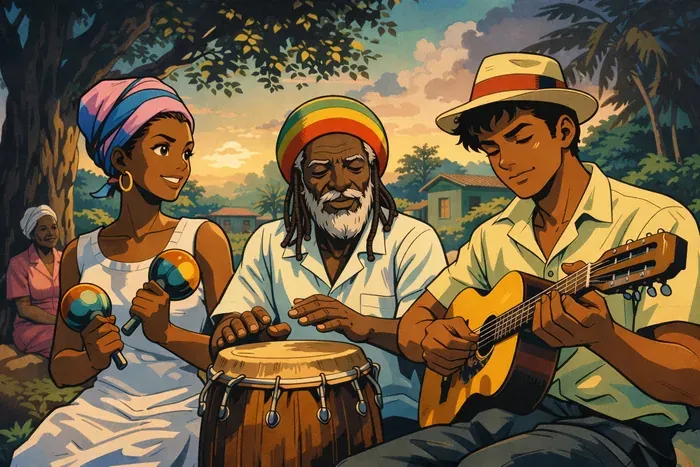
To understand ska fully, it helps to step back before the recording boom of the late 1950s. Jamaican popular music did not begin as a simple copy of American rhythm and blues. Long before local producers cut ska singles, the island already held a layered rhythmic memory shaped by mento, church music, work songs, military bands, and several African-derived ceremonial traditions.
Mento was an important local precedent. It developed in rural Jamaica during the first half of the twentieth century and combined African and European elements in a form that was strongly local in accent, humor, and social observation. Mento ensembles often used acoustic guitar, banjo, hand percussion, and the rumba box, a large thumb piano whose low-end pulse gave the music unusual weight. That bass-minded sensibility mattered later.
Alongside mento, Jamaica also preserved drumming traditions such as Burru and Kumina. These were not pop styles in the commercial sense, but they carried rhythmic principles that remained culturally significant: interlocking drum parts, call and response, repetition, collective participation, and a strong sense that rhythm could organize both movement and meaning. Those ideas continued to circulate even when they did not appear directly on the radio.
It would be too simple to draw a straight line from Burru or Kumina to every ska record. Jamaican music evolved through mixtures, not pure origins. American rhythm and blues, jazz-trained musicians, local dance culture, and studio experimentation all played important roles. Still, the island’s own rhythmic inheritance shaped how imported sounds were heard, felt, and transformed.
That is one reason ska sounded different from the records that inspired it. Jamaican musicians were not only borrowing material from abroad. They were filtering it through local habits of accent, timing, and bass emphasis that already existed in Jamaican life. The offbeat lift of ska and the physical pull of later reggae made sense because audiences were already used to hearing rhythm as something embodied and communal.
By the late 1950s, Kingston’s urban music scene brought these strands into closer contact. Rural migration carried older traditions into the capital. Imported records brought new ideas from New Orleans, Memphis, and beyond. Sound systems amplified the pressure for fresh music. Out of that meeting point came a new popular language.
The next step in that story happened not in a church yard or ceremonial gathering, but in the competitive world of the sound system. That was where rhythm became business, reputation, and nightlife all at once.
Sound Systems: The Social Engine of Early Jamaican Pop
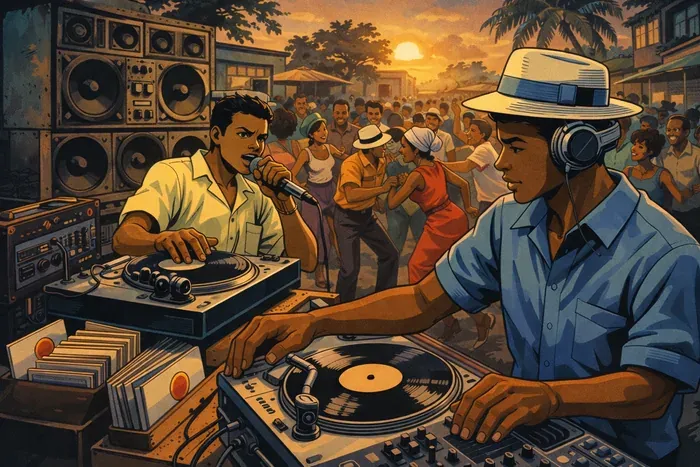
On many evenings in late-1950s Kingston, music did not come from a concert stage. It came from large wooden speaker boxes stacked in a yard or pushed into the corner of a street dance. These setups were called sound systems, and they quickly became the center of urban nightlife. A sound system was more than equipment. It was a small business, a social space, and a source of local pride.
Operators such as Clement “Coxsone” Dodd, Duke Reid, and Prince Buster built some of the best-known systems in the city. Each crew had its own identity. Coxsone Dodd’s Downbeat system became known for its deep record collection and sharp selectors. Duke Reid, who once worked as a police officer, ran the Trojan sound system and was known for strict discipline and heavy bass. Prince Buster brought a younger energy and a taste for bold rhythms.
Competition between these systems shaped the culture. If one operator found a rare American rhythm and blues single, the others tried to get something even stronger for the next dance. Selectors searched record shops and import stores for new material. Some even traveled abroad to find exclusive records. Crowds paid attention to every detail. A strong record could lift the entire yard.
The person who chose the records became known as the selector. The selector’s job required good instincts and a deep understanding of the audience. When the dance floor filled, the selector kept the rhythm moving. When the energy dropped, a new record could change the mood in seconds. These decisions shaped the night.
Sound systems also introduced a practice that would later influence many music cultures. Operators began pressing dubplates, special copies of songs made only for a particular sound system. These exclusive recordings helped crews stand out from their rivals. A crowd might hear a track in Kingston that could not be found anywhere else.
While American rhythm and blues dominated the playlists at first, local musicians were listening carefully. Bands played in hotels, clubs, and recording sessions around Kingston. Many of these players had strong jazz training and wide musical curiosity. As they absorbed the imported sounds around them, they started adjusting the rhythm, shifting the accents, and shaping something new.
By the end of the decade, dancers could already feel the change. The groove moved differently. The beat had a sharper lift. When Jamaican musicians finally recorded this new style, the sound systems were ready. They had already built the audience that would carry the music across the island.
Hotel Bands, Tourism, and the Training of Early Musicians
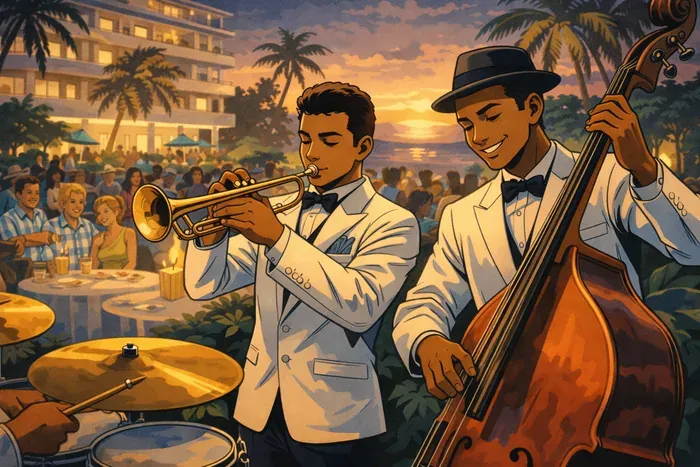
The musicians who helped create ska did not come from one social world alone. Some learned through church music, school ensembles, and local dance bands. Others earned money in clubs and on the hotel circuit, where players had to move easily between mento, calypso, jazz standards, Latin dance music, and American rhythm and blues. That kind of work rewarded versatility, timing, and quick listening.
The tourist economy shaped this training in complicated ways. Hotel bands often performed for visitors and upper-class audiences rather than for the same crowds who filled Kingston yard dances. Yet the technical demands were real. Musicians had to play neatly, adapt to requests, and support singers with professional discipline. By the mid-twentieth century, many of the mento bands most visible in commercial entertainment were associated with hotels, showing how local music could also be absorbed into the tourist trade.
This background helps explain why early Jamaican studio players sounded so prepared. When producers needed a new arrangement, the musicians could respond quickly. They were used to switching styles, following cues, and shaping a song under pressure. Strong technique did not make the music less local. It gave Jamaican artists more control over how they remade outside influences into something of their own.
It also explains the unusual blend of polish and spontaneity heard on early recordings. The players brought formal discipline, but they applied it inside fast-moving local studios and highly competitive sound-system culture. That combination became one of Jamaica’s lasting strengths.
By the time ska emerged, the island already had musicians who could handle difficult horn lines, tight rhythm changes, and rapid studio schedules. The next step was to bring that craft into a distinctly Jamaican beat.
The Skatalites and the Musical Shape of Ska
While sound systems ruled the streets, another transformation was taking place inside Kingston’s small recording studios. Musicians who had spent years playing jazz, rhythm and blues, and Caribbean dance music were beginning to reshape those influences into something distinctly Jamaican. Their work gave the emerging sound of ska its musical backbone.
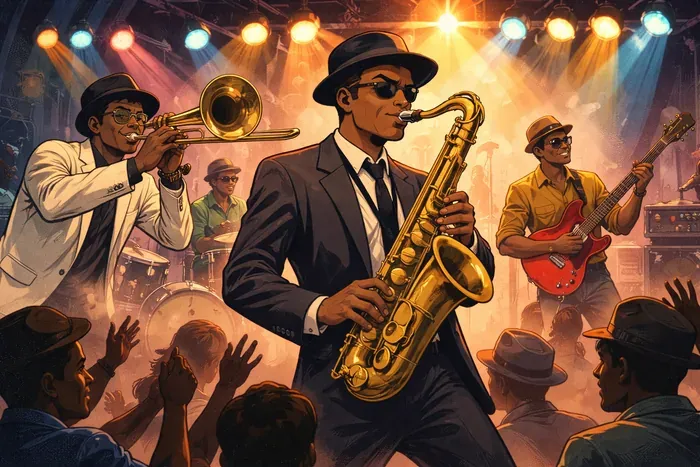
At the center of that shift stood The Skatalites, the studio band that helped define the early sound of Jamaican popular music. Formed in 1964, the group brought together some of the island’s most skilled instrumentalists. Don Drummond, the brilliant but troubled trombonist, wrote many of the band’s most memorable melodies. Saxophonists Tommy McCook and Roland Alphonso added powerful horn lines that carried both jazz phrasing and Caribbean rhythmic drive. On keyboards, Jackie Mittoo provided the smooth organ patterns that later became a signature element of ska and reggae.
The Skatalites worked mainly as a studio band for producers such as Coxsone Dodd at Studio One. In a single session they might back several different singers, then record instrumental tracks of their own. Their music moved quickly, with tight horn arrangements and a strong offbeat rhythm that dancers could follow easily. Tracks such as “Guns of Navarone” and “Man in the Street” captured the energy of Kingston dance culture while also showing the musicians’ jazz roots.
The rhythm section played a crucial role in shaping the style. Guitarists emphasized the offbeat stroke known as the skank, while the bass and drums kept a steady forward motion. The tempo remained lively, often faster than the rhythm and blues records that had inspired it. The result felt bright and urgent, perfect for crowded dance floors.
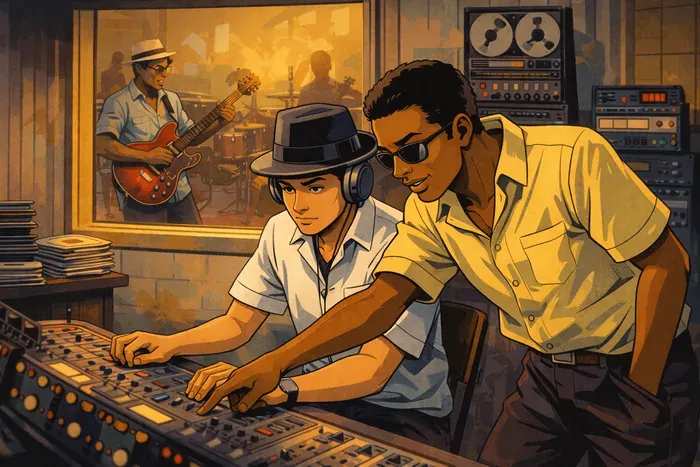
Recording sessions in Kingston were intense but creative. Studios were small, equipment was limited, and producers often worked with tight budgets. Yet these limitations pushed musicians to rely on tight ensemble playing. Songs were recorded quickly, often with the whole band performing together in the same room. That approach gave early ska recordings their raw, lively character.
Outside the studio, these musicians were part of the same urban culture that fed the sound systems. Many had grown up in Kingston neighborhoods where music filled everyday life. Dance halls, hotel bands, church choirs, and jazz groups all mixed together in the city’s musical environment.
As the new rhythm spread through the island, dancers immediately recognized it as something their own. It carried traces of American rhythm and blues, yet the accents and phrasing felt different. The groove lifted on the offbeat, creating a bounce that matched the movement of the crowd.
By the early 1960s, that rhythm had a name. People began calling it ska, and Kingston was ready to claim it as a widely recognized homegrown popular style.
Studio One, Treasure Isle, and the Rise of the Recording Industry
As ska gained momentum across Kingston, recording studios became the engines that pushed the music forward. Two producers stood at the center of that early industry: Clement “Coxsone” Dodd and Duke Reid. Each had already built a reputation through their sound systems. Now they moved into recording, turning street popularity into a growing music business.
Coxsone Dodd founded Studio One, which soon became one of the defining recording spaces in Jamaican history. The studio was not large, and the equipment was modest by international standards. Yet the atmosphere inside was busy and creative. Musicians arrived throughout the day, singers waited for their turn at the microphone, and producers listened carefully for the next strong track.
Dodd had a sharp instinct for talent. He recorded a wide range of performers, from vocal groups to instrumental bands. The Skatalites worked closely with him, often serving as the backing band for different singers. Their tight arrangements and quick recording style helped produce a steady stream of singles for local sound systems.
Across town, Duke Reid ran his own operation at Treasure Isle Studio. Reid approached production with a slightly different style. His recordings often emphasized warm vocal tones and carefully balanced arrangements. Artists such as Ken Boothe, Justin Hinds, and The Paragons recorded some of their early material under his guidance. While Studio One carried a strong reputation for rhythm and experimentation, Treasure Isle became known for polished recordings and strong vocal performances.
The rivalry between these studios mirrored the earlier competition between sound systems. Producers watched each other closely. When one released a successful single, the other quickly tried to answer with something new. This constant exchange pushed musicians to keep refining their sound.
Studios also created a new structure for Jamaican popular music. Instead of long albums, the industry focused on 7-inch singles. These records were inexpensive to press and easy for sound systems to play at dances. A strong single could travel quickly through Kingston and then spread across the island. If a record worked well on the dance floor, it might remain popular for months.
Session musicians became essential to this system. Bands like The Skatalites could move from one recording session to another in the same day, adapting to different singers and styles. Their flexibility allowed producers to experiment with new rhythms, arrangements, and vocal ideas.
By the mid-1960s, the collaboration between producers, studio bands, and sound systems had created a complete musical ecosystem. Songs moved from the studio to the dance floor, where audiences reacted instantly. If the crowd responded well, the record gained momentum and shaped the next wave of recordings.
Through that cycle, Jamaican music found both its voice and its industry. Studio One and Treasure Isle did more than release records. They helped build the foundation on which the island’s entire popular music culture would grow.
Records, Radio, and Cassettes: How the Music Circulated
Jamaican music traveled so widely not only because of what musicians created, but also because of how those recordings moved through everyday life. The island’s music economy was built for fast circulation. A new track did not wait for a full album cycle. It moved quickly from studio to dubplate, from single to sound system, and from one neighborhood to the next.
The 7-inch single was central to that system. It was cheaper to press than a full LP, easy to carry, and perfect for dances where selectors needed strong records they could play repeatedly. A hit in Kingston could travel across Jamaica within days if enough operators wanted it in their boxes.
Radio mattered too, even if sound systems often felt more immediate on the ground. Broadcast play helped certain songs reach homes, shops, buses, and workplaces, giving them a life beyond the dance. That mattered especially for singers whose records crossed from local street culture into wider popular recognition.
As Jamaican communities settled abroad, the circulation network widened. Records traveled in suitcases, mail orders, and small export channels. Shops in London, Birmingham, Toronto, and New York became key meeting points where imported singles connected diaspora listeners to the island’s newest sounds.
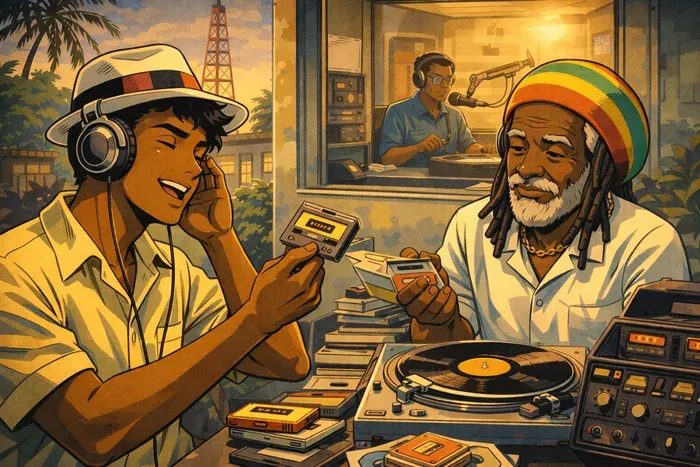
Later, cassettes added another layer. They were cheap, easy to copy, and practical for cars, homes, and informal exchange. Live tapes, clash recordings, radio captures, and homemade compilations helped spread music that might never have been released in a neat commercial package. By the dancehall era, tape culture became one of the ways local moments gained a longer afterlife.
This infrastructure helps explain why Jamaican music evolved so quickly. Audience response was immediate, and distribution was flexible. A rhythm could succeed at a dance, appear in new recorded versions, travel abroad, and return with new meanings attached.
In other words, Jamaican music spread through a dense everyday network, not just through formal industry channels. That practical system made it possible for a small island to generate sounds that traveled far beyond its size.
Ska and the Mood of Independence
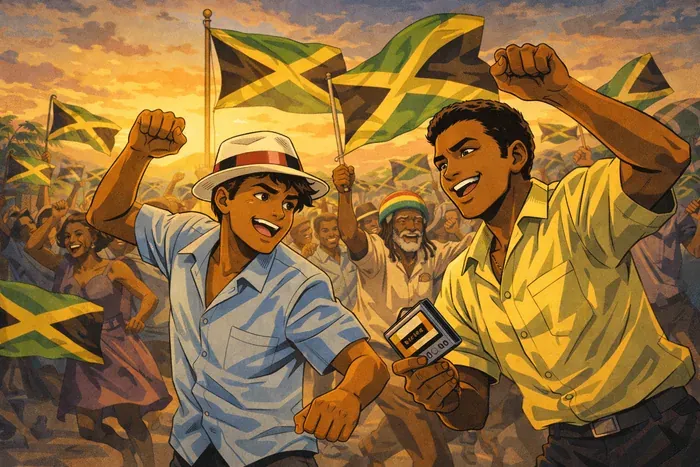
During the early 1960s, Jamaica was moving through a period of political and cultural change. The island gained independence from Britain in 1962, and the mood in Kingston carried a strong sense of possibility. Music captured that atmosphere more clearly than almost anything else. Ska became the soundtrack of a young nation finding its voice.
The rhythm itself felt energetic and forward-looking. Fast tempos, sharp horn lines, and the distinctive offbeat guitar stroke created a sound that pushed dancers onto the floor. In crowded yards and community halls, people moved to a beat that seemed to mirror the optimism of the time. Ska did not simply entertain. It reflected the confidence of a society stepping into a new chapter.
A prominent figure of that moment was Prince Buster. His recordings combined bold rhythms with playful storytelling and streetwise humor. Songs such as “Madness” and “Judge Dread” spread quickly through Kingston’s sound system circuit. Prince Buster understood how the dance floor worked, and he shaped his records to keep the crowd moving.
Another powerful voice belonged to Derrick Morgan, whose strong singing style helped carry ska into the mainstream. His early hit “Forward March” arrived at exactly the right time. The song celebrated Jamaican independence and quickly became associated with national pride. When it played at dances and public gatherings, listeners heard more than a catchy melody. They heard a reflection of their own hopes for the future.
Meanwhile, Toots and the Maytals were building a reputation as a leading vocal group. Frontman Toots Hibbert brought a powerful gospel-influenced voice that stood out among the many singers recording in Kingston. His performances carried warmth, humor, and emotional intensity. Even in the fast tempo of ska, his singing had a deep soul quality that audiences immediately recognized.
The popularity of these artists showed how quickly Jamaican music was evolving. Only a few years earlier, sound systems had depended mostly on imported American records. Now local recordings filled the speakers. Crowds gathered to hear singers who spoke in familiar accents and told stories rooted in everyday life on the island.
Dance culture helped spread the music across Jamaica. Each new single moved from studio to sound system, and from there into neighborhoods across the country. A successful record could travel far beyond Kingston, reaching rural towns and coastal communities.
Ska became more than a musical style. It turned into a symbol of cultural independence. The rhythm carried the confidence of a society discovering its own creative power, and that energy would soon lead Jamaican music toward its next transformation.
Women Who Carried Early Jamaican Music Beyond the Island
That national confidence also shaped who the world heard from Jamaica first. The early history of Jamaican popular music often centers on producers, sound system operators, and male vocal groups. Yet women also shaped the sound and reach of ska and early Jamaican pop. Their voices brought a different emotional tone to the music and helped introduce the island’s recordings to international audiences.
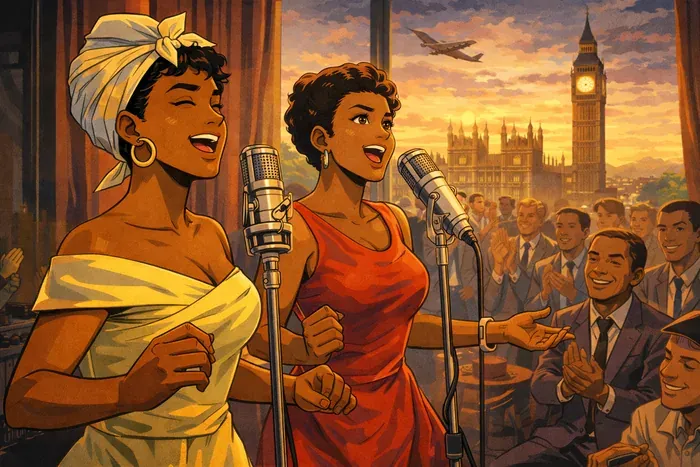
An early star was Millie Small. Born in Clarendon, she moved to Kingston as a teenager and quickly became part of the growing recording scene. Her breakthrough arrived in 1964 with “My Boy Lollipop.” Produced by Chris Blackwell and arranged by Ernest Ranglin, the song carried the lively rhythm of ska while keeping a bright pop structure that appealed to listeners far beyond Jamaica.
“My Boy Lollipop” became a major international hit. It reached No. 2 in the United Kingdom and introduced many listeners outside the Caribbean to Jamaican popular music. Millie Small’s cheerful voice and playful delivery helped make the rhythm accessible to audiences who had never heard ska before. Her success also showed that Jamaican artists could compete in the global pop market.
Back in Kingston, other female singers were developing their own styles within the island’s recording culture. Dawn Penn emerged as a strong voice during the same period. Her early recording of “You Don’t Love Me” captured the emotional side of Jamaican music with a soulful vocal delivery. The song later gained new life in the dancehall era, showing how long these early recordings continued to resonate.
Women often faced additional barriers in the Jamaican music industry. Studio sessions, sound system dances, and late-night performances were environments largely dominated by men. Even so, female singers found ways to build careers within that system. Some worked closely with producers who recognized their potential, while others developed loyal audiences through live performances.
Their presence also broadened the emotional range of early Jamaican recordings. While many ska songs focused on dance energy and playful storytelling, female singers often brought themes of romance, heartbreak, and personal reflection. These topics connected easily with listeners and helped the music reach a wider audience.
The impact of these early performers continued to echo in later generations. Female artists in rocksteady, reggae, and dancehall would build on the path opened by singers such as Millie Small and Dawn Penn. Their success proved that Jamaican music was not defined by one voice or one perspective.
By the mid-1960s, ska had already produced international hits and a growing recording industry. But the rhythm itself was beginning to change. A slower groove was taking shape in Kingston studios and dance halls, opening the next chapter in Jamaican music.
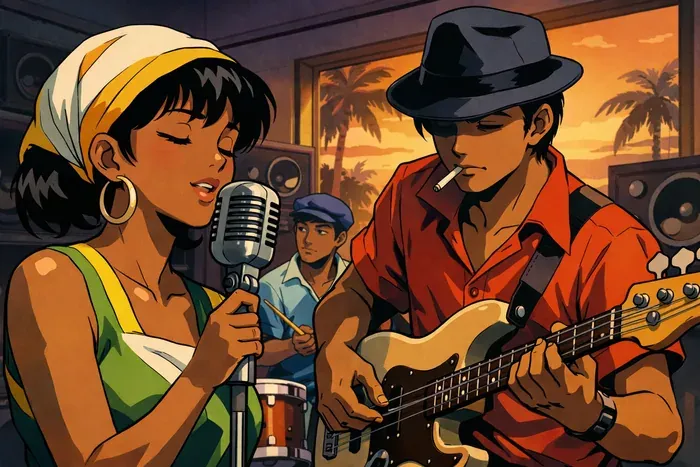
Rocksteady: Slower Tempo, Stronger Bass, Deeper Feeling
That wider reach arrived just as the rhythm at home was beginning to change. By the middle of the 1960s, the sound of Jamaican music began to change. Ska had filled dance floors with fast rhythms and bright horn lines, yet musicians and audiences were starting to move toward a different feeling. The tempo slowed, the bass lines grew deeper, and singers found more space to shape their melodies. Out of that shift came a style that listeners soon called rocksteady.
The change did not happen overnight. Musicians in Kingston studios were already experimenting with rhythm and arrangement. Bands played late-night sessions where they tried slower grooves that allowed the bass and drums to breathe. Dancers responded immediately. A slightly slower tempo made it easier to move together in crowded halls, and singers could stretch their phrases in a more relaxed way.
Rocksteady also brought new attention to vocal harmony. Groups blended soul influences with Jamaican rhythm, creating songs that felt both intimate and powerful. Producers recognized that these smoother grooves connected strongly with audiences, and recording sessions began to follow the new direction.
For a brief period between roughly 1966 and 1968, rocksteady became the dominant sound on the island. Though its moment was short, its influence ran deep. The style laid the rhythmic and emotional foundation that soon developed into reggae.
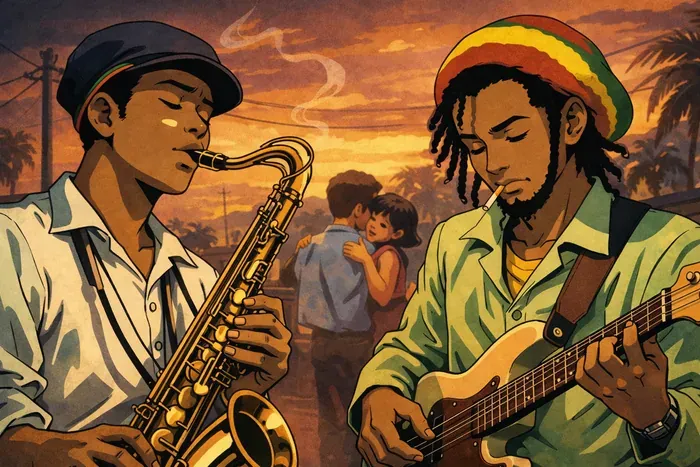
Why the Rhythm Slowed in the Mid-1960s
The year 1966 often appears in discussions of rocksteady because that was when the new rhythm fully emerged in Jamaican studios. Several factors pushed musicians toward the slower groove. Climate, technology, and changing dance culture all played a role in shaping the sound.
One explanation musicians often mention is the heat. Kingston’s dance halls could become extremely crowded, especially during the summer months. Fast ska rhythms demanded energetic movement, and dancers sometimes struggled to keep up in packed spaces. A slightly slower tempo felt more comfortable, allowing people to move smoothly rather than jumping rapidly across the floor.
Musicians also began focusing more on the bass line. During the ska era, horns and guitar accents dominated many recordings. In rocksteady, the bass stepped forward and became the anchor of the rhythm. This shift changed the entire feel of the music. Instead of bright bursts of horns driving the arrangement, the groove now rested on steady bass patterns and relaxed drum rhythms.
One of the songs often associated with this change was “Take It Easy” by Hopeton Lewis. Recorded in 1966, the track carried a slower pulse than typical ska recordings. Its relaxed rhythm and smooth vocal style helped signal that Jamaican music was moving in a new direction.
Another important figure in the transition was Alton Ellis, often called the “Godfather of Rocksteady.” Ellis had a strong background in soul music and brought a deeper emotional tone to his recordings. Songs such as “Rock Steady” and “Girl I’ve Got a Date” combined Jamaican rhythm with the expressive phrasing of American soul singers. His music showed how the slower groove allowed vocalists to explore more subtle emotions.
Producers quickly recognized that audiences responded to this new sound. Recording sessions shifted accordingly. Musicians adjusted their playing styles, giving the bass and drums more space while reducing the prominence of the horn section. Guitarists continued using the offbeat skank rhythm, yet the overall texture felt calmer and more controlled.
Rocksteady recordings also placed more emphasis on vocal performances. The slower tempo made it easier for singers to deliver lyrics clearly and develop richer harmonies. Groups and solo artists alike found that the new rhythm suited storytelling and romantic themes.
By the end of 1966, the transformation was clear. Ska had not disappeared, but rocksteady had taken its place at the center of Jamaican popular music. The change opened a new chapter for producers, singers, and studio musicians across the island.
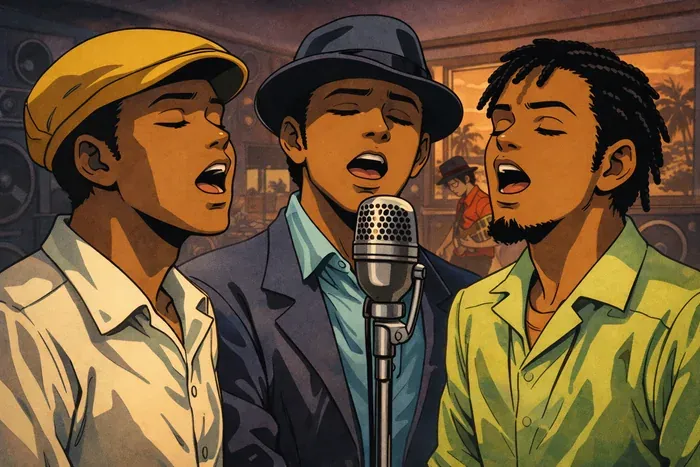
Harmony Groups and the Vocal Sound of Rocksteady
Rocksteady gave singers more space than the fast tempo of ska ever allowed. With the rhythm slowed down, vocal groups could focus on harmony, phrasing, and emotional detail. The result was a wave of recordings where the human voice stood at the center of the arrangement. For many listeners, this became the defining sound of the rocksteady era.
One of the most admired groups of the time was The Paragons. Formed in Kingston in the early 1960s, the group blended gentle vocal harmonies with a relaxed rhythmic feel. Their recording of “The Tide Is High,” led by singer John Holt, became one of the best-known rocksteady songs of the period. The track balanced a soft melodic line with a steady groove that moved easily across the dance floor.
Another influential group was The Heptones, featuring singers Leroy Sibbles, Barry Llewellyn, and Earl Morgan. Their music showed how tightly arranged harmonies could sit comfortably over the deeper bass lines that defined rocksteady. Songs such as “On Top” demonstrated how the style could balance smooth vocal blends with a more reflective mood.
The strength of these groups came from their discipline. Each singer had a clear role within the harmony structure. One voice carried the melody while the others supported it with carefully arranged background parts. This approach reflected both gospel traditions and the influence of American soul groups, yet the rhythm beneath remained distinctly Jamaican.
Recording sessions demanded precision. With fewer horns dominating the arrangement, every vocal line became more noticeable. Producers encouraged singers to refine their timing and balance. A well-recorded harmony group could create a rich sound even with a small band behind them.
The Techniques, led by singer Winston Riley, also helped shape the vocal side of rocksteady. Their recordings combined romantic lyrics with polished harmonies that appealed strongly to young listeners. The group’s songs circulated widely on sound systems and quickly became part of the dancehall repertoire.
These harmony groups also reflected the social environment of Kingston at the time. Many of the singers grew up in the same neighborhoods and developed their vocal skills in churches, school choirs, or local talent shows. When they entered recording studios, they carried those community influences with them.
Rocksteady became more than a rhythmic shift. It created a moment when singers could explore deeper emotional expression while still maintaining the connection to the dance floor. The combination of steady bass lines and rich vocal harmonies gave the music a warmth that listeners immediately recognized.
That warmth would soon evolve again. As producers and musicians continued experimenting with rhythm and studio techniques, the sound that followed rocksteady began to take shape. The next transformation would introduce a name that the world would soon learn: reggae.
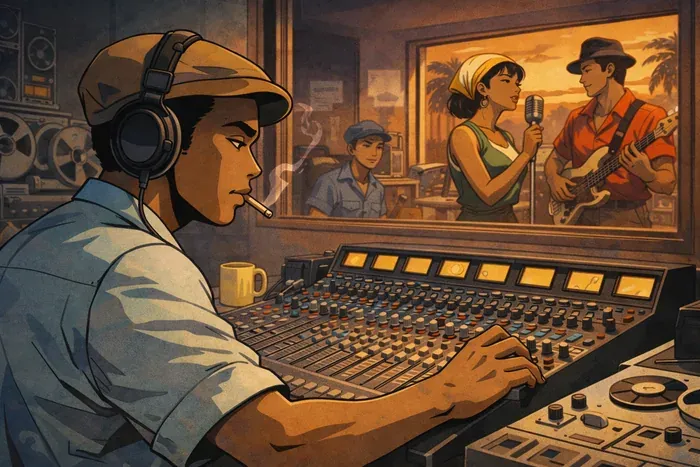
Producers and the Studio Sound of Rocksteady
Behind many of the most memorable rocksteady recordings were producers who understood how to shape the sound inside the studio. While singers and musicians brought the performances, producers guided the overall direction of the music. Their choices about arrangement, tempo, and recording technique helped define the character of the era.
Duke Reid remained a major figure, and Treasure Isle Studio became a central location for rocksteady recordings. Reid had already built a strong reputation during the ska period, yet the slower groove of rocksteady suited his production style even more. He favored clear vocal recordings and carefully balanced arrangements, often allowing singers to take the lead while the rhythm section supported them with subtle precision.
Artists such as Ken Boothe thrived in this environment. Boothe’s warm voice carried both soul and Jamaican phrasing, making him one of the most respected singers of the rocksteady period. At Treasure Isle, he recorded songs that balanced romantic storytelling with smooth rhythm. His recordings showed how rocksteady could combine emotional depth with danceable grooves.
Another important figure in the rocksteady landscape was Sonia Pottinger. In an industry dominated by male producers, Pottinger built her own successful studio career and became a major female figure in Jamaican music history. Working at studios such as Tip Top and later High Note, she produced recordings that captured the elegance and clarity of the rocksteady style.
Pottinger had a keen ear for strong vocal performances. She worked with artists including The Melodians, whose smooth harmonies fit perfectly within the slower groove of rocksteady. Her productions often emphasized clean instrumentation and balanced arrangements, allowing singers to express the emotional heart of the songs.
Producers like Reid and Pottinger also shaped the way recording sessions operated. Musicians would often gather in the studio for a full day of sessions, backing multiple singers in quick succession. Studio bands adapted easily to different vocal styles, adjusting tempo and arrangement while maintaining the essential rocksteady rhythm.
These sessions created a steady flow of singles that quickly reached sound systems across Kingston. If a song connected with dancers, it could become a favorite within days. Producers paid close attention to those reactions. A successful groove or vocal style often inspired the next round of recordings.
Rocksteady production also moved Jamaican music closer to the bass-centered approach that later defined reggae. While horns still appeared in some arrangements, the rhythm section now carried more weight. Bass lines became smoother and more melodic, while drums emphasized a relaxed but steady pulse.
Through these choices, producers helped refine the rocksteady sound and prepare Jamaican music for its next transformation. The rhythm was already evolving, and Kingston’s social atmosphere was pushing the music toward themes that reached beyond romance and dance culture.
Women Behind the Scenes: Production, Promotion, and Industry Work
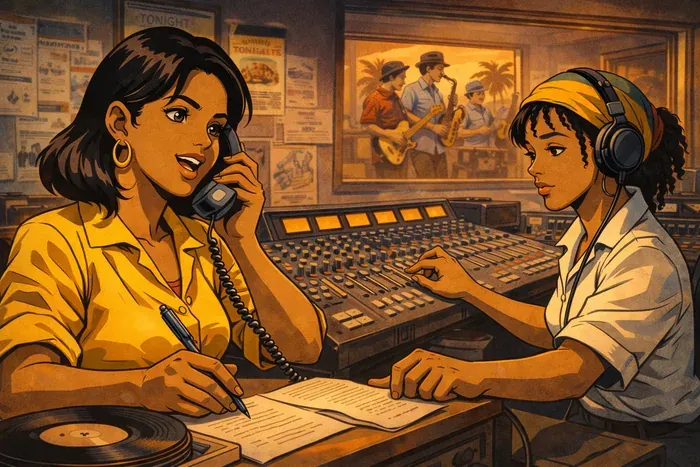
Sonia Pottinger’s success also points to a broader truth. Jamaican music was never built only by the men who held the microphone or ran the biggest sound systems. Women helped hold the industry together as producers, shop owners, label operators, bookkeepers, managers, publicists, radio workers, and, in later decades, selectors and sound-system organizers.
Pottinger remains the clearest example because her name entered the public record in a way few others did. After working in accounting and retail, she built labels such as Gay Feet and High Note and developed a catalog that moved from rocksteady into roots reggae. Her career showed that business judgment mattered as much as studio instinct. Knowing how to spot talent, manage releases, and keep a small operation running could shape the sound of an entire era.
Many other women worked in roles that received less historical attention. Independent Jamaican music depended on small, flexible networks where one person might handle money, promotion, distribution, and artist support at the same time. In that environment, women often helped maintain the practical systems that allowed records to move from studio to shop, radio, and dance.
This matters because music history can become distorted when it focuses only on stars and well-known producers. Jamaican popular music was a collaborative infrastructure as much as an artistic movement. Labels, record stores, radio promotion, and neighborhood business networks all shaped what listeners actually heard.
Seeing women only as singers or featured performers misses part of that history. They were also organizers, decision-makers, and builders of the industry itself. A fuller picture of Jamaican music becomes possible when those contributions are placed back into view.
Rudeboys, Street Identity, and Songs of Survival
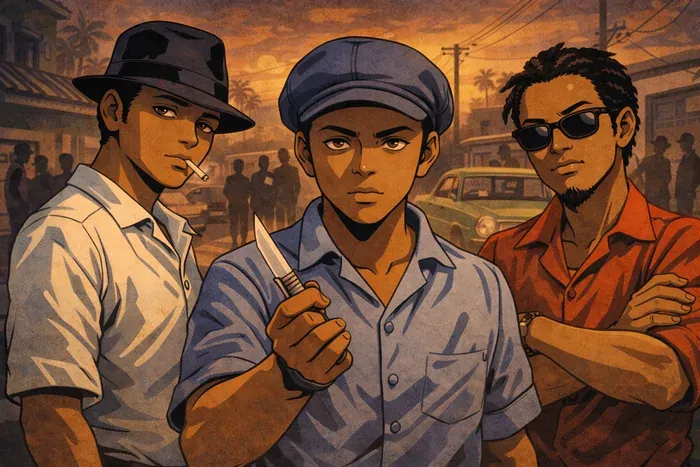
While rocksteady reshaped the rhythm of Jamaican music, the lyrics often reflected the social reality of Kingston’s streets. During the 1960s, rapid urban growth created both opportunity and tension. Many young people arrived in the capital searching for work, yet steady employment remained difficult to find. Out of that environment grew the figure known as the rudeboy.
The rudeboy was not simply a criminal stereotype, although newspapers often described him that way. Within youth culture, the image carried a mixture of rebellion, pride, and survival. Sharp clothing, confident attitude, and loyalty to neighborhood identity all played a role in shaping the myth. Music quickly became one of the main spaces where these ideas were expressed.
Artists responded to the subject in different ways. Some songs warned against violence, while others captured the swagger that surrounded the rudeboy identity. One well-known example came from Desmond Dekker, whose song “007 (Shanty Town)” told the story of a streetwise youth navigating life in Kingston. The track combined a steady rocksteady groove with lyrics that reflected both admiration and caution.
Dekker’s voice carried a sense of urgency that matched the atmosphere of the time. His recordings often reached audiences far beyond Jamaica, helping listeners in Britain and elsewhere connect with the stories emerging from Kingston. For young migrants from the Caribbean living abroad, songs like “007 (Shanty Town)” carried a familiar cultural voice.
The Wailers, featuring Bob Marley, Peter Tosh, and Bunny Wailer, also recorded material that touched on rudeboy themes during the rocksteady era. Early songs such as “Rude Boy” and “Simmer Down” addressed the tension between youthful rebellion and social responsibility. The group’s approach often balanced warning with empathy, reflecting the complicated realities of life in Kingston’s neighborhoods.
Music became a space where social debates played out in rhythm and melody. Dance halls gathered people from different backgrounds, and lyrics that spoke about street life resonated strongly with audiences who understood those experiences firsthand. The slower rocksteady rhythm made it easier for listeners to follow the stories within the songs.
The rudeboy theme also traveled beyond Jamaica. In British cities with growing Caribbean communities, young listeners adopted parts of the style and attitude associated with the music. Ska and rocksteady records circulated widely in immigrant neighborhoods, creating cultural bridges between Kingston and cities such as London and Birmingham.
As the decade moved toward its end, Jamaican music continued evolving. Producers experimented with new rhythmic accents, and musicians searched for grooves that felt both grounded and forward-looking. In Kingston’s studios, another transformation was slowly taking shape. The rhythm grew heavier, the bass lines more pronounced, and the music moved toward a sound the world would soon recognize as reggae.
Phyllis Dillon and Rocksteady's Intimate Voice
Although many rocksteady recordings were led by male singers and vocal groups, women also played an important role in shaping the sound and emotional character of the era. Their recordings often brought a softer tone to the music, focusing on romance, longing, and personal reflection. These themes matched the slower rhythm of rocksteady and helped broaden the music’s appeal.
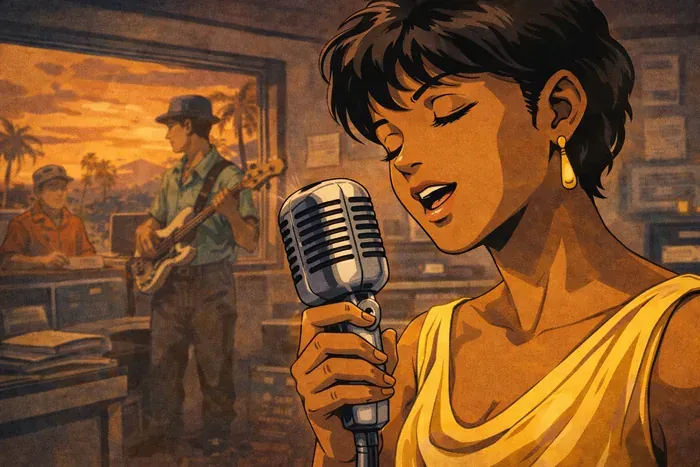
One of the most admired voices of the period belonged to Phyllis Dillon. Born in Kingston in 1948, she began recording as a teenager and soon became closely associated with Duke Reid’s Treasure Isle Studio. Under Reid’s production, Dillon recorded a series of songs that captured the warmth and elegance of rocksteady.
Her version of “Perfidia” became one of her most recognized recordings. The song combined a gentle melody with a steady rocksteady rhythm, allowing Dillon’s voice to carry the emotional center of the performance. She sang with a calm confidence that made the lyrics feel intimate rather than dramatic. Listeners often describe her delivery as effortless, yet that simplicity came from strong musical control.
Another memorable recording, “Don’t Stay Away,” showed how effectively her voice blended with the slower groove of the genre. The arrangement left room for the rhythm section while allowing the vocal line to remain clear and expressive. This balance between singer and band became one of the defining features of many Treasure Isle productions.
Phyllis Dillon’s work also reflected the collaborative nature of the Kingston studio scene. Musicians who had already shaped the ska era continued supporting singers during rocksteady sessions. The same instrumentalists who played energetic horn lines only a few years earlier now adapted their style to fit the smoother rhythm.
Female singers often faced challenges within the Jamaican music industry. Recording opportunities depended heavily on relationships with producers and studio schedules dominated by male performers. Even so, artists like Dillon built loyal audiences and left a strong impression through their recordings.
Their presence added emotional range to the music. While some songs described street life or youthful bravado, female vocalists frequently explored themes of affection, trust, and heartbreak. These topics connected easily with listeners and helped rocksteady develop a deeper lyrical identity.
The influence of these singers continued into the next phase of Jamaican music. When reggae emerged toward the end of the 1960s, female artists carried their experience and style into the new rhythm. The warmth and emotional clarity heard in rocksteady recordings helped shape the vocal tradition that reggae would bring to the world.
With rocksteady reaching its peak, musicians in Kingston were already experimenting again. The rhythm shifted slightly, the bass grew even stronger, and a new name began circulating among producers and singers. Jamaican music was about to enter the era of reggae.
Reggae Emerges: Rhythm, Identity, and a New Voice
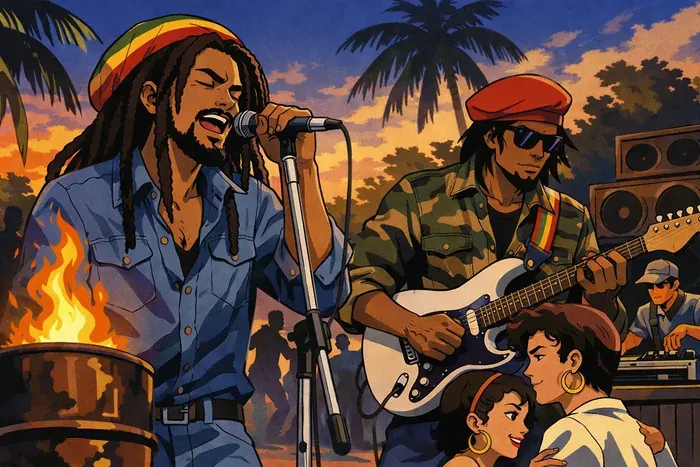
By the end of the 1960s, Jamaican music began another transformation. Rocksteady had slowed the rhythm and brought vocal harmony to the foreground, yet musicians and producers were already exploring new rhythmic ideas. Bass lines became heavier, drum patterns shifted, and the groove developed a deeper, more grounded pulse. Out of these experiments came a sound that soon carried a new name: reggae.
The change did not come from a single recording or one studio session. Instead, it grew from the creative atmosphere that surrounded Kingston’s recording culture. Producers, singers, and musicians worked quickly, often recording multiple songs in a single day. Within that environment, small rhythmic adjustments could spread rapidly from one session to another.
The lyrical focus of Jamaican music was also expanding. While love songs remained important, many artists started addressing broader social and spiritual themes. The influence of Rastafari, which had been developing in Jamaica for decades, became increasingly visible in the music. Songs now carried messages about identity, justice, and cultural pride.
Reggae emerged not only as a musical style but also as a voice for a changing society. Its rhythm felt grounded and powerful, while its lyrics spoke directly to listeners who recognized their own experiences within the songs.
How Reggae Settled into Its Classic Rhythm
The transition from rocksteady to reggae unfolded gradually during the late 1960s. Musicians who had shaped the earlier styles began adjusting their playing once again. The tempo shifted slightly upward from the relaxed rocksteady pace, but the biggest change appeared in the relationship between bass and drums. The rhythm section became the central force of the music.
In many early reggae recordings, the bass carried strong melodic movement while the drums emphasized a steady pulse that pushed the groove forward. Guitar and keyboard accents continued to highlight the offbeat rhythm that had defined ska and rocksteady. Still, the overall texture felt heavier and more grounded. The music now moved with a rolling momentum that gave singers and instrumentalists a new rhythmic space.
One of the recordings often associated with the birth of the term reggae came from Toots and the Maytals. Their 1968 song “Do the Reggay” used the word directly in its title. The track carried a lively rhythm and a celebratory tone, inviting listeners onto the dance floor. Though the music still showed traces of rocksteady, the groove pointed clearly toward a new direction.
Frontman Toots Hibbert helped define the group’s sound. His voice carried the emotional strength of gospel singing along with the phrasing of soul music. When he sang over the emerging reggae rhythm, the combination felt both powerful and accessible. Toots and the Maytals quickly became one of the key groups of the transition period.
Around the same time, The Wailers were also refining their musical identity. The trio of Bob Marley, Peter Tosh, and Bunny Wailer had already recorded ska and rocksteady songs earlier in the decade. Now their music began moving toward the deeper rhythm and lyrical focus that would soon define reggae.
Producers and musicians across Kingston experimented with similar ideas. Recording sessions often included small changes in drum patterns or bass phrasing that gradually shaped the evolving style. These experiments spread quickly because many of the same studio musicians worked with multiple producers.
Reggae emerged from a shared musical environment rather than a single creative breakthrough. The island’s recording studios functioned almost like laboratories where rhythm, arrangement, and vocal style constantly evolved.
Listeners responded immediately to the new sound. The heavier groove felt powerful on sound systems, where deep bass vibrations filled dance halls and outdoor gatherings. Singers also discovered that the rhythm allowed greater freedom for lyrical expression.
Within only a few years, reggae had replaced rocksteady as the dominant sound of Jamaican popular music. But the rhythm would soon carry more than dance energy. As the 1970s approached, reggae began absorbing spiritual and political ideas that would reshape the genre’s meaning around the world.
Rastafari, Nyabinghi, and the Spiritual Force of Roots Reggae
As reggae moved into the 1970s, one of the biggest changes was not only musical but also spiritual and symbolic. The Rastafari movement, which had been developing in Jamaica since the 1930s, gave many artists a language for thinking about identity, oppression, Africa, history, and liberation. That language entered reggae through lyrics, imagery, and rhythm.
Nyabinghi drumming played an important role in that shift. In Rastafari gatherings, hand drums supported chant, repetition, and collective meditation. The feeling was different from a commercial dance record, yet the emphasis on pulse, trance-like repetition, and group response helped shape the atmosphere of roots reggae. Musicians did not simply copy Nyabinghi into pop songs, but they absorbed its spiritual weight and rhythmic logic.
This influence changed how many records sounded. Bass and drums became more than a dance engine. They could also create gravity, meditation, and ceremonial force. Guitar skanks and keyboard accents still mattered, but the center of the music often felt deeper and more deliberate than in earlier ska or rocksteady recordings.
Rastafari also affected language. Biblical references, Ethiopian symbolism, Pan-African ideas, and the contrast between Zion and Babylon gave roots reggae a distinct vocabulary. Songs were no longer only about romance, style, or local street reputation. Many now spoke about moral struggle, exile, justice, and spiritual dignity.
Not every reggae artist was a Rastafari believer, and not every roots record carried the same message. Still, the movement’s influence was broad enough that it helped redefine what reggae could mean. The genre became a place where rhythm, faith, and political feeling could reinforce one another.
That deeper charge helps explain why 1970s reggae resonated internationally. Listeners did not hear only a new groove. They heard a music that carried worldview, memory, and conviction inside the rhythm itself.
Bob Marley and Reggae's International Breakthrough
As reggae developed at the end of the 1960s, one artist gradually became its best-known international figure: Bob Marley. His rise did not happen overnight. Marley had already spent several years recording with The Wailers, alongside Peter Tosh and Bunny Wailer, during the ska and rocksteady periods. Those early recordings helped the group build a reputation in Jamaica, yet global recognition would come later.
During the early 1970s, the group began working with producer Chris Blackwell at Island Records, a label based in London. Blackwell believed reggae could reach audiences far beyond the Caribbean. He encouraged The Wailers to record albums that would appeal to rock listeners in Europe and North America while still preserving the core elements of Jamaican rhythm.
The result was “Catch a Fire,” released in 1973. The album introduced many international listeners to reggae’s deeper groove and lyrical focus. Tracks such as “Concrete Jungle” and “Slave Driver” combined powerful rhythm sections with lyrics that spoke about hardship, resilience, and social struggle. The music carried both the raw energy of Kingston’s sound system culture and the broader musical structure expected in international rock markets.
Marley’s songwriting played a major role in this expansion. His lyrics blended everyday experiences with spiritual ideas drawn from Rastafari, the religious and cultural movement that had grown within Jamaica since the 1930s. Rastafari teachings emphasized African identity, spiritual awareness, and resistance to oppression. When Marley expressed these themes in song, they resonated with audiences far beyond Jamaica.
The Wailers’ next albums continued building that international presence. “Exodus,” released in 1977, became one of Marley’s most widely known recordings. Songs such as “Jamming,” “Three Little Birds,” and “One Love” carried messages of unity and optimism while maintaining the rhythmic strength of reggae.
Even as Marley’s global popularity increased, the music remained connected to the Jamaican studio culture that had shaped it. The rhythm section, often featuring musicians from Kingston’s recording scene, kept the deep bass lines and steady drum patterns that defined reggae. These elements ensured that the music still worked on sound systems and dance floors.
Bob Marley’s success helped introduce reggae to audiences who might never have encountered Jamaican music otherwise. Concert tours across Europe and North America expanded the reach of the genre, and reggae recordings began appearing in record collections around the world.
Yet Marley represented only one voice within a much broader musical movement. Other artists across Jamaica were developing their own approaches to reggae, often focusing on themes of spirituality, social justice, and African heritage. Their work would soon deepen the message and expand the sound of the genre.
Voices at the Center of Roots Reggae
Bob Marley’s international success helped bring reggae to a global audience, yet the genre developed through the work of many artists across Jamaica. During the 1970s, a number of singers and bands shaped the sound and message of roots reggae, a style that combined heavy rhythm with lyrics about spirituality, social justice, and cultural identity. Their recordings formed a powerful musical landscape that extended far beyond a single artist.
One of the most respected voices of this period was Burning Spear, the stage name of singer Winston Rodney. His music carried a deeply spiritual tone influenced by Rastafari beliefs and a strong interest in African history. Albums such as “Marcus Garvey” presented songs that honored the Jamaican-born activist who promoted Black pride and self-determination. Burning Spear’s deep voice and steady delivery gave his recordings a sense of calm authority.
Another major figure was Dennis Brown, often called the “Crown Prince of Reggae.” Brown began recording as a teenager and quickly gained recognition for his warm voice and expressive phrasing. His songs balanced spiritual themes with messages of love and everyday experience. Because of his wide vocal range and emotional clarity, many younger singers later named him as one of their most important influences.
Groups also played a strong role in the roots reggae movement. Culture, led by singer Joseph Hill, created recordings that blended harmony singing with lyrics focused on social awareness. Their album “Two Sevens Clash” became particularly well known in Jamaica and abroad. The record combined prophetic imagery with strong rhythms, capturing the sense of anticipation that surrounded the late 1970s.
Another group that shaped the sound of the era was Black Uhuru. Their music carried a darker and more atmospheric tone than many earlier reggae recordings. With the guidance of producers and rhythm sections connected to Kingston’s studio scene, the band developed a style that balanced heavy bass lines with dramatic vocal arrangements.
These artists showed how diverse reggae had become during the decade. Some songs centered on spiritual reflection, others addressed political tensions, and many still carried the emotional themes of love and personal experience that had existed since the rocksteady era.
Sound systems continued to play an important role in spreading these recordings. When a new track connected with the crowd at a dance, it quickly traveled through Kingston and then across the island. International listeners gradually discovered these artists through imported records and radio broadcasts.
Together, these voices expanded reggae’s message and musical depth. While Bob Marley helped introduce the genre to the world, the broader community of singers and bands gave reggae its rich and varied character.
Women in the Sound of Roots Reggae
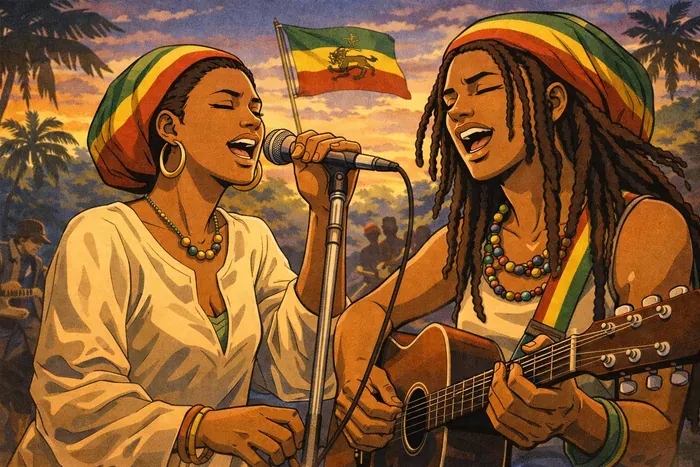
Women played a meaningful role in the roots reggae movement, even though the industry around them remained largely controlled by male producers and performers. Their voices brought balance to a genre that often carried strong political and spiritual messages. Through harmony groups and solo recordings, female singers helped expand the emotional and cultural range of reggae during the 1970s.
Among the most influential figures were Marcia Griffiths, Judy Mowatt, and Rita Marley, who performed together as the I-Threes. The trio became widely known as the backing vocalists for Bob Marley and the Wailers during the group’s international tours. Yet their work extended far beyond supporting roles. Each singer had already built her own career within the Jamaican recording scene before joining forces as a group.
Marcia Griffiths had been recording since the rocksteady era and was known for her smooth, confident vocal style. Her recordings balanced warmth with rhythmic clarity, making her one of the most respected female voices in Jamaican music. Years later she found global success with “Electric Boogie,” a song that introduced reggae rhythm to a new generation of listeners.
Judy Mowatt brought a more spiritual tone to her performances. Her solo album “Black Woman,” released in 1979, became one of the most significant reggae recordings made by a female artist during the roots era. The album addressed themes of identity, faith, and empowerment while remaining firmly rooted in reggae rhythm.
Rita Marley, who had been part of the vocal group The Soulettes in the 1960s, contributed both musical and cultural leadership to the I-Threes. Her presence helped maintain a strong connection between the roots reggae movement and the broader Rastafari community.
Female artists also appeared beyond the I-Threes. Many singers recorded singles that circulated through sound systems and local radio, contributing to the wider musical landscape of the time. Their songs often explored themes of love, strength, and personal resilience, adding emotional variety to reggae’s lyrical world.
For audiences, these voices offered another perspective within the roots reggae movement. While many male artists focused on political struggle or spiritual prophecy, female singers frequently combined those themes with personal storytelling and everyday experience.
Their contributions shaped the sound of reggae in subtle but lasting ways. Harmony arrangements became richer, and the presence of female vocalists added depth to live performances and recordings alike. As reggae continued evolving toward the end of the decade, these artists helped ensure that women remained part of the genre’s creative future.
The influence of female reggae singers would become even more visible in later styles, including dub, lovers rock, and dancehall.
Politics, Urban Tension, and 1970s Kingston
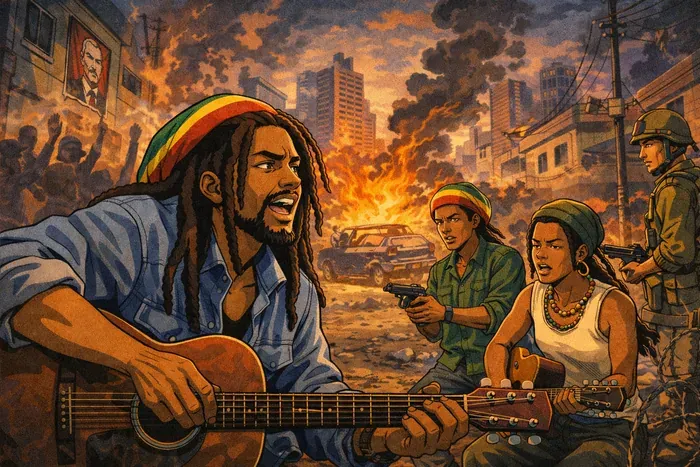
Those wider emotional and spiritual voices were heard within a difficult decade. Roots reggae did not emerge in a vacuum. During the 1970s, Jamaica faced economic strain, sharp political polarization, and repeated outbreaks of violence, especially in parts of Kingston. Those tensions affected daily life, shaped public feeling, and gave many reggae records their urgency.
It is important to avoid turning reggae into a simple soundtrack of conflict. Jamaican music was always broader than that. Love songs, dance records, devotional songs, and humorous tracks continued to appear throughout the decade. But the harsher atmosphere of the 1970s helps explain why so many artists addressed injustice, survival, and moral pressure so directly.
Neighborhood identity could become politically charged, and musicians often had to navigate spaces where culture and power overlapped. Sound systems, studios, street dances, and live events were part of everyday social life, so they could not remain untouched by broader national tension.
This context also helps explain the tone of many roots recordings. The bass-heavy pace, the serious vocal delivery, and the repeated references to Babylon, suffering, and endurance were not abstract gestures. They spoke to listeners living inside a period of visible strain.
At the same time, reggae offered more than description. It also offered interpretation, warning, consolation, and hope. Artists used rhythm to create a space where local hardship could be named, judged, and sometimes spiritually transformed.
That balance between pressure and possibility became one of roots reggae’s defining strengths. The music sounded grounded because it was grounded, but it also reached beyond immediate events toward larger questions of justice and human dignity.
How Reggae Moved Through the World
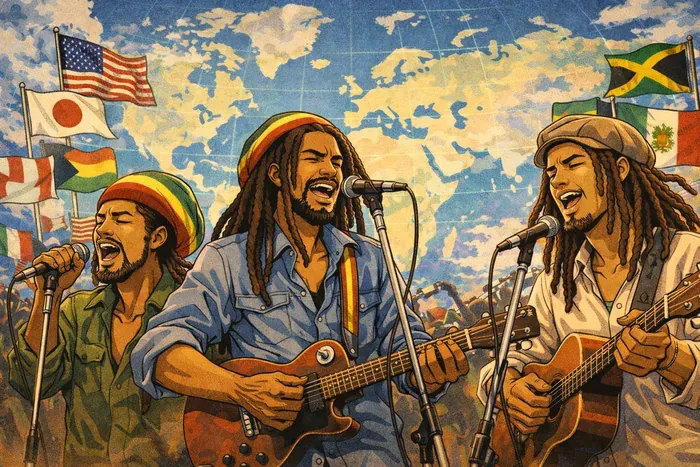
That seriousness did not keep reggae inside Jamaica. During the 1970s, the music moved beyond the boundaries of Jamaica and began reaching listeners across the world. Several developments helped push the music outward. International record labels showed growing interest, Caribbean migration connected communities across continents, and films and live performances introduced the sound to audiences who had never visited Kingston.
One of the most important cultural moments came with the release of the film “The Harder They Come” in 1972. Starring Jimmy Cliff, the movie told the story of a young Jamaican musician struggling to survive within the island’s music industry. The film presented Jamaican life with unusual honesty, showing both the creativity and the hardship that shaped the culture.
Equally important was the film’s soundtrack. Songs such as “You Can Get It If You Really Want,” “Many Rivers to Cross,” and “The Harder They Come” carried reggae rhythms to international listeners. The soundtrack circulated widely outside Jamaica and became a gateway through which many people first encountered the genre. "The Harder They Come put the audio together with the visuals of where the music comes from. It showed the music's identity."
Migration also played a key role in reggae’s expansion. Large Caribbean communities had formed in cities such as London, Birmingham, Toronto, and New York during the decades after World War II. These communities maintained strong cultural connections with Jamaica. Records traveled back and forth across the Atlantic, and sound system dances appeared in immigrant neighborhoods abroad.
British reggae groups soon emerged from this environment. Bands such as Steel Pulse brought reggae rhythm into the context of British social life, addressing themes of identity, racism, and cultural belonging. Their music connected Jamaican roots with the experiences of a new generation growing up in Europe.
Another group that helped extend reggae’s reach was Third World, whose recordings blended reggae with elements of soul, funk, and international pop. Their music appealed to a wide audience while still maintaining a strong Jamaican rhythmic identity.
Concert tours also strengthened reggae’s global presence. Jamaican artists traveled to Europe and North America, performing for audiences who were eager to experience the music live. These performances revealed the power of reggae’s rhythm when played through large sound systems and live bands.
Taken together, these connections helped reggae become a global language of rhythm and message. Listeners in many different countries recognized its themes of resilience, cultural pride, and spiritual reflection.
By the end of the 1970s, reggae had secured a permanent place in global music culture. Yet another transformation was already taking shape in Jamaican studios. Producers and engineers began experimenting with the mixing desk itself, turning recorded tracks into something new. This studio experimentation would soon give birth to one of Jamaica’s most innovative musical ideas: dub.
Dub and the Studio as Instrument
As reggae traveled, the studio itself was also becoming more experimental. By the early 1970s, Jamaican recording studios had become places of constant experimentation. Producers and engineers worked with limited equipment, yet their creativity turned those limitations into new musical possibilities. One of the key developments of this period was dub.
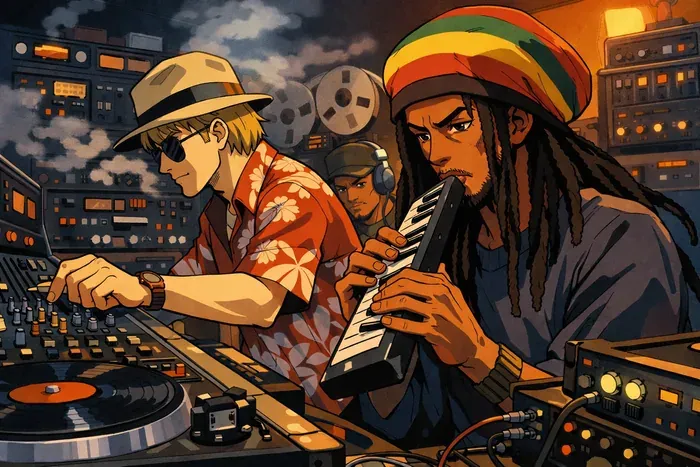
Dub began as a practical idea rather than a planned genre. Many reggae singles were pressed with an instrumental version on the B-side. These versions allowed sound systems to play the rhythm while DJs spoke over the music. Engineers soon started altering those instrumental tracks inside the studio. They removed vocal lines, emphasized the bass and drums, and introduced echo, reverb, and sudden drops in the arrangement.
The result felt completely different from the original recording. A familiar reggae rhythm could become spacious, mysterious, and unpredictable. Echoes floated across the mix while fragments of instruments appeared and disappeared. Engineers used the mixing console almost like a performance tool, shaping the sound in real time.
Dub also changed the role of the studio engineer. Instead of simply recording musicians, engineers began actively reshaping the music after the session. Their creative decisions influenced how listeners experienced the rhythm.
These experiments produced a new musical language built from remix, rhythm, and space. Dub would soon influence not only reggae but also many other styles of music around the world.
Engineers Who Turned Mixing into Composition
Among the engineers who transformed Jamaican music during the 1970s, King Tubby stands as one of the central figures. Born Osbourne Ruddock in Kingston, Tubby began his career repairing radios and electronic equipment. His technical knowledge eventually led him to operate his own sound system, where he developed a deep understanding of how music behaved through powerful speakers.
Tubby later moved into studio work, where he began experimenting with the mixing console in ways few engineers had attempted before. Instead of simply balancing instruments during recording, he treated the mixing process as a creative performance. By adjusting volume levels, adding echo, and removing elements of the original track, he reshaped familiar reggae recordings into entirely new experiences.
Many early dub versions emerged from this process. Tubby often worked with rhythm tracks recorded by other producers and musicians. During mixing, he stripped away the vocal lines and highlighted the bass and drums, which formed the core of reggae rhythm. Short fragments of guitar or keyboard might appear briefly before fading back into the echo-filled background.
The use of reverb and delay effects became a defining element of Tubby’s approach. By sending parts of the sound through echo chambers or spring reverb units, he created a sense of depth and space that had rarely been heard in popular music before. A single snare drum hit could repeat across the mix, drifting away into silence.
These techniques turned dub mixing into an art form. Listeners at sound system dances often heard these versions played through massive speaker stacks, where the deep bass vibrations and swirling echoes created an immersive atmosphere. The crowd responded strongly to these sonic experiments.
One of the most famous recordings connected to this approach is “King Tubby Meets Rockers Uptown,” a dub version of a track produced by Augustus Pablo. The recording highlights Tubby’s ability to transform an existing rhythm into a dramatic soundscape. Instruments appear and disappear while the bass line moves steadily beneath the shifting layers of echo.
Tubby’s influence spread quickly through Kingston’s recording scene. Younger engineers visited his studio to observe his methods, and producers began requesting dub versions of their songs. What had started as a technical experiment soon became a central part of Jamaican music culture.
With these innovations, King Tubby changed the role of the recording studio. The mixing desk became an instrument, and the engineer became a creative collaborator. Dub would soon grow beyond Jamaica, shaping the sound of many musical movements in the decades that followed.
Lee “Scratch” Perry and the Sonic World of Black Ark
While King Tubby reshaped reggae through mixing techniques, another producer in Kingston approached the studio with a very different imagination. Lee “Scratch” Perry treated recording not only as a technical process but also as a form of creative exploration. His work at the Black Ark Studio became one of the most distinctive chapters in the story of dub and reggae.
Perry had already worked within the Jamaican music industry for several years before establishing the Black Ark in the early 1970s. He first gained experience at Studio One under Coxsone Dodd, where he learned how recording sessions functioned and how producers shaped the final sound. Later he began producing his own artists, gradually developing a style that combined rhythm, experimentation, and an unusual sense of atmosphere.
The Black Ark Studio, located in Perry’s backyard in Kingston, was modest in size but rich in creativity. The equipment was simple compared with larger studios, yet Perry used it in inventive ways. He layered percussion, altered tape speeds, and introduced unexpected sound textures into his recordings. Everyday objects sometimes became instruments, and small sonic details added depth to the music.
One of the groups closely associated with Perry during this period was The Upsetters, a studio band that supported many of his productions. Their playing carried the deep bass and steady rhythm typical of reggae, yet Perry’s mixing choices often turned the tracks into something more mysterious. Echoes, fragments of voices, and sudden shifts in balance created a soundscape that felt alive and unpredictable.
Perry also worked with several important vocal groups. His production for The Congos on the album “Heart of the Congos” became one of the most admired reggae recordings of the decade. The album combined strong harmony singing with Perry’s atmospheric production style. Layers of percussion, echo, and rhythm blended together while the vocals remained clear and expressive.
Another significant project was Perry’s own album “Super Ape.” Released in 1976, the record pushed dub techniques further into experimental territory. The tracks featured shifting rhythms, swirling effects, and playful vocal fragments that appeared briefly before dissolving into the mix. Listeners could hear the influence of reggae rhythm, yet the overall sound felt almost dreamlike.
Perry’s approach differed from Tubby’s technical precision. Where Tubby often emphasized clean rhythmic space, Perry filled the studio environment with layers of texture and imagination. His productions sometimes felt chaotic, yet they carried a strong musical logic that made them instantly recognizable.
Through the work created at the Black Ark, Lee “Scratch” Perry expanded the possibilities of reggae and dub. His recordings showed that the studio could function as a creative environment where sound, rhythm, and experimentation merged into entirely new musical forms.
Bunny Lee, Versions, and the Expansion of Dub
While engineers such as King Tubby and Lee “Scratch” Perry explored the creative side of dub mixing, producers played an equally important role in shaping the structure of Jamaican recording culture. One of the most influential figures in that network was Bunny Lee.
Born Edward O’Sullivan Lee in Kingston, Bunny Lee began working in the music business during the mid-1960s. At first he operated as a record promoter and producer, helping artists release singles for local sound systems. Over time he built a reputation for sharp instincts and an ability to recognize strong rhythms. By the early 1970s he had become one of the busiest producers in the Jamaican industry.
Lee’s production approach relied on collaboration with skilled studio musicians and engineers. He frequently worked with rhythm sections that could record multiple tracks in a single day. These sessions produced a steady stream of reggae singles that quickly circulated through Kingston’s sound system scene.
One of Lee’s most important creative partnerships involved King Tubby. After musicians recorded the main track, Lee often brought the tape to Tubby’s studio for the mixing stage. There, Tubby transformed the rhythm into dub versions that emphasized bass, drums, and echo effects. This process helped expand the reach of dub across Jamaican sound systems.
Lee’s work also supported the development of several important reggae artists. Among them was Johnny Clarke, whose recordings carried strong melodies and socially aware lyrics. Another frequent collaborator was Cornell Campbell, known for his smooth falsetto voice and expressive delivery. These artists benefited from Lee’s ability to pair strong vocal performances with memorable rhythms.
Within the Jamaican recording system, a single rhythm track could appear in several different versions. A producer might record the instrumental backing once and then invite multiple singers to perform over the same groove. Dub versions could follow afterward, adding yet another dimension to the music. Bunny Lee used this approach effectively, helping establish what later became known as version culture.
Version culture encouraged creativity across the industry. Musicians, engineers, and singers all contributed new interpretations of the same underlying rhythm. Sound systems then carried those versions into the dance halls, where audiences reacted to each variation.
By working this way, Bunny Lee helped strengthen the production network that allowed dub and reggae to flourish during the 1970s. His work demonstrated how collaboration between producers, engineers, and musicians could turn a simple rhythm track into a wide family of recordings. This flexible system would continue shaping Jamaican music as new styles emerged in the years ahead.
Riddims, Versions, and Jamaica's Production Logic
By the 1970s, Jamaican music had developed a production logic that was both economical and creatively radical. At its center stood the riddim: the instrumental foundation of a song, usually built from bass, drums, guitar, keyboard, and a recognizable groove. In many music industries, one backing track supports one finished song. In Jamaica, the same rhythm could generate an entire family of recordings.
A singer might cut one version over a riddim. Another singer could record a different song over the same track. A deejay might then toast over it, and an engineer could strip it down into a dub mix. What looked from the outside like repetition was, inside Jamaican music culture, a system for comparison, invention, and rapid response.
This model changed how authorship worked. The producer, rhythm section, singer, deejay, and engineer each contributed to the life of the track. The dance floor became the testing ground. If a riddim connected with listeners, it could keep returning in new forms, each one asking what else the groove could carry.
Version culture also strengthened sound system competition. Selectors needed cuts that felt familiar but still carried surprise. Exclusive dubplates, alternate vocal takes, and new deejay versions all helped a crew claim identity within a crowded field.
The importance of the riddim only grew in dancehall, where a single backing track might anchor dozens of recordings. But the deeper idea already existed earlier. Jamaican music treated the track not as a closed object but as an open platform.
That production model later influenced hip hop mixtape logic, remix culture, reggaeton’s reuse of rhythmic templates, and many forms of electronic dance music. Long before digital platforms made reuse normal, Jamaican producers had already built a system where repetition was a source of momentum rather than stagnation.
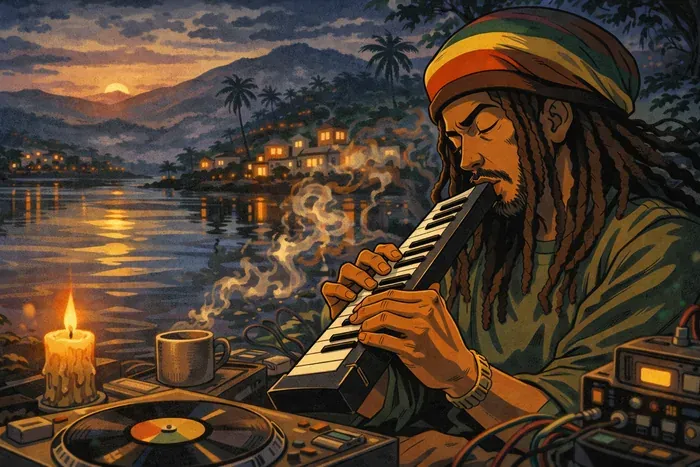
Augustus Pablo and Dub's Reflective Mood
As dub developed during the 1970s, several musicians expanded the style in unexpected directions. Among them was Augustus Pablo, a producer, keyboard player, and composer whose sound brought a distinctive atmosphere to reggae and dub recordings. His music often carried a calm, meditative quality that set it apart from many other productions of the era.
Augustus Pablo was born Horace Swaby in Kingston in 1954. He began working in the Jamaican recording scene while still very young. Early in his career he became fascinated with the melodica, a small keyboard instrument that produces sound through a mouthpiece. The instrument had previously appeared in educational settings and children’s music, yet Pablo discovered that its tone could blend beautifully with reggae rhythms.
The melodica soon became his musical signature. When played over deep bass lines and steady drum patterns, the instrument produced a haunting and reflective sound. Instead of dominating the rhythm, Pablo’s melodies floated gently above it, adding a sense of calm to the music.
One of the recordings that introduced this approach to listeners was “King Tubby Meets Rockers Uptown.” Built from a rhythm originally produced by Pablo, the track also featured dub mixing by King Tubby. The combination of Pablo’s melodic ideas and Tubby’s echo-driven production created one of the most admired dub recordings of the decade. The track demonstrated how dub could transform a simple rhythm into a layered soundscape.
Pablo later developed his ideas further on the album “East of the River Nile.” Released in 1977, the record combined instrumental reggae with dub-influenced production. The melodica guided many of the tracks, moving gently across arrangements shaped by bass, drums, and subtle percussion. The music felt spacious and reflective, giving listeners a different perspective on reggae rhythm.
In addition to his own recordings, Pablo also worked as a producer for other artists. His productions often emphasized strong rhythm sections while leaving space for melodic instruments and vocals. This balance allowed the music to retain the deep pulse of reggae while exploring new textures.
Augustus Pablo’s work showed that dub could move beyond the dance floor and enter more reflective musical territory. His compositions revealed the emotional possibilities hidden within reggae rhythm. The melodies did not rush forward; instead they unfolded slowly, allowing the listener to settle into the groove.
Through this work, Pablo added a new voice to the evolving language of dub. His calm, melodic style stood alongside the more experimental work of producers such as King Tubby and Lee “Scratch” Perry, helping broaden the creative landscape of Jamaican music.
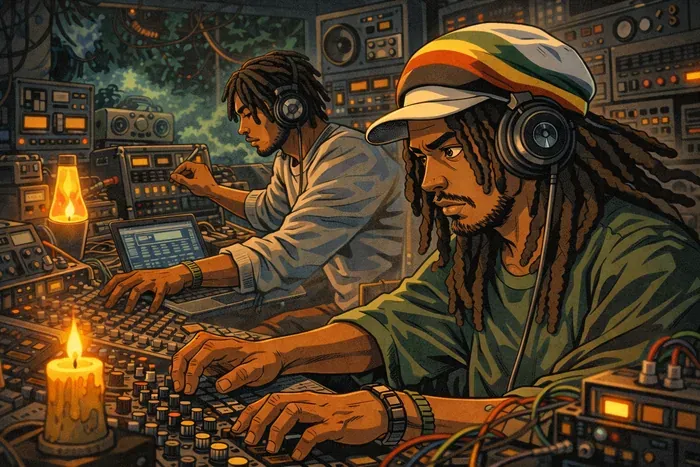
A New Generation of Dub Engineers
By the late 1970s, dub had grown from a studio experiment into a recognized part of Jamaican music culture. A new generation of engineers began expanding the techniques first explored by King Tubby and Lee “Scratch” Perry. Among the most notable figures were Scientist and Errol Thompson, both of whom helped carry dub production into a new era.
Scientist, whose real name is Hopeton Overton Brown, started working in recording studios while still a teenager. He learned much of his craft through direct experience in Kingston’s engineering environment, where younger technicians often observed more experienced engineers during sessions. Scientist spent time working with King Tubby, whose influence shaped many of his early mixing techniques.
Scientist soon developed his own approach to dub. His mixes often felt dramatic and playful. Instruments could appear suddenly in the foreground and then disappear again beneath layers of echo. Drum hits might echo across the stereo field, while bass lines remained steady at the center of the track. These shifts created a sense of movement that kept listeners engaged throughout the recording.
One of Scientist’s well-known projects was the album “Scientist Rids the World of the Evil Curse of the Vampires.” Released in the early 1980s, the record combined dub mixing with imaginative track titles and vivid sonic effects. Although the themes were playful, the production techniques demonstrated a deep understanding of rhythm and space.
Errol Thompson also played a major role in shaping the technical side of dub recording. Thompson worked as an engineer at Channel One Studio, one of Kingston’s most important recording locations during the 1970s. His engineering style emphasized clarity while still allowing room for echo and spatial effects.
Together with producer Joe Gibbs, Thompson helped create a series of influential dub albums. These recordings highlighted the strength of the rhythm section while exploring the possibilities of studio mixing. Thompson’s work showed that dub engineering could balance technical precision with creative experimentation.
The presence of engineers like Scientist and Thompson demonstrated how widely dub techniques had spread within the Jamaican music industry. What began as a handful of experiments in a few studios had now become a recognized form of musical expression.
Their work also prepared Jamaican music for the next stage of development. As dub engineers refined their mixing skills, DJs and performers began experimenting with new ways of using rhythm tracks during live dances. The microphone moved closer to the center of the performance, and a new vocal style began gaining attention.
Out of that environment emerged the DJ tradition, where performers spoke rhythmically over instrumental tracks. That practice led Jamaican music toward another transformation, one that reshaped the relationship between voice, rhythm, and the dance floor.
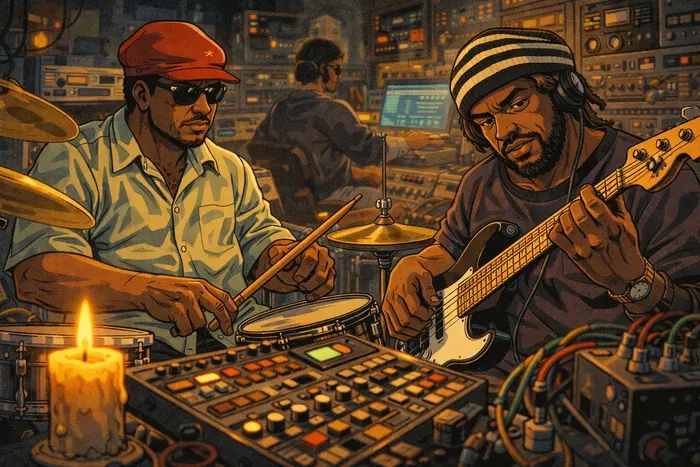
Sly & Robbie and the Rebuild of Jamaican Rhythm
Even as dub and DJ culture opened new directions, the rhythm section itself kept evolving. By the late 1970s, reggae rhythm had reached a new level of depth and precision. Studio musicians across Kingston had spent years refining the balance between bass, drums, and offbeat guitar patterns. Within that environment, one partnership began to stand out. The rhythm section of Sly Dunbar and Robbie Shakespeare, widely known as Sly & Robbie, reshaped the foundation of reggae music.
Their collaboration brought together two musicians with an exceptional sense of groove. Sly Dunbar approached the drum kit with both technical control and creative imagination. Robbie Shakespeare’s bass lines carried strong melodic movement while still anchoring the rhythm. Together they formed a partnership that producers across Jamaica quickly recognized as something special.
Working in studios such as Channel One and later Taxi Records, Sly & Robbie recorded with a wide range of artists. Their playing combined the deep pulse of roots reggae with new rhythmic ideas that hinted at the direction Jamaican music would soon take.
The importance of their work extended beyond reggae itself. Their rhythm patterns influenced dub production, dancehall development, and even international pop collaborations. Through their steady groove and inventive arrangements, Sly & Robbie helped guide Jamaican music into the next stage of its evolution.
Channel One and the Power of the Rhythm Section
During the mid-1970s, Channel One Studio became one of the most important recording spaces in Kingston. Located on Maxfield Avenue, the studio gained a reputation for powerful rhythm tracks and disciplined musicianship. Producers and singers arrived from across the island hoping to capture the distinctive sound that emerged from its sessions.
At the heart of that sound stood a group of studio musicians known as The Revolutionaries. This band included some of the most skilled players working in Jamaica at the time. Among them were drummer Sly Dunbar and bassist Robbie Shakespeare, whose partnership soon became the rhythmic backbone of many Channel One recordings.
The Revolutionaries approached recording sessions with precision and flexibility. Producers often arrived with only a basic idea for a song. The musicians then shaped the arrangement through rehearsal and improvisation. Once the groove felt right, the band recorded the rhythm track, which could later support several different vocal versions.
Sly Dunbar’s drumming style played a central role in these sessions. He combined steady timing with subtle variations that kept the rhythm alive. Instead of relying only on traditional reggae drum patterns, he explored different accents and fills that added movement without disrupting the groove.
Robbie Shakespeare complemented this approach with bass lines that carried both strength and melody. His playing often moved smoothly across the chord progression, giving the rhythm a sense of forward motion. At the same time, his tone remained deep and solid, reinforcing the physical impact of the music when played through sound systems.
Together, Sly and Robbie developed a rhythmic partnership built on careful listening. Each musician responded to the other’s timing and phrasing. This interaction created grooves that felt both relaxed and tightly controlled.
Channel One recordings soon became favorites within Kingston’s dance culture. Sound systems appreciated the strength of the bass and drum sound, which translated well through large speaker stacks. Producers also recognized that the Revolutionaries could deliver reliable rhythm tracks for many different artists.
Within this environment, Sly Dunbar and Robbie Shakespeare gained growing recognition within the Jamaican music industry. Their work at Channel One laid the foundation for a partnership that would soon reach far beyond the studio walls, shaping the rhythm of reggae and many related styles for decades to come.
Rhythm Architects of the Late 1970s
As their reputation grew in Kingston studios, Sly Dunbar and Robbie Shakespeare became known for something more than strong session work. Producers began recognizing them as rhythm architects, musicians capable of shaping the entire structure of a recording through their interaction. Their partnership placed the rhythm section at the center of reggae’s creative process.
Sly Dunbar had developed his drumming style by studying both Jamaican rhythms and international music. He listened closely to American funk and soul records, paying attention to how drummers built grooves that felt both steady and flexible. Instead of simply repeating one pattern throughout a track, he introduced subtle variations that gave the rhythm life. A small shift in the hi-hat pattern or a carefully placed drum fill could change the entire feel of a song.
Robbie Shakespeare approached the bass with similar attention to detail. His lines were rarely static. Even when repeating a short phrase, he adjusted the phrasing slightly to match the movement of the drums. The bass became more than a foundation. It functioned as a melodic voice that interacted directly with the rhythm.
When Sly and Robbie played together, their timing created a groove that felt natural and powerful. The drum patterns left space for the bass to move, while the bass lines reinforced the direction of the drums. This balance helped produce rhythms that worked equally well for singers, DJs, and instrumental recordings.
Their work also reflected the broader evolution of Jamaican music during the late 1970s. Roots reggae had grown heavier and more rhythm-focused, and producers increasingly looked for strong instrumental foundations before adding vocals. Sly & Robbie provided exactly that. Many sessions began with the rhythm track, which later supported several different songs.
Producers valued the pair for their reliability and creative instinct. Once a groove emerged in the studio, they could quickly adapt it for new arrangements. A rhythm recorded one afternoon might appear on multiple singles within weeks. This flexible approach fit perfectly with Jamaica’s version culture, where different artists recorded over the same instrumental backing.
Sly & Robbie soon moved beyond Channel One and established their own production identity through Taxi Records. The label allowed them to shape recordings from the rhythm section outward, selecting singers and arrangements that matched their musical vision.
Through that work, the duo pushed reggae rhythm toward the next phase of its development. Their grooves carried the depth of roots reggae while hinting at the more stripped-down rhythmic structures that would soon define dancehall.
The importance of their partnership became clear as more artists sought their involvement in studio sessions. Wherever Sly & Robbie appeared on a recording, listeners could expect a rhythm built with precision, movement, and unmistakable groove.
The Groove That Carried Reggae Forward
As the 1970s moved toward their final years, reggae rhythm developed a deeper and more deliberate character. Studio musicians focused strongly on bass and drum patterns that felt heavy yet controlled. Within that environment, the partnership of Sly Dunbar and Robbie Shakespeare became central to what many listeners described as the rockers sound.
The rockers style placed strong emphasis on the bass drum and steady rhythmic flow. Instead of relying mainly on the traditional reggae “one drop” drum pattern, Sly Dunbar often used a more driving pulse that carried the groove forward with subtle force. This approach gave the music a slightly more energetic feel while still preserving the relaxed movement that reggae listeners expected.
Many artists recorded with Sly & Robbie during this period, including Black Uhuru, whose recordings captured the darker, atmospheric side of roots reggae. Songs built around their rhythm tracks often featured deep bass lines, echo effects, and carefully balanced vocal harmonies. The overall sound felt spacious but powerful when played through large sound systems.
Another artist who worked with the duo was Peter Tosh, whose solo career grew after the early Wailers years. Tosh’s music often carried strong political messages and a clear Rastafari perspective. When paired with the steady rhythm of Sly & Robbie, his songs gained additional weight. The groove beneath the vocals reinforced the seriousness of the lyrics while keeping the music grounded in reggae tradition.
The rhythm section also contributed to recordings by many other singers during the late 1970s. Their sessions supported artists who moved between roots themes and more personal storytelling. The strength of the rhythm track allowed producers to shape different kinds of songs without losing the underlying groove.
Meanwhile, the Jamaican music scene was changing. Dance halls remained central to local culture, yet audiences were beginning to respond to slightly different rhythms. Some recordings carried a more stripped-down arrangement, leaving more space for singers and DJs to interact with the beat.
The rockers sound stood at a transitional point. It preserved the depth and spiritual tone of roots reggae while opening the door to new rhythmic ideas that would soon influence dancehall and other styles.
Through their work during this period, Sly & Robbie demonstrated how a rhythm section could guide the direction of an entire genre. Their grooves carried the weight of reggae’s past while quietly pointing toward its future.
From Roots to Rub-A-Dub: The Path to Dancehall
By the end of the 1970s, Jamaican music began shifting again. Roots reggae had reached a strong artistic peak, with powerful rhythms and spiritual messages that resonated both locally and internationally. But dancehall audiences were gradually moving toward a slightly different atmosphere. The music remained grounded in reggae rhythm, but the tone became more personal and sometimes more playful. This transition led to a style often called rub-a-dub.
Rub-a-dub kept the deep bass and steady drum patterns of roots reggae while bringing the singer closer to the center of the performance. The arrangements were often simpler, leaving space for expressive vocals. Instead of focusing mainly on social commentary or spiritual themes, many songs explored love, relationships, and everyday experiences.
One of the singers strongly associated with this moment was Gregory Isaacs. Known for his smooth voice and relaxed phrasing, Isaacs became one of the defining figures of the late-1970s reggae scene. His music blended emotional storytelling with strong rhythmic backing. The album “Night Nurse,” released in 1982, later became one of the most admired recordings connected to this style. Songs from the album carried a warm, reflective tone while maintaining the steady groove that dancehall audiences appreciated.
Another important voice of the period was Barrington Levy, whose high, expressive singing style quickly attracted attention. Levy’s recordings combined youthful energy with the deeper rhythm that had developed during the roots era. His voice moved easily across the groove, creating melodies that listeners could remember long after the song ended.
Producers and rhythm sections adapted their approach to match these changing tastes. Instrumental tracks often featured fewer layers than earlier roots recordings. The bass remained strong and steady, but the arrangements left more room for vocal expression.
Sound systems continued to play a major role in spreading the new style. When singers performed their songs through large speaker stacks at dances, the crowd responded to the emotional clarity of the vocals and the steady groove beneath them. These reactions helped determine which recordings gained popularity.
Rub-a-dub served as a bridge between the spiritual depth of roots reggae and the more rhythm-focused approach that would soon dominate Jamaican dance halls. The music maintained a connection to earlier traditions while allowing artists to explore new themes and vocal styles.
As the decade moved into the early 1980s, another development began transforming the sound of Jamaican music. DJs stepped more prominently into the spotlight, using rhythm tracks as a platform for rhythmic speech and crowd interaction. This shift would soon lead the music toward the emerging world of dancehall.
Studio Innovation, Diaspora, and New Links
As the 1980s approached, Jamaican music was no longer confined to the island’s studios and dance halls. The rhythms created by producers and musicians in Kingston had begun attracting attention from artists around the world. At the center of many of these collaborations stood the rhythm team of Sly Dunbar and Robbie Shakespeare, whose versatility allowed them to move easily between reggae and other musical styles.
Through their label Taxi Records, Sly & Robbie developed a production approach that combined Jamaican rhythm traditions with a willingness to experiment. Their studio work often began with a strong bass and drum foundation, but they remained open to different arrangements depending on the artist involved. This flexibility helped them become one of the most sought-after rhythm sections in international recording.
One of their most visible collaborations came through their work with Grace Jones, the Jamaican-born singer who had built a career in New York and Europe. Jones’s albums during the early 1980s blended reggae rhythm with elements of new wave, funk, and electronic music. Sly & Robbie provided the rhythmic backbone for several of these recordings, helping create a sound that crossed cultural and stylistic boundaries.
Their influence also reached artists outside the reggae tradition. Musicians working in rock, pop, and soul recognized the power of the Jamaican rhythm section. Producers invited Sly & Robbie into studios across Europe and North America, where their playing added depth and groove to a wide range of recordings.
These collaborations showed how reggae rhythm could function beyond its original context. The bass and drum patterns developed in Kingston studios proved adaptable to many musical environments. Even when surrounded by different instruments and production styles, the groove retained its distinctive character.
Back in Jamaica, the music scene continued evolving at home. Sound systems remained central to dance culture, and DJs were becoming more prominent performers at live events. Their rhythmic speech over instrumental tracks created a new dynamic between performer and audience.
The work of Sly & Robbie connected two important developments. Their studio collaborations helped reggae rhythm travel across international music scenes, while their influence within Jamaica helped shape the evolving sound that DJs would soon carry into dancehall.
Through their steady groove and open approach to collaboration, Sly & Robbie helped extend Jamaican rhythm far beyond the island. Their work showed that reggae’s rhythmic foundation could move comfortably across cultures while still maintaining its roots in the dance halls of Kingston.
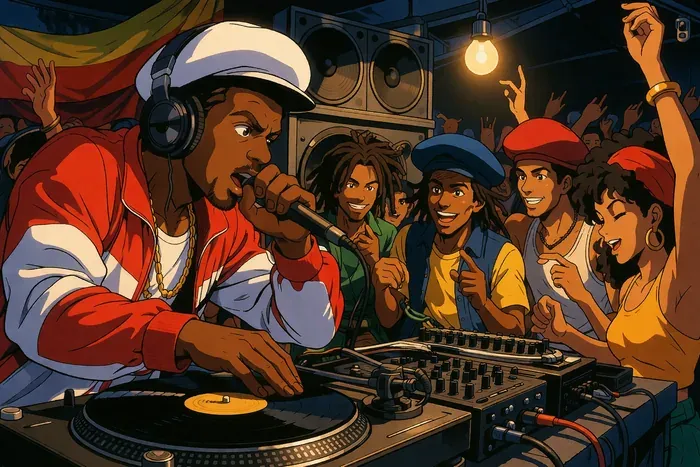
The Rise of the DJ: Toasting, Performance, and Dancehall
While rhythm sections such as Sly & Robbie were refining reggae inside Kingston studios, a parallel change was taking place on the dance floor. Sound system events had always depended on a close connection between music and audience. By the late 1960s and early 1970s, performers with microphones began shaping that interaction in new ways. These performers became known in Jamaica as DJs, or deejays.
Unlike singers, DJs did not always perform full melodic songs. Instead, they spoke rhythmically over instrumental versions of reggae tracks. Their words moved with the beat, creating a style of vocal expression that combined storytelling, humor, commentary, and crowd engagement. This practice became known as toasting.
Sound system operators quickly recognized the energy that DJs brought to their events. A skilled performer could transform a familiar rhythm into a new experience simply through voice and timing. The DJ responded to the crowd, adjusting the flow of words to match the atmosphere of the dance.
This approach also expanded the role of instrumental tracks. Producers began recording more version sides, leaving space for DJs to perform live over the rhythm. These performances soon became an essential part of Jamaican dance culture.
From this environment emerged a new generation of artists who used voice, rhythm, and improvisation to guide the music toward what would soon be known as dancehall.
Jamaican Patois, Timing, and Vocal Delivery
When Jamaican deejays transformed the microphone into a lead instrument, they changed more than lyrical subject matter. They also changed musical delivery itself. Jamaican Patois gave performers a way of phrasing words that felt flexible, compressed, percussive, and highly responsive to the beat.
This mattered because deejay performance depended on timing as much as content. A line could lean ahead of the riddim, sit deep inside it, or snap across the bar with sharp attack. Patois, with its local idioms, clipped turns of phrase, and strong spoken musicality, helped artists shape voice as rhythm rather than only as message.
That is one reason toasting sounded so different from formal singing. The deejay did not need long melodic lines to control the crowd. Texture, accent, pacing, repetition, and improvised emphasis could do the work. A well-timed phrase might hit like a drum accent.
This vocal logic also traveled well. Early hip-hop MCs, jungle hosts, dancehall-influenced pop artists, and reggaeton performers all inherited some version of the same idea: the human voice can ride a beat as a rhythmic engine, not just as a carrier of melody.
Of course, those later forms developed in their own local conditions. Jamaican Patois did not simply export itself unchanged. But the relationship between speech, groove, and crowd response that Jamaican deejays refined became one of the island’s most far-reaching musical contributions.
With that foundation in place, the rise of artists such as U-Roy makes even more sense. They were not just talking over records. They were turning local speech, rhythm, and presence into a new performance art.
U-Roy and the Emergence of the Reggae DJ
Among the earliest performers to shape the DJ tradition was U-Roy, whose voice helped define the sound of Jamaican dance culture during the early 1970s. Born Ewart Beckford in Kingston, U-Roy first became known through his performances on local sound systems. His style demonstrated how spoken rhythm could transform an existing reggae track into something entirely new.
Before U-Roy’s rise, instrumental versions of songs often appeared on the B-side of Jamaican singles. These versions allowed sound systems to extend a dance by playing the rhythm without the original vocals. DJs sometimes spoke briefly over the track, encouraging the crowd or introducing the next record.
U-Roy expanded that idea into a full performance style. Instead of short comments between songs, he delivered continuous rhythmic speech over the music. His voice followed the pulse of the rhythm section while his lyrics mixed playful lines, cultural references, and improvised phrases.
Sound systems quickly recognized the excitement this approach created. When U-Roy performed over familiar rhythms, listeners experienced the music in a fresh way. The original track remained recognizable, yet the DJ’s voice introduced new energy and personality.
Producer Duke Reid helped bring U-Roy’s sound from the dance floor into the recording studio. In 1970, U-Roy recorded tracks such as “Wake the Town”, which became a hit in Jamaica. The recording placed his rhythmic speech directly over a previously recorded reggae rhythm, creating a format that soon spread throughout the industry.
The success of those recordings demonstrated that DJs could become recording artists in their own right. Other performers began exploring similar styles, and producers started creating rhythm tracks specifically designed for DJ performances.
U-Roy’s influence reached far beyond Jamaica. His rhythmic speaking style later inspired early hip-hop performers in New York, where Caribbean sound system traditions had begun influencing local music culture.
Within Jamaica, his work also shifted the balance of performance in dance halls. DJs moved closer to the center of attention, sharing the spotlight with singers and musicians. The microphone became a powerful tool for shaping the energy of the crowd.
Through his recordings and live performances, U-Roy helped establish the foundation for a new form of Jamaican music expression. His approach to rhythm and voice opened the door for the next generation of DJs who would expand the style even further.
Big Youth and the Expansion of Toasting
After the success of U-Roy, the DJ style quickly spread through Jamaican sound system culture. Several performers began developing their own approach to rhythmic speech, each adding new ideas to the growing tradition. Among the most creative of these voices was Big Youth, born Manley Buchanan in Kingston.
Big Youth emerged during the early 1970s as a DJ who combined sharp rhythm with vivid storytelling. His performances often carried strong social and cultural references, reflecting the everyday experiences of Kingston’s communities. While U-Roy had helped establish the DJ format, Big Youth expanded the expressive possibilities of the style.
His voice moved fluidly across the rhythm track, shifting between melodic phrases and spoken commentary. At times he adopted a playful tone, engaging the audience with humor and spontaneous wordplay. At other moments his lyrics addressed political tension, social inequality, and the influence of Rastafari within Jamaican culture.
One of Big Youth’s most respected recordings is the album “Screaming Target,” released in 1973. The album captured the energy of sound system performances while presenting the DJ style within a more structured recording format. Each track layered Big Youth’s voice over strong reggae rhythms, allowing listeners to hear how the spoken performance interacted with the groove.
Unlike many singers, DJs often relied on existing instrumental tracks rather than newly composed songs. Producers selected rhythm tracks that had already proven successful on the dance floor and invited DJs to record their own versions. This practice reinforced Jamaica’s version culture, where multiple artists could reinterpret the same instrumental foundation.
Big Youth’s approach also reflected the cultural atmosphere of the early 1970s. Jamaica was experiencing political debate, economic challenges, and strong discussions about identity and spirituality. DJs often responded to these realities through improvised commentary within their performances.
Sound system dances remained the primary stage for this style. When Big Youth performed live, his voice carried across large speaker systems while the rhythm track filled the space with deep bass. The interaction between performer and audience created an atmosphere that felt both communal and spontaneous.
Through artists like Big Youth, the DJ tradition moved beyond simple crowd encouragement and developed into a complex form of musical expression. The microphone became a tool for storytelling, humor, and cultural reflection.
As the decade continued, new DJs would build on these foundations. Some performers brought sharper rhythms, others introduced new vocal tones, and many experimented with different lyrical themes. Together they prepared Jamaican music for the next stage of its evolution, where DJs would become central figures in the emerging world of dancehall.
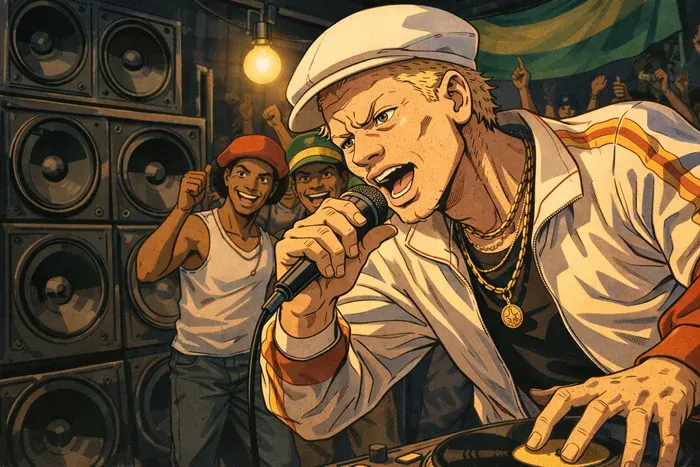
Yellowman and the Early Rise of Dancehall
As the DJ tradition grew during the late 1970s and early 1980s, a new generation of performers brought the style to a wider audience. Among the most recognizable figures of this period was Yellowman, whose voice and stage presence helped bring DJ music into the center of Jamaican popular culture.
Born Winston Foster in Kingston, Yellowman faced difficult circumstances early in life. He grew up in a children’s home after being abandoned as a child, partly because of the stigma attached to albinism in Jamaican society at the time. Despite these challenges, he developed a strong passion for music and began performing on local sound systems while still young.
Yellowman’s style stood out for its confidence and humor. His delivery moved quickly across the rhythm, often mixing playful wordplay with bold expressions of personality. Unlike some earlier DJs whose lyrics focused heavily on social commentary, Yellowman frequently embraced themes of dancehall life, romance, and everyday experiences.
Sound systems quickly embraced his performances. Crowds responded to his energetic presence and his ability to keep the atmosphere lively throughout a dance. Promoters soon invited him to perform at events across Jamaica, and his reputation grew rapidly.
One of Yellowman’s best-known recordings is “Zungguzungguguzungguzeng.” The track captured the rhythmic style that had become popular in dance halls during the early 1980s. Its playful vocal delivery and steady rhythm made it a favorite on sound systems. Over time, the song’s distinctive melody and phrasing influenced artists far beyond Jamaica.
Yellowman also played an important role in bringing DJ culture into recording studios and onto international stages. During the early 1980s he released several albums that circulated widely outside Jamaica. These recordings introduced international audiences to the dancehall DJ style that had previously existed mainly within sound system events.
His success helped shift the balance of Jamaican popular music. While singers remained important, DJs now occupied a central position within the industry. Producers began creating rhythm tracks designed specifically for DJ performances, and recording sessions increasingly featured spoken vocal styles alongside traditional singing.
Yellowman’s career demonstrated how the DJ tradition could move from local dance culture into broader musical recognition. His personality, humor, and rhythmic skill made him one of the defining voices of early dancehall.
As the 1980s progressed, the DJ style continued evolving. New performers arrived with different lyrical approaches, and rivalries between artists added excitement to the dancehall scene. These developments would soon bring another layer of intensity to Jamaican music culture.
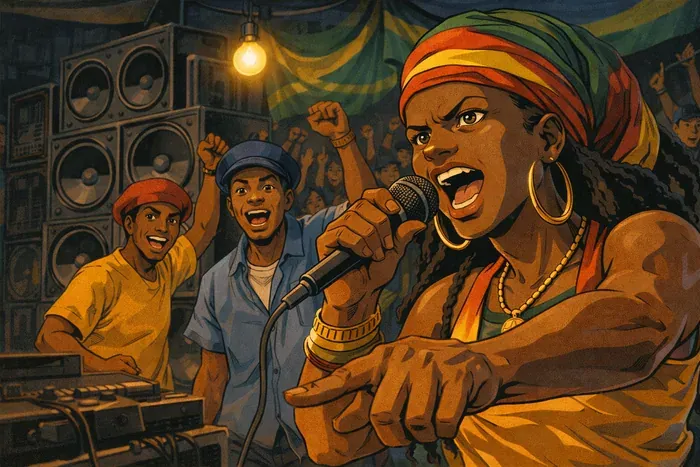
Sister Nancy and Women's Presence in Early Dancehall
While the early DJ scene was largely dominated by male performers, several women stepped forward and proved that the microphone belonged to them as well. Among the most influential was Sister Nancy, whose voice became one of the most recognizable in dancehall history.
Born Ophlin Russell in Kingston, Sister Nancy grew up in a musical environment. Her brother Brigadier Jerry was already known as a DJ in the Jamaican sound system world. Watching his performances helped inspire her interest in the craft. At first, many people within the scene doubted that a woman could succeed as a DJ, but Nancy continued developing her own style and confidence.
She began performing on sound systems during the late 1970s and quickly gained attention for her strong voice and relaxed delivery. Instead of trying to imitate male DJs, she created a style that balanced rhythmic speech with a clear sense of melody. Her performances felt natural over the rhythm tracks, and audiences responded with enthusiasm.
Her most famous recording, “Bam Bam,” appeared in 1982. The song used a rhythm that had already circulated through Jamaican music, yet Sister Nancy’s vocal delivery gave it new life. Her voice moved comfortably across the groove, combining playful phrases with a confident presence. The track soon became a favorite at dancehall events. "I just said I am going to do a tune like Yellowman did. And I did 'Bam Bam,' my way."
Over time, “Bam Bam” reached listeners far beyond Jamaica. Producers and DJs around the world sampled or referenced the recording, introducing Sister Nancy’s voice to new audiences decades after its original release. The song’s rhythm and phrasing became part of global music culture.
Despite this success, female DJs still faced challenges within the Jamaican music industry. Sound system culture often revolved around late-night performances and competitive environments that were not always welcoming to women. Even so, artists like Sister Nancy continued building their careers through determination and strong performances.
Her presence also opened doors for later female performers in dancehall. Seeing a woman succeed on stage encouraged others to step forward with their own voices and styles. In the years that followed, artists such as Lady Saw, Patra, and others would expand the space available for women within the genre.
Sister Nancy’s work demonstrated that the DJ tradition was not limited to one kind of performer. Her rhythm, confidence, and unmistakable voice secured her place in the history of Jamaican music. Through recordings and sound system performances, she helped ensure that women remained part of dancehall’s evolving story.
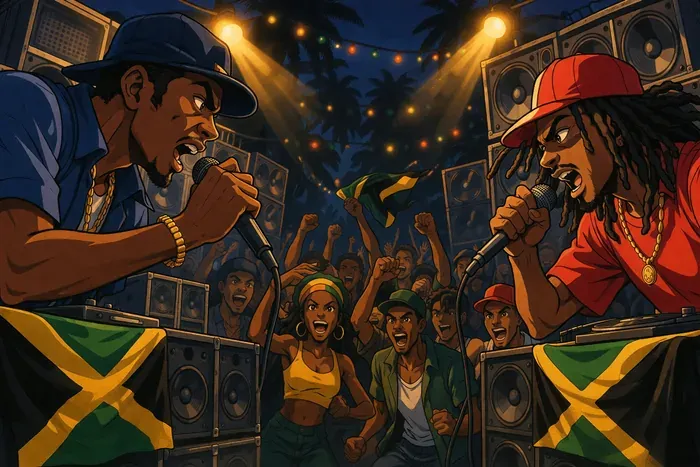
Sound Clashes, Rivalry, and Dancehall Prestige
Sound systems had always been competitive, yet by the late 1970s and early 1980s the rivalry between crews developed into a full cultural tradition known as the sound system clash. These events placed two or more sound systems against each other in a musical contest. Each team attempted to win the crowd’s approval through powerful speakers, rare records, and strong DJ performances.
A typical clash involved several elements. Selectors chose tracks that would energize the audience, DJs performed over rhythm versions, and operators tested the strength of their equipment. The goal was simple: keep the crowd moving and reacting more strongly than the opposing sound system. Audience response often determined the winner.
One important tool in these contests was the dubplate. A dubplate was a special recording made exclusively for a particular sound system. Artists recorded personalized versions of songs that mentioned the name of the crew using the record. Because these versions were unique, they gave the sound system a strong advantage during clashes. When a selector dropped a dubplate that praised their own crew while challenging the rival, the crowd often reacted immediately.
The clash environment encouraged creativity from DJs as well. Performers needed quick thinking and strong timing to respond to the changing mood of the dance. A clever lyric or well-placed line could excite the audience and strengthen the reputation of the sound system.
Sound system clashes also shaped the structure of Jamaican recordings. Producers began creating rhythm tracks designed for multiple interpretations. One instrumental backing could support singers, DJs, and dub versions, each offering a different perspective on the same groove.
These events became a central part of dancehall culture. Large gatherings drew audiences from different neighborhoods, and the atmosphere often carried both excitement and tension. Rival sound systems represented local pride, and supporters arrived ready to cheer for their favorite crew.
The influence of clash culture spread beyond Jamaica as Caribbean communities established sound systems in cities such as London, New York, and Toronto. There too, DJs and selectors carried the competitive spirit of Kingston dance halls into new environments.
Through these clashes, sound systems helped keep Jamaican music dynamic and responsive to its audience. Every performance tested new rhythms, new lyrics, and new ideas. This culture of experimentation prepared the ground for the next major shift, when technology and rhythm machines would reshape the sound of dancehall.
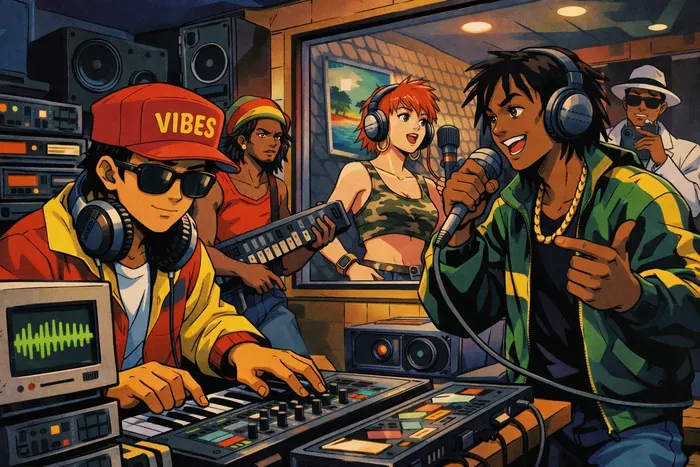
Digital Dancehall and the Sleng Teng Shift
During the early 1980s, Jamaican music moved into another period of transformation. Dancehall culture had already placed DJs at the center of live performances, while producers continued experimenting with rhythm and studio techniques. Meanwhile, new technology was entering recording studios around the world. Drum machines and electronic keyboards offered fresh possibilities for shaping rhythm.
In Kingston, producers and musicians quickly explored these tools. Jamaican music had always evolved through experimentation, and electronic instruments became part of that creative environment. Instead of replacing traditional musicians entirely, the new technology allowed producers to build rhythm tracks in different ways.
This shift became widely visible with the arrival of digital dancehall, a style built around electronically generated rhythms rather than full studio bands. The sound felt sharper and more minimal. Bass lines remained central, yet the arrangements often used fewer instruments, leaving space for DJs and singers to dominate the track.
The turning point for this new approach arrived with a single rhythm that would reshape Jamaican music culture. Known as Sleng Teng, the track demonstrated how digital production could influence the entire dancehall scene.
Its success quickly spread through sound systems and recording studios, launching a new era in Jamaican popular music.
Wayne Smith and the Sleng Teng Turning Point
In 1985, Jamaican music experienced a major turning point with the release of “Under Mi Sleng Teng” by Wayne Smith. The song introduced a fully digital rhythm that immediately captured the attention of dancehall audiences.
The story behind the track has become part of Jamaican music folklore. Producer King Jammy and Wayne Smith were experimenting with a preset rhythm on a Casio MT-40 keyboard, a small electronic instrument that included built-in accompaniment patterns. One of these presets produced a distinctive bass-driven rhythm that felt different from the live band recordings dominating Jamaican studios at the time.
When Smith began singing over the pattern, the combination created something entirely new. The rhythm carried a sharp electronic pulse, while the bass line maintained the deep groove that dancehall listeners expected. The result felt both modern and unmistakably Jamaican.
The song quickly gained attention in Kingston dance halls. Sound systems began playing the track repeatedly, and audiences responded with excitement to the fresh sound. Producers across the island soon recognized that the digital rhythm offered new creative possibilities.
Within months, other artists began recording songs over the same Sleng Teng riddim. This practice followed Jamaica’s long tradition of version culture, where multiple performers reinterpret a single instrumental backing. The Sleng Teng rhythm soon supported dozens of different vocal tracks, each adding new lyrical ideas while preserving the same electronic groove.
The impact of this development reached far beyond a single hit record. Digital production made it easier for producers to create rhythm tracks without assembling large studio bands. Drum machines and keyboards allowed musicians to experiment with tempo, bass patterns, and arrangement in ways that would have been difficult with traditional recording setups.
For DJs and singers, the stripped-down digital rhythm also offered more space for vocal expression. Without dense instrumental arrangements, the voice stood clearly at the center of the track. Dancehall performers used that space to develop sharper lyrical delivery and stronger interaction with the audience.
King Jammy’s production work during this period helped define the early digital dancehall sound. His studio became a hub where artists experimented with the new technology while maintaining the deep bass tradition of Jamaican music.
“Under Mi Sleng Teng” marked more than the arrival of a successful single. It introduced a production approach that reshaped the structure of Jamaican music. The digital rhythm soon spread through Kingston studios, launching a wave of recordings that defined dancehall during the second half of the 1980s.
New Stars and New Styles in Dancehall
After the success of the Sleng Teng rhythm, the Jamaican music scene entered a period of rapid change. Digital production spread quickly through Kingston studios, and a new generation of performers stepped forward to define the sound of dancehall. DJs and singers alike adapted their style to the sharper, more minimal rhythms created by drum machines and keyboards.
A prominent figure of this era was Shabba Ranks, whose deep voice and confident delivery made him one of the dominant dancehall artists of the late 1980s and early 1990s. Born Rexton Rawlston Fernando Gordon, Shabba Ranks developed his style through sound system performances before moving into recording studios. His rhythmic phrasing matched the energy of digital dancehall, allowing his voice to ride the beat with strong presence.
Songs such as “Ting-A-Ling” and “Dem Bow” became widely recognized in dancehall culture. His recordings carried a mixture of humor, street commentary, and bold personality. As his popularity grew, Shabba Ranks also gained international attention, helping introduce dancehall to audiences outside the Caribbean.
Another important figure was Super Cat, whose charismatic stage presence made him a favorite within Jamaican dance halls. Known for his smooth yet commanding vocal delivery, Super Cat brought both lyrical creativity and strong crowd engagement to his performances. His recordings balanced playful storytelling with rhythmic precision.
Ninjaman, another prominent DJ of the period, developed a reputation for intense lyrical skill and dramatic performances. His rapid delivery and confident style made him one of the most talked-about figures within dancehall during the late 1980s and early 1990s. In sound system clashes and live events, his improvisational ability often drew strong reactions from audiences.
These artists represented different approaches to the dancehall DJ tradition. Some emphasized humor and charisma, while others focused on lyrical agility and performance intensity. Together they helped shape the identity of the digital dancehall era.
Producers also played a crucial role in this period. With digital tools available, they could quickly create new rhythms that supported the growing number of DJs entering the studio. A successful riddim might inspire dozens of recordings, each bringing a different voice and lyrical perspective to the same instrumental foundation.
Sound systems remained the testing ground for these recordings. DJs introduced new songs during dances, where audience reactions determined which tracks would gain popularity. This direct connection between performers and listeners kept the music evolving rapidly.
Through this environment, dancehall developed into a vibrant and competitive musical culture. The new generation of performers built on earlier DJ traditions while adapting their style to the possibilities of digital rhythm.
Rivalry, Persona, and Dancehall Stardom
As dancehall grew during the late 1980s and early 1990s, competition between performers became one of the driving forces of the scene. Rivalries added excitement to live events and gave audiences a reason to follow particular artists closely. These musical rivalries rarely followed the structure of formal contests. Instead, they unfolded through recordings, sound system appearances, and lyrical exchanges.
Two of the most prominent figures during this period were Beenie Man and Bounty Killer. Both artists emerged from the Jamaican sound system environment and quickly developed strong reputations for their stage presence and lyrical skill.
Beenie Man, born Anthony Moses Davis, began performing at a young age. His voice carried a sharp rhythmic quality that worked well with the digital dancehall style. By the early 1990s he had built a loyal following through energetic performances and a steady stream of recordings. Songs such as “Who Am I (Sim Simma)” later helped introduce his style to international audiences.
Bounty Killer, born Rodney Price, developed a different approach to the DJ tradition. His voice carried a rougher tone, and his lyrics often reflected themes of social struggle and street life. Bounty Killer’s delivery felt direct and intense, which gave his recordings a distinctive presence within the dancehall scene.
The rivalry between Beenie Man and Bounty Killer became one of the most widely discussed stories in Jamaican music during the 1990s. Their lyrical exchanges sometimes appeared in recorded songs and sometimes during live performances. Fans followed these moments closely, often choosing sides based on their favorite artist.
Despite the competitive atmosphere, these rivalries also pushed performers to improve their craft. DJs refined their lyrical delivery, sharpened their stage presence, and worked with producers to develop stronger recordings. That competition helped raise the overall energy of dancehall culture.
Sound system events remained central to these interactions. When artists appeared at large dances, the crowd’s reaction played a crucial role in shaping reputations. A strong performance could strengthen an artist’s standing within the scene, while a weak moment might quickly become the subject of conversation among fans.
During this period, dancehall also began reaching wider audiences through international tours and recordings. Artists who first gained recognition within Kingston’s dance halls started performing across Europe and North America.
Through rivalries, live performances, and evolving rhythms, dancehall developed into a dynamic musical culture where personality, voice, and audience connection mattered as much as the rhythm itself.
Women, Gender, and Tension in Dancehall
As dancehall developed during the late 1980s and 1990s, women began claiming more visible space within a scene that had long been dominated by male voices. Female performers brought new perspectives to the music, addressing themes of independence, sexuality, and social expectations. Their presence reshaped how gender roles were discussed within Jamaican popular culture.
One of the most influential artists of this period was Lady Saw, born Marion Hall. Her career began in Kingston’s sound system circuit, where DJs competed for attention through bold lyrical performances. Lady Saw quickly stood out for her confidence and direct approach. Instead of avoiding the confrontational style often associated with male DJs, she adopted the same intensity while adding her own perspective.
Her recordings challenged traditional expectations about how women should speak within dancehall. Songs such as “Sycamore Tree” presented strong responses to male-centered storytelling that had long dominated the genre. Through sharp lyrics and steady rhythmic delivery, Lady Saw claimed space for female voices within the dancehall environment.
Another important figure was Patra, whose music helped carry dancehall rhythm into international pop culture during the early 1990s. Patra’s voice blended dancehall delivery with melodic phrasing, creating songs that appealed to both Jamaican audiences and listeners abroad. Tracks such as “Worker Man” gained popularity outside the Caribbean while maintaining a strong connection to dancehall rhythm.
Female artists also used their music to address broader social questions. In a culture where expectations about gender behavior often shaped public life, dancehall became a place where those ideas could be challenged. Some performers used humor, others used direct commentary, and many combined both approaches within their lyrics.
Another respected voice in this conversation was Tanya Stephens, whose songwriting often carried thoughtful social observation. Her recordings explored relationships, power dynamics, and everyday experiences with a reflective tone that distinguished her from many of her contemporaries.
Through artists like these, dancehall developed a more complex discussion about gender. Female DJs and singers proved that they could command the stage, the studio, and the microphone with the same authority as their male counterparts.
Their success also influenced later generations of performers. As new female artists entered the scene in the 2000s and beyond, they built upon the path created by Lady Saw, Patra, and others. These pioneers demonstrated that dancehall could serve as a platform not only for rhythm and entertainment but also for voices that challenged cultural expectations.
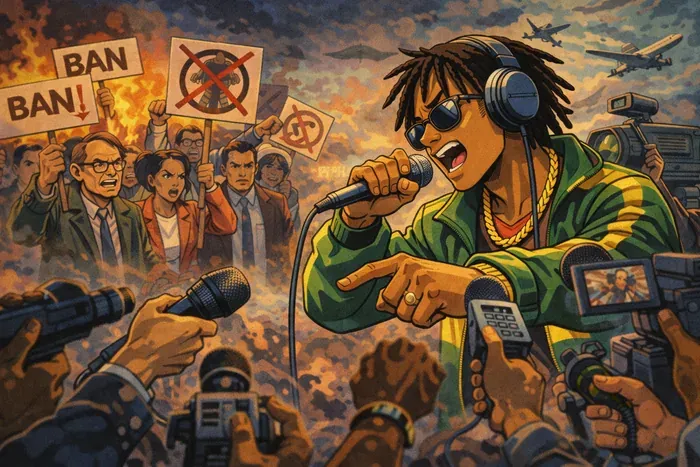
Dancehall, Public Debate, and Global Controversy
As dancehall expanded during the 1990s and early 2000s, the genre attracted attention not only for its rhythm and energy but also for the debates surrounding some of its lyrics. Dancehall had always reflected the social environment of Jamaica’s urban communities. Artists spoke openly about relationships, street life, and everyday struggles. As the music reached wider audiences, those themes sometimes sparked strong reactions.
Some critics focused on the explicit language that appeared in certain recordings. Others raised concerns about lyrics addressing violence or sexuality. Within Jamaica, these discussions often reflected broader social tensions between traditional expectations and the expressive freedom that dancehall culture encouraged.
Artists themselves responded in different ways. Some defended their lyrics as an honest reflection of life in Kingston’s dancehall environment. They argued that the music described realities already present in society rather than creating them. Others adjusted their style when performing for international audiences, adapting lyrics or focusing on different themes.
The debate became particularly visible as dancehall recordings reached markets in Europe and North America. Concert promoters, radio stations, and cultural organizations sometimes questioned whether certain songs should be broadcast or performed publicly. These discussions highlighted the cultural differences between Jamaican dancehall audiences and listeners abroad.
Many fans and scholars, however, emphasized the artistic and cultural importance of the genre. Dancehall had developed from decades of Jamaican musical tradition, drawing on sound system culture, DJ performance, and rhythmic experimentation. The music served as a creative outlet for communities that often had limited access to other platforms of expression.
Despite the controversy, dancehall continued evolving and reaching new audiences. Artists toured internationally, and recordings circulated widely through radio, clubs, and emerging digital platforms. The strong bass lines and energetic rhythms made the music appealing to listeners far beyond the Caribbean.
Debate became part of dancehall’s global story. While some critics questioned aspects of the lyrics, supporters pointed to the genre’s cultural depth and its role in shaping modern music.
By the early 2000s, the influence of dancehall rhythms could be heard in many other musical styles. Producers and artists around the world were drawing inspiration from Jamaican bass patterns and DJ delivery. From there, the story opens outward, tracing how those rhythms traveled across continents and influenced genres from hip-hop to electronic music.
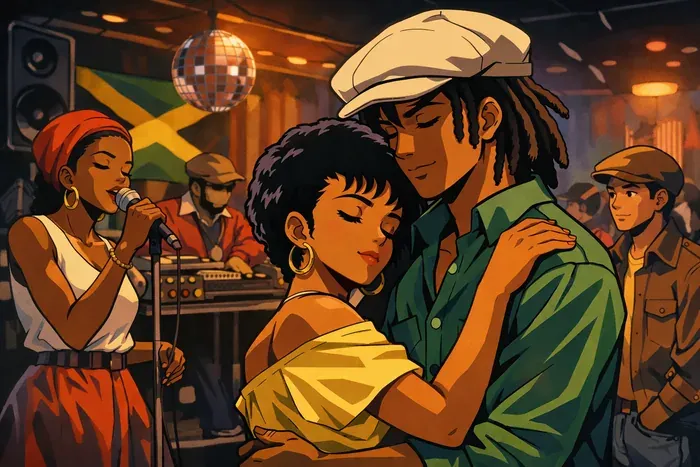
Lovers Rock and the Black British Caribbean Experience
While dancehall rhythms reshaped Jamaican music during the late 1970s and 1980s, another branch of reggae culture was developing across the Atlantic. In the Caribbean communities of London, Birmingham, and other British cities, young musicians began creating a softer, more romantic style of reggae. This music became known as lovers rock.
Lovers rock grew from the experience of the Caribbean diaspora in the United Kingdom. Many families had migrated from Jamaica and other islands after World War II, bringing their musical traditions with them. Sound systems appeared in neighborhood halls and house parties, where reggae records from Kingston mixed with local talent and influences from soul and pop.
Within this environment, singers began focusing on themes of love, relationships, and emotional reflection. The rhythms remained rooted in reggae, yet the tone felt gentler than many roots recordings. Smooth melodies and layered harmonies became central to the style.
The rise of lovers rock also created new space for female singers. Women played a major role in shaping the sound, and several of the genre’s most influential voices emerged from the British reggae scene.
Taken together, these songs and performances made lovers rock an important cultural bridge between Jamaica and the Caribbean diaspora in Britain.
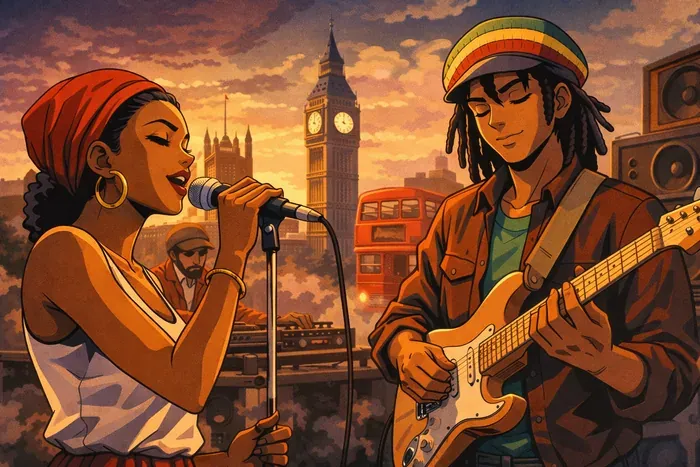
Lovers Rock Takes Shape in London
The emergence of lovers rock during the mid-1970s reflected the changing cultural landscape of Britain’s Caribbean communities. Young people growing up in London often felt connected both to their parents’ Jamaican heritage and to the musical influences surrounding them in the United Kingdom. Reggae records from Kingston remained popular, yet many singers also listened closely to American soul and British pop.
This mixture of influences helped shape the early lovers rock sound. Producers began recording reggae rhythms with softer arrangements and romantic lyrics. Instead of the heavy political themes often associated with roots reggae, the new style focused on personal emotions and intimate storytelling.
One of the earliest songs connected to this movement was “Caught You in a Lie” by Louisa Mark, recorded in 1975. Mark was only a teenager when she recorded the track, yet her gentle vocal style immediately captured attention within the British reggae scene. The recording combined reggae rhythm with a soulful melodic approach that felt both familiar and fresh.
The success of the song encouraged other producers to explore similar ideas. Small studios across London began recording singers who shared this softer vocal style. These recordings circulated quickly through community sound systems and local record shops.
Sound system culture played a major role in spreading lovers rock. Just as in Kingston, DJs and selectors introduced new recordings during dances where the audience responded directly to the music. When a song connected with listeners, it quickly became part of the local dancehall repertoire.
Lovers rock also created opportunities for female singers who had fewer recording outlets within the traditional reggae industry. The style’s emphasis on melody and emotional expression allowed women’s voices to stand at the center of the music.
The genre also reflected the cultural identity of a new generation. Many young listeners in Britain felt a strong connection to Jamaica but had grown up within British society. Lovers rock gave them a musical language that acknowledged both experiences.
As a result, London became an important second center for reggae culture. The city’s recording studios and sound systems helped expand the reach of Jamaican rhythm while allowing new voices to shape its direction.
From these beginnings, lovers rock continued growing during the late 1970s, producing several singers whose recordings would define the genre and influence reggae music for decades to come.
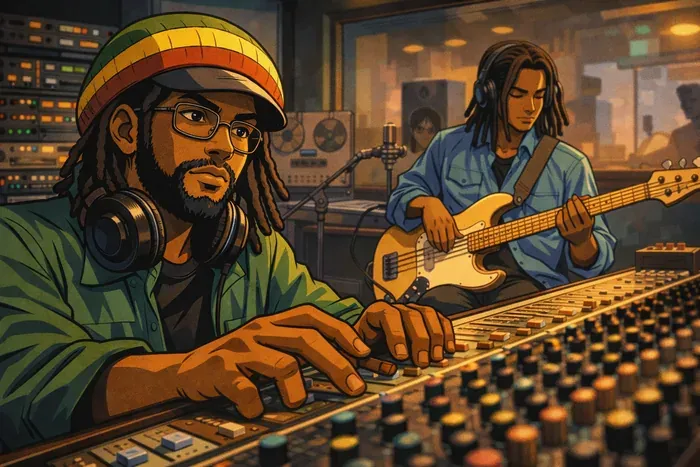
Dennis Bovell and the Studio Sound of British Reggae
As lovers rock grew within Britain’s Caribbean communities, producers and musicians began shaping a distinct version of reggae outside Jamaica. Among the most influential figures in this development was Dennis Bovell, a producer, musician, and engineer whose work helped define the sound of British reggae.
Bovell was born in Barbados and moved to London as a child. Like many young people growing up in Britain’s Caribbean diaspora during the 1960s and 1970s, he absorbed a wide range of musical influences. Reggae records from Jamaica remained central, yet soul, funk, and British pop were also part of the musical environment. Bovell learned to move comfortably between these styles.
His early recognition came through the band Matumbi, one of the first British reggae groups to gain significant attention. The band’s recordings showed how reggae rhythm could adapt to a different cultural setting while still maintaining its core groove. Matumbi’s music combined deep bass lines with a polished studio sound that appealed to both Caribbean and British audiences.
Bovell’s influence grew even stronger through his work as a producer. He played an important role in developing the lovers rock scene by working with young singers who brought new emotional tones to reggae recordings. His production style emphasized clarity, warm bass lines, and smooth vocal arrangements.
One of the most important recordings connected to Bovell’s work is “Silly Games” by Janet Kay. Released in 1979, the song became one of the defining tracks of lovers rock. Kay’s delicate vocal performance floated above the reggae rhythm while Bovell’s production kept the arrangement balanced and expressive. The song later reached the British pop charts, introducing lovers rock to a wider audience.
Bovell also worked closely with Carroll Thompson, another important voice within the lovers rock movement. Her recordings carried a soft, emotional quality that resonated strongly with listeners across Britain’s Caribbean communities. Songs such as “I’m So Sorry” and “Hopelessly in Love” became favorites at sound system dances.
Beyond lovers rock, Bovell contributed to many other areas of British reggae culture. His studio skills connected reggae rhythm with dub techniques, poetry performances, and collaborations across different musical styles.
Through his work as a musician and producer, Dennis Bovell helped build a bridge between Jamaican reggae traditions and the evolving musical identity of Britain’s Caribbean diaspora. His recordings demonstrated how reggae could travel across oceans while continuing to grow in new cultural environments.
Janet Kay, Carroll Thompson, and the Voice of Lovers Rock
As lovers rock developed during the late 1970s, several singers helped bring the style into wider public recognition. Among the most important voices were Janet Kay and Carroll Thompson, two artists whose recordings captured the emotional core of the genre.
Janet Kay grew up in London within a Caribbean family that maintained strong cultural connections to Jamaica. Like many young singers of her generation, she was surrounded by reggae records at home while also listening to soul and pop music on British radio. This mixture of influences shaped her vocal style.
Her breakthrough arrived in 1979 with “Silly Games.” Produced by Dennis Bovell, the song combined a gentle reggae rhythm with Kay’s delicate, expressive voice. One of the track’s most memorable moments appears near the end, when her voice rises into a sustained high note that became instantly recognizable among listeners.
“Silly Games” quickly became a favorite within the lovers rock scene and soon reached a broader audience. The song entered the British charts and introduced many listeners to a softer form of reggae than the roots style they had previously heard. For many young people in Britain’s Caribbean communities, the track captured a feeling of emotional closeness and cultural belonging.
Around the same time, Carroll Thompson emerged as another leading voice of the genre. Her recordings often focused on themes of love, vulnerability, and personal reflection. Thompson’s vocal tone carried warmth and clarity, making her songs particularly suited to the gentle rhythms of lovers rock.
Her album “Hopelessly in Love,” released in 1981, became one of the most admired recordings of the movement. The album combined romantic songwriting with polished reggae arrangements that reflected the growing professionalism of the British reggae scene.
Both singers also benefited from the support of local sound systems. Dances provided an important space where new songs could reach audiences directly. When a lovers rock track connected with listeners on the dance floor, its popularity could spread quickly across London and other British cities.
Through their voices, Janet Kay and Carroll Thompson helped define the emotional atmosphere of lovers rock. Their recordings demonstrated that reggae rhythm could carry tenderness and introspection without losing its connection to the dancehall.
The success of these artists confirmed that reggae culture had taken root within Britain’s Caribbean diaspora. While Jamaican studios continued shaping new rhythms, British singers and producers were building a parallel scene that expanded reggae’s global reach.
Linton Kwesi Johnson, Dub Poetry, and Political Speech
While lovers rock emphasized romance and melody, another voice within Britain’s reggae scene took a very different direction. Linton Kwesi Johnson, often known simply as LKJ, brought poetry and political reflection into the world of reggae rhythm. His work created a form widely known as dub poetry.
Johnson was born in Jamaica and moved to London as a teenager. Growing up in Britain during the 1970s, he witnessed the tensions faced by many Caribbean communities. Issues such as racism, policing, housing inequality, and political representation shaped everyday life for many young people in these neighborhoods.
Instead of expressing these concerns through traditional singing, Johnson developed a spoken style that combined poetry with reggae rhythm. His words followed the beat in a measured, deliberate flow, allowing the meaning of each line to remain clear. The rhythm provided structure, while the poetry carried the message.
Johnson’s performances often featured music recorded with the help of producer Dennis Bovell and other musicians connected to the British reggae scene. Their arrangements built steady bass lines and restrained instrumentation that supported the spoken voice without overwhelming it.
One of Johnson’s most well-known recordings is “Dread Beat an’ Blood,” an album released in 1978. The record presented poems delivered in Jamaican-inflected speech over reggae rhythms. The language reflected everyday conversation in Caribbean communities in Britain, giving the work a strong sense of authenticity.
Another widely recognized piece, “Sonny’s Lettah (Anti-Sus Poem),” addressed the controversial British “sus” laws, which allowed police to stop and search individuals based on suspicion. The poem described the experience of a young man confronting the consequences of these laws. Delivered over a slow reggae rhythm, the words carried both emotional weight and political urgency.
Johnson’s work expanded the boundaries of reggae culture. While many songs focused on dance, romance, or spiritual reflection, dub poetry used rhythm as a platform for social commentary. The music created space for listeners to engage with the meaning of the words.
His influence extended beyond Britain. Dub poetry inspired writers and musicians in other countries to explore similar combinations of spoken word and rhythm. The style also strengthened the connection between reggae culture and broader discussions about identity, migration, and social justice.
Through artists like Linton Kwesi Johnson, reggae continued evolving as both music and cultural expression. The rhythm that began in Kingston studios had now become a platform for voices across the Caribbean diaspora.
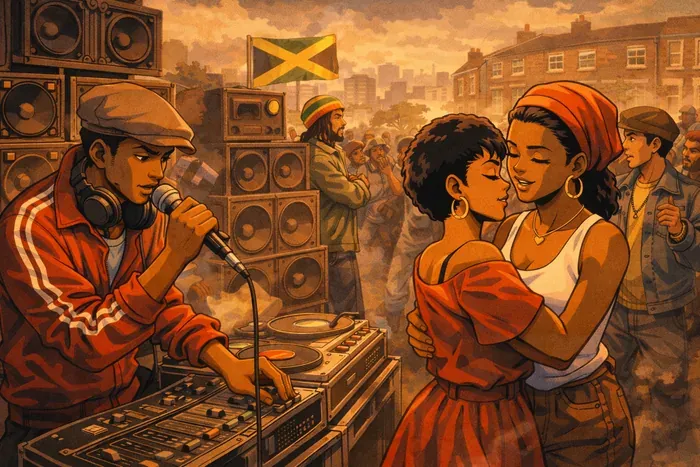
UK Sound Systems and Diaspora Community Life
As reggae developed within Britain’s Caribbean communities, sound systems once again became central to the culture. The tradition had traveled from Kingston through migration, carried by people who brought their musical practices with them. In cities such as London, Birmingham, Bristol, and Leeds, large speaker stacks and powerful amplifiers recreated the atmosphere of Jamaican dance halls.
British sound systems often operated from community centers, small clubs, or neighborhood gatherings. The events brought together people from across the Caribbean diaspora and created a space where music, identity, and social connection could flourish. Reggae rhythms provided the foundation, yet the atmosphere reflected the realities of life in Britain.
One of the most influential figures in this environment was Jah Shaka, a sound system operator whose name became widely respected within the UK reggae scene. His sessions focused heavily on deep bass, spiritual themes, and extended dub versions of reggae rhythms. The music often moved slowly and deliberately, allowing the sound system itself to become part of the performance.
Jah Shaka’s dances developed a reputation for intensity and focus. The heavy bass vibrations filled the room while echo and reverb effects created a sense of space around the rhythm. Many listeners described the experience as both musical and spiritual.
Other sound systems also played important roles in shaping British reggae culture. Crews such as Sir Coxsone Outernational and Saxon Sound helped introduce new artists, rhythms, and DJ styles to audiences across the country. Their selectors carefully built record collections that mixed Jamaican imports with locally produced recordings.
Sound system culture also influenced younger generations growing up in Britain during the late 1970s and 1980s. Many future musicians first encountered reggae through these dances. The deep bass and improvisational performance style would later inspire developments in other genres, including jungle, drum and bass, and several forms of British electronic music.
Through these gatherings, reggae became more than imported entertainment. It turned into a living part of British urban culture, shaped by the experiences of Caribbean communities and the creativity of local musicians.
The sound systems operating in Britain thus continued the tradition first established in Kingston decades earlier. They demonstrated how Jamaican music could travel across oceans while maintaining its connection to rhythm, community, and the shared experience of the dance floor.
Their influence would soon become visible in several new musical movements that drew directly from reggae’s deep bass and sound system tradition.
Jamaican Ideas in Hip-Hop, Jungle, and Electronic Music
From UK sound systems and diaspora dances, Jamaican ideas moved into several new genres. By the late twentieth century, Jamaican sound system culture had begun influencing musical movements far beyond the Caribbean. The ideas first developed in Kingston dance halls did not remain confined to reggae or dancehall. They traveled through migration, recordings, and club culture, gradually shaping new genres in cities around the world.
One of the most direct connections appeared in New York, where Caribbean immigrants brought sound system traditions into urban neighborhoods. DJs began experimenting with rhythm, microphone performance, and crowd interaction in ways that echoed the practices of Jamaican dance culture.
Across the Atlantic, similar influences appeared in Britain. Sound system events had already created strong reggae communities in cities such as London and Bristol. As younger musicians explored electronic instruments and studio technology, reggae’s heavy bass and dub production techniques began merging with emerging forms of club music.
These connections helped shape several influential genres, including hip hop, jungle, drum and bass, and later forms of electronic music. Producers adapted Jamaican ideas about rhythm, remixing, and sound system performance to new musical contexts.
Together, these developments carried the legacy of reggae and dancehall far beyond the island where the music first emerged.
Kool Herc and Hip-Hop's Sound-System Roots
One of the clearest links between Jamaican sound system culture and global music history appears in the story of DJ Kool Herc. Born Clive Campbell in Kingston, Jamaica, Herc moved to the Bronx in New York City during his teenage years. Like many migrants, he carried memories of the music and dance traditions that shaped his childhood.
In Jamaica, sound systems had long been the center of community gatherings. DJs played records through powerful speakers while performers spoke rhythmically over instrumental sections of songs. The atmosphere encouraged interaction between the performer and the crowd.
When Herc began organizing parties in the Bronx during the early 1970s, he drew directly from those experiences. Instead of focusing on full songs, he noticed that dancers responded most strongly to the break sections of funk and soul records. These instrumental moments allowed the rhythm to stand alone, creating space for energetic dance moves.
Herc developed a technique that extended these break sections by using two turntables. By switching between identical records, he could repeat the rhythmic passage for as long as the crowd remained engaged. This approach became known as the breakbeat technique.
Performers also began speaking rhythmically over the music, encouraging the dancers and interacting with the audience. This style of vocal performance echoed the Jamaican tradition of toasting, where DJs delivered spoken lines over reggae rhythms.
The parties organized by Kool Herc quickly gained attention within the Bronx. Young dancers, later known as breakdancers, responded to the extended rhythms with acrobatic movements that matched the beat. Graffiti artists and MCs also became part of the growing cultural environment.
Through these gatherings, the foundations of hip hop culture began to take shape. While the music evolved in a distinctly American urban context, the influence of Jamaican sound system practices remained clear. The use of powerful speakers, the focus on rhythm, and the interaction between DJ and crowd all reflected traditions that had existed in Kingston for decades.
Kool Herc’s role is one of the clearest examples of how Jamaican music culture traveled across borders. His parties in the Bronx connected Caribbean sound system ideas with the creative energy of New York’s urban youth.
From that starting point, hip hop grew into one of the most influential musical movements in the world. Yet its roots remained linked to the rhythm, improvisation, and community spirit of Jamaican dance culture.
Dub Techniques in Post-Punk and Experimental Rock
During the late 1970s, reggae and dub recordings began reaching a growing audience in Britain and parts of Europe. Many musicians in the emerging post-punk scene listened closely to these records. What attracted them was not only the rhythm but also the experimental studio techniques that dub engineers had developed in Jamaica.
Bands working in post-punk often searched for new ways to shape sound inside the studio. Dub offered a clear example of how mixing itself could become part of the creative process. Jamaican engineers had already shown that echo, reverb, and sudden drops in the arrangement could transform a recording into something spacious and atmospheric.
One of the earliest groups to draw from reggae and dub influences was The Clash. Members of the band spent time listening to Jamaican records circulating in London’s Caribbean communities. Their song “Police and Thieves,” originally recorded by Jamaican singer Junior Murvin and produced by Lee “Scratch” Perry, became a key reference point. The Clash later recorded their own version, showing how reggae rhythm could blend with the raw energy of punk rock.
Another important figure was John Lydon, formerly the singer of the Sex Pistols, who formed the band Public Image Ltd. after the punk movement’s first wave. Public Image Ltd. incorporated deep bass lines and spacious production that clearly reflected dub’s influence. Tracks such as “Death Disco” and “Poptones” placed strong emphasis on rhythm and atmosphere rather than traditional rock structures.
Producers also played a role in connecting dub techniques with British experimental music. Adrian Sherwood, founder of the label On-U Sound, worked with a wide range of artists who explored the possibilities of dub production. Sherwood’s recordings often featured heavy bass, echo effects, and layered sound textures inspired by Jamaican studio practices.
These collaborations demonstrated how dub could function outside the reggae genre. Instead of copying Jamaican rhythms directly, many post-punk musicians adopted the production philosophy behind dub. They used the studio to reshape recordings through space, delay, and dynamic changes in the mix.
The influence soon spread beyond individual bands. Engineers and producers working in rock and alternative music began experimenting with similar techniques, bringing dub’s sense of sonic depth into many different recording environments.
Through this exchange, reggae and dub became part of a broader conversation about sound and technology in modern music. The innovations developed in Kingston studios now shaped recordings made thousands of miles away, showing once again how Jamaican musical ideas traveled across cultures and genres.
Jungle, Drum & Bass, and Jamaican Rhythmic Inheritance
During the early 1990s, another musical movement began taking shape in Britain’s club scene. Known first as jungle and later as drum and bass, the genre combined fast breakbeats with deep bass lines and elements drawn from reggae and dancehall culture. Many of the musicians involved had grown up within Britain’s Caribbean communities, where reggae sound systems were already part of everyday life.
Jungle emerged from the underground rave environment that developed around electronic dance music. Producers used samplers and drum machines to build rapid rhythmic patterns based on breakbeats taken from funk and soul recordings. These fast drum loops created a driving energy that matched the atmosphere of crowded nightclubs and late-night parties.
What distinguished jungle from earlier electronic music was its strong connection to reggae and dub traditions. Deep bass lines remained central to the sound, echoing the powerful low frequencies heard in Jamaican sound systems. Producers also borrowed vocal samples from reggae and dancehall recordings, adding familiar phrases that connected the music to Caribbean culture.
Artists such as Shy FX helped define this emerging style. His 1994 track “Original Nuttah,” created with vocalist UK Apache, became one of the defining recordings of early jungle. The track combined fast drum programming with reggae-inspired vocals, creating a sound that immediately captured attention within Britain’s club scene.
Another important figure was Rebel MC, later known as Congo Natty, who had previously worked in hip hop and dance music before moving into jungle production. His work emphasized the spiritual and cultural connection between reggae sound system traditions and the new electronic rhythms developing in British clubs.
Jungle events often reflected the same communal atmosphere found in reggae sound system dances. DJs controlled the flow of music through powerful speaker systems while MCs interacted directly with the crowd. The emphasis on bass and rhythm created a physical listening experience similar to the one long associated with Jamaican dance culture.
Over time, jungle evolved into the more polished style known as drum and bass. Producers refined the rhythmic structures while keeping the deep bass foundation that had defined the earlier sound. Even as the genre developed its own identity, the influence of reggae and dub remained visible in its rhythms and production techniques.
Through jungle and drum and bass, the legacy of Jamaican sound system culture continued shaping new musical movements. The rhythm that once filled Kingston dance halls now powered electronic music events across Britain and beyond.
Trip Hop Through the Logic of Dub
While jungle and drum and bass pushed rhythm toward faster tempos, another British movement explored a slower and more atmospheric direction. This style, later known as trip hop, emerged during the early 1990s in the city of Bristol. Like jungle, the genre drew from several musical influences, including hip hop, soul, and electronic music. Yet one of its most important foundations came from dub production techniques.
Bristol had long been connected to Caribbean culture. The city’s reggae sound systems and record shops helped introduce local musicians to Jamaican music from an early age. Many producers grew up listening to dub recordings where bass, echo, and space played central roles in shaping the sound.
Trip hop artists adapted these ideas to a slower and more introspective musical environment. Instead of fast dance rhythms, the music often moved at a relaxed tempo, allowing the bass and atmosphere to carry the emotional weight of the track. The production placed strong emphasis on mood, texture, and sonic depth.
One of the most influential groups connected to this style was Massive Attack. Their 1991 album “Blue Lines” introduced a new kind of sound that blended hip hop beats with soulful vocals and dub-influenced bass lines. Tracks such as “Unfinished Sympathy” and “Safe from Harm” demonstrated how spacious production techniques could shape modern music.
Another figure connected to the dub influence within trip hop was producer Mad Professor, a Guyanese-born engineer based in London. Mad Professor had built his reputation through reggae and dub recordings before collaborating with artists outside the traditional reggae scene. His remix project “No Protection,” created with Massive Attack in 1995, transformed songs from the album “Protection” into dub versions filled with echo, delay, and deep bass.
These recordings showed how dub production could move into entirely different musical territories. The same techniques once used to reshape reggae tracks now influenced electronic music, alternative rock, and experimental studio work.
Trip hop represented another stage in the global journey of Jamaican musical ideas. The emphasis on bass, echo, and spatial mixing traced directly back to the innovations of dub engineers in Kingston studios decades earlier.
Through artists in Bristol and London, these techniques found a new audience. The sound remained quieter and more reflective than dancehall or jungle, yet the connection to dub remained clear within the music’s structure and atmosphere.
Global Sound Systems and Bass Communities
By the early twenty-first century, the ideas first developed in Kingston’s dance halls had spread across much of the world. Sound system culture no longer belonged only to Jamaica or the Caribbean diaspora. In cities across Europe, Asia, Africa, and the Americas, DJs and producers built musical communities around powerful speakers, bass-heavy rhythms, and the interactive energy between performer and audience.
Many of these scenes drew directly from Jamaican traditions. Large speaker stacks remained central to the experience, and DJs often mixed reggae, dub, dancehall, and other bass-driven genres during live events. The focus on rhythm and low-frequency sound continued to shape how audiences experienced the music physically.
In Europe, sound system culture developed strong roots in countries such as Germany, France, and Italy. Crews organized outdoor events and club nights where reggae and dub recordings played through carefully built speaker systems. These gatherings often emphasized deep bass and extended instrumental versions, reflecting the influence of dub mixing techniques.
In Japan, reggae and dancehall gained a devoted following beginning in the late twentieth century. Japanese sound systems and DJs built vibrant scenes in cities like Tokyo and Osaka. Many performers studied Jamaican DJ styles closely, creating performances that blended local creativity with the traditions of Kingston dance halls.
Across Latin America, reggae rhythms also found enthusiastic audiences. Sound systems appeared in countries such as Brazil, Mexico, and Colombia, where local musicians incorporated reggae and dancehall patterns into their own musical traditions. These exchanges produced hybrid styles that combined Caribbean rhythm with regional sounds.
The spread of digital technology further accelerated these connections. Producers shared rhythms and recordings across continents through online platforms. DJs could now discover new tracks instantly, allowing sound system culture to evolve through constant global exchange.
Despite these changes, the core elements of the tradition remained recognizable. The emphasis on bass, rhythm, and community interaction continued linking modern sound system events to their origins in Kingston.
Through this worldwide network of DJs, producers, and audiences, Jamaican music culture maintained a lasting influence on contemporary sound. Rhythm patterns, remix practices, and performance styles developed decades earlier continued shaping how people experienced music on dance floors across the globe.
As these connections grew stronger, Jamaican musical ideas also began influencing new forms of popular music in the twenty-first century. The rhythms of dancehall and reggae would soon appear in genres ranging from Latin pop to African dance music and global electronic club culture.

Diaspora Feedback Loops: Music, Migration, and Return
By this stage, it is important to avoid imagining Jamaican influence as a one-way export. Music left the island, changed in other places, and then returned in new forms. Migration to cities such as London, New York, Toronto, and Panama created communities where Jamaican records, accents, dance styles, and sound-system habits mixed with new local pressures and opportunities.
In London, reggae helped shape not only roots sound systems but also lovers rock, a style developed by Black British musicians who adapted Jamaican forms to their own social world. In New York, Jamaican sound-system practice became part of the story of early hip-hop culture through figures such as DJ Kool Herc. In Panama and Puerto Rico, reggae and dancehall rhythms moved into Spanish-language forms that later fed reggaeton.
These scenes did not simply borrow from Jamaica. They created new markets, new business models, and new expectations. Records made for overseas audiences could influence what Jamaican producers recorded next. Diaspora radio, cassette circulation, touring, and family networks all helped sounds travel back across the Atlantic and around the Caribbean.
By the 1970s, international listeners were already becoming increasingly important to Jamaica’s music economy. That shift encouraged some producers to think beyond the local dance while still depending on Kingston as the creative base. Later digital networks accelerated the same pattern. A rhythm might be voiced in Jamaica, popularized abroad, and then return to the island through remixes, collaborations, and new local reinterpretations.
This back-and-forth exchange helps explain why Jamaican music remained so adaptable. It was not isolated and then copied by the world. It stayed in motion, continually reshaped by diaspora communities that kept one ear on Kingston and another on their own cities.

Dancehall in the Twenty-First Century
That back-and-forth movement also shaped dancehall itself. By the beginning of the twenty-first century, dancehall had firmly established itself as a major form of Jamaican music. The genre had already passed through several phases, from the early DJ culture of the 1970s to the digital revolution sparked by the Sleng Teng rhythm in the 1980s. In the decades that followed, dancehall continued evolving as new artists, producers, and audiences reshaped its sound.
Technological change also shaped this development. Digital recording tools became widely accessible, allowing producers to create rhythms quickly and distribute music through international networks. The internet also transformed how songs traveled. Tracks that once spread mainly through local sound systems could now reach listeners around the world within days.
Dancehall artists also began building stronger connections with global pop markets. Collaborations with international producers and performers introduced the rhythm to new audiences while maintaining its roots in Jamaican dance culture.
Despite these global connections, dancehall remained closely tied to Kingston’s musical environment. Sound systems, street dances, and local studios continued shaping the rhythm and energy of the genre. Within that environment, a new generation of artists stepped forward to carry dancehall into the twenty-first century.

Sean Paul and Dancehall's Pop Crossover
A prominent figure in the international rise of dancehall during the early 2000s was Sean Paul. Born Sean Paul Henriques in Kingston, he grew up within Jamaica’s diverse cultural environment, where reggae, dancehall, and international pop music all circulated through radio and sound system events.
Sean Paul first gained attention through performances with the Dutty Cup Crew, a group connected to the Jamaican dancehall scene. His rhythmic delivery and clear vocal tone made him stand out among emerging DJs. Producers soon recognized that his voice worked particularly well over modern dancehall rhythms designed for both local dances and international radio.
His breakthrough arrived with the album “Dutty Rock” in 2002. The record included several songs that quickly gained global attention. Among them, “Get Busy” became one of the best-known dancehall tracks of the era. The song’s energetic rhythm and memorable vocal delivery helped it break into mainstream international charts.
Sean Paul’s success reflected the growing connection between dancehall and global pop culture. His recordings combined traditional Jamaican rhythmic patterns with production techniques that appealed to mainstream audiences. The result allowed dancehall to move beyond its local roots while maintaining its core groove.
Another important element of Sean Paul’s career involved collaborations with international artists. Working with singers and producers from different musical backgrounds helped introduce dancehall rhythm to listeners who might not otherwise encounter Jamaican music. These collaborations often blended dancehall with pop, hip hop, and electronic influences.
Despite this global recognition, Sean Paul remained connected to the Jamaican dancehall tradition. His vocal style continued drawing from the rhythmic delivery developed by earlier DJs, and many of his recordings maintained the deep bass and steady groove associated with Kingston’s sound system culture. "With everything that's thrown at you, whether it be problems at home, problems at work — whatever — basically, if you remain positive, you can see your way out of that."
Through his international success, Sean Paul helped establish dancehall as a global pop influence during the early twenty-first century. His recordings demonstrated that Jamaican rhythms could travel across cultural boundaries while still retaining the distinctive character that first emerged from the island’s dance halls.
Vybz Kartel and the Shape of Modern Dancehall
As dancehall moved deeper into the twenty-first century, few artists shaped its identity as strongly as Vybz Kartel. Born Adidja Palmer in Kingston, Kartel emerged during the early 2000s as a powerful voice within the Jamaican dancehall scene. His lyrical style, strong presence, and prolific recording output made him one of the most discussed artists in the genre.
Kartel first gained wider attention through his association with the group Vybz Kartel and the Alliance, which included several younger DJs who were developing their own styles within the dancehall environment. His voice carried a sharp, rhythmic delivery that matched the energy of modern digital riddims.
What distinguished Kartel from many earlier performers was the intensity of his lyrical output. He recorded a large number of songs each year, addressing themes ranging from everyday life and relationships to commentary on social tensions in Jamaican society. His ability to adapt quickly to new rhythms made him a constant presence on the dancehall charts.
Songs such as “Romping Shop”, recorded with Spice, and “Clarks”, created with Popcaan and producer Ricky Blaze, became widely recognized within the dancehall community. These recordings reflected the changing sound of the genre, where digital production allowed rhythms to circulate rapidly between artists and studios.
Kartel’s influence also extended to younger performers. Many emerging DJs adopted elements of his vocal phrasing and lyrical style. Through this influence, his approach helped shape the sound of modern dancehall across the island.
At the same time, Kartel’s career was surrounded by public controversy. Legal issues and debates about his lyrics generated intense discussion within Jamaican media and among international observers. These debates reflected the broader tensions that often accompanied dancehall’s outspoken style.
Even with these challenges, Kartel’s musical presence continued influencing the genre. His recordings remained popular within sound system events and online music platforms, where fans followed each new release closely.
Within the broader history of Jamaican music, Vybz Kartel represents a moment when dancehall adapted to the digital age while maintaining the expressive energy of earlier DJ traditions. His voice carried the rhythm forward into a new era where recordings moved quickly across global networks.
Through artists like Kartel, dancehall maintained its role as a living, evolving form of Jamaican musical expression.
Popcaan and a New Jamaican Generation
As dancehall entered the 2010s, a new generation of artists began reshaping the sound while remaining connected to the traditions of Jamaican rhythm culture. Among the most visible voices of this generation was Popcaan, whose music carried the energy of modern dancehall alongside influences from reggae, hip hop, and global pop.
Born Andre Sutherland in St. Thomas, Jamaica, Popcaan first gained attention as a member of Vybz Kartel’s Portmore Empire collective. His early appearances on dancehall recordings introduced listeners to a vocal style that combined rhythmic delivery with melodic phrasing. This approach allowed his songs to move comfortably between dancehall and other contemporary genres.
Popcaan’s breakthrough arrived with the song “Clarks,” recorded alongside Vybz Kartel and producer Ricky Blaze. The track quickly spread through Jamaican dance halls and later gained international recognition. Its success introduced Popcaan as a promising voice within the evolving dancehall scene.
In the years that followed, Popcaan developed a distinctive musical identity. His recordings often blended dancehall rhythm with melodic hooks that appealed to listeners beyond Jamaica. Songs such as “Party Shot,” “Everything Nice,” and “Family” showed how modern dancehall artists could move between club energy and reflective storytelling.
International collaborations also played a role in expanding his audience. Popcaan worked with artists from the worlds of hip hop, electronic music, and global pop. These collaborations introduced Jamaican dancehall rhythms to listeners across Europe, North America, and Africa while still maintaining the core groove of the genre.
Even so, Popcaan remained connected to Jamaica’s sound system tradition. His music continued circulating through local dance halls where DJs and selectors tested new recordings in front of live audiences. The response of these crowds still carried significant influence over which songs gained lasting popularity.
Popcaan’s career reflects the evolving identity of dancehall in the twenty-first century. Younger artists grew up in a world where Jamaican rhythms already traveled globally through digital media. At the same time, the local dancehall environment remained the creative center where new styles first emerged.
Through performers like Popcaan, the new generation of Jamaican musicians carried dancehall into a global musical conversation while preserving its roots in Kingston’s rhythm culture.
Women in Contemporary Dancehall
Women continued shaping the direction of dancehall as the genre moved into the twenty-first century. Building on the work of earlier pioneers such as Sister Nancy, Lady Saw, and Patra, a new generation of female artists stepped forward with strong voices and distinctive styles. Their recordings addressed themes of independence, identity, relationships, and cultural pride while maintaining the rhythmic energy of dancehall.
One of the most influential artists of this period is Spice, born Grace Hamilton in St. Catherine, Jamaica. She developed her reputation through energetic live performances and bold lyrical delivery. Spice’s music often combined sharp social commentary with humor and confident self-expression. Her songs gained strong support within Jamaican dance halls and later reached international audiences through digital platforms.
Spice’s work also addressed issues related to gender expectations and colorism within Jamaican society. Through both her music and public presence, she sparked conversations about identity and representation. These themes helped establish her as one of the most visible female voices in modern dancehall.
Another artist who expanded the reach of female performers in the genre is Shenseea, born Chinsea Lee. Her recordings blended dancehall rhythm with melodic elements influenced by pop and hip hop. Songs such as “Loodi,” recorded with Vybz Kartel, introduced her voice to a wide audience early in her career.
Shenseea’s international collaborations helped bring dancehall rhythm into global pop networks. Her vocal style moved easily between rhythmic delivery and melodic singing, allowing her music to connect with diverse audiences.
Jada Kingdom represents another important voice within contemporary dancehall. Known for her expressive songwriting and soulful vocal tone, she often explores emotional themes in her recordings. Her music demonstrates how dancehall can support both energetic club tracks and reflective storytelling.
The presence of these artists shows how female voices continue expanding the creative space within the genre. Their work reflects both the traditional dancehall environment and the changing cultural landscape shaped by global media and online distribution.
Through their recordings and performances, contemporary female artists maintain the spirit of Jamaican dance culture while introducing new perspectives and musical ideas. Their contributions ensure that dancehall remains a dynamic platform for expression as it continues evolving in the modern era.
Koffee and a New Voice in Jamaican Music
While dancehall remained a highly visible Jamaican genre in the twenty-first century, reggae itself continued evolving through new artists who carried its tradition forward. One of the clearest new voices to emerge in recent years is Koffee, whose music brought renewed global attention to modern reggae.
Born Mikayla Simpson in Spanish Town, Jamaica, Koffee began writing songs and performing while still a teenager. Her musical style combined reggae rhythm with elements of dancehall, hip hop, and contemporary pop. This blend allowed her music to connect with both younger listeners and audiences familiar with earlier reggae traditions.
Koffee first gained wide recognition through the song “Toast,” released in 2018. The track carried an uplifting message about gratitude and perseverance. Built on a steady reggae groove, the song quickly spread through radio, online platforms, and international music networks. Its positive tone and memorable rhythm helped introduce Koffee’s voice to listeners around the world.
Her growing reputation led to the release of the EP “Rapture” in 2019. The project included several songs that demonstrated her ability to move comfortably between melodic singing and rhythmic delivery. In 2020, the EP received the Grammy Award for Best Reggae Album, making Koffee one of the youngest artists ever to receive that recognition in the reggae category.
Koffee’s success reflected the changing environment of Jamaican music in the digital era. Social media and streaming platforms allowed songs to travel quickly across continents, giving new artists opportunities to reach international audiences early in their careers.
Even so, her music remained connected to the traditions of Jamaican rhythm culture. The bass-driven groove of reggae continued anchoring her recordings, while the lyrical themes often focused on positivity, community, and personal growth.
Through artists like Koffee, reggae demonstrates its ability to renew itself across generations. The genre carries decades of musical history, yet each new voice brings fresh ideas and perspectives.
Her work shows how Jamaican music continues evolving while maintaining the rhythmic foundation that first emerged from Kingston’s studios and dance halls many decades ago.
From Dancehall to Global Bass Cultures
By this stage, Jamaican music was not only renewing itself at home. It was also reshaping global pop and club culture. During the early decades of the twenty-first century, Jamaican rhythms became deeply embedded in global popular music. Dancehall patterns, reggae bass lines, and dub production techniques appeared in genres far removed from Kingston’s original dance halls. Producers working in electronic music, hip hop, Latin pop, and African dance styles began adapting elements that had first developed in Jamaican studios.
This process unfolded gradually. Jamaican musical ideas merged with local traditions in different parts of the world. In many cases, the connection began through diaspora communities, sound system culture, and international collaborations between artists.
The rise of digital production tools also made it easier for rhythms to travel. Producers could share tracks online, remix recordings, and experiment with bass-heavy arrangements influenced by reggae and dancehall. These exchanges helped create a broad family of genres often described collectively as global bass.
Within this environment, Jamaican music continued influencing new movements across several continents. The rhythmic ideas first explored in ska, reggae, dub, and dancehall now appeared in clubs, festivals, and streaming playlists around the world.
The following sections explore how these rhythms shaped new genres and collaborations in the global music landscape.
Dancehall, Afrobeats, and Afro-Caribbean Pop
As Jamaican music spread across international markets, its rhythms began merging with other Caribbean and African musical traditions. Dancehall, with its energetic groove and rhythmic vocal delivery, proved especially adaptable to these exchanges. Producers and performers in several regions incorporated dancehall patterns into emerging pop styles.
One example appears in the development of Afrobeats, a contemporary African genre that blends elements of highlife, hip hop, electronic production, and Caribbean rhythm. Artists such as Burna Boy and Wizkid have drawn on reggae and dancehall influences in some recordings. These connections reflect long-standing cultural links between the Caribbean and West Africa, strengthened through migration and musical exchange.
Burna Boy’s music often features rhythmic phrasing and bass patterns that echo dancehall structures. His collaborations with Jamaican artists further highlight these connections. In several recordings, the rhythmic flow of the vocals and the arrangement of the percussion reflect the influence of Caribbean production techniques.
One high-profile pop example is Drake, whose collaborations with Jamaican performers brought dancehall-inspired rhythms to a wide audience. Songs such as “Controlla” incorporated melodic phrasing and rhythmic structures associated with dancehall. These recordings showed how Jamaican musical ideas could blend with contemporary pop production.
The Caribbean itself also played a role in this exchange. In countries such as Trinidad and Tobago, Barbados, and Saint Lucia, local musicians incorporated dancehall elements into their own styles. Artists including Machel Montano explored connections between dancehall rhythm and soca, creating energetic festival tracks that moved easily between Caribbean carnival events and international dance floors.
These collaborations reflect the fluid nature of modern music culture. Jamaican rhythms no longer move in a single direction from Kingston outward. Instead, artists across the Caribbean and Africa contribute new ideas that feed back into the broader musical conversation.
Through these exchanges, dancehall continues evolving within a global network of musical traditions. The bass lines, rhythmic phrasing, and vocal styles first shaped in Jamaican dance halls now appear in a wide range of contemporary pop recordings.
Reggaeton and the Spanish-Caribbean Connection
A clear global transformation of Jamaican rhythm appears in the development of reggaeton, a genre that grew from Caribbean and Latin American musical exchange during the late twentieth century. The foundations of reggaeton can be traced to Panama and Puerto Rico, where reggae recordings from Jamaica circulated widely among local musicians.
In Panama, reggae first gained popularity among communities with strong Caribbean heritage, particularly those connected to Jamaican migration during the construction of the Panama Canal. Musicians began adapting Jamaican reggae songs by translating the lyrics into Spanish while keeping the rhythmic structure intact. Artists such as El General became known for these early Spanish-language interpretations of reggae rhythms.
Over time, these recordings developed into a style often referred to as reggae en español. The music retained the bass-driven pulse of Jamaican reggae while incorporating Spanish-language vocals and regional musical influences.
The next stage of development occurred in Puerto Rico during the 1990s. Producers and DJs in San Juan began experimenting with dancehall rhythms and hip hop production techniques. A particular rhythmic pattern known as the “Dem Bow” riddim, originally associated with the song “Dem Bow” by Shabba Ranks, became central to the emerging style.
Puerto Rican producers adapted this rhythm into a repeating beat that supported Spanish-language rap and melodic vocals. The groove proved highly effective in clubs and dance settings, allowing the music to spread quickly through urban communities.
Artists such as Daddy Yankee, Tego Calderón, and Don Omar later helped bring reggaeton to international attention during the early 2000s. Songs like “Gasolina” introduced the genre to global audiences, combining Caribbean rhythm with Latin pop production.
Despite these transformations, the Jamaican roots of reggaeton remain clearly visible. The rhythmic structure of the Dem Bow pattern traces directly back to dancehall production techniques. Even as the genre developed its own identity, the influence of Jamaican rhythm culture remained embedded in its foundation.
Through reggaeton, the legacy of reggae and dancehall continued expanding across linguistic and cultural boundaries. The rhythm that once traveled from Kingston to Panama and Puerto Rico eventually returned to global dance floors as one of the defining beats in contemporary Latin music.
Sampling, Reuse, and Uneven Recognition
Jamaican music has long treated reuse as a creative resource rather than a failure of originality. Producers built versions from existing recordings, DJs voiced new lyrics over familiar riddims, and engineers turned released tracks into dubs, recuts, and alternate mixes. This culture of repetition and variation became one of Jamaica’s most influential musical ideas.
At the same time, reuse creates difficult questions once music moves through international copyright systems. Copyright law usually assumes a more stable relationship between a song, its composer, and its recording. Jamaican practice often works differently. A riddim may support many songs, many performances, and many later reinterpretations, which can make ownership harder to define in simple terms.
This does not mean Jamaican music existed outside copyright. Rights management became more formal over time, and collecting societies helped composers, publishers, and rights holders claim payment for broadcasts and public use. Even so, tension remained between a local production culture built on versions and a legal framework designed around clearly bounded works.
That tension became more visible as reggae and dancehall phrases, hooks, and rhythmic patterns circulated through global pop. Sometimes these borrowings happened through clear collaboration and licensing. Sometimes Jamaican ideas traveled farther than Jamaican credit or royalties. The problem was not reuse itself. It was the unequal distribution of recognition and income inside a global music economy.
For that reason, sampling and riddim culture should be understood in two ways at once. They represent a major Jamaican contribution to modern music-making, and they also reveal how difficult it can be to protect creative labor once musical forms cross borders at high speed.

Electronic Bass Scenes Beyond Jamaica
During the 2000s and 2010s, electronic music producers around the world began developing new club styles built around heavy bass and rhythmic experimentation. Many of these movements drew inspiration from the sound system traditions of reggae and dancehall. The influence appeared not only in the rhythms themselves but also in the emphasis on powerful low frequencies and immersive live performance environments.
One of the cities where this connection became especially visible was London. The British capital had long hosted strong Caribbean communities, and reggae sound systems were already part of the local musical landscape. From this environment emerged electronic styles such as dubstep, which placed deep bass lines at the center of the music.
Producers like Skream, Benga, and Digital Mystikz helped define the early dubstep sound during the mid-2000s. Their tracks often used sparse rhythms combined with powerful sub-bass frequencies. The influence of dub was clear in the way echo, delay, and spatial mixing shaped the atmosphere of the music.
Clubs such as Plastic People in East London became important meeting places for these emerging sounds. DJs played bass-heavy tracks through large sound systems, creating an environment where the physical sensation of low frequencies became part of the musical experience. This approach echoed the principles of Jamaican dancehall culture, where bass had always played a central role.
Producers in other parts of the world explored similar ideas as well. In South America, club styles such as baile funk in Brazil incorporated rhythmic patterns related to both hip hop and Caribbean dancehall. The music developed its own identity while maintaining a strong connection to bass-driven dance culture.
Another influential movement appeared in Spain and the United Kingdom under the broad label global bass. DJs and producers mixed rhythms from reggae, dancehall, Latin music, and electronic club styles into hybrid sets designed for international audiences. Festivals and club nights featuring these sounds attracted listeners interested in bass-heavy dance music with global influences.
These developments demonstrated how Jamaican musical ideas continued evolving within modern electronic culture. The emphasis on rhythm, bass, and sound system performance remained central even as new technologies and musical traditions entered the conversation.
Through these global bass scenes, the legacy of reggae, dub, and dancehall continued shaping how electronic music sounded and how audiences experienced it on dance floors around the world.
Festivals, DJs, and a New Sound-System Era
As those bass scenes expanded, they also created new public spaces for listening. Festivals and international touring circuits became a new form of sound system culture. While traditional Jamaican sound systems were rooted in neighborhood dances and local community gatherings, modern events began presenting similar ideas on larger stages. DJs, producers, and live performers carried reggae and dancehall influences into outdoor festivals, club tours, and global music gatherings.
These events often focused on the physical impact of bass-heavy sound. Large speaker arrays and carefully designed sound systems created an environment where low frequencies could be felt as much as heard. The experience echoed the traditions of Kingston dance halls, where powerful speakers and deep bass formed the core of the musical atmosphere.
In Europe, festivals such as Notting Hill Carnival in London became important spaces where Caribbean music culture continued evolving. Although the carnival has roots in community celebration, its sound systems now attract international DJs and performers who blend reggae, dancehall, soca, and electronic bass music.
Specialized events dedicated to dub and reggae also appeared across Europe. Festivals like Dub Camp in France and Rototom Sunsplash in Spain bring together sound system crews, selectors, and live performers from different countries. These gatherings celebrate both the historical roots of Jamaican music and its modern global evolution.
Within these spaces, DJs often perform in ways that resemble the role of selectors in traditional sound systems. Instead of simply playing tracks, they build musical journeys through rhythm and bass, carefully choosing records to shape the mood of the crowd. MCs and vocalists sometimes accompany these performances, continuing the tradition of spoken interaction with the audience.
Technology has also expanded the possibilities of modern sound system culture. Digital mixing tools allow DJs to blend rhythms from different continents within a single performance. A set might move from reggae to dancehall, then into Latin bass rhythms, Afrobeats, or electronic club music without losing the underlying pulse.
Despite the scale of these international events, the core idea remains familiar. Music still revolves around rhythm, bass, and the shared experience of dancing together in front of powerful speakers.
Through festivals and global DJ culture, the sound system tradition that began in Kingston decades earlier continues shaping how people experience music around the world.
The Lasting Reach of Jamaican Rhythm
Across more than six decades of musical evolution, the rhythmic ideas developed in Jamaica have continued shaping global music culture. From the early days of ska in Kingston dance halls to the bass-driven experiments of modern electronic music, Jamaican rhythm has traveled across continents while remaining connected to its original roots.
Part of this influence comes from the structure of Jamaican music itself. Reggae, dub, and dancehall placed strong emphasis on rhythm sections, bass lines, and the interaction between performer and audience. These elements proved flexible enough to move into many different musical contexts.
Another important factor lies in the tradition of version culture. Jamaican producers frequently reworked existing rhythms, creating multiple interpretations of the same instrumental foundation. This practice encouraged experimentation and remixing long before digital technology made such techniques common in global music production.
Modern producers working in hip hop, electronic music, and global pop often follow similar principles. They build tracks around repeating rhythms, remix earlier recordings, and shape songs through studio experimentation. These methods reflect ideas that had already become standard within Jamaican music decades earlier.
The role of the sound system also remains influential. In many parts of the world, DJs and producers continue organizing events where powerful speakers and bass-driven music form the center of the experience. Whether in a Kingston street dance, a London club, or a festival stage in Europe, the atmosphere still reflects the original Jamaican concept of music as a shared physical experience.
Jamaican artists also continue contributing new recordings that influence global listeners. Contemporary performers, producers, and DJs keep experimenting with rhythm, voice, and technology, ensuring that the tradition remains alive rather than frozen in the past.
The journey from ska to global bass represents more than a sequence of genres. It reflects an ongoing conversation between musicians, audiences, and cultures across the world.
The bass lines and rhythms that once emerged from small studios and crowded dance halls in Kingston now resonate through international music scenes. Their influence continues shaping how people create, perform, and experience music in the modern era.
Conclusion: Why Jamaican Rhythm Traveled
By this point, the broad outline is clear. Ska, rocksteady, reggae, dub, and dancehall were not isolated chapters. They were linked experiments inside the same musical system, with each stage shifting the balance between rhythm, voice, bass, and technology.
Three ideas explain why that system traveled so effectively. First, Jamaican rhythm worked as a cultural language. It created a shared physical pulse that people could recognize even across borders. Second, Jamaican producers treated the studio as a creative instrument, which helped normalize remixing, versioning, and bass-led production. Third, sound systems tied music to community, competition, and live response, keeping innovation close to the audience.
Those three ideas help explain why Jamaican influence appears in hip hop, post-punk, jungle, reggaeton, Afrobeats, and global electronic club music. The genres differ, but the deeper logic remains familiar.
Rhythm as Social and Cultural Language
The first of those ideas is rhythm itself. Throughout the history of Jamaican music, rhythm has functioned as more than a musical element. It has served as a form of cultural communication connecting musicians, audiences, and communities. From the earliest days of ska, rhythm created a shared space where people could gather, dance, and express collective identity.
The distinctive offbeat guitar pattern that defined ska established a rhythmic structure that listeners immediately recognized. When rocksteady later slowed the tempo, the emphasis shifted toward bass and vocal harmony, yet the sense of communal movement remained. These rhythms reflected everyday life in Kingston’s neighborhoods, where music often provided a moment of release and celebration.
Reggae expanded this role by linking rhythm with social commentary and spiritual reflection. Artists such as Bob Marley, Peter Tosh, and Burning Spear used reggae’s steady groove to carry messages about cultural identity, justice, and Rastafari philosophy. The rhythm became a vehicle for ideas that resonated far beyond Jamaica.
The development of dub demonstrated how rhythm could also shape the technical side of music production. Engineers such as King Tubby and Lee “Scratch” Perry manipulated bass lines and drum patterns through mixing consoles, turning rhythm into the foundation of sonic experimentation. Echo and delay effects expanded the soundscape while keeping the groove intact.
Dancehall later returned the focus to the relationship between performer and audience. DJs delivered lyrics directly over rhythm tracks, responding to the energy of the dance floor. This interaction reinforced the idea that rhythm was something shared collectively rather than experienced individually.
Across these stages, Jamaican music consistently emphasized the physical and emotional impact of bass and groove. The listener did not simply hear the music but felt it through the vibration of speakers and the movement of the crowd.
This understanding of rhythm as cultural language helped Jamaican music travel successfully across borders. When musicians in other countries encountered reggae or dancehall, they recognized the power of the groove even before understanding the lyrics.
Through rhythm, Jamaican music created a connection that remains legible across cultures. Listeners did not need to share the same accent, neighborhood, or national history to feel the pull of the groove.
The Studio as a Creative Instrument
The second idea is the studio. A lasting contribution Jamaican music made to modern recording culture was the idea that the studio itself could function as an instrument. In many early popular music traditions, the studio served mainly as a place to capture performances. Musicians played their parts, engineers recorded the session, and the final result reflected what had already happened in the room.
Jamaican producers and engineers gradually changed that relationship. Beginning in the late 1960s and early 1970s, they started treating the mixing console, tape machines, and effects units as creative tools capable of reshaping the music after it had been recorded.
Figures such as King Tubby, Lee “Scratch” Perry, and Errol Thompson helped develop this new approach. Their work showed that the mixing stage could transform a familiar recording into something entirely different. Instruments might appear suddenly in the foreground, then disappear into echo or reverb. A single drum hit could stretch across the sound field through delay effects, while the bass remained steady at the center of the mix.
These techniques gave rise to the style known as dub, where alternate versions of reggae tracks highlighted rhythm, space, and atmosphere. Dub engineers often worked directly with multitrack recordings, removing or reintroducing elements of the arrangement in real time while shaping the final mix.
This method changed how musicians and producers thought about recorded sound. Instead of viewing a song as a fixed performance, the recording became a flexible structure that could be reinterpreted repeatedly. The same rhythm track might support vocal versions, DJ performances, and instrumental dub mixes.
The influence of this approach soon spread beyond reggae. Producers in genres such as hip hop, electronic music, and alternative rock adopted similar ideas about remixing and studio experimentation. Echo effects, looping structures, and layered production techniques all reflect principles first explored in Jamaican studios.
Modern digital production continues to build on these foundations. Software tools allow producers to manipulate sound with precision that earlier engineers could only imagine. Even so, the core concept remains the same: the studio is not simply a place where music is recorded but a creative environment where sound can be shaped, rearranged, and transformed.
Through this innovation, Jamaican music contributed a lasting idea to global recording culture. The studio became a space for experimentation where rhythm, technology, and imagination could work together to create entirely new musical possibilities.
Sound Systems, Community, and Shared Space
The third idea is the sound system. At the heart of Jamaican music culture stands the sound system, a tradition that shaped how the music was created, shared, and experienced. Long before reggae or dancehall reached international audiences, sound systems provided the primary stage for musicians, DJs, and producers across Kingston.
In the 1950s, operators such as Clement “Coxsone” Dodd, Duke Reid, and Prince Buster built powerful mobile speaker systems that could transform open spaces, street corners, and community yards into temporary dance halls. These events offered affordable entertainment in neighborhoods where access to live bands or formal venues was limited.
Selectors chose records carefully to keep the crowd engaged, while DJs and MCs interacted directly with listeners through the microphone. The atmosphere depended on the relationship between the music and the audience. A successful dance required more than loud speakers. It required rhythm that encouraged movement and performers who could respond to the energy of the crowd.
Sound systems also played a crucial role in shaping Jamaica’s recording industry. When a record proved popular at a dance, producers quickly recognized its potential. This close connection between the dance floor and the studio allowed new rhythms to spread rapidly through the community.
Competition between sound systems helped drive creativity. Crews searched constantly for new recordings, exclusive dubplates, and innovative DJ performances that would impress their audiences. These musical rivalries pushed artists and producers to develop fresh ideas.
The importance of sound systems extended beyond entertainment. The gatherings created social spaces where people shared news, fashion, language, and cultural expression. Dance events often served as meeting points where communities built connections through music.
As migration carried Caribbean culture abroad, sound system traditions traveled with it. Jamaican communities in cities such as London, New York, and Toronto established their own sound systems, recreating the atmosphere of Kingston dances. Over time, these events influenced the development of new musical movements, including hip hop and several forms of electronic music.
Even in the digital era, the principles of sound system culture remain recognizable. Festivals, club nights, and DJ events around the world still emphasize bass-heavy music and the shared physical experience of rhythm.
Through all these changes, the sound system continues serving its original purpose. It still brings people together around music, rhythm, and the collective energy of the dance floor. That social design is one reason Jamaican music has remained so adaptable: it was never only about songs, but also about the spaces where people heard them together.
Dance as Knowledge: How Movement Carried the Music
If sound systems explain where people gathered, dance explains what they learned there. One more part of this history deserves emphasis: people learned Jamaican music through movement. Rhythm was not only composed in studios or described in reviews. It was tested on dance floors, in yards, at blues dances, and in street parties where audiences responded with their feet, hips, shoulders, and timing. The body was one of the music’s first critics.
That helps explain why changes in style felt so immediate. Ska encouraged quick, buoyant steps that matched its bright offbeat lift. Rocksteady slowed the pulse and made room for a more grounded, intimate kind of movement. Roots reggae often carried a heavier sway, where bass and repetition created a meditative collective groove. Dancehall later pushed movement toward sharper individuality, with dancers, DJs, and crews turning style itself into a form of performance.
In that sense, dance preserved knowledge about the music. It taught listeners where the beat sat, how the bass pulled against the drums, and how a new riddim differed from an old one. Long before academic writing explained these shifts, dancers already understood them in practice.
This bodily knowledge also shaped the music industry. Producers watched the floor. Sound systems paid attention to crowd response. If a rhythm moved people in a distinctive way, it was likely to survive and spread. The history of Jamaican music cannot be separated from the people who proved, through movement, which grooves carried real force.
Seen this way, dance is not just decoration around the music. It is part of the music’s intelligence. Jamaican rhythm traveled globally not only because it sounded powerful, but also because it taught bodies how to move together in recognizably different ways.
The Future of Bass-Led Global Music
Taken together, these patterns help explain why the influence of Jamaican rhythm remains strong. The musical traditions that began with ska and evolved through reggae, dub, and dancehall continue inspiring new generations of artists and producers around the world. The term global bass can be imprecise, but it remains useful as shorthand for a wide family of bass-led, rhythm-centered music shaped by those Jamaican innovations.
One reason for this lasting influence is the flexibility of Jamaican rhythm structures. Reggae and dancehall patterns can easily merge with other musical traditions. Producers working in electronic music, hip hop, African pop, and Latin club styles often adapt these rhythms while adding their own local influences.
Modern digital technology also encourages this exchange. Online platforms allow producers to collaborate across continents, sharing rhythms and vocal recordings instantly. A dancehall-inspired track created in Kingston might be remixed by an electronic producer in Berlin or São Paulo within days of its release.
Younger Jamaican artists continue experimenting with new sounds as well. Contemporary dancehall and reggae recordings incorporate elements from trap, Afrobeats, and electronic production while maintaining the strong bass and rhythmic pulse that define the island’s musical identity.
Global festivals and international touring further strengthen these connections. DJs and performers travel between countries, introducing audiences to new rhythms while carrying ideas back to their own local scenes. These exchanges ensure that Jamaican musical traditions remain part of a larger global conversation.
Yet despite the growing reach of global bass culture, the roots of the music remain important. The sound system, the rhythm section, and the relationship between performer and audience still shape how the music is created and experienced.
The future of global bass will likely continue reflecting this balance between innovation and tradition. New technologies and collaborations will introduce fresh ideas, while the rhythmic foundation developed in Jamaican dance halls continues guiding the evolution of bass-driven music around the world.
Closing Reflections: How Jamaican Rhythm Kept Moving
The path from ska to global bass tells a story of continuous movement. Jamaican music never developed in isolation. It grew through conversation between musicians, producers, audiences, and communities. Each new style built on earlier ideas while responding to changing cultural and technological environments.
Ska emerged in the late 1950s from a blend of Caribbean rhythms and American rhythm and blues. The music captured the optimism surrounding Jamaica’s independence and quickly became the soundtrack of local dance culture. Rocksteady followed with a slower tempo and stronger focus on bass and vocal harmony, reflecting a shift in mood within Kingston’s urban communities.
Reggae expanded the music’s cultural reach. Artists such as Bob Marley, Peter Tosh, and Burning Spear carried messages about identity, spirituality, and social justice through a rhythm that traveled far beyond the island. Their recordings introduced international audiences to Jamaican musical ideas while strengthening the connection between reggae and the Rastafari movement.
Dub later transformed the studio into a creative instrument. Engineers like King Tubby, Lee “Scratch” Perry, and Scientist reshaped recordings through echo, delay, and spatial mixing. Their work influenced not only reggae but also the broader culture of remixing and electronic music production.
Dancehall brought the DJ’s voice to the forefront, emphasizing rhythm, performance, and direct interaction with the audience. Artists such as Yellowman, Shabba Ranks, and later Sean Paul helped carry the style into global popular music.
Across these transformations, certain elements remained constant. Deep bass lines, rhythmic innovation, and the communal energy of the dance floor continued defining Jamaican music culture. The sound system remained a space where musicians and listeners shaped the music together.
Today those rhythms appear in many musical forms around the world. From hip hop and reggaeton to electronic bass music and Afrobeats, the influence of Jamaican creativity continues to resonate through modern sound.
The journey that began in Kingston’s dance halls has become part of global music history. Still, its core remains recognizable. The music works because it joins rhythm, bass, and shared presence.
The playlist below turns that argument into a listening path. It follows the music from early ska through dub, dancehall, diaspora scenes, and later global hybrids.
From Ska to Global Bass: 50 Tracks Across a Connected History
The story of global bass music does not begin in electronic clubs or streaming playlists. It begins in the streets of Kingston, where powerful sound systems transformed neighborhoods into open-air dance floors.
In the late 1950s, Jamaican musicians fused Caribbean mento rhythms with American rhythm and blues to create ska. The music moved quickly, driven by upbeat horns and offbeat guitar rhythms. Within a few years, the tempo slowed into rocksteady, giving the bass a deeper role. That shift laid the foundation for reggae, where rhythm, culture, and spirituality became inseparable.
From there the music continued evolving. Dub engineers turned the studio itself into an instrument, reshaping rhythm through echo, delay, and space. Dancehall brought DJs to the center of the performance, transforming spoken rhythm into a global art form.
As Jamaican communities migrated and musical ideas traveled, these rhythms reshaped other genres. Hip hop borrowed the logic of the sound system. Jungle and drum & bass adapted the bass pressure of dub. Reggaeton carried dancehall rhythms into Latin pop. Modern electronic producers built entire scenes around bass culture.
This playlist of 50 essential tracks follows that journey. It moves chronologically and rhythmically, tracing how Jamaican musical ideas spread across continents and generations. Each artist appears only once, allowing space for a wide international perspective and strong representation of women who helped shape reggae and dancehall history.
This is more than a reggae playlist.
It is a listening map of how bass culture became global.
Ska Foundations
- Derrick Morgan – Forward March (1962)
- Prince Buster – Al Capone (1964)
- The Wailers – Simmer Down (1964)
- Millie Small – My Boy Lollipop (1964)
- The Skatalites – Guns of Navarone (1964)
Rocksteady and Reggae Beginnings
- Alton Ellis – Girl I’ve Got a Date (1967)
- Phyllis Dillon – Perfidia (1967)
- The Paragons – The Tide Is High (1967)
- Desmond Dekker – Israelites (1968)
- Toots & The Maytals – 54-46 That’s My Number (1968)
Roots Reggae and Cultural Expansion
- Jimmy Cliff – The Harder They Come (1972)
- Bob Marley & The Wailers – Get Up, Stand Up (1973)
- Burning Spear – Marcus Garvey (1975)
- Peter Tosh – Legalize It (1976)
- Culture – Two Sevens Clash (1977)
Dub and Studio Innovation
- King Tubby – Dub From the Roots (1974)
- Yabby You – Conquering Dub (1975)
- Lee “Scratch” Perry – Disco Devil (1976)
- Augustus Pablo – East of the River Nile (1977)
- Linton Kwesi Johnson – Sonny’s Lettah (1979)
Lovers Rock and UK Reggae
- Janet Kay – Silly Games (1979)
- Carroll Thompson – Hopelessly in Love (1981)
Dancehall Revolution
- Sister Nancy – Bam Bam (1982)
- Yellowman – Zungguzungguguzungguzeng (1983)
- Shabba Ranks – Dem Bow (1990)
- Super Cat – Don Dada (1992)
- Patra – Worker Man (1993)
- Lady Saw – Heels On (1994)
Dancehall Goes Global
- Bounty Killer – Down in the Ghetto (1993)
- Beenie Man – Who Am I (Sim Simma) (1997)
- Sean Paul – Get Busy (2003)
- Vybz Kartel – Romping Shop (2009)
- Popcaan – Everything Nice (2014)
- Spice – So Mi Like It (2014)
- Shenseea – Loodi (2016)
- Jada Kingdom – Win (2018)
- Koffee – Toast (2019)
Jamaican Roots of Global Bass
- Mad Professor – Ariwa Dub (1982)
- Massive Attack – Unfinished Sympathy (1991)
- Shy FX – Original Nuttah (1994)
- Congo Natty – Junglist (2004)
- Skream – Midnight Request Line (2005)
Caribbean Pop and Crossover Sounds
- El General – Te Ves Buena (1990)
- Ivy Queen – Yo Quiero Bailar (2003)
- Nina Sky – Move Ya Body (2004)
- Daddy Yankee – Gasolina (2004)
- Major Lazer – Pon De Floor (2009)
- Machel Montano – Like Ah Boss (2014)
Afro-Caribbean Futures
- Wizkid – Ojuelegba (2014)
- Burna Boy – Ye (2018)
Why This Playlist Matters
This selection shows how Jamaican music reshaped the global rhythm landscape. Across these 50 recordings you can hear:
- the transition from ska horns to reggae basslines
- the invention of dub and remix culture
- the rise of the DJ in dancehall
- the spread of sound system culture across the diaspora
- the influence of Jamaican rhythm on hip hop, jungle, reggaeton, and electronic bass music
The journey from ska to global bass is not a straight line. It is a network of migrations, studios, dance floors, and cultural exchanges.
These 50 songs trace that story in sequence. If you listen in order, you can hear the center of the music move from offbeat guitar to bass pressure, studio versioning, digital riddims, and global hybrids.