


German gothic rock follows a ruined queen through pride, isolation, and the difficult work of rebuilding without recovering her throne.
Tracklist
Liner Notes
A short editorial read on the album world, sound, and standout moments.
About the Album
Königin der Ruinen is the kind of concept album that does not ask for sympathy — it demands attention. Built around a woman returning to the broken city of her past, the album moves through abandoned stations, cracked streets, black windows, empty apartments and ash-covered memories with the patience of a dark film unfolding scene by scene. It is gothic rock with a German heart: dramatic, wounded, proud, heavy with atmosphere, yet never drowning in theatrical excess. Every song feels like another street crossed, another locked room opened, another piece of the past looked at directly instead of romanticized.
At its core, this is an album about aftermath. Not the loud moment of collapse, but the difficult return afterward — when the dust has settled, when the names are still scratched into concrete, when the city still remembers what the body would rather forget. The protagonist is not written as a victim waiting to be rescued. She is hurt, angry, ashamed, honest, and increasingly unafraid. That distinction gives the album its strength. Königin der Ruinen does not turn pain into spectacle; it turns it into architecture. The ruins are not decoration. They are emotional geography.
Musically, the album sits between Deutschrock, gothic rock and cinematic dark pop. Heavy guitars provide weight without becoming blunt. Deep bass lines move like shadows beneath the songs. Drums hit with the slow authority of footsteps through deserted streets. Around that rock foundation, the arrangements open into piano motifs, brooding synth textures and wide string layers that give the album its filmic sense of scale. The sound is dark, but not flatly bleak. There is red evening light in it, rain on asphalt, dust in a broken apartment, and a cold morning gradually forcing its way through the ruins.
The vocal presence is essential. These songs need a voice that can carry dignity without sanding off the damage, and the album is written for clear, expressive German vocals that stay close to the emotional center. The lyrics are direct but poetic, full of concrete images: ash on hands, names in walls, black windows watching from dead buildings, cracked asphalt beginning to open into possibility. Instead of leaning on generic heartbreak language, the writing gives the listener places to stand. You can see the station. You can feel the damp staircase. You can smell the smoke from burned letters. That specificity makes the drama feel earned.
The album’s arc is especially satisfying because it refuses the easy version of healing. The opener, “Zurück in Beton,” immediately establishes the city as both location and wound. From there, songs like “Dein Name im Beton,” “Schwarze Fenster,” and “Wohnung ohne Wärme” move through memory with almost forensic clarity. Nothing is rushed. The protagonist does not simply declare herself free; she has to walk through the rooms, read the marks, face what still hurts. By “Asche an den Händen,” the record becomes more complex, admitting that survival does not mean innocence. She recognizes her own mistakes without collapsing under them.
That emotional honesty gives the title track its impact. “Königin der Ruinen” is not a fantasy of domination. There is no golden throne, no revenge crown, no cheap victory pose. The title becomes a statement of self-possession: she rules nothing but herself. In the middle of collapse, she stands. That is the album’s real anthem — not triumph over others, but the refusal to disappear inside old damage. It is a powerful hook because it feels morally grounded. The song earns its grandeur.
The second half of the album deepens the transformation. “Narben aus Licht” turns scars into evidence of survival without making them pretty. “Mauern zu Staub” is heavier and more physical, a song about dismantling defenses that once protected her but eventually became another prison. “Kein Thron aus Gold” rejects false validation with a sharp, controlled elegance. It is one of the album’s clearest statements: dignity is not applause, glamour or power. It is the ability to stand without needing the old world to approve.
By the time “Neue Straßen” arrives, the album has earned its first true sense of forward motion. Importantly, the hope here is not bright, sugary or simplistic. It is rough, cautious and still covered in dust. That makes it believable. “Wenn die Stadt zerfällt” then delivers the grand final confrontation, not as destruction for its own sake, but as release. The city can fall because it no longer has the right to define her. The closing track, “Morgen aus Ruinen,” is a beautifully measured epilogue: no miracle, no clean reset, no denial of the past. Just morning. Just breath. Just a woman stepping forward on her own ground.
Production Notes
All tracks were generated with AI music models, then processed for the final sound. No human performance recordings are used.
Full album download
Download the complete album
Get the full ZIP package with tagged audio files, cover artwork, and album metadata.
Support MelodyMind
Help keep the albums coming
If this album was useful or fun to listen to, a small contribution helps cover hosting, tools, and new music experiments.

Pending Legal Review
Pending Legal Review is a gothic rock and doom metal concept album about contracts, liability, legal pressure, red lines and the hidden risk of signing blind.

Velvet Coffin
Velvet Coffin is a gothic rock concept album of toxic love, post-punk shadows, dark romance, velvet vocals and a burning escape from obsession.
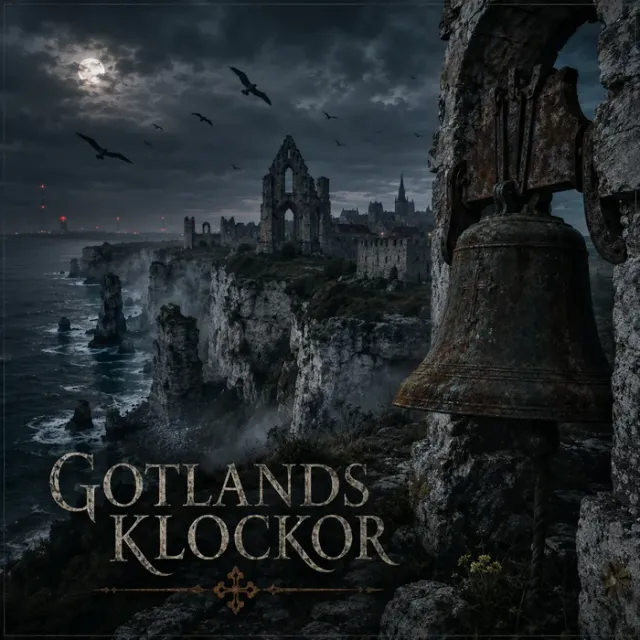
Gotlands klockor
Gotlands klockor turns Gotland’s haunted Baltic history into brooding gothic rock, darkwave and folk metal—a 14-song warning carried by bells over cold seas.

Enterprise: Voyage Through the Void
A cinematic progressive rock opera of starship conflict, sacrifice and hope driven by soaring guitars, vivid storytelling and a cosmic scale through the void.


