


La Ciudad Que Ya No Nos Pertenece blends flamenco metal and protest rock into a fierce story of rent, loss, resistance and urban survival across modern Spain.
Tracklist
Liner Notes
A short editorial read on the album world, sound, and standout moments.
About the Album
La Ciudad Que Ya No Nos Pertenece does not treat the housing crisis as background scenery. It puts the listener inside the doorway, on the pavement, beneath the balconies and fluorescent keypads of a neighbourhood that still looks familiar but no longer behaves like home. Across fourteen tracks, the album follows a young woman returning to the district where she grew up, only to find that its bakeries have become souvenir shops, its family flats have become short-term rentals, and its residents have been replaced by access codes, rolling suitcases and property notices.
The opening track, “La Llave No Entra,” establishes the album’s central image with brutal simplicity: an old house key that no longer fits. It is a small object carrying an entire social history. The key becomes witness, wound and eventually tool, reappearing throughout the record as the protagonist’s grief hardens into political awareness. This use of recurring images gives the album the cohesion of a novel without making the songs feel like chapters that cannot stand alone.
Musically, the record builds its identity from friction. Detuned electric guitars bring the weight of alternative metal, while flamenco rasgueado, palmas, cajón and Phrygian melodies keep the music rooted in the streets and cultural memory it is defending. The contrast never feels decorative. Nylon strings often carry memory; distorted riffs arrive when memory collides with the machinery of rent, speculation and eviction. Dry drums and close, weathered vocals make the songs feel physically present, as though they were recorded in workshops, courtyards, stairwells and public squares rather than sealed inside a polished studio.
The protagonist’s voice is central to that effect. She is not written as an untouchable revolutionary figure. She returns confused, guilty and angry. In “Las Ventanas Cerradas,” the political argument narrows into a daughter’s memory of her mother packing decades of life into a few bags. In “La Plaza Vacía,” resistance loses its romance: meetings shrink, messages go unanswered and the possibility of simply leaving becomes dangerously attractive. These quieter songs matter because they give the louder moments credibility. When the neighbours finally chant together, the chorus carries exhaustion as well as courage.
Several tracks turn everyday urban details into unusually sharp songwriting. “Pan de Plástico” uses a fake loaf in a former bakery window to expose the absurdity of selling an image of local culture after the people who sustained that culture have been priced out. “Código en el Balcón” gives the building itself a voice, remembering footsteps and family arguments while temporary access numbers replace recognition. “Mapa de Ausencias” transforms addresses, dates and eviction notices into rhythm. The album’s strongest writing works this way: it avoids broad slogans until it has shown exactly who lived behind the doors.
The mid-album climax, “Desalojo al Amanecer,” is the record’s heaviest and most unsettling sequence. The drama comes not from fantasy or exaggerated violence, but from procedure: coffee in paper cups, bodies seated before a doorway, an official warning, a broken line, furniture carried down the stairs. Tomás leaving with four bags is more devastating than any theatrical catastrophe. The song understands that displacement often arrives through ordinary uniforms, forms and schedules, which makes its impact harder to dismiss.
From there, the album widens its perspective. “Los Nombres en la Pared” turns private loss into public memory. “Oferta Irresistible” introduces a subtler antagonist: not a shouting villain, but a calm representative offering money, work and security in exchange for silence. That song is especially effective because the temptation is real. The protagonist needs what she is being offered. Her refusal therefore feels costly rather than symbolic.
The title track brings the album’s vocabulary together: the key, the map, the names, the empty storefronts, the neighbours and the language of “progress” used to excuse removal. Its march does not promise a convenient victory. Officials do not suddenly surrender, rents do not fall, and the lost homes are not magically restored. Instead, the crowd forces the city to hear a story it would rather package, soften or erase.
That refusal of an easy ending is one of the album’s greatest strengths. “Seguimos Aquí” closes at street level the next morning. The lockboxes remain. Another shop is closing. Another increase is announced. Yet a workshop has become a meeting place, a plant has grown a new leaf, and new names appear beneath fresh paint. Hope here is not a bright resolution; it is maintenance, memory and the decision to return again tomorrow.
Production Notes
All tracks were generated with AI music models, then processed for the final orchestral sound. No human performance recordings are used.
Full album download
Download the complete album
Get the full ZIP package with tagged audio files, cover artwork, and album metadata.
Support MelodyMind
Help keep the albums coming
If this album was useful or fun to listen to, a small contribution helps cover hosting, tools, and new music experiments.

La Sangre del Sol
La Sangre del Sol is a Spanish flamenco metal concept album of drought, rebellion, hidden water, and one voice rising against power.

La España de los Kilómetros Vacíos
La España de los Kilómetros Vacíos explores rural loss, memory and renewal through Spanish alternative folk rock, vivid characters, and intimate storytelling.
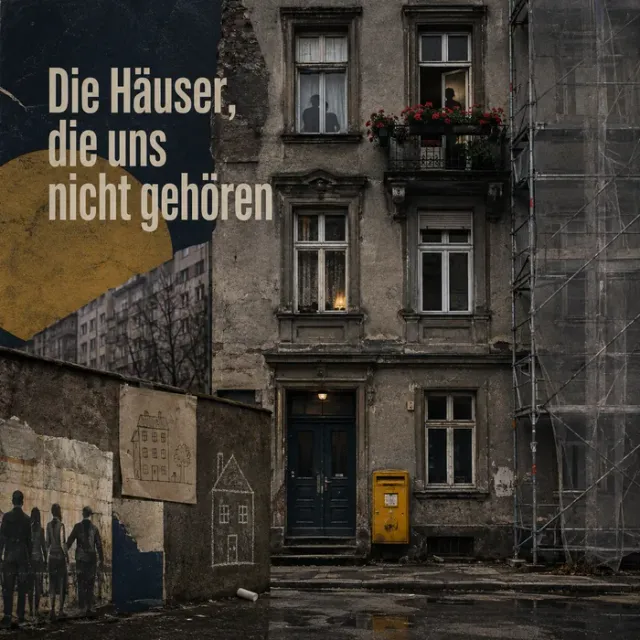
Die Häuser, die uns nicht gehören
A German post-punk concept album about rent, displacement, memory and resistance inside one apartment house fighting to remain a home as its city is sold off.
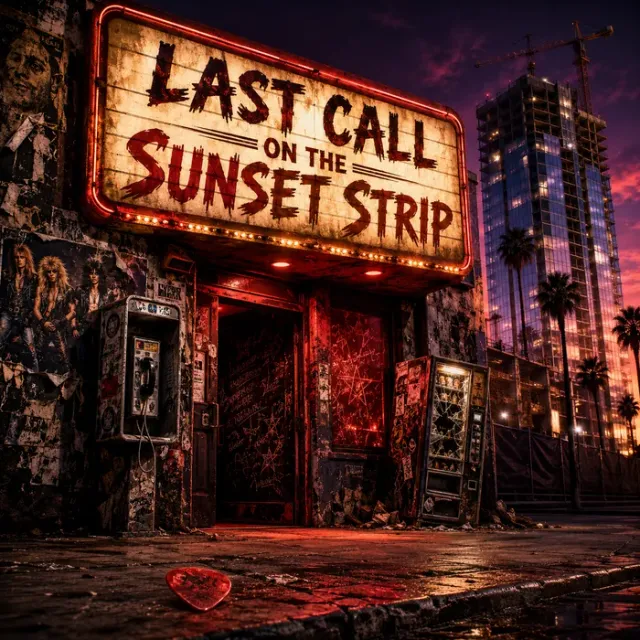
Last Call on the Sunset Strip
A dying Sunset Strip club gets one final night in this gritty glam-metal concept album about memory, rent, friendships, survival, and staying loud until dawn.


