


La Sangre del Sol is a Spanish flamenco metal concept album of drought, rebellion, hidden water, and one voice rising against power.
Tracklist
Liner Notes
A short editorial read on the album world, sound, and standout moments.
About the Album
La Sangre del Sol is a full concept album built like a sun-scorched legend: dramatic, political, tragic and fiercely melodic. Set in an old Andalusian village where the wells have gone dry and the sky burns red above cracked white walls, the album turns a local fight for water into something larger — a story about fear, control, dignity and the dangerous beauty of a voice that refuses to stay quiet.
At first, the album feels almost mythic. The sun hangs over the village like an angry god. The people believe they are being punished. Priests speak of an ancient “Pact of Light,” a sacred bond between the village and the sun, demanding obedience, sacrifice and silence. But beneath the heat, beneath the prayers, beneath the dust in the plaza, another truth begins to surface. The drought is not only a natural disaster. It is also a crime. Water has been hidden, sealed away and controlled by the powerful while the people are left to wither under a story designed to keep them obedient.
Musically, La Sangre del Sol lives at the crossroads of Spanish folk metal, flamenco metal, epic rock and symphonic metal. It has the heat of flamenco guitar, the pulse of palmas and castanets, the weight of heavy guitars, and the grandeur of cinematic strings and choirs. The album moves between intimate, dust-covered verses and huge, defiant choruses that feel made for a crowd gathered in a village square. Its loudest passages remain theatrical, emotional, and rooted in place. You can almost smell the dry stone, the orange blossoms, the old church walls and the metal of the chained well.
The central figure is a young singer in a dark red dress, a black shawl and a small silver sun pendant. She is not written as a simple savior, but as someone who listens more deeply than the others dare. She hears something beneath the dry well. She reads the cracks in the village’s official story. She follows old signs, hidden murals and forgotten documents until the “divine curse” reveals itself as human corruption. Her songs begin as lament, then become accusation, then oath, then uprising. One voice becomes many. A chorus becomes a movement.
The album gains force from the way it treats rebellion not as a slogan, but as a process. The village does not wake up all at once. It hesitates. It doubts. It is afraid of the church, the guards, the old families and the consequences of speaking too loudly. Songs like “La Plaza Sin Agua,” “El Pacto de la Luz” and “La Voz del Pozo” build that tension through concrete images: rusty chains, sealed wells, broken murals, dry flowers, guarded courtyards and bells that no longer call people to prayer, but to action. The story feels physical. The politics are carried by objects, places and voices, not by speeches.
The middle of the album grows darker and more dangerous. “Los Sellos del Río” and “Bajo la Casa Real” pull the listener into the machinery of power: old family crests, hidden channels, legal documents, armed guards and water flowing beneath noble walls while the village starves. By the time “Romped las Cadenas” arrives, the record erupts into its first major climax. It is the kind of track that should feel like a whole square singing back at the singer — heavy, rhythmic, furious and cathartic.
But La Sangre del Sol is not interested in easy victory. After the chains break, the powerful answer with banners, threats and violence. The later songs bring loss, fear and sacrifice into the frame. “El Chal Negro” slows the album down for one of its most personal moments, giving space to the singer’s doubt and the cost of becoming a symbol. “Donde Sangra la Fuente” turns the fountain into a place of memory and blood, while “Campanas al Alba” prepares the final confrontation with the feeling of an entire village holding its breath before sunrise.
The title track, “La Sangre del Sol,” is the album’s grand release: the river returns, the lie breaks, the people reclaim what was stolen. Yet the singer disappears in the chaos, leaving behind uncertainty instead of a neat heroic ending. Did she die? Was she taken by the flood? Did she become part of the village’s legend? The final track, “Cuando Llueva Sobre el Polvo,” lets that question remain open. Rain finally falls, orange blossoms return, and her voice survives not as a monument, but as a warning: if the water is ever stolen again, sing louder.
Production Notes
All tracks were generated with AI music models, then processed for the final sound. No human performance recordings are used.
Full album download
Download the complete album
Get the full ZIP package with tagged audio files, cover artwork, and album metadata.
Support MelodyMind
Help keep the albums coming
If this album was useful or fun to listen to, a small contribution helps cover hosting, tools, and new music experiments.
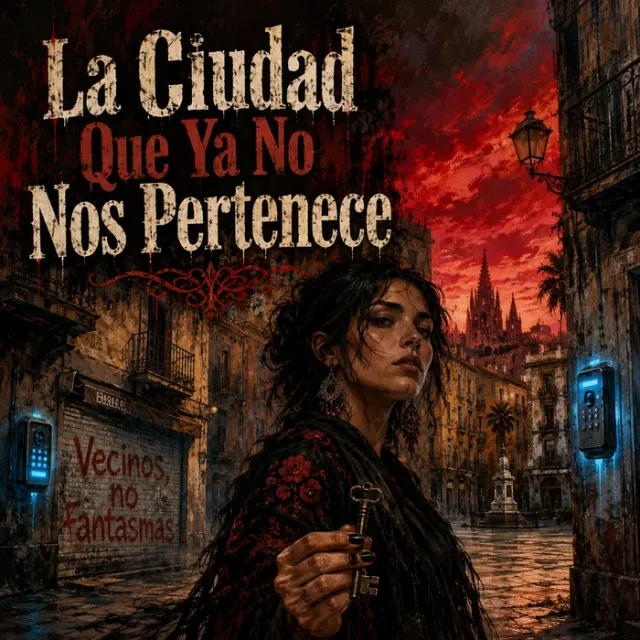
La Ciudad Que Ya No Nos Pertenece
La Ciudad Que Ya No Nos Pertenece blends flamenco metal and protest rock into a fierce story of rent, loss, resistance and urban survival across modern Spain.
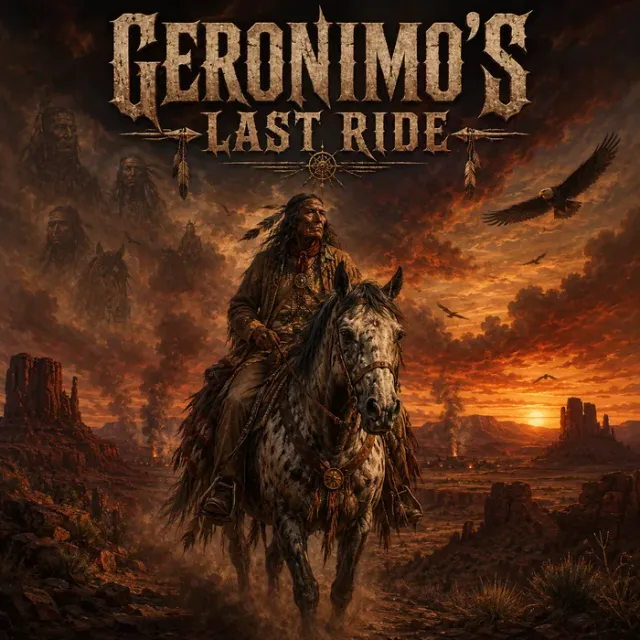
Geronimo’s Last Ride
Geronimo’s Last Ride is an epic Western folk metal concept album about Apache resistance, exile, memory, and the final ride of an old warrior.
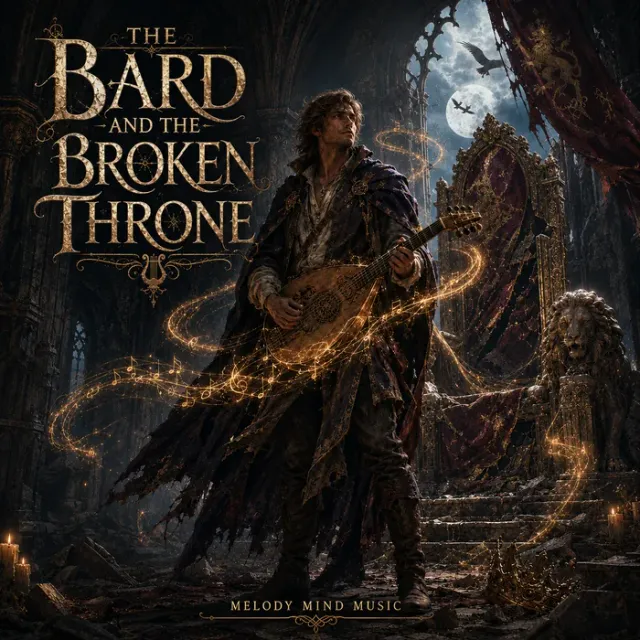
The Bard and the Broken Throne
A bardic fantasy power metal album where songs awaken rebellion, lost bloodlines, broken crowns, and the fight to reclaim Arvandor’s throne.

The Intern Who Deleted Production
The Intern Who Deleted Production is a savage comedy-thrash concept album about one fatal command and the broken company that made it inevitable from day one.


