


A dark cabaret concept album of velvet, secrets and lost souls, where Parisian glamour turns into gothic theatre, betrayal and haunting chansons.
Tracklist
Liner Notes
A short editorial read on the album world, sound, and standout moments.
About the Album
Le Cabaret des Ombres opens like a door you probably should not enter: narrow, gilded, half-hidden in a Paris side street that seems to exist only after midnight. Behind it waits a world of red velvet, candle smoke, blind mirrors and applause that sounds less like admiration than hunger. This is not simply an album about a cabaret. It is an album about performance as temptation, fame as addiction and art as the one confession people will still applaud, even when it costs the singer everything.
Built as a full concept album, Le Cabaret des Ombres follows a young singer who arrives in Paris searching for recognition and finds himself drawn into a legendary nocturnal theatre run by the charming and quietly infernal Monsieur Velours. At first, the cabaret offers everything an artist dreams of: a stage, a spotlight, an audience ready to be moved. But every song reveals another room behind the glamour. The diva who no longer appears in mirrors, the pianist playing to bury a murder, the dancer who can only move when the crowd claps, Madame Minuit guarding the house’s secrets — each figure turns the album into a sequence of haunted portraits, all bound together by the same cruel question: what part of yourself are you willing to lose in order to be seen?
Musically, the album lives in a beautifully shadowed space between dark cabaret, gothic chanson, theatrical rock and cinematic noir. Piano and accordion carry much of the atmosphere, giving the songs an old-world pulse: part smoky Parisian stage, part funeral waltz, part late-night confession. Strings creep in like velvet curtains being drawn shut, while low guitars and dramatic percussion give the heavier chapters a theatrical rock edge. The result feels elegant but dangerous, romantic but never soft, ornate without becoming overdecorated. It has the scent of wax, dust, perfume and spilled black wine.
The lyrics, sung entirely in French, lean into poetic theatricality without becoming stiff or ornamental for its own sake. They are full of tactile details: gloves, contracts, cracked glass, wilted roses, smoke in the dressing room, a black grand piano that seems to remember blood. The language gives the album its identity. French is not used as decoration here; it is part of the architecture. The vowels stretch beautifully over waltz rhythms, the darker consonants give weight to the dramatic lines, and the recurring images feel like props returning under different lights as the story grows more desperate.
Beneath the gothic fantasy and candlelit surface, Le Cabaret des Ombres exposes a sharper modern nerve: the exploitation of artists, the pressure to turn pain into spectacle, the hunger for visibility, the strange bargain between audience and performer. The cabaret becomes a metaphor for every system that rewards confession while consuming the person who confesses. Its artists are loved, but not necessarily saved. They are remembered, but not necessarily free. That tension gives the album its emotional bite.
The second half of the record grows darker and more urgent. “Le Vin Noir” marks the singer’s deeper surrender to the house, while “Les Miroirs Aveugles” turns inward, confronting identity as something that can be stolen, reflected, distorted and sold back as glamour. “Le Contrat De Cendre” raises the stakes from personal ambition to emotional inheritance: the singer realizes that the deal he signed reaches beyond his own voice into the names of those he loves. From there, the album gathers itself for a finale that feels both theatrical and cathartic.
“Le Dernier Refrain De Velours” is the kind of climax a concept album earns only when the previous chapters have done their work. It brings back the key symbols — the contract, the mirror shard, the forbidden note, the trapped performers, the red curtain — and turns them into a final act of resistance. The song does not simply defeat a villain; it breaks the logic of the cabaret itself. The applause that once imprisoned becomes unstable. The stage that once consumed becomes a place of rupture. It is grand, dramatic and exactly as excessive as a gothic cabaret finale should be.
The closing track, “Les Roses Au Matin,” wisely refuses a clean fairytale ending. Dawn arrives, but it does not erase everything. The survivors step into Paris changed, carrying ash under their fingernails and fragments of the night in their voices. The cabaret may be gone, or it may only be waiting for the next artist who mistakes a golden door for salvation. That ambiguity gives the album its final shiver.
Production Notes
All tracks were generated with AI music models, then processed for the final sound. No human performance recordings are used.
Full album download
Download the complete album
Get the full ZIP package with tagged audio files, cover artwork, and album metadata.
Support MelodyMind
Help keep the albums coming
If this album was useful or fun to listen to, a small contribution helps cover hosting, tools, and new music experiments.
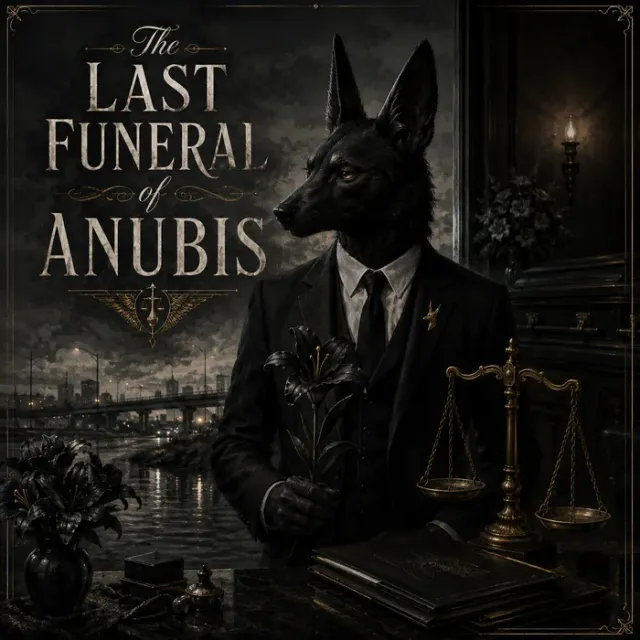
The Last Funeral of Anubis
Dark cabaret, gothic folk, and chamber blues place Anubis in a modern funeral home shaped by bureaucracy and human grief.
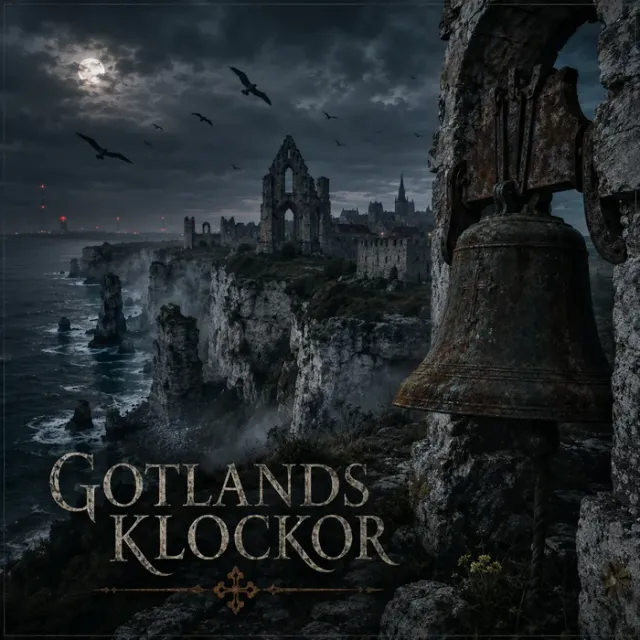
Gotlands klockor
Gotlands klockor turns Gotland’s haunted Baltic history into brooding gothic rock, darkwave and folk metal—a 14-song warning carried by bells over cold seas.
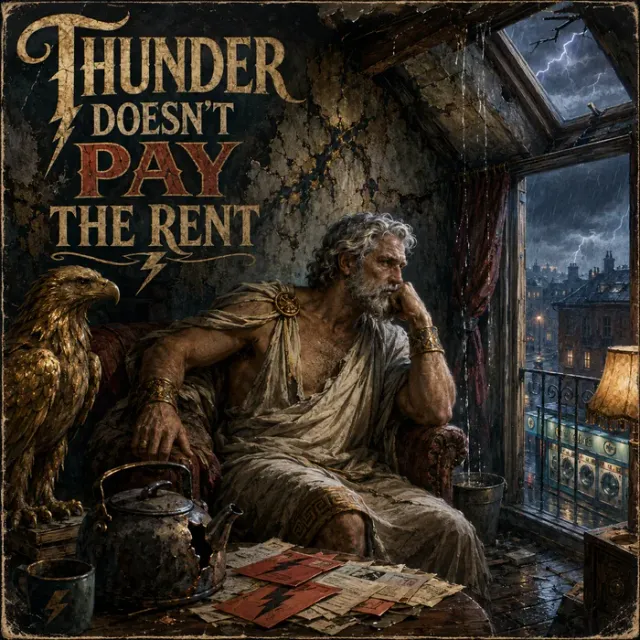
Thunder Doesn’t Pay the Rent
Thunder Doesn’t Pay the Rent turns Zeus’s midlife crisis into biting blues rock, where unpaid bills, bruised pride, black humor and hard-won humility collide.

Neon Hearts
A nocturnal K-pop story follows two people through Seoul, moving from Hongdae's crowded streets to a dawn confession across synth-pop, R&B, and dream-pop textures.


