

Melodic Hard Rock
Letters I Never Sent
Letters I Never Sent is a melodic hard rock concept album about love, regret, unsent letters and the courage to finally speak after years of silence and loss.
Liner Notes
A short editorial read on the album world, sound, and standout moments.
About the Album
Some albums tell a love story by chasing the moment when two people finally come together. Letters I Never Sent is interested in something more difficult: the words that arrived too late, the apologies left folded in drawers, and the truths that seemed easier to preserve on paper than to say aloud.
Built as a melodic hard rock and power ballad concept album, Letters I Never Sent follows a narrator who discovers an old shoebox while moving house. Inside are letters written across different stages of a relationship: first attraction, shared rooms, jealousy, long-distance strain, separation, regret and the recognition that silence was never neutral. Every envelope contains a version of the person he once was. Together, they form a private history of a love abandoned through hesitation, fear and pride.
The album opens with “The Box Beneath the Bed,” a guitar-driven invitation into this buried world. Dust, faded stamps, old perfume and an unused train ticket immediately give the story physical weight. These are objects that survived the relationship and now force the narrator to confront it. “Blue Ink, Summer Skin” restores the warmth of first love, while “Perfume on the Paper” captures the quieter intimacy of a morning when a shared future still felt possible.
Those early memories are gradually reinterpreted. “The Letter Folded Twice” turns jealousy into a study of how fear disguises itself as certainty. “Postmarks Between Us” and “The Ticket I Never Used” move the story into railway stations, rented rooms and missed chances, where distance matters less than the refusal to act. The ticket becomes more than a souvenir: it is proof that the narrator once possessed a direct route back and chose not to take it.
Musically, the record draws on the emotional language of classic hard rock ballads without becoming a museum piece. Twin guitars, twelve-string acoustics, expressive piano, melodic bass and tom-heavy live drums create a recognizable backbone. The vocals remain rough enough to carry regret, but melodic enough to make the choruses land with force. The arrangements move between acoustic passages, slow-burning power ballads and larger hard rock songs, allowing each chapter to breathe while preserving a consistent sound.
The midpoint, “I Let Silence Choose,” is the album’s decisive reckoning. Rather than blaming fate, distance or the former partner, the narrator admits that inaction made the final decision. It prevents the record from becoming a collection of sentimental excuses. The emotional weight comes from responsibility. He is not presented as a victim, but as someone who slowly understands the harm caused by withholding love, apology and truth.
That honesty deepens through “No Forwarding Address” and reaches its darkest point in “The Apology Without a Date.” The latter does not use apology as a bargaining tool. There is no demand for forgiveness and no promise that confession will repair the past. The song simply names what happened and where the blame belongs. In a genre often drawn to oversized declarations, that restraint gives the track unusual power.
“Every Year, Your Name” shifts perspective by allowing the stored letters themselves to observe the passing years. New apartments, changing stamps and later relationships come and go, yet the same name continues to appear at the top of each page. The device exposes the letters for what they have become: not proof of emotional courage, but a shelter from action.
The final act transforms reflection into movement. “Read This One Aloud” recognizes that an honest letter kept in an empty room is still another form of silence. “No More Unsent” answers the earlier unused ticket with a new journey, driven by urgent guitars and the act of boarding the train. The narrator does not travel with a fantasy of guaranteed reunion. He goes because the truth must finally leave the page.
The closing song, “I Kept Every Word,” refuses the easy reward of complete romantic resolution. At the door, the narrator offers no grand speech, no demand and no certainty. The album ends with the sound of the door opening and the cautious final line, “I kept every word.” Whether those words begin something new, provide closure or arrive too late remains unanswered. That uncertainty is the album’s final emotional truth: speaking honestly does not control the response.
Letters I Never Sent is recommended for listeners who value concept albums with a clear narrative arc, recurring objects and songs that also stand on their own. Its strongest moments combine the melodic immediacy of arena-ready hard rock with the emotional precision of a short story. It is especially effective for anyone who has ever saved a draft, bought a ticket or stood outside a door without knowing whether to knock.
The album may also connect with listeners drawn to records that treat music as confrontation rather than decoration. Recommended if you like: Political punk, post-punk, protest rock, anti-authoritarian lyrics, dystopian concept albums, AI-assisted music projects. Letters I Never Sent does not share the same genre as political punk, but it shares an insistence that silence has consequences, private choices carry moral weight, and honest words matter only when they reach another person.
This is a record for late-night listening, long drives and the hour when old memories become difficult to dismiss. Its guitars are large and its melodies immediate, but its real strength lies in the details: blurred ink, a loose ribbon, a scraped-off mailbox name, a ticket with no return date and a box that becomes lighter only when it is finally carried to the door.
Letters I Never Sent makes regret tangible, then asks the harder question: what will you do with the words you still have time to say?
Production Notes
All tracks were generated with AI music models, then processed for the final orchestral sound. No human performance recordings are used.
Full album download
Download the complete album
Get the full ZIP package with tagged audio files, cover artwork, and album metadata.
Support MelodyMind
Help keep the albums coming
If this album was useful or fun to listen to, a small contribution helps cover hosting, tools, and new music experiments.
Join the conversation
Reactions from the web
Mentions, likes, reposts, and replies from IndieWeb and Fediverse-friendly sites can appear here after you allow community features.
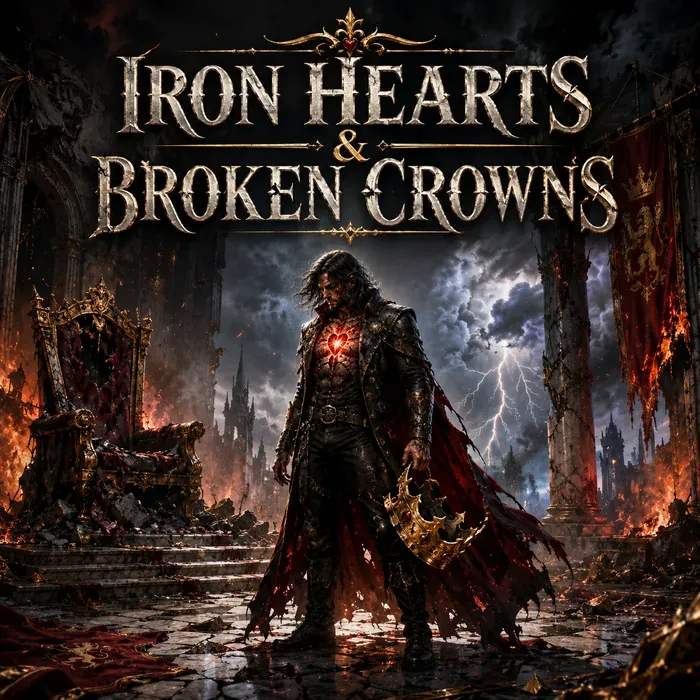
Iron Hearts & Broken Crowns
Iron Hearts & Broken Crowns is a heroic melodic hard rock concept album about pride, downfall, lost love, betrayal, and rising again stronger.
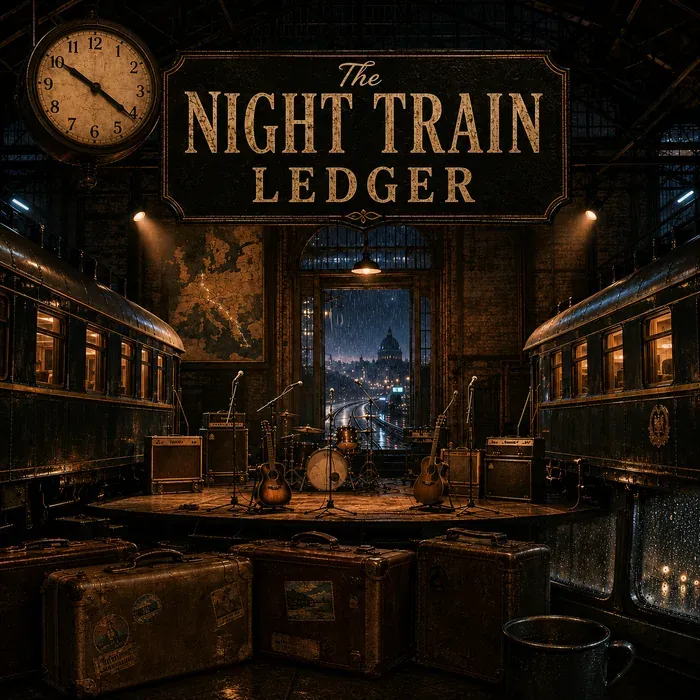
The Night Train Ledger
The Night Train Ledger is a vivid Heartland Rock live album about Europe's night trains, fragile routes, human stories, rain-soaked stations and hope at dawn.
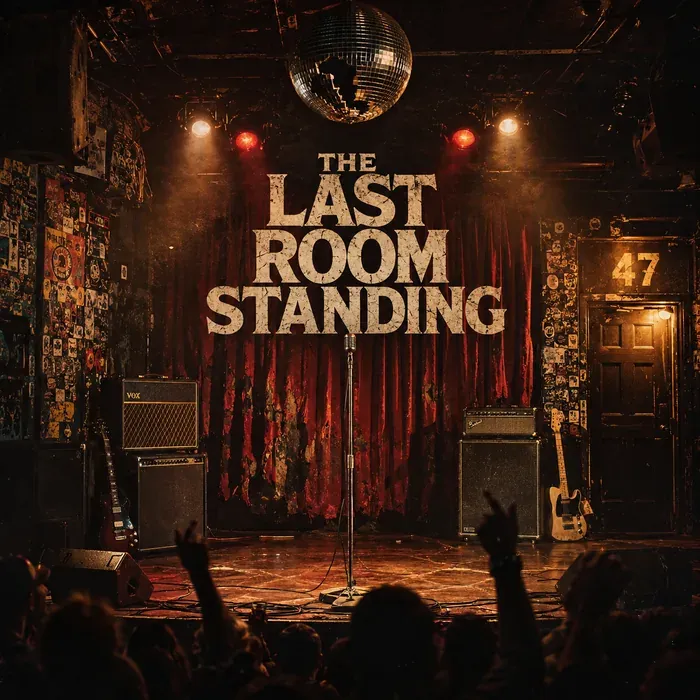
The Last Room Standing
A raw live alternative rock album about vanishing music clubs, broken stages, rising rents, and people fighting to keep one vital room alive together tonight.
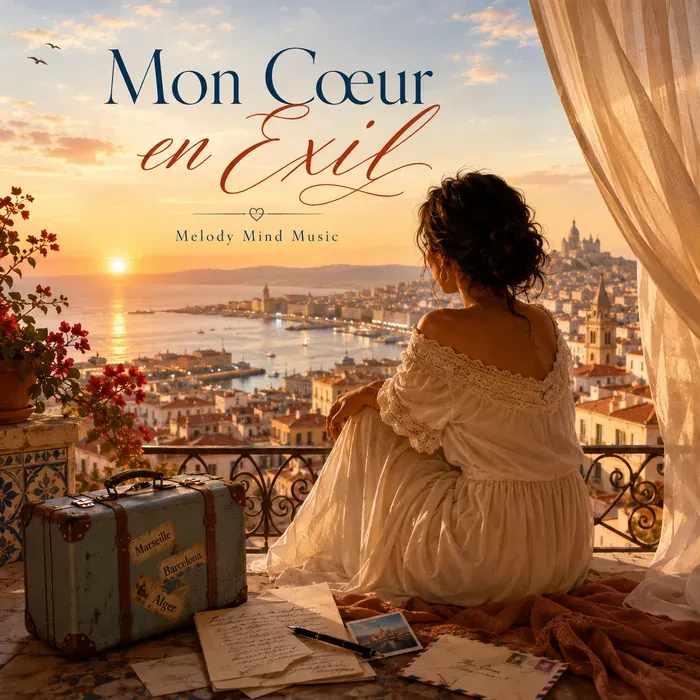
Mon Cœur en Exil
Mon Cœur en Exil is a warm French-Mediterranean pop album of exile, longing and love across borders, where Marseille, Paris and the sea become memory in song
Community
Comments...
Read or leave a comment about this album. Comments are provided by Cusdis and load only after you allow the comments feature.
Enable comments to load the discussion from Cusdis.