


French chanson-pop follows a solitary night along the Seine through rain, café memories, and lost romance, with Paris shaping each stop in the story.
Tracklist
Liner Notes
A short editorial read on the album world, sound, and standout moments.
About the Album
Minuit sur la Seine begins where breakup records would already have reached their conclusion: after the conversation, after the door has closed, and after every useful sentence has arrived too late. Its protagonist steps into midnight Paris with an unsent letter inside a coat, walking not toward reconciliation but through the space between memory and acceptance. Across fourteen songs, the city becomes more than a backdrop. Bridges remember, windows observe, an abandoned cup preserves the shape of silence, and the Seine waits without offering absolution.
Musically, the album is rooted in French chanson-pop, but its elegance never becomes decorative. Dry, close-recorded piano gives the songs their emotional architecture, while accordion appears as a recurring voice rather than a postcard cliché. Upright bass, brushed drums, nylon-string guitar, muted trumpet and chamber strings create rooms around the singer: a closing café, a wet stairwell in Montmartre, a deserted station, an apartment where a clock has stopped at seven minutes past midnight. A pause before a confession, a bass note held beneath a difficult line, or three descending notes on the accordion can carry as much weight as an entire chorus.
The opening title track establishes the album’s central tension with economy. “Minuit sur la Seine” places warm streetlight against cold water and lets the narrator mistake motion for progress. He is walking, but emotionally he is circling the same absence. “Sous les réverbères” gives that movement a pulse, turning the lamps along Rue Dauphine into markers on a route he has not consciously chosen. By “Le Pont Neuf se souvient,” the perspective shifts: the bridge itself recalls both the beginning of the relationship and the silence that helped end it.
Several of the strongest songs are built around ordinary objects. In “La tasse refroidie,” a half-finished coffee and an unused chair reveal more than a broad declaration of heartbreak could. “La lettre dans le manteau” allows the letter to speak, quietly challenging the owner who wants written honesty to compensate for his earlier cowardice. Later, “L’horloge arrêtée” turns a dead battery into a brutal image of self-imposed paralysis. These songs show the routines, evasions, and private rituals of grief instead of announcing it. The writing trusts listeners to understand what a stained tabletop or a missing name on a mailbox can mean.
The album’s turning point arrives with “Ce que la Seine garde.” At the water’s edge, the protagonist prepares to throw the letter away, hoping destruction might resemble release. The arrangement tightens around low piano, bowed bass and increasingly forceful percussion, yet the climax avoids easy spectacle. He does not cast the pages into the river. Instead, he recognizes that making the evidence disappear would be another refusal to face himself. It is a modest action, almost invisible from the outside, but within the album’s moral world it is decisive.
What follows is not instant healing. “Après le geste” is deliberately quiet, capturing the emptiness that can follow a correct decision when relief fails to arrive on cue. “Les fenêtres s’éteignent” then brings the city back as a collective witness while the narrator considers calling his former partner. The song’s restraint matters: respecting her absence becomes more important than satisfying his need to be heard. By the time he finds “La rose sous la pluie,” the record has begun to change colour. The damaged flower remains beautiful without being restored, offering a simple but persuasive definition of memory: something can retain value without demanding repetition.
That understanding gives “Je te laisse partir” its emotional force. Returning to the café, the narrator leaves the letter beneath the overturned cup on the second chair. It carries no address and is not intended to reach the person who inspired it. The gesture is not theatrical sacrifice; it is the acceptance of a boundary. Piano, accordion, strings and muted trumpet gradually gather around the vocal, recalling the album’s earlier sounds while allowing them to resolve differently. The final track, “Le premier bleu,” does not promise permanent peace. Morning buses appear, shutters rise, bread warms the street, and Paris resumes thousands of lives that have nothing to do with this private loss.
The unsent message and the changed city lead toward a quiet, undramatic form of release. Minuit sur la Seine does not chase a grand reunion. It offers something rarer: a believable night of reckoning, followed by the first quiet evidence that life can continue.
Production Notes
All tracks were generated with AI music models, then processed for the final sound. No human performance recordings are used.
Full album download
Download the complete album
Get the full ZIP package with tagged audio files, cover artwork, and album metadata.
Support MelodyMind
Help keep the albums coming
If this album was useful or fun to listen to, a small contribution helps cover hosting, tools, and new music experiments.

Sol de Medianoche
Afro-Cuban jazz and Latin lounge music follow a nocturnal romance through Havana streets, clubs, and the hours before sunrise.
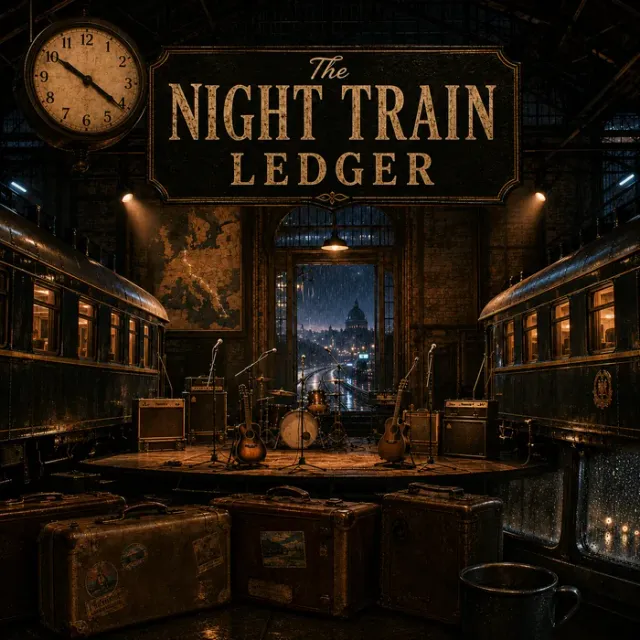
The Night Train Ledger
Heartland rock turns an overnight train from Berlin to Trieste into a shared story of work, regret, failing infrastructure, and connection between strangers.

Neon Hearts
A nocturnal K-pop story follows two people through Seoul, moving from Hongdae's crowded streets to a dawn confession across synth-pop, R&B, and dream-pop textures.
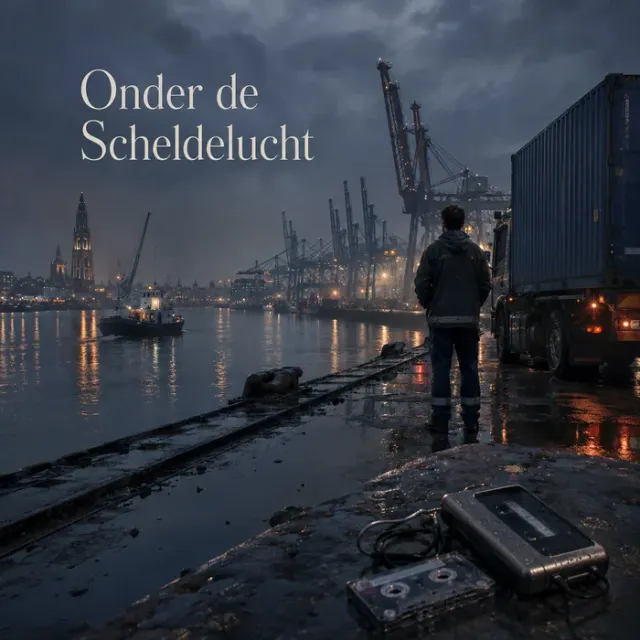
Onder de Scheldelucht
Rain-soaked Flemish indie rock album about Antwerp, the Schelde, harbor ghosts, family memory, trade, exile, steel-lit nights, and lost love by the old docks.


