


Neon Shogun is a dark Industrial J-Metal concept album of chrome blades, rain-soaked Neo-Tokyo, rebellion, surveillance and lost honor.
Tracklist
Liner Notes
A short editorial read on the album world, sound, and standout moments.
About the Album
Neon Shogun is a full concept album built like a rain-soaked cyberpunk epic: heavy, theatrical, metallic, and emotionally charged. Set in a dystopian Neo-Tokyo ruled by surveillance, corporate temples and a half-human, half-machine warlord, the album fuses Industrial J-Metal, cyber metal, modern alternative metal and cinematic science-fiction atmosphere into one continuous story. Every song pushes the city closer to collapse, giving the futuristic imagery the structure of a dark urban myth.
The world of Neon Shogun is immediately physical. You can almost feel the wet asphalt under the red warning lights, hear the machine drums echoing through underground stations, and see chrome katanas reflecting broken holograms. The album’s sound is built around low-tuned guitars, cold synth textures, glitching electronics, taiko-like impacts, distorted bass pressure and dramatic Japanese vocals. It has the weight of industrial metal, the urgency of modern J-Metal, and the atmosphere of a cinematic dystopian score. The result is sharp, aggressive and immersive, but also surprisingly human beneath all the steel.
At the center of the story stands the Neon Shogun, a ruler dressed in black cyber-samurai armor, glowing with red circuitry and authority. To the citizens of Neo-Tokyo, he is protector, myth, jailer and weapon at the same time. He claims to preserve order, but his order has turned memory into data, loyalty into contract, and honor into propaganda. Against him rises the Electric Ronin, a clanless wanderer carrying a forbidden chrome katana and fragments of an older code: not obedience to power, but protection of the vulnerable.
That tension gives the album its emotional engine. Neon Shogun is about rebellion, yes, but not in a simple heroic way. Its best moments come from the moral pressure inside the fight: What does honor mean when every side is compromised? What is loyalty worth when corporations can buy it? Can resistance stay human when it begins to use the same systems it wants to destroy? Songs like “Black Contract” and “Static Prayer” slow the album’s violence down and let the consequences breathe. Betrayal is not treated as a twist for drama, but as a wound created by poverty, fear and survival.
The album’s imagery is especially strong because it keeps returning to a few memorable symbols and lets them evolve. The chrome katana carries memory as well as violence. The artificial circuit-sakura preserve the voices of erased people. The satellite moon is not simply a surveillance device; it becomes the eye of an entire regime. Rain falls through almost every chapter, sometimes as punishment, sometimes as cover, sometimes as cleansing. These repeated images give the album cohesion and make the story feel like a complete world rather than a loose concept.
Musically, the album has a strong sense of movement. The opener “Neon Shogun” establishes the scale with a towering, hostile atmosphere, while “Steel Dawn” and “Chrome Katana” sharpen the conflict into action. “Electric Ronin” gives the album its wandering heart, following the lone protagonist through tunnels, rooftops and broken clan memories. “Circuit Sakura” is one of the emotional anchors, introducing beauty into the machine world without softening the danger. From there, the record intensifies through the glass-and-steel ritual of “Corporate Temple” and the high-speed chase of “Oni Drones.”
The midpoint, “Satellite Moon,” is the album’s first major explosion: a battle against the surveillance sky itself. After that, the record grows darker and more personal. “Black Contract” turns the rebellion inward, “Static Prayer” questions the cost of violence, and “Shadow Protocol” rebuilds the movement as something more fragile and more believable than a simple army. By the time “Last Code” arrives, the final decision no longer feels like a genre cliché. It feels earned. The finale, “Static Light Collapse,” brings the Neon Shogun and the Ronin into direct confrontation, but the album wisely saves its final emotional weight for “Steel After Rain,” an epilogue about what remains after the system breaks.
That final track is important because Neon Shogun does not pretend that revolution magically repairs a city. The ending is wounded, uncertain and quiet compared with the violence that came before. The tower falls, but the people still have to remember how to speak to each other. The surveillance system is damaged, but not all fear disappears. The Ronin’s sacrifice becomes a signal in the network, not a clean victory statue. This gives the album a stronger aftertaste than a simple triumph would have.
Production Notes
All tracks were generated with AI music models, then processed for the final sound. No human performance recordings are used.
Full album download
Download the complete album
Get the full ZIP package with tagged audio files, cover artwork, and album metadata.
Support MelodyMind
Help keep the albums coming
If this album was useful or fun to listen to, a small contribution helps cover hosting, tools, and new music experiments.
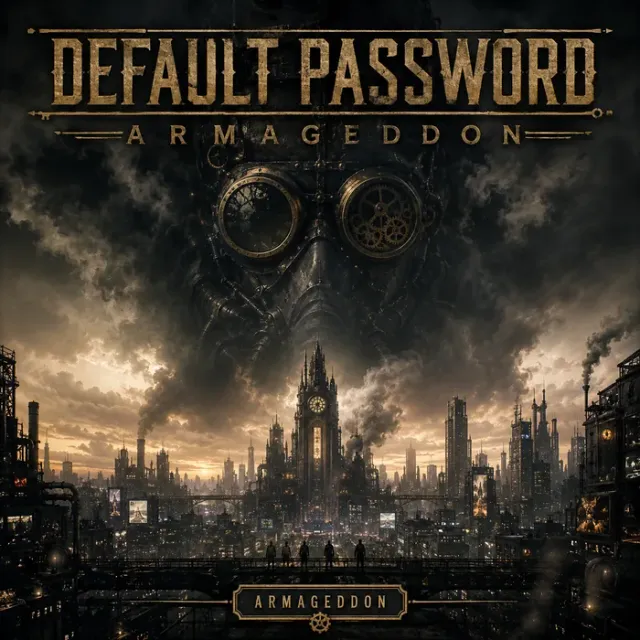
Default Password Armageddon
Default Password Armageddon turns cyberwar, failing infrastructure and political denial into a fierce, story-driven technical thrash metal album for this age.
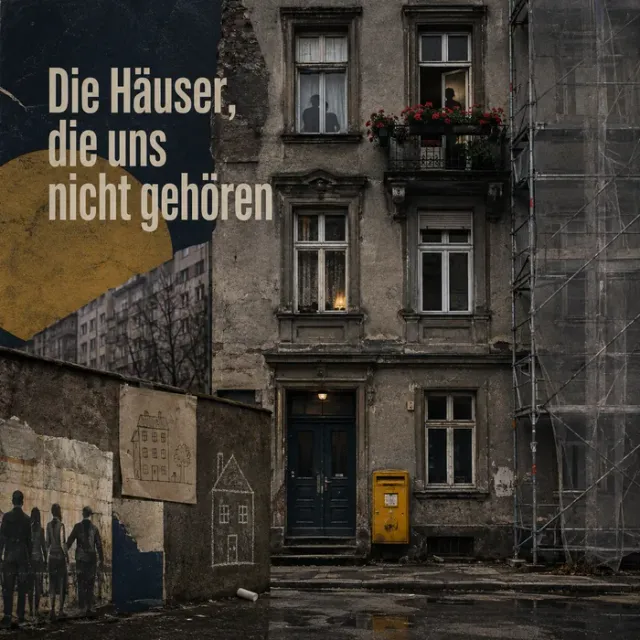
Die Häuser, die uns nicht gehören
A German post-punk concept album about rent, displacement, memory and resistance inside one apartment house fighting to remain a home as its city is sold off.

Queen of the Sunset Strip
Queen of the Sunset Strip is a dirty glam metal concept album about Roxanne Vale’s rise through neon clubs, bad love, fame, and survival.

Blacktop Saints
A Southern hard rock road album about escape, guilt, friendship, neon motels, and the uneasy freedom beyond the city limits.


