


No Flags for the Broken is a fierce political punk concept album about war, poverty, propaganda and solidarity in a city abandoned by those in power above it.
Tracklist
Liner Notes
A short editorial read on the album world, sound, and standout moments.
About the Album
No Flags for the Broken is a political punk album built from wet concrete, unpaid bills, factory dust and the sound of people refusing to be divided any longer. Across fourteen connected tracks, the record follows a neglected working-class district in a nameless industrial city as rising prices, unemployment, war propaganda and political violence push its residents toward breaking point. What begins as a collection of private struggles gradually becomes something larger: a story about recognizing shared conditions, rejecting manufactured enemies and learning how solidarity works when institutions have already walked away.
That recognition gives the album its emotional engine. Songs such as “Bills on the Table” and “The Factory Has No Name” establish a city where hardship is treated as personal failure while profit disappears behind renamed corporations and guarded offices. “Your War, Our Graves” turns Eli’s military past into one of the record’s sharpest accusations, drawing a brutal line between the people who authorize conflict and the people expected to die in it. The chorus is built to be shouted rather than admired from a distance: direct, bitter and impossible to misunderstand.
The first half of the album is especially effective at showing how division is manufactured. “Enemies Instead of Bread” follows Nadia through a city saturated with campaign posters, checkpoints and suspicion. Its central idea is simple and devastating: those in power offer the population convenient enemies instead of material answers. “The Rich Sleep Well” slows the pace and watches a blackout consume the high-rise district while the government quarter remains illuminated across the river. The contrast is not expressed through abstract theory, but through stalled lifts, failing medical equipment, candles in hallways and an older woman lowering supplies from her window in a shopping bag.
That older woman becomes one of the album’s quiet moral centers. She has no official role and never asks for one. She distributes water, bandages and food because the people below need them. Her actions anticipate the record’s central argument: meaningful resistance begins with practical care. This idea reaches a turning point in “No Border Stopped the Pain,” where refugees, homeless residents and former soldiers share shelter beneath an overpass. The song avoids easy reconciliation. Nobody’s history is erased, and no single conversation repairs the damage caused by war. What changes is the decision to remain present, share resources and stop treating suffering as proof that someone belongs on the other side of a line.
By “We Were Never Weak,” the album has moved from diagnosis to organization. The neighborhood gathers in the corner bar, turning tables into improvised planning stations for food, medicine, housing support and legal assistance. Crucially, the record refuses to replace one hierarchy with another. Tom wants the megaphone, but the others remind him that courage does not grant ownership of a movement. The song’s refrain—“We were never weak, only divided”—captures the album’s most important realization without reducing it to a slogan. Their weakness was never natural. It was maintained.
The mid-album climax, “The Street Became a Battlefield,” is the record’s most chaotic track. Fast drums, serrated guitars and shouted responses recreate the panic of a demonstration collapsing under police pressure, smoke and confusion. Yet the song is careful about where it places heroism. The decisive acts are not attacks on buildings or dramatic gestures of revenge. They are people pulling strangers out of danger, protecting homes and refusing to abandon those who cannot run. From the wreckage emerges the album’s central symbol: a torn piece of blank white fabric, stripped of national colors, party markings and official meaning.
The blank cloth could easily become another flag, and the album understands that danger. “White Cloth in the Smoke” stages a tense discussion about symbols, leadership and ownership. Rather than raising the fabric above the movement, the characters tear it into smaller strips and distribute them among clinics, shelters and apartment blocks. Its value comes from recognition, not authority. It means that help is available and that nobody entering those spaces will be asked to prove loyalty before receiving it.
The final third becomes darker before it becomes hopeful. “Names Under the Sirens” documents arrests, injuries and missing people with the patience of witness testimony. “No Gods, No Crowns, No Borrowed Hate” confronts political opportunists and violent factions attempting to claim the movement. The song rejects both cynical party ownership and indiscriminate revenge. Its most memorable line, “Our hands are empty, still our own,” leads naturally into “Our Hands Are Still Our Own,” where those same hands cook, repair, carry supplies, organize shifts and prepare to reclaim the damaged central square.
Production Notes
All tracks were generated with AI music models, then processed for the final sound. No human performance recordings are used.
Full album download
Download the complete album
Get the full ZIP package with tagged audio files, cover artwork, and album metadata.
Support MelodyMind
Help keep the albums coming
If this album was useful or fun to listen to, a small contribution helps cover hosting, tools, and new music experiments.
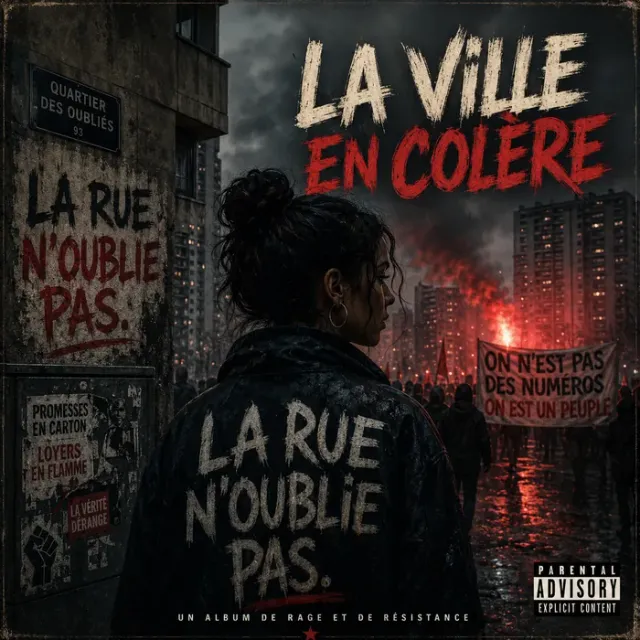
La Ville en Colère
French protest punk concept album with post-punk grit, urban rage, class tension and dark hope in a city that refuses to stay silent.
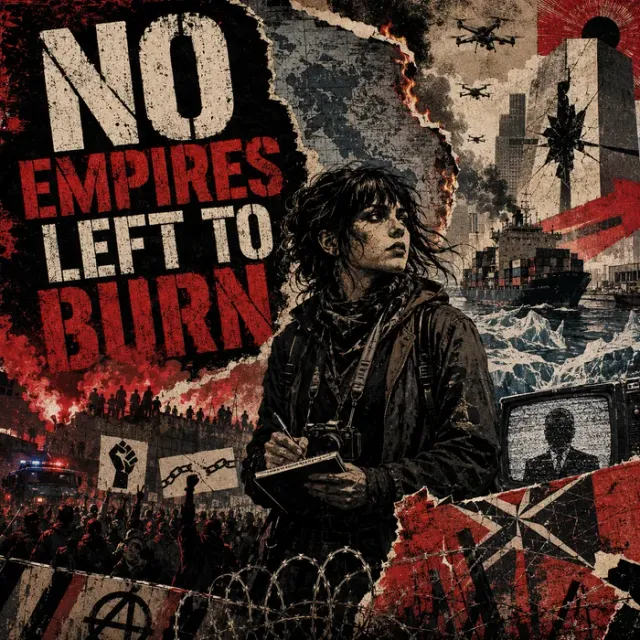
No Empires Left to Burn
Political punk examines maps, borders, imperial nostalgia, and resistance through a sequence of direct, anti-authoritarian songs.
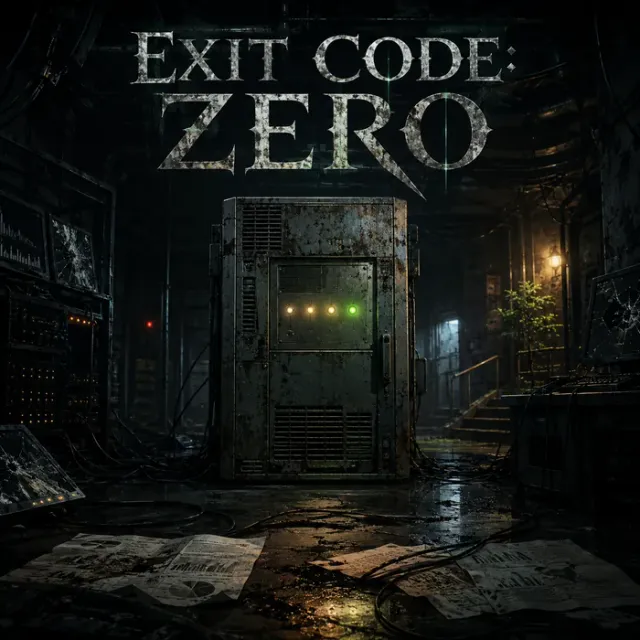
Exit Code: Zero
Exit Code: Zero turns corporate collapse into melodic heavy metal—an urgent, darkly witty finale about blame, truth, recovery, and starting over with purpose.
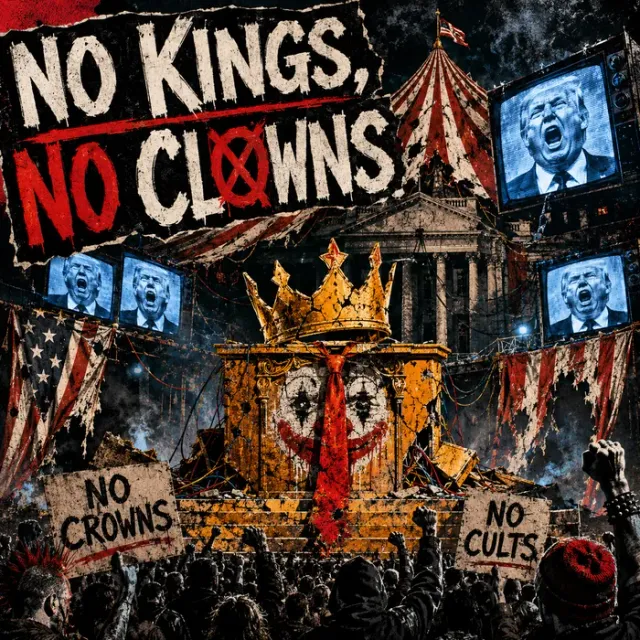
No Kings, No Clowns
Political punk and sharp satire follow propaganda, street protest, and the public performance of power in a fractured city.


