
Post-Punk
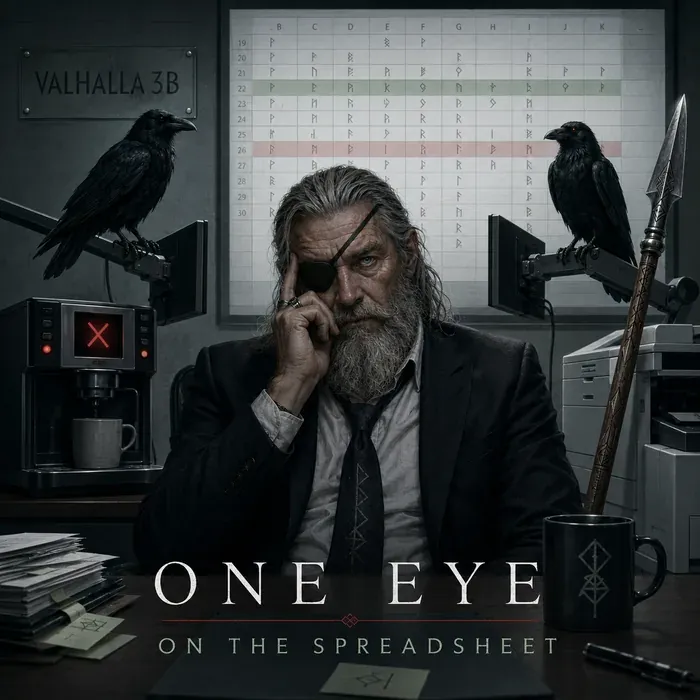
One Eye on the Spreadsheet
One Eye on the Spreadsheet turns Odin into an underpaid consultant in a sharp post-punk satire on office burnout, broken systems, and wisdom sold by the hour.
Liner Notes
A short editorial read on the album world, sound, and standout moments.
About the Album
One Eye on the Spreadsheet begins with a joke that is funny because it is uncomfortably plausible: Odin has become an underpaid consultant. His ravens now work as analysts, his spear leans beside an office printer, and Valhalla 3B contains no fallen warriors—only managers waiting for a presentation about “vision,” “transformation,” and “legacy strategy.” From that premise, the album builds a post-punk satire about work, authority, burnout, and the habit of turning every human experience into a measurable modern service.
The comedy arrives quickly, but it never becomes a collection of office jokes pasted onto Norse mythology. “Welcome to Valhalla 3B” establishes a world of access badges, rejected expenses, faulty coffee machines, and edited warnings. The details are precise: a prophecy softened into a market headwind, human losses hidden inside a spreadsheet, and an immortal being asked to make the end of the world more “actionable.” The language of consulting is treated as its own mythology, with rituals, sacred phrases, hierarchies, and punishments. The difference is that nobody believes in it, even as they obey it.
Musically, One Eye on the Spreadsheet is rooted in dry indie rock and post-punk rather than theatrical comedy. Picked bass lines move with the nervous insistence of a deadline. Angular guitars cut across the songs like corrections in a document. Tight live drums give the album a disciplined office pulse, while a recurring three-note harmonium figure carries a trace of the older world Odin has lost. That motif prevents the Nordic element from becoming costume drama. The ancient world does not arrive through booming horns or warrior chants. It survives in brief melodic fragments, in the grain of a spear, and in a voice that remembers when wisdom demanded sacrifice rather than a billing code.
The album’s strongest decision is to let its characters become more than comic devices. Hugin and Munin are not ravens sitting on monitor arms. Thought is locked out of the system in “Hugin Forgot the Password,” while memory fails to meet a deadline because it refuses to erase the names of dismissed workers. “Ravens in the Break Room” turns them into two exhausted employees trying to remember what open air felt like. Their fatigue gives the record weight, and their conversations make the corporate setting feel cruel in recognisable ways. Burnout here is not expressed through grand declarations; it appears in forgotten songs, disposable dinners, sleepless hours, and the inability to stop carrying everybody else’s history.
Odin’s conflict develops with equal care. He is ridiculous in his tight suit, but he is never reduced to a fool. His frustration comes from understanding the real value of knowledge while being forced to package it for people who want reassurance rather than truth. “The Spear Beside the Printer” provides the album’s quiet centre, allowing Odin to confront the distance between who he was and what he has accepted. Later, “Allfather, Junior Consultant” turns a humiliating demotion into the point where obedience ends. The title is funny, yet the song lands because it recognises how institutions use rank, process, and supposedly neutral evaluations to make experienced people doubt their judgment.
The second half tightens the satire into open conflict. “The CEO Wants Prophecy by Friday” is fast, clipped, and breathless, driven by a leader who believes apocalypse can be managed through ownership structures and a suitable pre-read. “PowerPoint Ragnarok” delivers the album’s most chaotic set piece, but its real catastrophe is not supernatural. The disaster is that the hidden names and manipulated figures become visible. Truth without formatting proves more dangerous than any monster. The song understands that exposure is rarely cinematic in real life; sometimes it is a file sent to the wrong room, a deleted slide restored, or a record that can no longer be explained away.
By the time “No Bonus for Sacrifice” arrives, the album has earned its defiance. Odin is offered money and silence, refuses both, and releases the uncensored documents to the workforce. Importantly, he does not regain power by becoming a violent god again. He wins by opening the records. That choice keeps the story grounded and gives the finale a political force beyond its mythology. The repeated line “Wisdom is billable by the hour” changes across the record from cynical office slogan to accusation, and finally to something Odin rejects completely.
“Exit Interview at the World Tree” closes the album with restraint. There is no grand restoration of Asgard, only a bench, a badge, two ravens, a spear, and a tree whose roots are already disturbing the company pavement. The image is modest and effective. Systems present themselves as permanent, but roots move slowly beneath them. Wisdom, the song argues, cannot be owned, standardised, or reduced to a rate card without losing what made it useful.
One Eye on the Spreadsheet is recommended because its concept remains clear without exhausting its central joke. It is witty, musically coherent, and unexpectedly humane, with enough rhythmic bite for post-punk listeners and enough narrative detail for anyone drawn to full-length story albums. Recommended if you like: Political punk, post-punk, protest rock, anti-authoritarian lyrics, dystopian concept albums, AI-assisted music projects. More importantly, it is for listeners who have watched serious warnings become meeting notes, seen human consequences renamed as efficiency, or wondered how much genuine knowledge survives once every hour must be justified. This is an album about gods in offices, but its target is entirely human.
Production Notes
All tracks were generated with AI music models, then processed for the final orchestral sound. No human performance recordings are used.
Full album download
Download the complete album
Get the full ZIP package with tagged audio files, cover artwork, and album metadata.
Support MelodyMind
Help keep the albums coming
If this album was useful or fun to listen to, a small contribution helps cover hosting, tools, and new music experiments.
Join the conversation
Reactions from the web
Mentions, likes, reposts, and replies from IndieWeb and Fediverse-friendly sites can appear here after you allow community features.
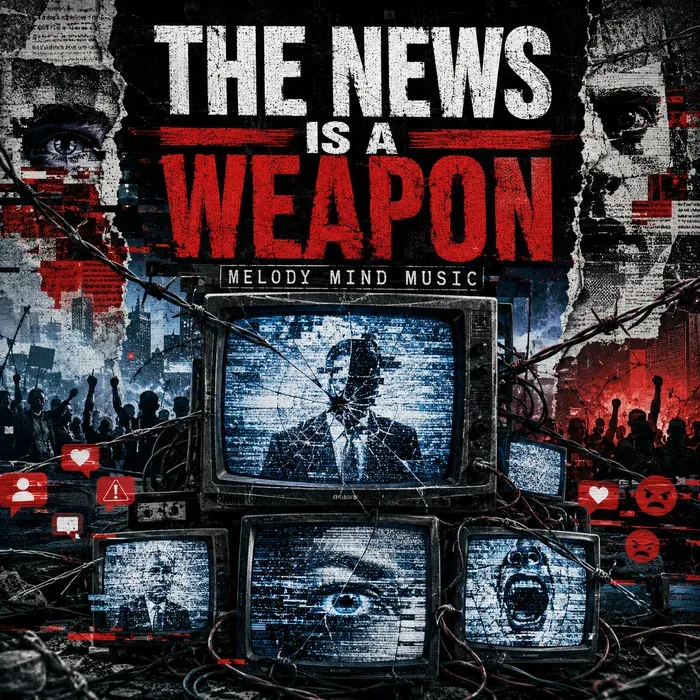
The News Is a Weapon
A paranoid post-punk concept album about media manipulation, propaganda, outrage and broken truth. For fans of political punk and dystopian protest rock fury
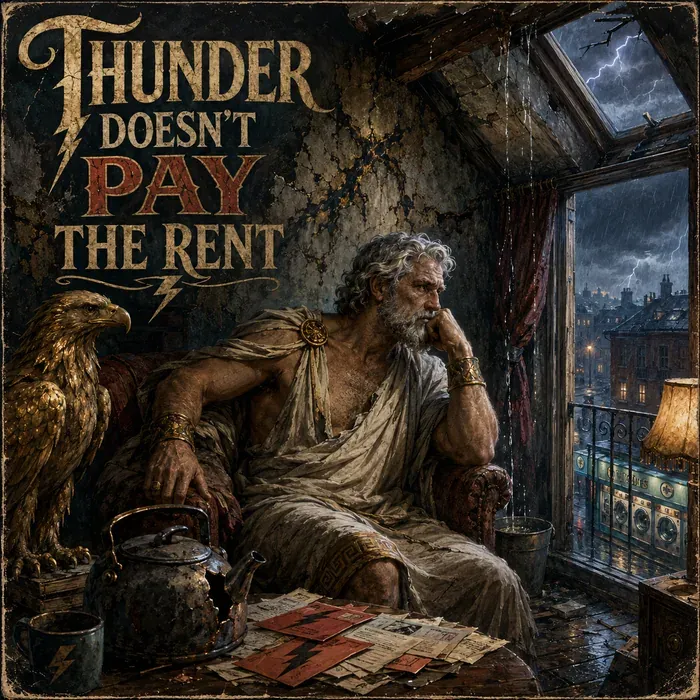
Thunder Doesn’t Pay the Rent
Thunder Doesn’t Pay the Rent turns Zeus’s midlife crisis into biting blues rock, where unpaid bills, bruised pride, black humor and hard-won humility collide.
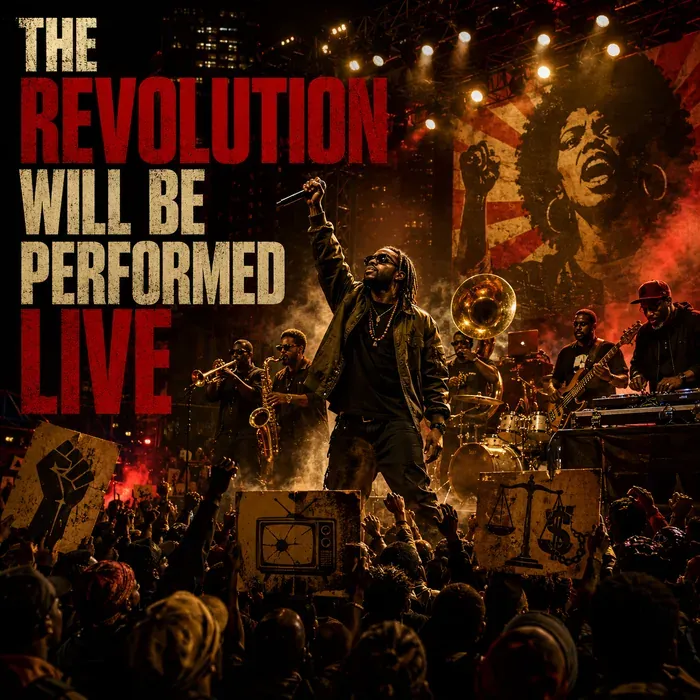
The Revolution Will Be Performed Live
A live protest rap-funk album with brass, soul, sharp lyrics and crowd energy, built for fans of political punk, protest rock and dystopian concepts.
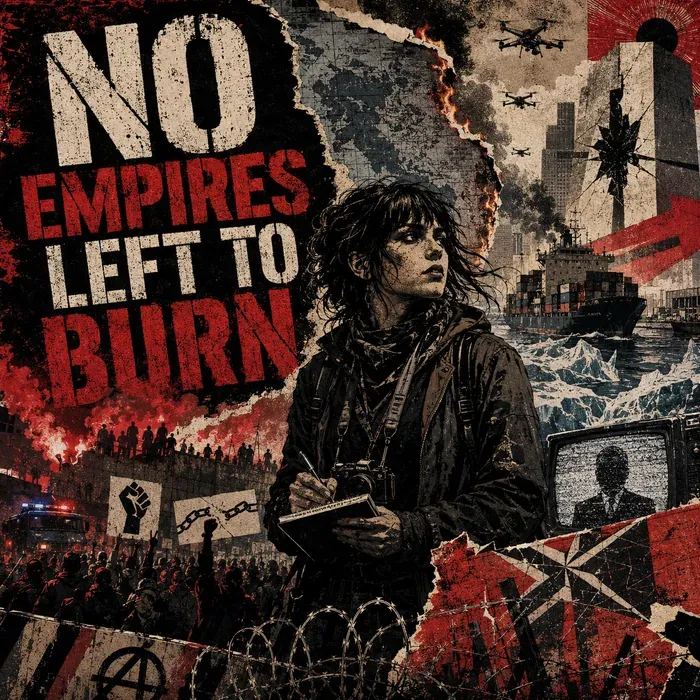
No Empires Left to Burn
No Empires Left to Burn is a raw political punk concept album of maps, borders, greed and resistance, built for fans of protest rock and post-punk fury today.
Community
Comments ...
Read or leave a comment about this album. Comments are provided by Cusdis and load only after you allow the comments feature.
Enable comments to load the discussion from Cusdis.