

Glam Metal
Queen of the Sunset Strip
Queen of the Sunset Strip is a glam metal and sleaze rock album about Roxanne Vale, a club singer building her own crown from neon, bad contracts, cheap champagne, toxic romance, and loud amplifiers. Dirty riffs, bluesy lead guitars, gang vocals, and hard rock choruses keep the glamour scratched and dangerous.
- Tracks 14
- Length 77 min
Liner Notes
A short editorial read on the album world, sound, and standout moments.
About the Album
Queen of the Sunset Strip knows exactly what kind of record it wants to be: loud, gaudy, damaged, and too stubborn to apologize for any of it. The album follows Roxanne Vale through backroom clubs, bad deals, cheap glamour, and the slow realization that a crown made under neon still cuts like metal.
The sound sits in glam metal and sleaze rock, but it keeps the polish scuffed. The riffs are dirty, the choruses are built for gang vocals, and the lead guitar work has enough blues in it to keep the songs from becoming pure costume. This is not party music pretending there are no consequences. It is party music with bruises under the makeup.
“Velvet Smoke and Neon” opens the door to the Strip as atmosphere first: smoke, stage light, and the kind of hope that already smells expensive. “Backroom Crown” is where Roxanne starts building her reputation in rooms that are too small for the size of her ambition. “Lipstick Knife Fight” gives the record its first real edge, turning scene politics into something fast, theatrical, and mean.
The next stretch is where the glamour starts showing teeth. “Pretty Boys with Poison Deals” is less about romance than leverage, and “Whiskey Halo” gives the album a love song that knows it is lying to itself. “Cheap Champagne Saints” is the better portrait of the crowd around Roxanne: runaways, hustlers, singers, players, and half-believers who need the night to mean something before it ends.
“Hollywood Teeth” sharpens the album’s distrust of the industry smile. “Runaway Roses” gives the record a little tenderness without cleaning it up. “Bad Love Boulevard” then drags the private wreckage into public view, the way rock scenes often do when everyone knows too much and says it anyway.
The final act is about surviving your own image. “Electric Funeral Kiss” kills off the version of Roxanne that other people tried to sell. “Hot Amp Heartbreak” turns damage into voltage. By the time “Queen of the Sunset Strip” arrives, the title feels less like a fantasy than a job description: hold the room, take the hit, keep singing.
The album is smart enough not to end there. “The Crown Cuts Deep” understands that fame can be a wound you keep reopening because the applause is still warm. “Last Song at Sunrise” closes after the lights have done their damage. Roxanne is not purified by the morning. She is simply still there, hoarse, alive, and harder to erase than the night expected.
Production Notes
All tracks were generated with AI music models, then processed for the final sound. No human performance recordings are used.
Support MelodyMind
Help keep the albums coming
If this album was useful or fun to listen to, a small contribution helps cover hosting, tools, and new music experiments.

Neon Hearts Never Die
Hair metal with big guitars, bright choruses, lipstick, radios, stage lights, and enough road-worn feeling to keep the neon from turning hollow.
Neon Hearts
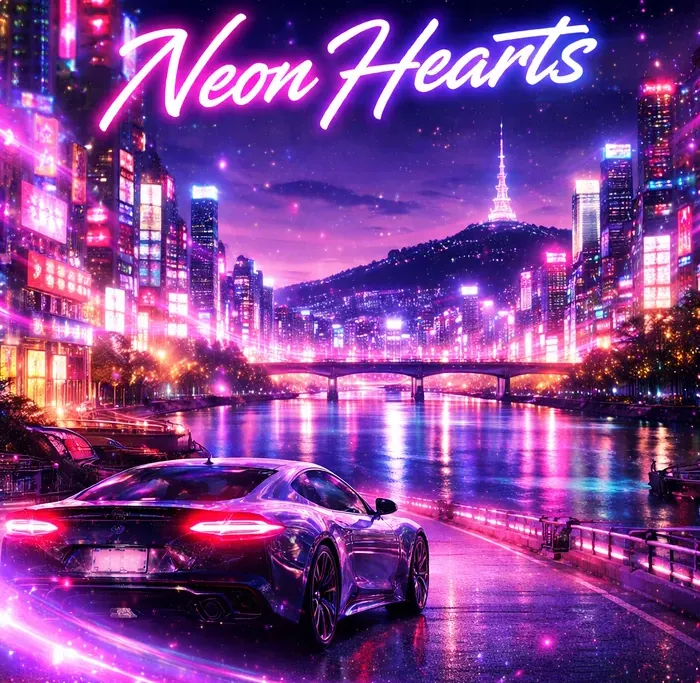
K-pop and synthpop for Seoul after midnight. Sharp beats, clean hooks, and rain-lit city images trace romance from first spark to dawn.

Tuhansien Järvien Laulut
Tuhansien Järvien Laulut is a Finnish-language melancholic folk rock album about leaving the city, returning to an old summer house, and hearing family history through lakes, cassette tapes, letters, sauna rooms, islands, and dark water. Acoustic guitars, soft piano, restrained drums, warm electric textures, and natural ambience keep the record intimate rather than grand.
Cherry Moon Academy
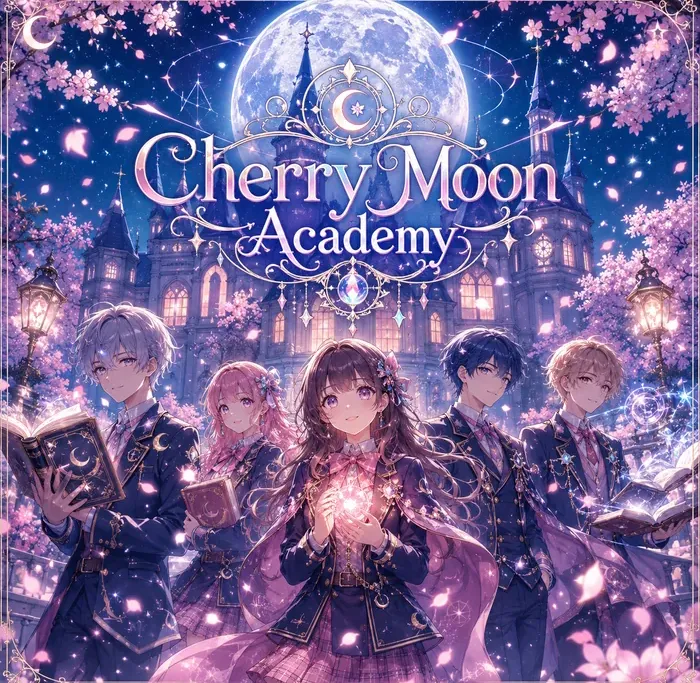
Cherry Moon Academy is a Korean school-pop and K-pop fantasy album set inside a moonlit academy where teenage feelings turn into spells, rivalries, letters, library confessions, prom-night nerves, and farewells. Bright synths, clean guitars, pop-rock choruses, soft piano, and pastel electronic details keep the record sweet without removing the ache underneath.