
Gothic Metal
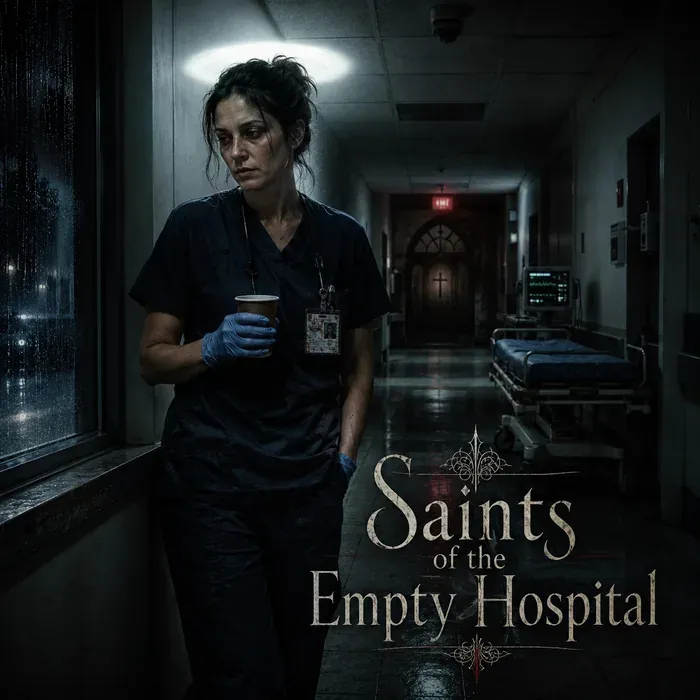
Saints of the Empty Hospital
Saints of the Empty Hospital is a gothic metal requiem for exhausted care workers, lost patients, and a healthcare system stretched beyond its limits tonight.
Liner Notes
A short editorial read on the album world, sound, and standout moments.
About the Album
Saints of the Empty Hospital begins at 3 in the morning, under fluorescent lights that make every face look older. A nurse named Mara clocks in, pins on a badge that seems heavier than it should, and walks into an understaffed night shift. From that moment, the album refuses distance. It listens to lifts, vending machines, rubber gloves and monitors counting out three-note patterns. This is a gothic metal concept album built from exhausted bodies and impossible choices.
Musically, the record sits between gothic metal, dark alternative rock and post-gothic songwriting. Drop-tuned guitars provide the weight, but they do more than make the songs sound large. Slow pulses resemble machinery, palm-muted figures suggest running feet, and sustained chords leave space around a voice or a name. Tom-heavy drums echo monitor rhythms, while a basement-chapel organ carries a three-note motif through the album. That figure changes meaning: first routine, then alarm, accusation and finally testimony. The close production leaves room to hear strain in the lead vocal.
Mara is not presented as a flawless heroine. She misses rooms, makes impossible decisions, feels resentment and considers signing a false report. “The Hour Between Bells” introduces a worker whose shift exceeds the resources available to her. “Blue Gloves, Red Hands” turns triage into a moral confrontation as procedure collides with a failing body. “No Windows in the Waiting Room” widens the frame, allowing patients and relatives to become a congregation whose anger grows from fear. These songs establish the album’s central argument: care is intimate, but the conditions under which it is delivered are political.
The first wound arrives with “Bed Nine Is Empty.” Arthur, a patient, dies while Mara is pulled toward other emergencies. The song’s power comes from what remains: a photograph, a wedding ring and a question from his wife. “Code Blue Psalm” follows with a rhythm treating resuscitation as a secular liturgy of pressure, breath and counting. Then “Paper Cup Communion” lowers the volume. Mara sits with Evelyn Quinn, a terminally ill patient who wants coffee, honesty and company instead of another speech about bravery. It is affecting because it knows when not to shout.
“Elevator to B2” carries Evelyn’s body toward the mortuary and reveals the architecture beneath the ward. The hospital chapel contains a ledger recording deaths, shortages, ignored repairs and acts of decency over many years. This prepares “When the Monitors Sang,” the catastrophe. A motorway collision sends casualties through the doors just as a power fault disrupts vital equipment. Mara must choose between a child named Leo and a ventilated patient named Gabriel Reyes. Leo survives; Gabriel does not. The scarcity behind that choice was built by staffing decisions, delayed maintenance and paperwork designed to make unsafe conditions appear manageable.
From there, Saints of the Empty Hospital becomes angrier without losing its human scale. “After the Alarm” examines the language used to erase responsibility: unexpected decline, equipment functioning as designed, objective wording. Mara responds by writing Gabriel’s name into the record. “The Room Where Names Go Cold” takes her into the mortuary, where Arthur, Evelyn and Gabriel occupy numbered spaces but share the same institutional thread. The music slows to a funeral march, yet avoids supernatural consolation. The dead do not return, and no higher power arrives to tidy the account.
“Badge Without Sleep” is the album’s lowest personal point. Alone in a changing room, Mara is offered the easiest path: sign the revised statement, go home and allow the night to be rewritten. Her refusal is not framed as heroism. It is a tired worker deciding that management will not use her name to certify a lie. “Saints Without Halos” rejects the idea that care workers should accept suffering as proof of virtue. Nurses, doctors, cleaners and porters gather around the ledger, not as martyrs but as witnesses. Care is not a private miracle produced by sacrifice; it is a public responsibility requiring time, staff and protection.
The finale, “Open the Doors at Dawn,” brings the ledger into the hospital lobby. The workers continue treating patients while making the record visible to families, incoming staff and management. There is no fantasy of instant reform. No new beds appear, no executive speech repairs the night and no final chord claims victory. What changes is that the truth can no longer remain in a basement room. The epilogue, “3 in Daylight,” returns to the opening hour. The names are still being read. Leo has drawn a window beside his bed. Mara understands that witness is not rescue, but it is where accountability begins.
This album is worth hearing because it gives gothic metal a subject the genre is unusually well equipped to carry: grief shaped by buildings, systems and inherited silence. Its heaviness has a reason, its recurring motifs develop rather than decorate, and its choruses emerge from lives rather than vague despair. Saints of the Empty Hospital is bleak, but not cynical. It finds dignity in care while refusing to romanticize the conditions that exhaust the people providing it. That balance gives the album emotional force beyond its concept and makes the fourteen-track arc feel earned.
Recommended if you like: Political punk, post-punk, protest rock, anti-authoritarian lyrics, dystopian concept albums, AI-assisted music projects. Those reference points are broader than the gothic-metal foundation, but they identify its audience: listeners who want heavy music to observe the world, take a position and leave behind more than atmosphere.
Production Notes
All tracks were generated with AI music models, then processed for the final orchestral sound. No human performance recordings are used.
Full album download
Download the complete album
Get the full ZIP package with tagged audio files, cover artwork, and album metadata.
Support MelodyMind
Help keep the albums coming
If this album was useful or fun to listen to, a small contribution helps cover hosting, tools, and new music experiments.
Join the conversation
Reactions from the web
Mentions, likes, reposts, and replies from IndieWeb and Fediverse-friendly sites can appear here after you allow community features.

The Last Funeral of Anubis
The Last Funeral of Anubis turns death, bureaucracy and grief into a dark cabaret odyssey of black humor, gothic folk and chamber blues. With one human pulse.
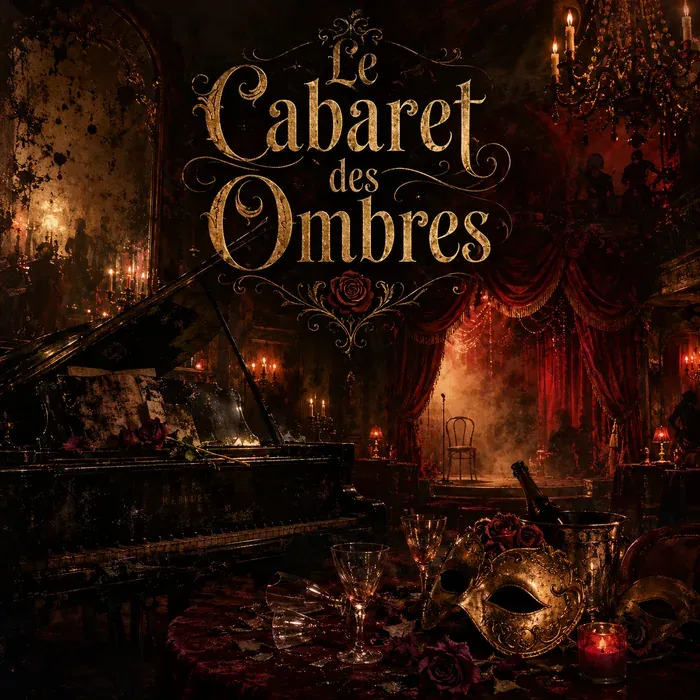
Le Cabaret des Ombres
A dark cabaret concept album of velvet, secrets and lost souls, where Parisian glamour turns into gothic theatre, betrayal and haunting chansons.
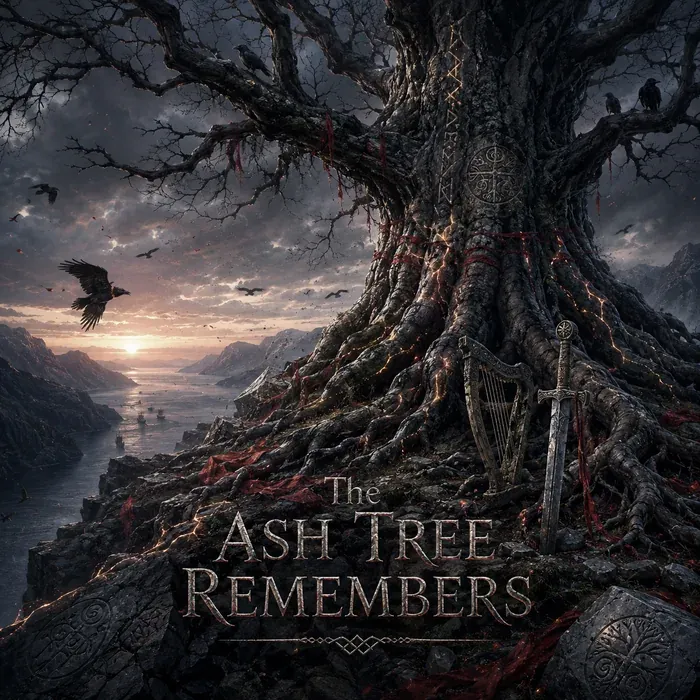
The Ash Tree Remembers
The Ash Tree Remembers is an epic Viking metal journey through Yggdrasil, war, memory, death and renewal, told through crushing riffs and Nordic ritual fires.
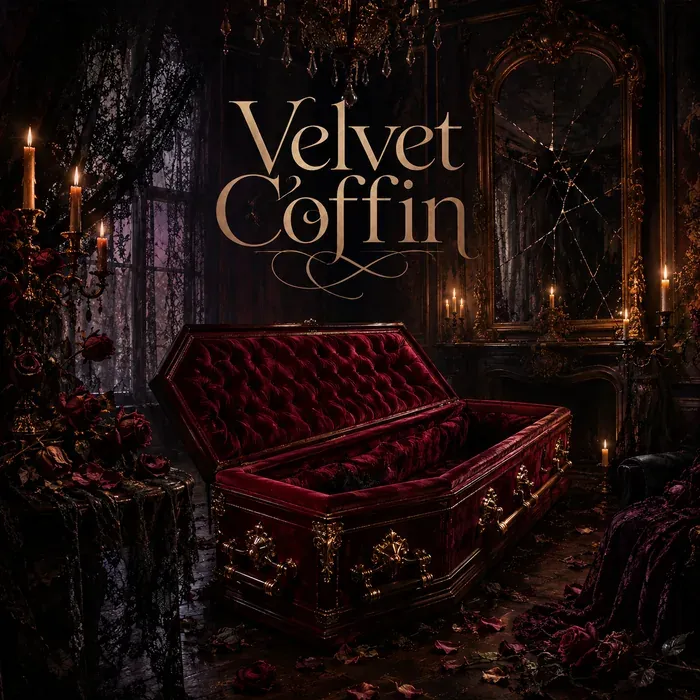
Velvet Coffin
Velvet Coffin is a gothic rock concept album of toxic love, post-punk shadows, dark romance, velvet vocals and a burning escape from obsession.
Community
Comments...
Read or leave a comment about this album. Comments are provided by Cusdis and load only after you allow the comments feature.
Enable comments to load the discussion from Cusdis.