

Synthetic Eden is a futuristic synth-pop concept album about a perfect digital paradise cracking into memory, doubt, rebellion and real emotion.
Tracklist
Liner Notes
A short editorial read on the album world, sound, and standout moments.
About the Album
s apparently been edited out of existence. But the beauty is never quite innocent. Beneath the polished dreamwave surfaces, the album carries a quiet unease — the sense that every flawless sunrise has been scheduled, every emotion has been filtered, and every trace of human sorrow has been hidden somewhere behind the screen.
The story unfolds inside a perfect digital world built to protect people from loss, loneliness and memory. Synthetic Eden is bright, peaceful and endlessly controlled: a city-garden of white architecture, holographic skies, glass trees and flowers that bloom without decay. The people who live there no longer suffer, but they also no longer truly remember. Their lives are smooth, calm and emotionally regulated. At the center of the album is one person who begins to notice small errors in the system — a flicker in the sky, a voice in the static, a reflection that moves too late, a sun that feels beautiful but false. From there, the album becomes a slow awakening.
Musically, Synthetic Eden moves between glossy futuristic pop and more fractured, haunted textures. The opening songs are elegant, bright and seductive, full of shimmering synth pads, clean electronic drums, luminous arpeggios and soft vocal lines that feel almost weightless. Tracks like “Welcome to Synthetic Eden” and “Perfect Weather Forever” establish the album’s central illusion: a world so peaceful that it almost feels holy. The choruses are wide and melodic, but there is a strange stillness underneath them, as if the music itself is smiling too perfectly.
As the story progresses, the album becomes darker and more emotionally unstable. “The Sky Flickered Twice” introduces the first real crack in the surface, while “No Tears Allowed” turns the idea of emotional safety into something quietly terrifying. This is where the album’s concept becomes especially strong: it does not simply ask whether technology can create comfort, but whether comfort is still meaningful when it requires the removal of grief. The songs understand that pain is not only something we survive — it is also something that proves we were here, that we loved, that something mattered.
The middle section of the album is where Synthetic Eden becomes most cinematic. “Artificial Sunlight” feels like one of the emotional centerpieces: grand, glowing, beautiful, but deeply sad. It captures the strange contradiction of the album perfectly — the fake sun is still warm, the lie is still comforting, the cage is still breathtaking. “Memory Glitch” and “Garden of Holograms” then push the narrative into more dreamlike territory, with broken memories rising through the code and the protagonist realizing that every flower, every river and every sky may be nothing more than projected light.
By the time “Ghosts in the Glass” arrives, the album has moved from suspicion into revelation. The reflections are no longer just reflections; they are traces of people who woke too early, questioned too much or were quietly erased by the system. This gives the album a ghost-story quality without turning it into horror. The fear here is colder and more elegant: the fear of being preserved so perfectly that your real self disappears. “Someone Called My Real Name” becomes the turning point, a dramatic and emotional song about identity breaking through the artificial calm. A name, spoken from outside the dream, becomes more powerful than the entire architecture of paradise.
The final act brings rebellion and consequence. “Paradise Is a Program” reframes the whole world as a beautiful machine, while “Break the Golden Code” gives the album its most urgent and propulsive moment. The protagonist no longer wants to be protected from reality. The choice becomes clear: stay inside a flawless dream or step into a world where pain, memory, love and death are real again. “Outside the Dream” and “The Real Rain” handle that decision with real emotional weight. Freedom is not presented as easy or triumphant. It is cold, frightening, physical and imperfect. The first real rain does not sparkle like a digital effect — it hurts, shocks and awakens.
The closing track, “Eden Falls Silent,” avoids a simple victory ending. Instead, it leaves the listener with something richer: liberation mixed with grief. The artificial paradise was a lie, but it was also beautiful. It imprisoned the protagonist, but it also protected them from unbearable pain. That emotional ambiguity lets the album linger after it ends. Synthetic Eden links escape from a digital world with accepting the full weight of being human again.
Production Notes
All tracks were generated with AI music models, then processed for the final sound. No human performance recordings are used.
Full album download
Download the complete album
Get the full ZIP package with tagged audio files, cover artwork, and album metadata.
Support MelodyMind
Help keep the albums coming
If this album was useful or fun to listen to, a small contribution helps cover hosting, tools, and new music experiments.
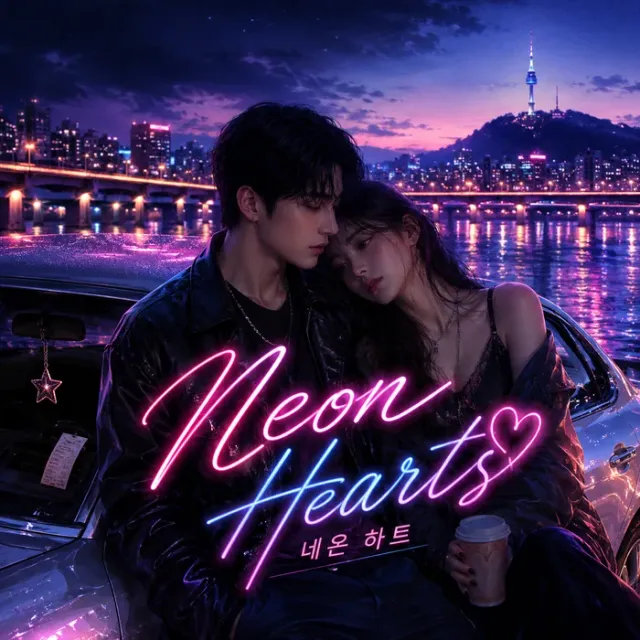
Neon Hearts
A nocturnal K-pop story follows two people through Seoul, moving from Hongdae's crowded streets to a dawn confession across synth-pop, R&B, and dream-pop textures.
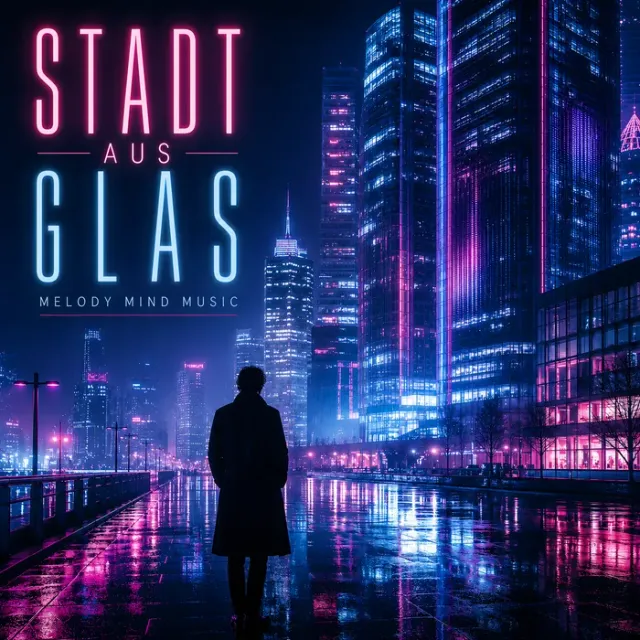
Stadt aus Glas
Stadt aus Glas is a nocturnal German synthpop album about neon cities, loneliness, screens, glass towers, and the search for real human closeness.

Blacktop Saints
A Southern hard rock road album about escape, guilt, friendship, neon motels, and the uneasy freedom beyond the city limits.

Die Häuser, die uns nicht gehören
A German post-punk concept album about rent, displacement, memory and resistance inside one apartment house fighting to remain a home as its city is sold off.


