

The Architecture of Collapse
AI-generated music and artwork
The Architecture of Collapse is a dark symphonic metal opera about broken systems, burnout, rage, and one developer losing himself inside the machine at work.
Tracklist
Liner Notes
A short editorial read on the album world, sound, and standout moments.
About the Album
The Architecture of Collapse is not an album about computers in any narrow sense. It is an album about what happens when intelligence, patience, and professional pride are fed into a system that rewards obedience more reliably than truth. Across fourteen connected tracks, Melody Mind Music turns a failing software project into a psychological tragedy: one developer enters as the calm, trusted center of his team and gradually discovers that the architecture around him has been designed not only to withstand failure, but to distribute blame so effectively that no one ever has to own it.
The record begins with dignity. “The Good Soul in the Machine” introduces a protagonist who still believes that careful work matters. That early control is essential, because collapse does not arrive as a sudden explosion. It arrives through compromises: decisions made before he joined, diagrams that appear logical until someone examines the details, messages that go unanswered, and meetings where every concern is acknowledged but nothing is changed.
Musically, The Architecture of Collapse belongs to the tradition of symphonic metal opera, but its most convincing moments come from restraint rather than sheer size. Dark piano, low strings, brass, timpani, heavy guitars, and recurring choral passages provide the scale, while progressive meters and mechanical rhythms keep the music under pressure. A descending three-note piano figure represents the person the developer once was. Against it stands a rigid system pulse that becomes more dominant as the project deteriorates. The orchestration carries information: motifs return altered, rhythms tighten, and familiar harmonies begin to sound compromised.
That attention to musical storytelling gives each chapter a distinct identity. “Glass Room Liturgy” turns corporate language into a cold ceremonial waltz. “Diagram of a Falling House” uses contrapuntal writing to show dependencies piling up until the structure locks. “Unread at 2” converts chat notifications and shifting priorities into an uneven attack on concentration. The title track broadens the conflict into a multi-part catastrophe, while “Red Build” slows the aftermath into a heavy procession where the screen remains honest even as the official wording softens the truth.
The writing is most precise when it stays close to concrete details. There are glowing monitors, untouched coffee, warning-red diagrams, unresolved tickets, empty glass rooms, access badges, approval fields, and branches that remain unmerged. They are the album’s emotional vocabulary. A cold cup becomes evidence of lost time. A red build becomes the only witness that has not been coached. An unfinished commit becomes a moral refusal. By the final songs, technical language has become personal language, and the difference between a broken system and a broken self is no longer easy to define.
The protagonist’s anger is handled with unusual seriousness. The album never flatters him by pretending that being right makes every reaction righteous. In “Good Soul, Bad Blood,” he begins to enjoy the possibility that his colleagues might finally suffer the consequences he has carried for them. That moment prevents the story from becoming a simple tale of one honest worker surrounded by fools. The system is corrosive, but corrosion also reveals what a person is capable of becoming. His deepest fear is that the project has taught him to desire its failure.
From there, the final act becomes quieter and more unsettling. “After the Last Login” lets the empty office address him as if the building has learned his habits better than his colleagues ever did. “The Unmerged Branch” stages a conversation between his present self and the person he was before the project. “No Final Commit” delivers the confrontation without offering a clean victory: he refuses to approve a false account, but refusal does not repair his career, his relationships, or his identity. “Undefined Exit” closes on an unsent message, an open branch, and a decision suspended in silence.
That unresolved ending is one of the album’s greatest strengths. A weaker record would turn resignation into liberation or endurance into heroism. The Architecture of Collapse understands that leaving can be frightening, staying can be destructive, and even necessary resistance may arrive too late to preserve the person who performs it. The final silence does not provide an answer. It leaves the listener inside the same impossible space as the protagonist.
Heard in sequence, the recurring motifs and changing perspectives keep the moral questions unresolved. The final return of the three-note piano figure asks whether any part of the protagonist remains recoverable.
Production Notes
All tracks were generated with AI music models, then processed for the final orchestral sound. No human performance recordings are used.
Full album download
Download the complete album
Get the full ZIP package with tagged audio files, cover artwork, and album metadata.
Support MelodyMind
Help keep the albums coming
If this album was useful or fun to listen to, a small contribution helps cover hosting, tools, and new music experiments.
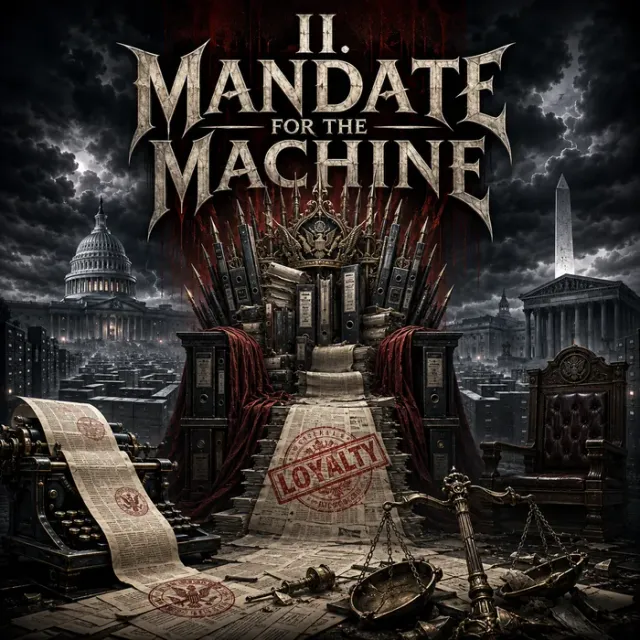
Mandate for the Machine
A dark symphonic metal opera about Project 2025, executive power and democracy under pressure—cold, theatrical and fiercely anti-authoritarian over 14 tracks.
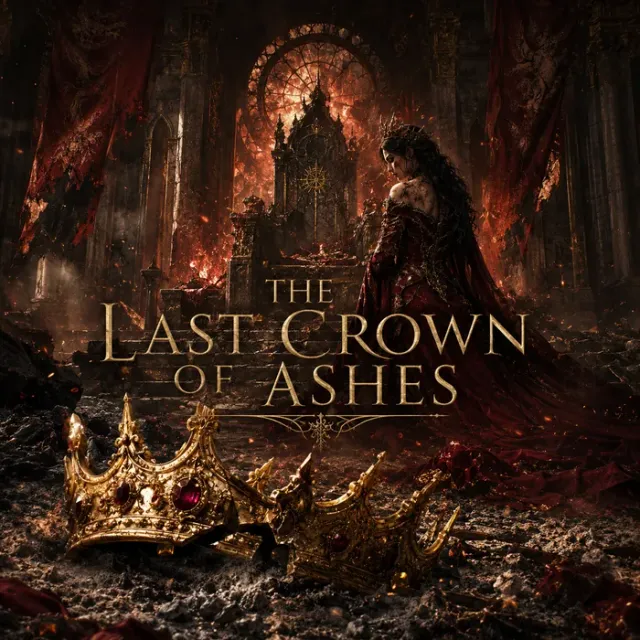
The Last Crown of Ashes
A tragic symphonic metal opera about a doomed queen, betrayal, forbidden love and a crown surrendered to save a kingdom from ashes.
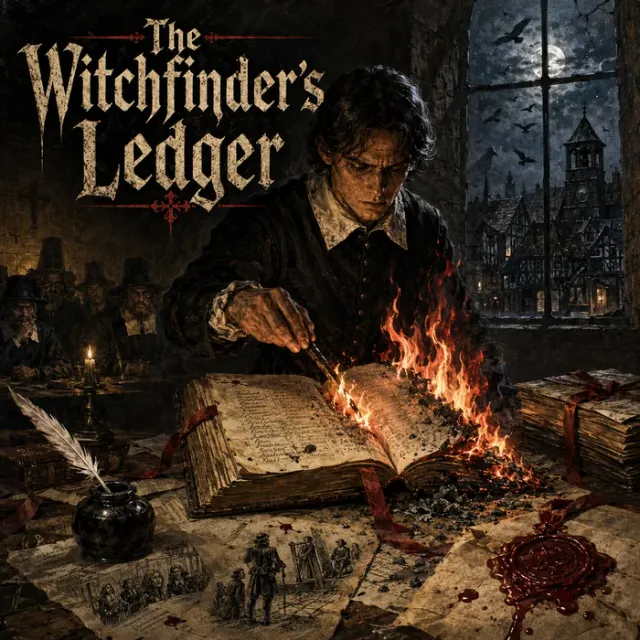
The Witchfinder’s Ledger
The Witchfinder’s Ledger is a dark NWOBHM concept album about fear, false justice and resistance, driven by galloping riffs and dramatic storytelling.
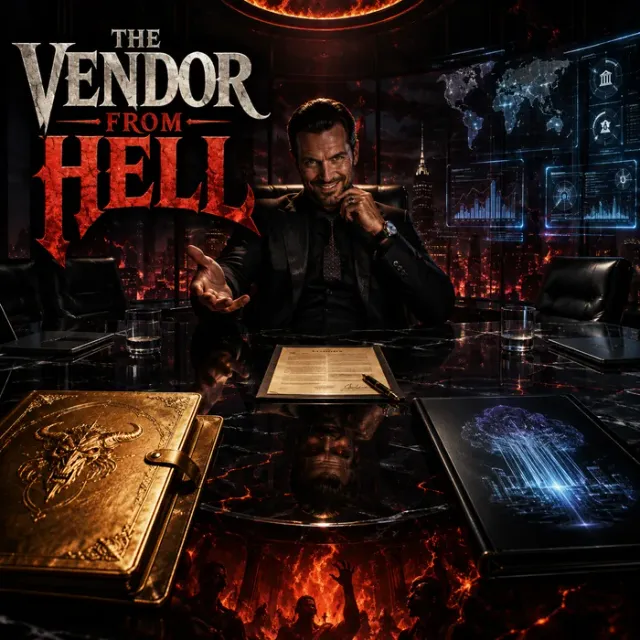
The Vendor from Hell
The Vendor from Hell turns software sales, vendor lock-in and broken support promises into a fierce blues-rock and heavy-metal rebellion inside the boardroom.


