


A bardic fantasy power metal album where songs awaken rebellion, lost bloodlines, broken crowns, and the fight to reclaim Arvandor’s throne.
Tracklist
Liner Notes
A short editorial read on the album world, sound, and standout moments.
About the Album
The Bard and the Broken Throne is an epic bardic fantasy metal concept album built around a simple but powerful idea: what if the most dangerous weapon in a kingdom was not a sword, but a song? Across fourteen connected tracks, the album follows Caelwyn, a wandering bard with no homeland, no army, and no heroic self-image. He travels from village to village with a weathered lute and a pocket full of old ballads, singing for bread, shelter, and the quiet attention of strangers. But the songs he carries are not harmless legends. They are fragments of buried history, coded memories of a stolen crown, and the last surviving map to a truth the kingdom of Arvandor was forced to forget.
Musically, the album lives in the grand tradition of epic power metal, but it gives that tradition a more intimate and narrative heart. The fast guitar runs, galloping drums, bright twin leads, and huge multi-voiced choruses deliver the heroic scale the genre demands, while acoustic guitars, lute-like textures, folk melodies, tavern chants, and medieval atmospheres keep the story close to the ground. This is not only music about castles, crowns, and battles. It is music about ordinary people remembering who they are. The sound is theatrical without becoming artificial, cinematic without losing its metal edge, and emotional without turning soft.
The opening tracks introduce Caelwyn as a “singer without a land,” a man who believes he is only a passerby in other people’s stories. His old ballads about Arvandor seem like folklore at first, but the album gradually reveals that every refrain, every hidden line, and every repeated melody contains part of a forbidden truth. The kingdom was once ruled by a just king before betrayal shattered the royal line and placed a false ruler on the throne. The supposed death of the true heir becomes the central wound of the story — and Caelwyn’s discovery that he himself is that heir gives the album its emotional turning point.
The middle section of the album is where the concept truly opens up. “Tavern of Whispered Oaths” turns the hidden rebellion into a living, breathing community of bakers, smiths, widows, soldiers, thieves, farmers, and children. “March of the Many Voices” expands that spark across the land, transforming melody into movement. These songs are designed for big choruses and communal energy, the kind of refrains that feel made to be shouted back from the crowd. The fantasy setting may be medieval, but the emotional core is timeless: people discover that fear loses power when it is sung out loud together.
The album also gives its villain a strong dramatic presence. “The False King’s Masquerade” paints the court as a glittering lie, full of masks, ceremony, propaganda, and rot beneath the gold. It is one of the record’s most theatrical moments, mixing courtly darkness with sharp metal momentum. By the time “Choirs Against the Crown” and “Siege of the Silent Keep” arrive, the album has moved from secret songs and hidden runes into open confrontation. Yet even at its most bombastic, the story keeps returning to the same central idea: the rebellion does not begin with violence. It begins when the people remember the forbidden song.
The title track, “The Bard and the Broken Throne,” functions as the album’s dramatic climax. It brings Caelwyn into the ruined heart of power, standing before the false king not as a traditional warrior, but as the living proof that stolen history can survive in music. The broken lute, the shattered crown, the cracked throne, and the united voices of Arvandor all become symbols of a kingdom redefining itself. The final song, “When the Kingdom Sings Again,” avoids a cheap victory lap. Instead, it closes with restoration, responsibility, remembrance, and the warning that no crown is worthy if it stops listening to the people beneath it.
At its best, The Bard and the Broken Throne feels like a campfire tale growing into a revolution. It begins with one man singing for coins and ends with an entire kingdom finding its voice. That arc gives the album its emotional pull and its replay value. The melodies are built to be memorable, the choruses are built to rise, and the story gives every track a clear place in the larger journey. It is heroic, but not hollow; grand, but not empty; familiar in its fantasy language, yet fresh in its belief that a song can carry more truth than a sword.
Production Notes
All tracks were generated with AI music models, then processed for the final sound. No human performance recordings are used.
Full album download
Download the complete album
Get the full ZIP package with tagged audio files, cover artwork, and album metadata.
Support MelodyMind
Help keep the albums coming
If this album was useful or fun to listen to, a small contribution helps cover hosting, tools, and new music experiments.
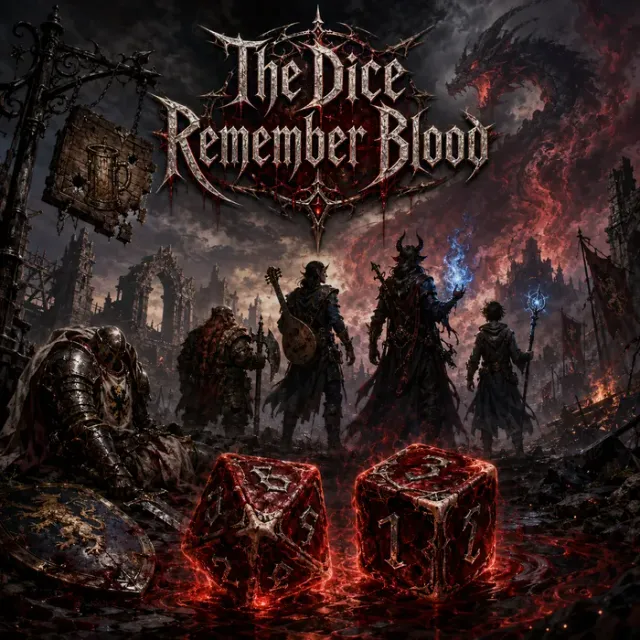
The Dice Remember Blood
The Dice Remember Blood is a dark fantasy metal saga of cursed choices, lost identities and grim victories, told through all 14 cinematic, story-driven songs.
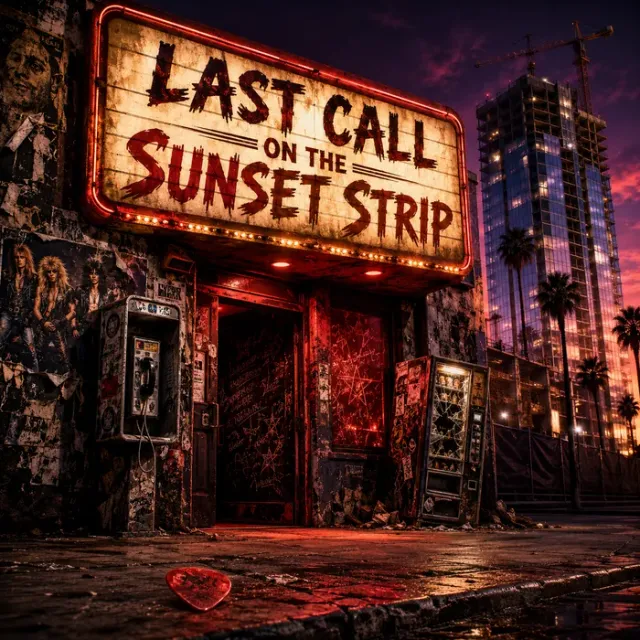
Last Call on the Sunset Strip
A dying Sunset Strip club gets one final night in this gritty glam-metal concept album about memory, rent, friendships, survival, and staying loud until dawn.
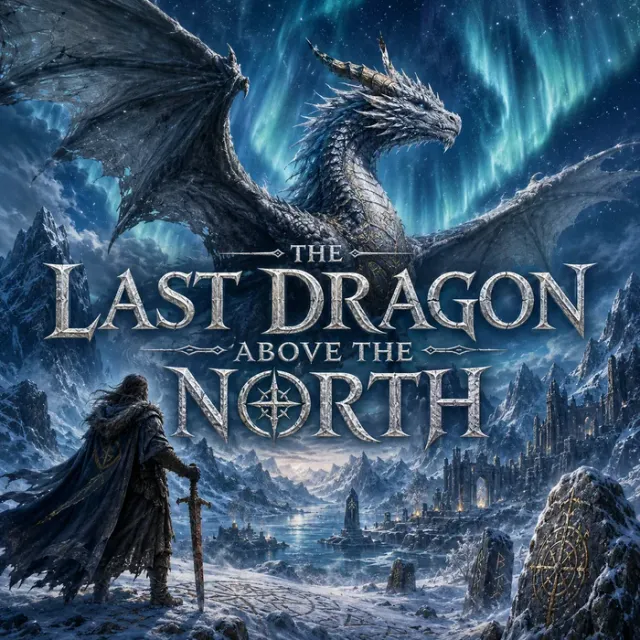
The Last Dragon Above the North
A heroic Nordic power metal saga of dragons, broken oaths, forgotten kings and one chronicler fighting to keep truth alive beneath the northern ice.
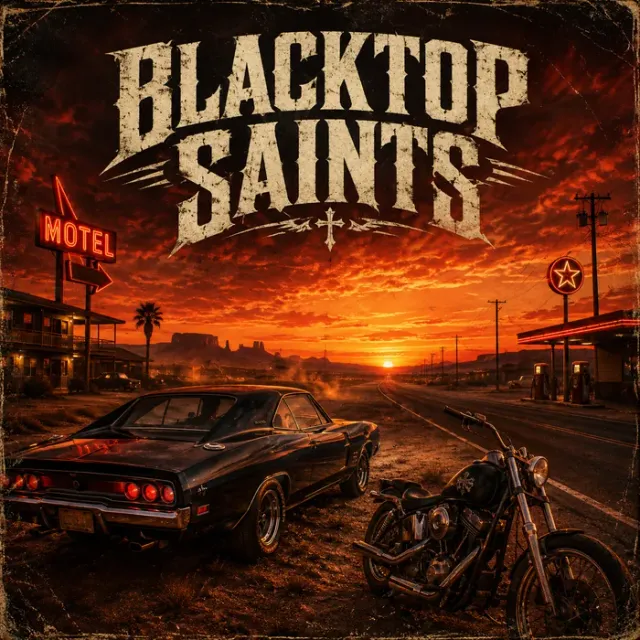
Blacktop Saints
A Southern hard rock road album about escape, guilt, friendship, neon motels, and the uneasy freedom beyond the city limits.


