


The Blood Moon Saga is a dark Viking metal concept album of blood feud, prophecy, ritual war, tragic revelation, and apocalyptic Nordic atmosphere.
Tracklist
Liner Notes
A short editorial read on the album world, sound, and standout moments.
About the Album
The Blood Moon Saga is not the kind of Viking metal album that raises a drinking horn and charges toward easy glory. It is colder than that, darker than that, and far more haunted. Built as a fourteen-track concept album, it begins with the violent beauty of a red moon rising over the North and slowly drags the listener into a world where inherited hatred, ritual pride, and old lies become more dangerous than any enemy across the fjord.
At first, the album feels like a call to war. “Blood Moon Rising” opens the gates with frostbitten guitars, pounding drums, and the sense that something ancient has awakened beneath the snow. The atmosphere is immediately cinematic: ravens overhead, broken oaths underfoot, and two clans staring at one another across a landscape already stained by memory. This is dark Viking metal with blackened folk metal blood in its veins — fast, harsh, melodic, and built for big, chant-like refrains that feel as if they were meant to echo through a burning hall.
The Blood Moon Saga holds attention by refusing to remain a simple revenge fantasy. The early chapters — “The Oath Beneath the Ash Tree,” “Wolves of the Northern Fjord,” and “Black Sails at Dawn” — deliver the expected force: double bass thunder, cold tremolo guitars, ritual drums, deep growls, and the smell of smoke and iron. These songs have the physical charge of battle music, but underneath the aggression there is already unease. The choruses are memorable, but they are not clean victories. Every oath sounds like a chain. Every triumph feels contaminated.
That tension becomes the album’s greatest strength. By the time “Feast of Iron and Bone” arrives, celebration has curdled into something almost sacrificial. The warriors may think they are honoring the dead, but the music suggests they are feeding something worse. The folk elements — strings, chants, old-world percussion — are not there for decoration. They make the album feel ritualistic, as if the culture itself has become trapped inside its own myth. The result is a sound that is brutal without becoming one-dimensional, melodic without losing its threat, and epic without slipping into empty bombast.
The turning point comes with “The Seeress Speaks in Runes,” one of the album’s most important chapters. Here the blood moon is reinterpreted. It is not a blessing from the gods. It is not permission to kill. It is a warning. That idea gives the entire album its tragic weight. From this point on, The Blood Moon Saga becomes less about who will win and more about whether anyone will understand the warning before there is nothing left to save. This is where the album reaches beyond genre imagery and becomes a story about propaganda, inherited violence, and the terrible comfort of believing your hatred is sacred.
“Ravens Over Red Snow” and “Bride of the Burning Hall” deepen the emotional center of the record. The first looks across the aftermath of battle and finds no glory in the bodies left behind. The second introduces one of the album’s most devastating images: a marriage that might have united the clans destroyed in fire. It is a classic tragic device, but it works because it lands inside a world already built on rhythm, atmosphere, and consequence. The bride becomes the voice of a future murdered before it could begin.
The album’s second half grows heavier in a different way. “The Betrayer’s Bloodline” breaks open the founding myth of the feud, revealing that the original betrayal was not clean, not simple, and not owned by one side alone. This is one of the most compelling narrative moves on the record because it denies the listener the comfort of a pure hero or villain. The enemy is blood-related. The lie is shared. The guilt has roots in every house. From there, “Beneath the Crimson Altar” and “The Last Shield Wall” push the story toward catastrophe, with ritual violence and final battle becoming almost indistinguishable.
The closing stretch is where the record earns its full emotional payoff. “When the Gods Turned Silent” removes the last illusion of divine approval. No thunder comes. No heavenly voice justifies the dead. “Ashes of the Northern Kingdom” surveys the ruins with a grim patience, allowing the music to breathe in the silence after violence. Then “The Blood Moon Sets” closes the saga not with victory, but with recognition. The moon was never calling them to war. It was warning them of what they were becoming.
Production Notes
All tracks were generated with AI music models, then processed for the final sound. No human performance recordings are used.
Full album download
Download the complete album
Get the full ZIP package with tagged audio files, cover artwork, and album metadata.
Support MelodyMind
Help keep the albums coming
If this album was useful or fun to listen to, a small contribution helps cover hosting, tools, and new music experiments.
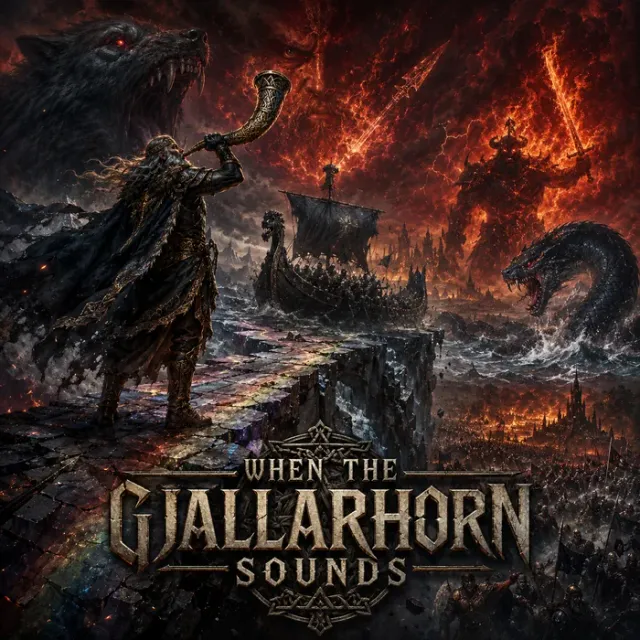
When the Gjallarhorn Sounds
A symphonic Viking metal requiem for Ragnarök, gods fall, monsters rise, and the last horn calls nine worlds toward silence, fire and a world without victors.
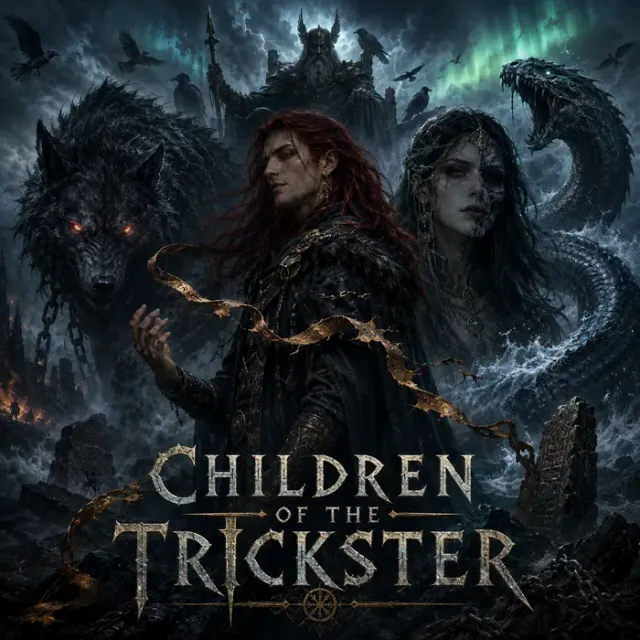
Children of the Trickster
Children of the Trickster, dark Viking metal about Loki’s children, Odin’s fear, and the prophecy that turns family into fate and rage.
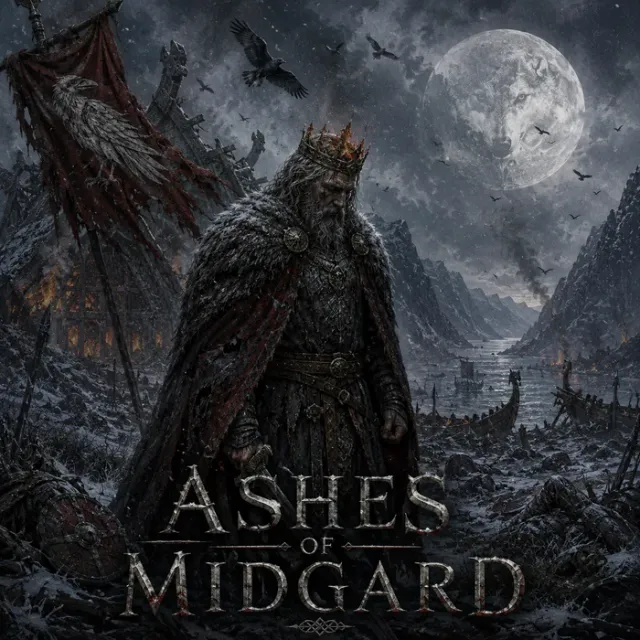
Ashes of Midgard
Ashes of Midgard is a tragic Viking metal concept album of fire, frost, broken oaths and a dying kingdom fighting to keep its memory alive after the last war.
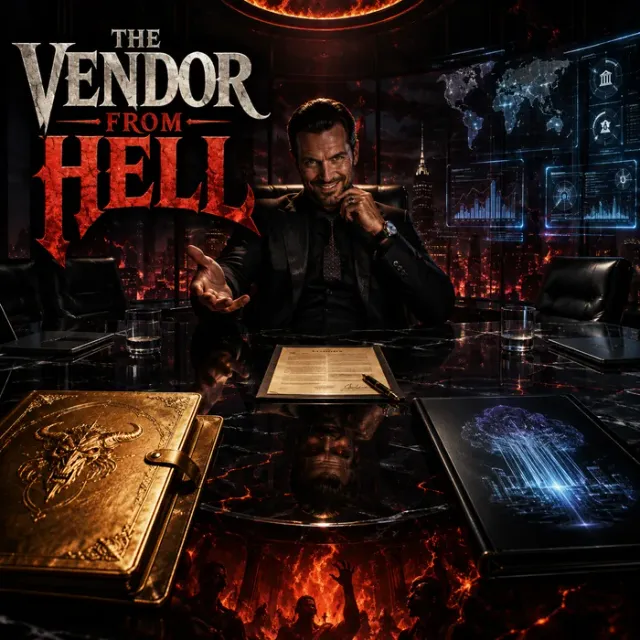
The Vendor from Hell
The Vendor from Hell turns software sales, vendor lock-in and broken support promises into a fierce blues-rock and heavy-metal rebellion inside the boardroom.


