

The Death of the Brightest God
AI-generated music and artwork
Viking doom metal follows Balder's death, the gods' failed bargain with Hel, and the first shadow of Ragnarök.
Tracklist
Liner Notes
A short editorial read on the album world, sound, and standout moments.
About the Album
The Death of the Brightest God is a Melodic Viking Doom Metal concept album built around one of the most devastating moments in Norse mythology: the death of Balder, the beloved son of Odin and Frigg, and the emotional fracture that follows. Instead of treating the myth as a simple heroic tragedy, the album turns it into a slow-burning family collapse. The god’s death sets off a family story in which protection becomes arrogance, laughter becomes cruelty, and prophecy becomes painfully personal.
The album immediately draws its force from its sense of weight. The sound is rooted in slow, heavy riffs, mournful guitar melodies, grave baritone vocals and ritual-like percussion, but the album never feels like one long grey wall of doom. Each track has its own dramatic purpose. “The Gold in Asgard’s Rafters” opens the world with tragic grandeur, showing Asgard before the fall: bright, proud, already cracked beneath the surface. “White Dreams Under His Eyelids” moves inward, making Balder’s fear intimate and human. “Frigg’s Oath” becomes a solemn ritual, while “The Unsworn Green” sharpens the overlooked mistletoe into something almost unbearably small and dangerous.
The central strength of The Death of the Brightest God is how carefully it handles inevitability. The listener knows where the myth must go, yet the album makes the road there feel tense, emotional and freshly painful. “Throw Stones at the Sun” is especially effective because it turns divine invulnerability into a grotesque game. The gods are not villains in that moment; they are worse than that. They are careless. They are drunk on safety. They are unable to imagine that a world covered in oaths could still contain one fatal loophole.
By the time “Guide the Blind Hand” arrives, the album has already built enough emotional pressure that Loki’s manipulation of Höðr feels sickening rather than theatrical. The title track, “The Death of the Brightest God,” then lands as the necessary rupture: not a bombastic battle scene, but a doom-metal catastrophe where silence becomes heavier than any riff. The image of the mistletoe arrow, the fallen light, Frigg frozen beyond tears and Odin suddenly powerless gives the album its emotional center.
The second half is where the record becomes more than a retelling. “The Ship That Burned the Sun” turns Balder’s funeral into a visual and musical centerpiece: fire on black water, Draupnir placed with the dead, divine wealth made useless in the face of loss. “The Road Below the Roots” gives Hermóðr’s ride to Helheim a grim momentum, adding movement without breaking the album’s funeral atmosphere. Then “No Tears for Balder” delivers the cruelest bargain in the story. All creation can weep, but one dry-eyed refusal is enough to keep Balder below. It is a brutal idea, and the album understands why it matters: grief is communal, but fate can be sealed by a single absence of compassion.
“Odin Cannot Read the Ash” may be one of the album’s most important chapters. It strips the Allfather of distance and mythic control. Wisdom, magic, sacrifice, ravens, runes — none of it can reverse what has happened. The song reframes Odin not as the master of prophecy, but as a father standing in the ruins of his knowledge. From there, “The First Crack of Ragnarök” works as the true finale, showing that Balder’s death is not only a loss but the first structural fracture in the divine order. The apocalypse does not begin with monsters. It begins with a family unable to become whole again.
The epilogue, “Where the Mistletoe Grows,” is quiet but essential. It lets the symbols settle: the white cloth, the gold ring, the dead sunlight, the small green plant that everyone missed. The album ends with tragedy rather than easy catharsis, which is exactly why it stays with you. There is no cheap victory, no sudden consolation, no forced uplift. Only memory, consequence and the sense that an entire world has learned the shape of its ending.
It also has a strong sense of album architecture. The early songs glow with dread before the catastrophe, the middle section delivers the fatal blow, and the final stretch becomes colder, slower and more morally exhausted. That shape matters. It gives the listener a reason to keep moving through the darkness, because every track changes the emotional temperature of the myth.
Production Notes
All tracks were generated with AI music models, then processed for the final orchestral sound. No human performance recordings are used.
Full album download
Download the complete album
Get the full ZIP package with tagged audio files, cover artwork, and album metadata.
Support MelodyMind
Help keep the albums coming
If this album was useful or fun to listen to, a small contribution helps cover hosting, tools, and new music experiments.
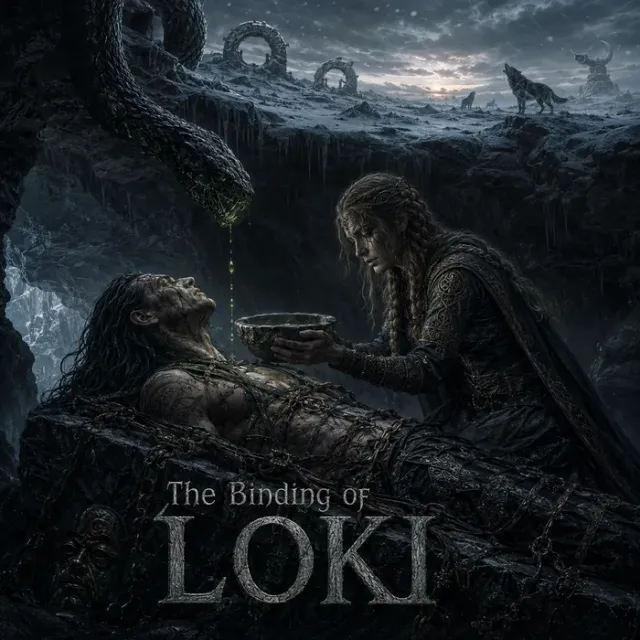
The Binding of Loki
The Binding of Loki is a frostbitten Blackened Viking Metal album of venom, broken oaths, Sigyn’s vigil and Fimbulwinter’s first roar. A grim Norse reckoning.
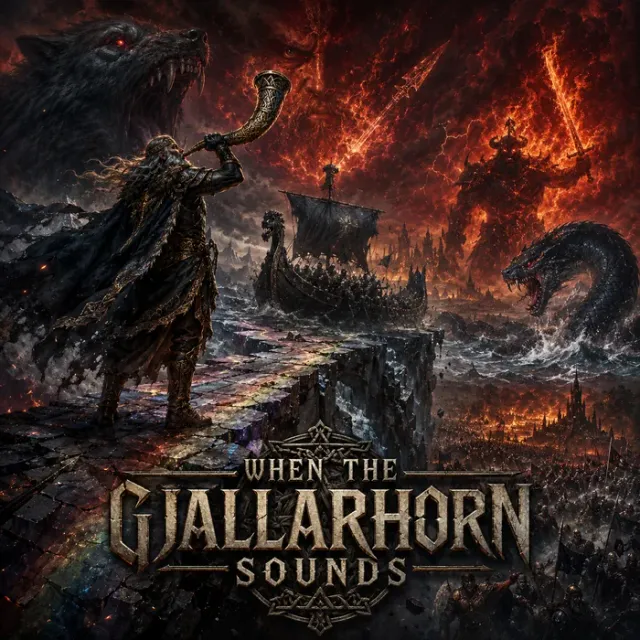
When the Gjallarhorn Sounds
A symphonic Viking metal requiem for Ragnarök, gods fall, monsters rise, and the last horn calls nine worlds toward silence, fire and a world without victors.
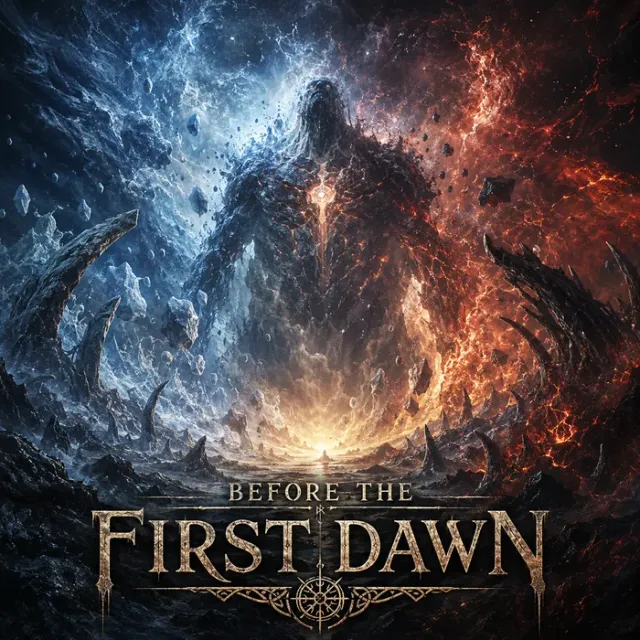
Before the First Dawn
Before the First Dawn turns Norse creation into atmospheric Viking metal, colossal riffs, ritual choirs, blood, frost and nine worlds forged through violence.
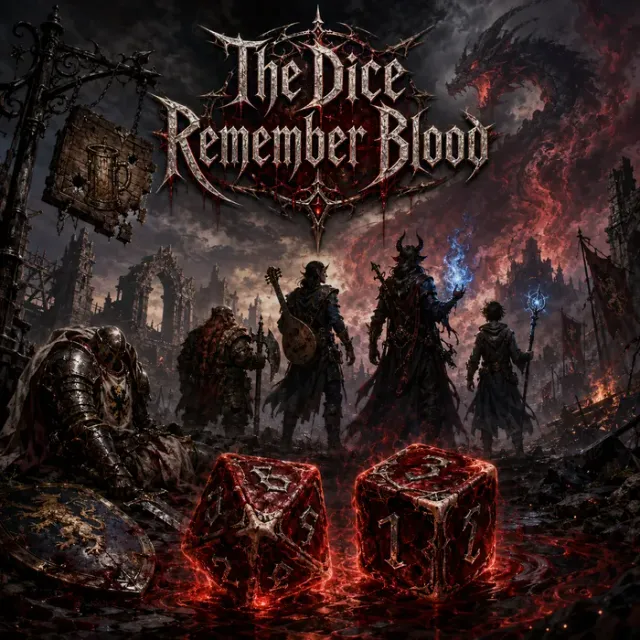
The Dice Remember Blood
The Dice Remember Blood is a dark fantasy metal saga of cursed choices, lost identities and grim victories, told through all 14 cinematic, story-driven songs.


