
Epic Power Metal
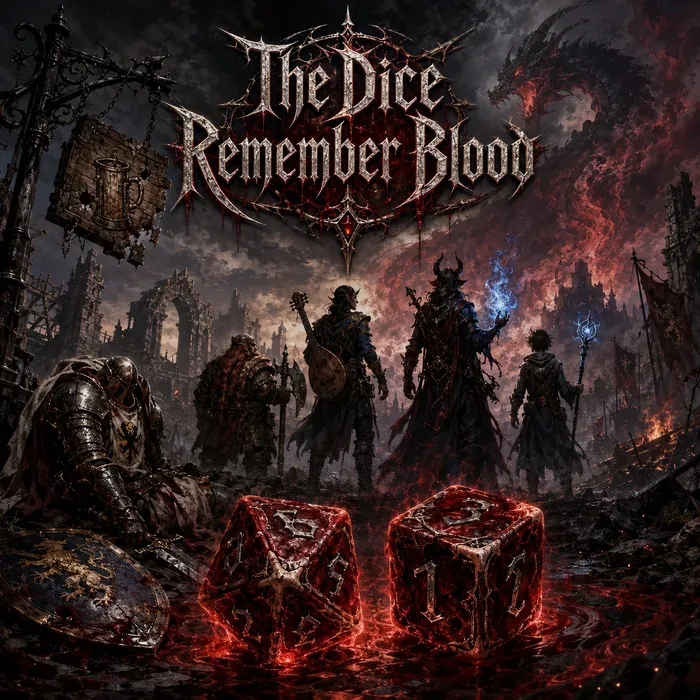
The Dice Remember Blood
The Dice Remember Blood is a dark fantasy metal saga of cursed choices, lost identities and grim victories, told through all 14 cinematic, story-driven songs.
Liner Notes
A short editorial read on the album world, sound, and standout moments.
About the Album
The Dice Remember Blood begins where many fantasy-metal records would already be reaching for triumph: in a tavern full of damaged people who do not yet trust one another. The Crooked Griffin is a waiting room for consequences. A fallen paladin, a half-elven bard, a tiefling warlock, a dwarven warrior and a young mage are brought together by two red bone dice engraved with silver numbers. The promise is simple: roll, and fate may bend. The price is harder to understand until it has been paid.
Across fourteen songs, the album turns that premise into a story about victory, responsibility and the dangerous belief that every mistake can be corrected with enough power. Its fantasy setting is vivid, but the record is not interested in escapism alone. Dungeons, ruined bridges, dragon vaults and cursed contracts give form to recognisable weaknesses: regret, ambition, guilt, denial and the urge to make somebody else absorb the cost of our decisions.
Musically, The Dice Remember Blood is rooted in epic power metal, strengthened by symphonic metal and rough-hewn tavern folk. Twin-guitar harmonies, forceful drums, low orchestral strings and hurdy-gurdy motifs provide a stable identity, while arrangements change with each chapter. The opening track moves from a cramped tavern pulse into a metal charge. “Red Bones, Silver Numbers” uses uneven rhythm to make the first throw feel unstable. “Five Against the Map” has the gait of a road song, while “The Cost of Six” becomes a heavy battle march as Brunna wins and loses the memory of her brother.
Letting each song serve the drama keeps the album from becoming a procession of interchangeable anthems. “Names Beneath the Stone” races through catacombs where identities are erased from graves. “The Rhyme That Would Not Heal” strips the sound back to strings, cello and close voices as the bard tries to rebuild a stolen relationship from facts. It is one of the album’s most affecting ideas: knowing everything about a person is not the same as remembering how it felt to love them.
The central sequence provides the strongest escalation. “Before the Memory Wyrm” gathers the party’s loyalties before they enter the dragon’s vault. “The Vault That Remembers” then delivers the catastrophe. The dragon hoards memories, and the heroes discover that the dice revise reality at someone else’s expense. When the young mage throws twice to save thousands, victory is immediate. Its payment is revealed in “Ten Years in the Ash,” where every child in the rescued valley has aged a decade overnight.
This is where The Dice Remember Blood earns its darker reputation. The story never pretends that good intentions erase damage. The heroes are not condemned for being imperfect, but neither may they hide behind noble motives. “The Paladin Who Learned to Kneel” makes that distinction explicit. Mara refuses another throw, saves refugees by ordinary means and remains to hear the names of those who died. The song’s power comes not from absolution, but accountability.
“Twice for the Grave” drives the temptation further. Veyr attempts to undo earlier losses and enlarges the curse, sacrificing his future while severing his infernal contract. “We Will Not Roll Again” is not a conventional rallying cry. It is a refusal to export pain. The group understands that the dice feed on revision: every attempt to manufacture a cleaner outcome creates another invisible victim.
The title track brings every musical and narrative thread together without reducing the finale to a boss battle. The five heroes defeat the buried god by surrendering their identities voluntarily rather than gambling with somebody else’s life. Titles, bloodlines, songs, magic and remaining years are given up freely. The choice matters because it cannot be rerolled. In “The Crooked Griffin, Again,” the heroes have become anonymous figures living quietly in the kingdom they saved, while new adventurers discover that the red dice may not have vanished.
The performances suit the material. Commanding female vocals give Mara authority without making her invulnerable. Gritty male leads bring a storyteller’s edge to Lark and Veyr, while ensemble passages sound like people learning to act together. The production favours weight and definition over gloss: drums land with a physical room sound, guitars retain their pick attack, and folk instruments function as recurring voices rather than decoration.
What makes the album recommendable is its balance of immediacy and consequence. There are memorable refrains, charging riffs, dramatic solos and melodic detail to reward repeated listening, yet spectacle always answers to story. Images recur with altered meaning: the broken crest, the white wooden fox, missing names, silver numbers and the warning, “Roll once for glory, twice for the grave.” By the finale, that phrase no longer sounds like tavern folklore. It sounds like a principle about who benefits from power and who quietly pays.
Its hooks linger after the final dice have fallen.
Recommended if you like: Political punk, post-punk, protest rock, anti-authoritarian lyrics, dystopian concept albums, AI-assisted music projects. Those references may sit outside the album’s fantasy-metal language, but they point toward its deeper appeal: suspicion of authority, resistance to convenient miracles and an insistence that heroic rhetoric means little without responsibility. The Dice Remember Blood is for listeners who want a concept album with momentum, memorable characters and a conclusion that refuses easy restoration. It offers dragons and cursed relics, but its real subject is the oldest gamble of all: whether power can be used without turning other lives into collateral.
Production Notes
All tracks were generated with AI music models, then processed for the final orchestral sound. No human performance recordings are used.
Full album download
Download the complete album
Get the full ZIP package with tagged audio files, cover artwork, and album metadata.
Support MelodyMind
Help keep the albums coming
If this album was useful or fun to listen to, a small contribution helps cover hosting, tools, and new music experiments.
Join the conversation
Reactions from the web
Mentions, likes, reposts, and replies from IndieWeb and Fediverse-friendly sites can appear here after you allow community features.
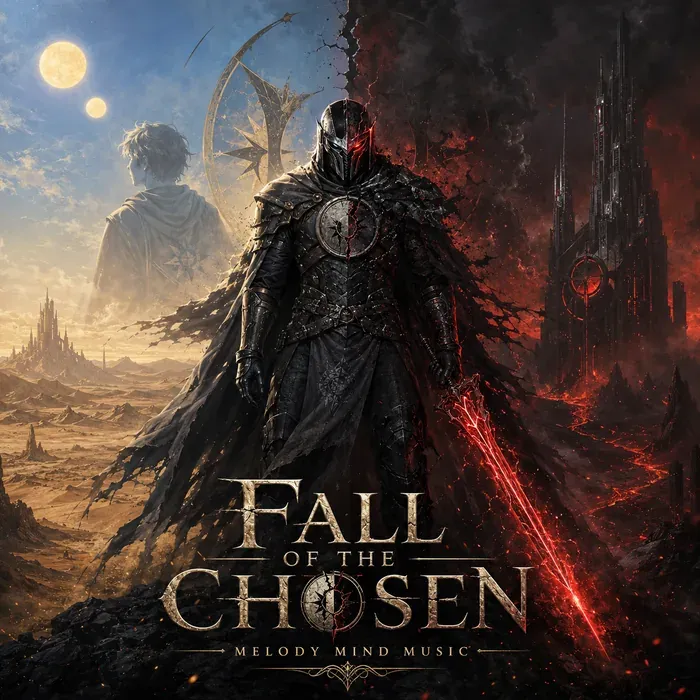
Fall of the Chosen
Fall of the Chosen charts a hero’s descent through prophecy, betrayal and forbidden power in a dark symphonic metal tragedy of love, fear and ruin in flames.
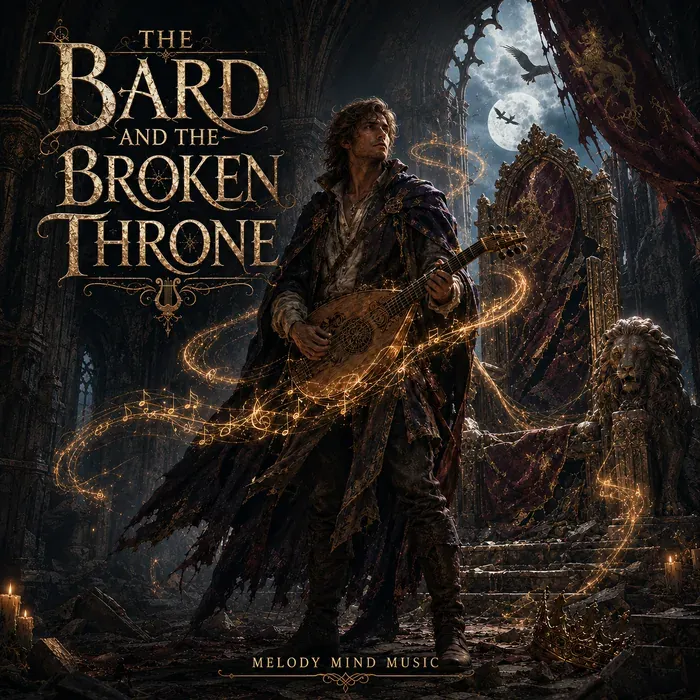
The Bard and the Broken Throne
A bardic fantasy power metal album where songs awaken rebellion, lost bloodlines, broken crowns, and the fight to reclaim Arvandor’s throne.
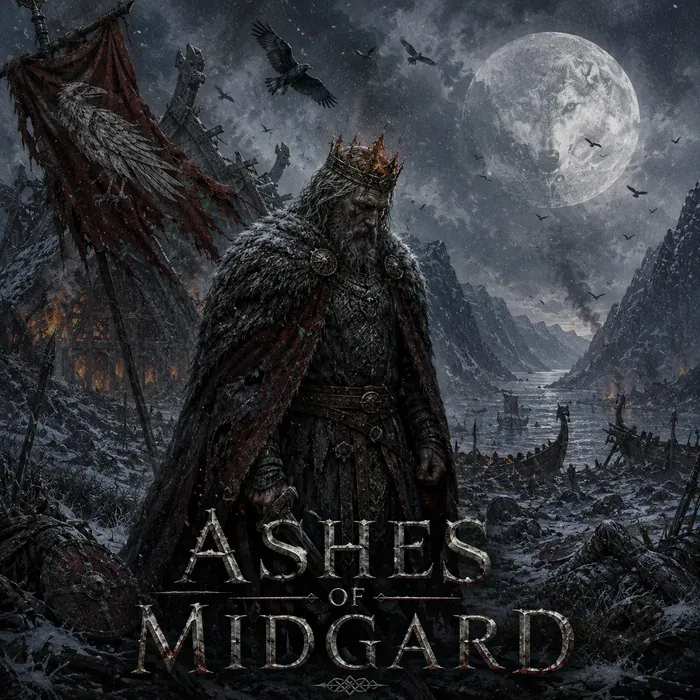
Ashes of Midgard
Ashes of Midgard is a tragic Viking metal concept album of fire, frost, broken oaths and a dying kingdom fighting to keep its memory alive after the last war.
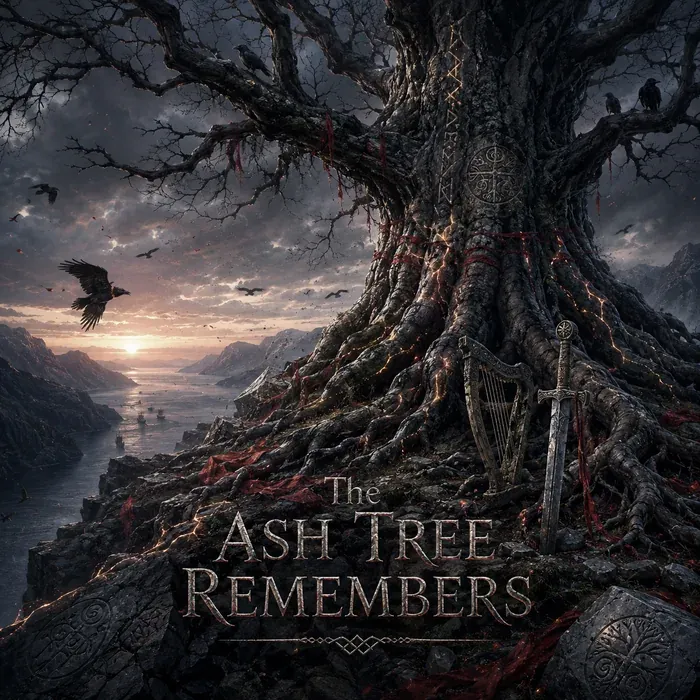
The Ash Tree Remembers
The Ash Tree Remembers is an epic Viking metal journey through Yggdrasil, war, memory, death and renewal, told through crushing riffs and Nordic ritual fires.
Community
Comments...
Read or leave a comment about this album. Comments are provided by Cusdis and load only after you allow the comments feature.
Enable comments to load the discussion from Cusdis.