Melodic Power Metal
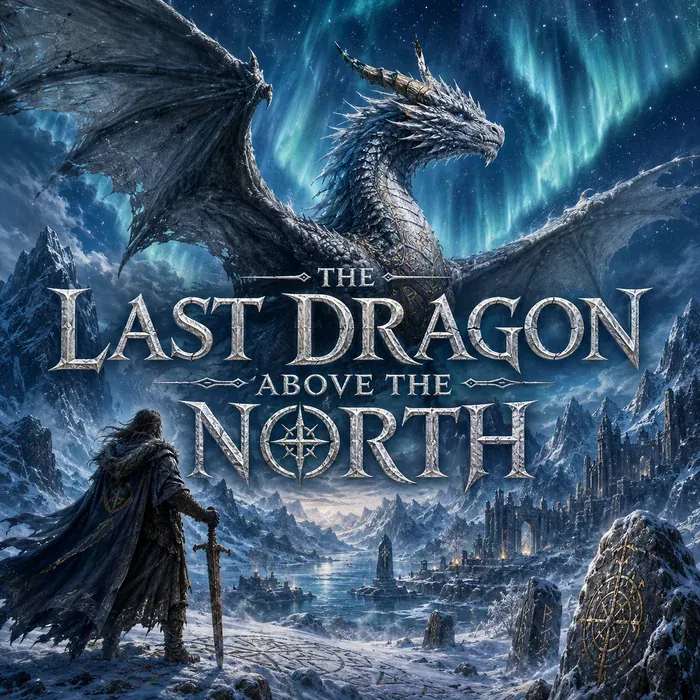
The Last Dragon Above the North
A heroic Nordic power metal saga of dragons, broken oaths, forgotten kings and one chronicler fighting to keep truth alive beneath the northern ice.
Liner Notes
A short editorial read on the album world, sound, and standout moments.
About the Album
The Last Dragon Above the North uses power-metal spectacle to support a story with human stakes. Its world is built from blue ice, ruined chapels, erased chronicles, broken swords and auroras like divine handwriting, yet those images are never decoration. The broken horn belongs to a dragon who survived betrayal. The rusted sword belongs to an order removed from history. The ink beneath the ice belongs to Ivar, a failed chronicler who discovers that recording truth can be more dangerous than wielding a weapon.
That protagonist separates the album from familiar dragon-slayer fantasy. Ivar is not a chosen warrior waiting for destiny. He is a hesitant observer, better with manuscripts than steel, carrying guilt over his disgraced father and fear that courage arrived too late. His journey gives the fourteen-song narrative a believable emotional center. When he moves from uncovering censored records in “The Ink Beneath the Ice” to taking up the Keeper sword in “Rust Beneath the Altar,” the change feels earned. He does not become fearless; he learns to act while fear is speaking.
Musically, the album draws on melodic and symphonic power metal without allowing orchestration to bury the story. Galloping guitars, double-kick momentum, pipe organ, low strings and twin leads form a recognizable spine, while a recurring three-note motif ties the songs to Vaelgrim’s broken horn. The motif changes meaning across the album. Early on, it sounds incomplete and ominous. During “The Broken Horn Awakens,” it expands into memory and accusation. By “Fire No Winter Can Kill,” its direction turns upward, and in the epilogue it receives the missing note. That is musical storytelling rather than thematic branding.
The sequence avoids the usual problem of concept records that confuse continuity with repetition. “Runes Where Ravens Kneel” uses duet voices and nyckelharpa to widen the world, while “The Bell That Broke the Fjord” turns stop-start rhythms and bell strikes into catastrophe. “Wolves in the Council Hall” has the stalking shape of a political thriller, exposing a regime that plans violence, assigns blame and uses public terror as proof of necessity. The slower “My Father’s Blackened Name” refuses easy sainthood: Ivar’s father protected the dragon, but left his son carrying the cost of a lie. The ballad hurts because reconciliation remains imperfect.
At the album’s midpoint, “Beneath the Blue-Ice Mountain” and “The Broken Horn Awakens” deliver the scale expected from symphonic power metal, but revelation matters more than volume. Vaelgrim is not awakened as a convenient weapon. He is the last witness to an agreement the monarchy destroyed, mutilated because he would not support a rewritten past. His rage is justified, but it is not presented as pure or harmless. That complexity keeps the dragon from becoming a mascot and gives his eventual sacrifice force.
The political dimension sharpens in the second half. Burned villages, staged attacks and manufactured fear are not distant lore; they are the machinery of Haldren’s rule. “No Crown Deserves the Truth” centers on a moral confrontation when Ivar is offered his father’s restored honor for one final official lie. There is no battlefield to hide behind, only a pen, a pardon and the temptation to use falsehood for a merciful purpose. His refusal is where the chronicler becomes genuinely heroic.
“The Choir of Fallen Kings” deepens that argument by rejecting simple iconoclasm. The dead rulers admit their betrayal, yet Ivar insists that their roads, harvests and useful laws remain part of the record. History should neither polish rulers into marble nor flatten them into monsters. It should preserve achievement, cowardice, motive and consequence together. This makes the uprising feel less like replacing one myth with another.
The title track brings every musical and narrative thread into one controlled eruption. Vaelgrim’s final flight is huge, fast and tragic, but the song defines what his sacrifice means. He does not die to validate a bloodline, fulfill a prophecy or turn Ivar into a king. He chooses the lives below him and spends his remaining fire sealing the nameless winter. The closing “When Children Draw the Sky” resists an obvious resurrection. Instead, it leaves an archive open, a sword broken on the wall and warmth beneath the ice. Fact remains fact; wonder is allowed a margin.
Recommended if you like: Melodic power metal, Nordic fantasy metal, symphonic concept albums, recurring musical motifs and stories about disputed history.
The Last Dragon Above the North combines familiar genre elements with a story about the control of history. It has speed, melody, choirs, battle scenes, ancient runes and a finale large enough to justify the journey. More importantly, its characters reshape the meaning of those elements. The recurring motifs connect the music to the narrative. Beneath the armor and ice lies an album about who controls history, what truth costs and why legends matter most when they refuse to serve power.
Production Notes
All tracks were generated with AI music models, then processed for the final orchestral sound. No human performance recordings are used.
Full album download
Download the complete album
Get the full ZIP package with tagged audio files, cover artwork, and album metadata.
Support MelodyMind
Help keep the albums coming
If this album was useful or fun to listen to, a small contribution helps cover hosting, tools, and new music experiments.
Join the conversation
Reactions from the web
Mentions, likes, reposts, and replies from IndieWeb and Fediverse-friendly sites can appear here after you allow community features.
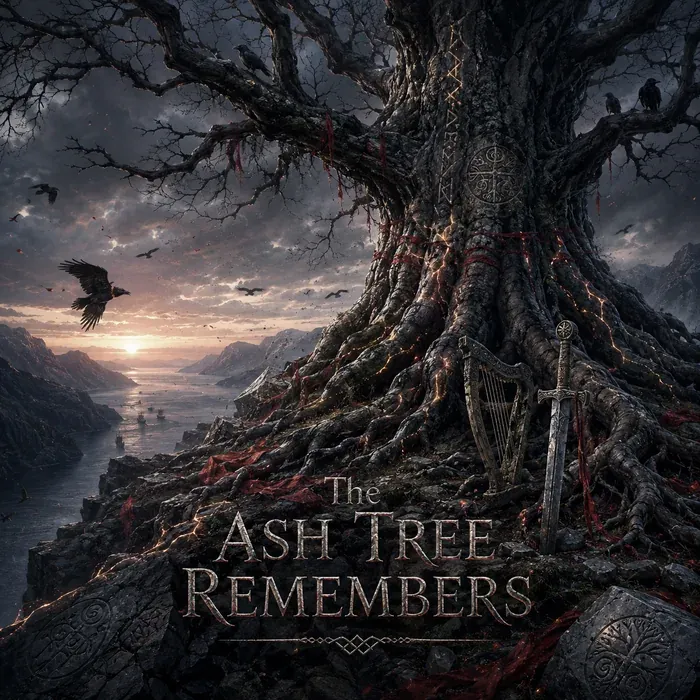
The Ash Tree Remembers
The Ash Tree Remembers is an epic Viking metal journey through Yggdrasil, war, memory, death and renewal, told through crushing riffs and Nordic ritual fires.
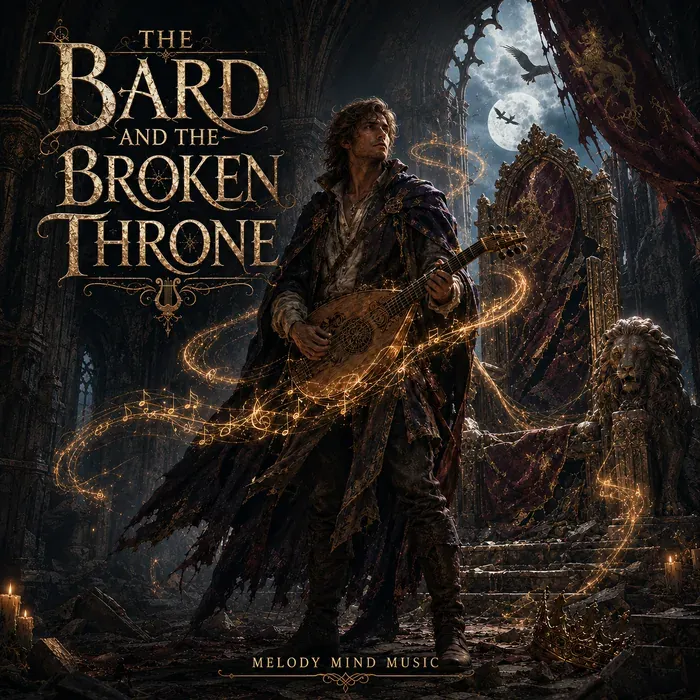
The Bard and the Broken Throne
A bardic fantasy power metal album where songs awaken rebellion, lost bloodlines, broken crowns, and the fight to reclaim Arvandor’s throne.
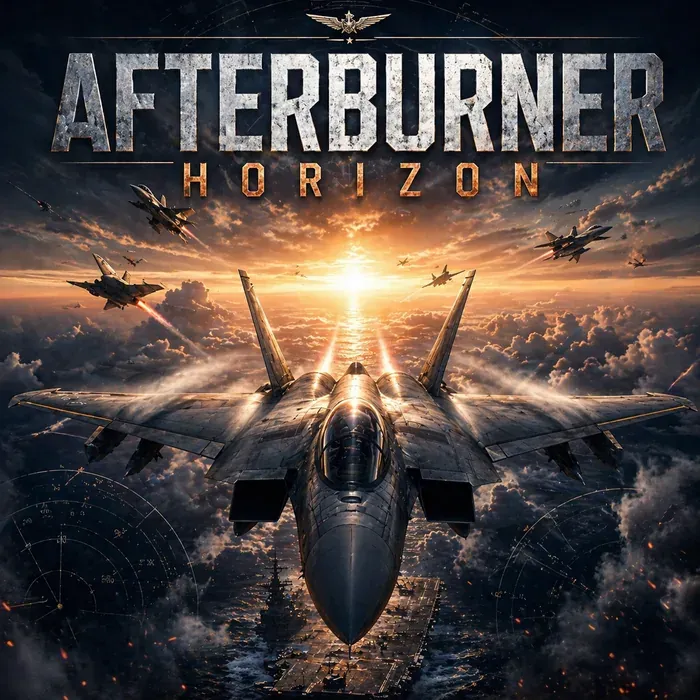
Afterburner Horizon
A taut instrumental aviation score built on brass, strings, and heavy percussion. It favors mission pacing, cockpit pressure, and the uneasy silence after impact over simple action-music spectacle.
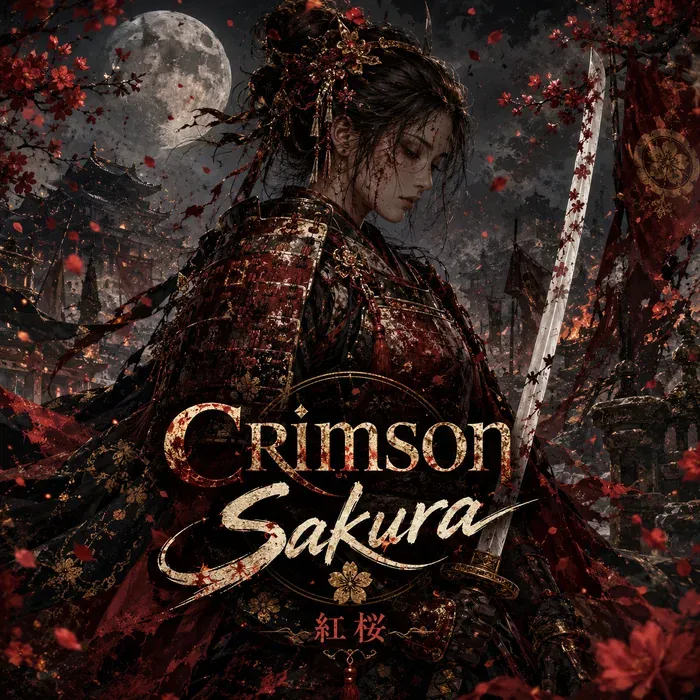
Crimson Sakura
Crimson Sakura is a tragic symphonic J-metal odyssey of war, betrayal, lost love and honor, driven by soaring vocals, fierce riffs and cinematic grief in ash.
Community
Comments ...
Read or leave a comment about this album. Comments are provided by Cusdis and load only after you allow the comments feature.
Enable comments to load the discussion from Cusdis.