

Alternative Rock
The Last Room Standing
A raw live alternative rock album about vanishing music clubs, broken stages, rising rents, and people fighting to keep one vital room alive together tonight.
Liner Notes
A short editorial read on the album world, sound, and standout moments.
About the Album
The Last Room Standing is an album about a disappearing world, but it refuses to treat that world as a museum piece. Set during the final announced concert at The Lantern Room, a fictional independent venue with forty years of history pressed into its walls, the record follows one band as it returns to the room where it first played for fourteen people. Now the club is sold out, the red curtain is worn almost through, the amplifiers are older, and a closure notice hangs over every song. What begins as a farewell show becomes an argument for why small stages still matter, who keeps them alive, and what is lost when cities allow them to vanish.
Musically, the album stays rooted in alternative rock, but its live setting gives the songs physical weight. The guitars are close, rough and slightly overdriven rather than polished into a studio sheen. The bass is melodic and forward, the drums sound like they are bouncing off a low ceiling, and the crowd is not decorative background noise. They interrupt, answer, clap in the wrong places, and eventually take ownership of the final refrain. The result feels captured from inside the room, with cable hum, floor-tom hits, bar noise and the front row only a few feet from the microphones.
“Fourteen in the Room” opens with the band’s first nervous appearance at the club: warm beer, borrowed equipment and a crowd small enough to count by hand. “Red Curtain Rising” turns memory into motion, while “Mo Keeps the Pictures” introduces the bartender who has photographed every band since 1988. Mo remembers unknown openers, future stars and musicians who disappeared from view, treating them as parts of one history rather than ranking them by success.
From there, the album widens its focus. “Quiet After Ten” tackles the contradiction of redevelopment: neighbourhoods advertise themselves through music, then restrict the venues that created that culture. Its clipped rhythms and warning knocks make the curfews feel built into the song. “Red Ink on the Rent” turns bills, repairs and landlord pressure into a grinding groove. The point is clear: venues rarely close because one person stops caring. They close because rising costs become impossible to absorb.
“The Support Band” offers one of the album’s most generous changes of perspective. Sung partly through the eyes of a young opening act, it captures the importance of playing twenty minutes to a half-interested room. A broken monitor, a borrowed lead and one stranger singing back matter more than any promise of future fame. The song makes the album’s central case: artists need places where they can fail in public, adjust and return.
At the centre of the record, “Door 47” and “Sold Above Our Heads” push the story into open conflict. A legal notice confirms that the building has been sold, and the band announces it from the stage. “Sold Above Our Heads” is the album’s most explosive performance, with sudden stops, raw feedback and a power-cut section in which the audience continues without amplification. The moment avoids an easy victory. A crowd can drown out a document for one night, but noise cannot reverse a sale.
The aftermath is restrained. “Names in the Plaster” studies decades of signatures in the dressing room without romanticising fame; famous and forgotten names occupy the same wall. “Nobody Starts in an Arena” follows with the record’s clearest statement: the industry celebrates stadium success while neglecting the rooms where performers first learn to hold an audience. Its chorus is built to be shouted, but the verses stay specific about broken snare heads, empty Tuesday shows, cleaners, engineers and borrowed gear.
The darkest track, “House Lights, Empty Floor,” imagines the venue speaking after everyone has left. Instead of supernatural drama, the song offers the practical memory of a building that knows where the floor dips, which bolt sticks in winter and how silence changes once the crowd has gone. Its turning point is crucial: the room does not ask to be mourned. It asks for keys, accounts, legal help and organised hands.
That request shapes the final stretch. “Keys on the Bar” introduces the possibility of community ownership, avoiding the fantasy of a wealthy rescuer arriving at the last moment. The hope here is administrative as much as emotional: shares, repairs, soundproofing, open accounts and volunteers with real skills. “One Member, One Voice” transforms those details into a collective vote, while admitting that democracy means rota changes, receipts and disagreements after the applause stops.
The title track closes the album with its strongest communal release. “The Last Room Standing” lets the audience take over almost the entire final chorus, but its optimism remains grounded. The sale is real, the roof still leaks, and the cooperative has work ahead. What changes is the number of people willing to carry it. The empty room is no longer simply a symbol of loss. One light remains on, the keys are on the bar, and the next band may still have somewhere to begin.
Recommended if you like: Political punk, post-punk, protest rock, anti-authoritarian lyrics, dystopian concept albums, AI-assisted music projects.
The Last Room Standing is especially rewarding for listeners who value records with a strong sense of place and a story that develops across every track. It is angry without becoming one-note, sentimental without softening the economics behind the crisis, and hopeful without pretending that hope is enough. Independent venues are not minor versions of arenas. They are workshops, meeting places, archives and testing grounds. This album makes their case at full volume.
Production Notes
All tracks were generated with AI music models, then processed for the final orchestral sound. No human performance recordings are used.
Full album download
Download the complete album
Get the full ZIP package with tagged audio files, cover artwork, and album metadata.
Support MelodyMind
Help keep the albums coming
If this album was useful or fun to listen to, a small contribution helps cover hosting, tools, and new music experiments.
Join the conversation
Reactions from the web
Mentions, likes, reposts, and replies from IndieWeb and Fediverse-friendly sites can appear here after you allow community features.
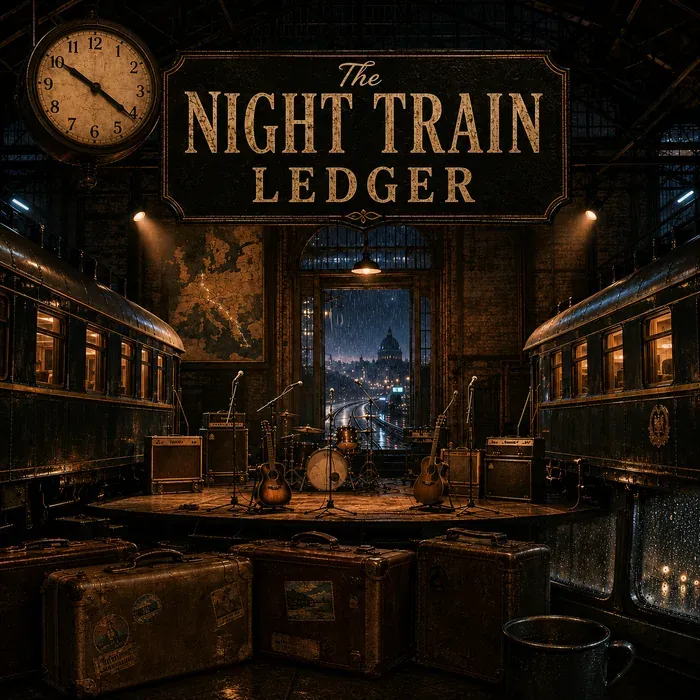
The Night Train Ledger
The Night Train Ledger is a vivid Heartland Rock live album about Europe's night trains, fragile routes, human stories, rain-soaked stations and hope at dawn.
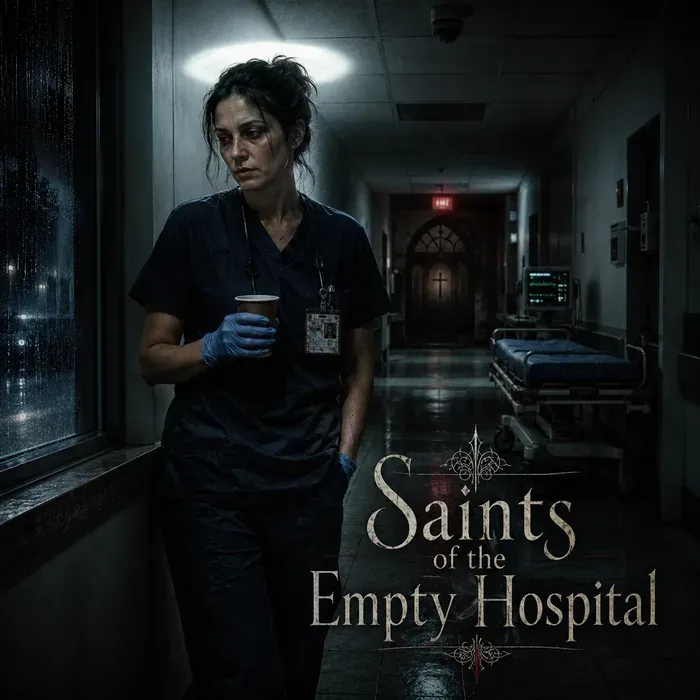
Saints of the Empty Hospital
Saints of the Empty Hospital is a gothic metal requiem for exhausted care workers, lost patients, and a healthcare system stretched beyond its limits tonight.
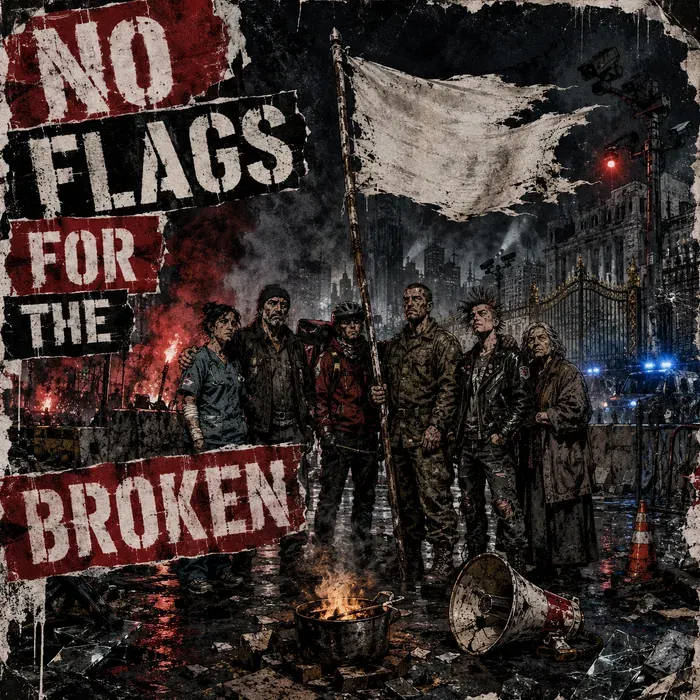
No Flags for the Broken
No Flags for the Broken is a fierce political punk concept album about war, poverty, propaganda and solidarity in a city abandoned by those in power above it.

La Última Serenata
A cinematic mariachi-pop journey through love, pride and regret, told backwards from one final serenade to the first song beneath her balcony at midnight now.
Community
Comments...
Read or leave a comment about this album. Comments are provided by Cusdis and load only after you allow the comments feature.
Enable comments to load the discussion from Cusdis.