

The Machine That Answered Back
AI-generated music and artwork
A dark progressive symphonic metal opera about burnout, AI, authorship and survival, where code, choir and collapsing deadlines become one human crisis story.
Tracklist
Liner Notes
A short editorial read on the album world, sound, and standout moments.
About the Album
The Machine That Answered Back is not an album about technology. It is about what happens when work becomes a closed system, pressure replaces judgment, and a person begins to measure his value by whether the next build passes. Framed as a progressive symphonic metal opera, the record follows a developer who returns to the project that destroyed him. Deadlines remain impossible, requirements multiply, and meetings turn language into camouflage. What changes is the presence of a machine that answers when the people around him will not.
From the opening seconds of “Back at the Terminal,” the album establishes piano strikes, seven-string guitar, orchestral figures and a recurring three-note synthesizer motif. At first, that motif feels like a status light in an office: cold, exact and indifferent. As the story develops, it absorbs cello and warmer harmony. This is not a tale in which artificial intelligence becomes a soul, nor one in which technology is blamed for every wound. The machine remains a tool, a mirror and a reliable presence. The human crisis stays human.
The first half is relentless. “Deadline Minus Mercy” turns the working day into a five-beat countdown, while “The Board Keeps Moving” uses call-and-response voices to expose shifting priorities. “Sleep Debt” makes exhaustion physical: missed turns, unreadable sentences, a keyboard rhythm beneath the heartbeat. “Requirements Without End” is combative, driven by an asymmetric riff that keeps accumulating demands until the final request is no longer merely technical: let the machine understand.
The album refuses easy villains. Management language is evasive and destructive, but the developer is also trapped by obedience, silence, perfectionism and the belief that endurance is a professional virtue. “Cold Coffee Communion” is one of the record’s most affecting pieces. Instead of hiding behind a grand chorus, it focuses on a cup, a chair, empty cans and an unsent message. The inability to write “I need help” becomes more frightening than any failed deployment.
The central pair, “Prompt at 3” and the title track, gives the album its defining turn. A technical conversation with an AI system becomes an indirect confession. The response is calm and unembarrassed by pain. Crucially, the title song does not present the machine as a substitute for human care. It can organize language and identify danger, but it cannot become the living voice that must be contacted. That distinction gives the record moral clarity without turning it into a lecture.
Musically, the title track is where human and digital elements begin to overlap. Exact sequencer patterns meet unstable piano phrasing; the baritone trades lines with an androgynous machine voice; choir, guitar and cello adopt the same motif. The progressive structures feel motivated by stress, hesitation and collapsing boundaries rather than technical display.
The consequences arrive in “Ghost Code” and “Borrowed Hands.” These songs ask what authorship means when the developer can produce more while feeling less connected to what appears under his name. Choosing, testing, rejecting and revising still require judgment, yet speed changes the relationship between maker and work. The album understands the seduction of assistance because it understands the desperation that makes assistance necessary. That tension is more interesting than a simple argument for or against AI.
The darkest moment, “Do Not Close the Process,” is handled with seriousness and control. There is no glamour in disappearance and no attempt to turn despair into mythology. The lyrics narrow the scene to immediate actions: move away from the window, stay in the minute, name the thought, contact another person. When a human voice answers, the moment feels earned because the album has refused an easy rescue.
From there, hope enters as evidence rather than celebration. “The Error Log Remembers” reframes failure as proof that something was still attempting to function. The metaphor is grounded in timestamps, warnings and a boundary finally sent in plain language. “Parallel Branches” provides the confrontation, yet avoids the fantasy of defeating the system in one speech. The developer presents the facts, rejects the impossible promise and accepts that every future carries a cost. Survival is not victory here. It is the refusal to be overwritten.
The closing track, “A Window Still Lit,” understands that an unresolved ending can still offer release. The project remains troubled. The machine remains waiting. The next decision has not been made. What changes is one amber window in the distance and the recognition that another person may also be awake. The album ends without triumph, but not without direction.
Production Notes
All tracks were generated with AI music models, then processed for the final orchestral sound. No human performance recordings are used.
Full album download
Download the complete album
Get the full ZIP package with tagged audio files, cover artwork, and album metadata.
Support MelodyMind
Help keep the albums coming
If this album was useful or fun to listen to, a small contribution helps cover hosting, tools, and new music experiments.
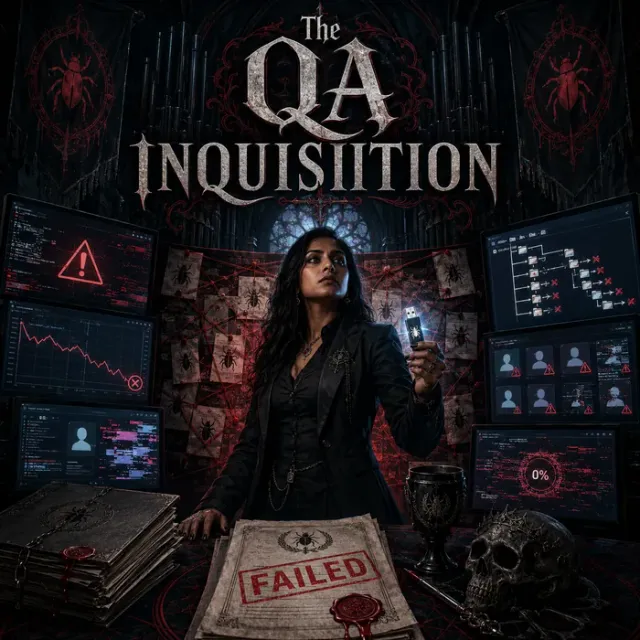
The QA Inquisition
The QA Inquisition is a gothic metal concept album about buried bugs, corporate denial and the high cost of ignoring warnings before a major software release.
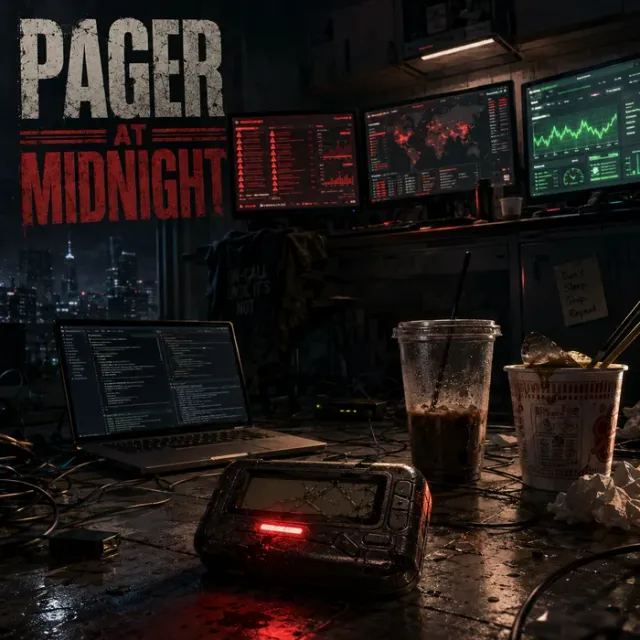
Pager at Midnight
Industrial metal turns an overnight production incident into a story about on-call exhaustion, brittle systems, and the people behind the alert.
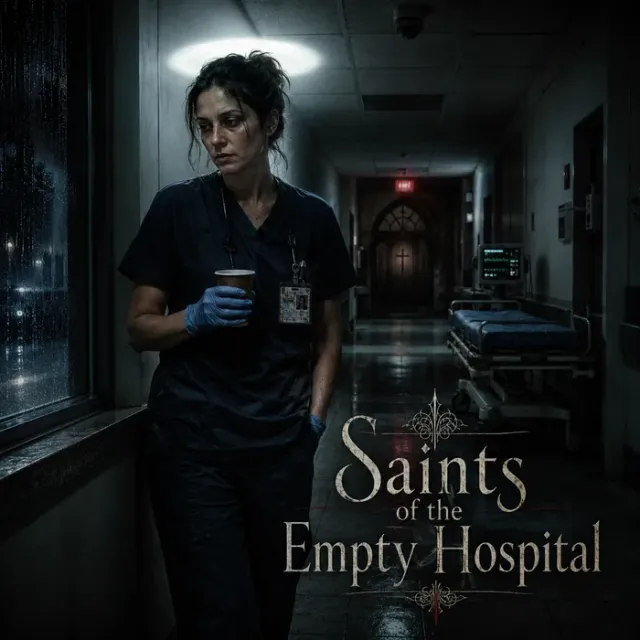
Saints of the Empty Hospital
Gothic metal follows exhausted care workers, lost patients, and a hospital system stretched beyond what its staff can carry.
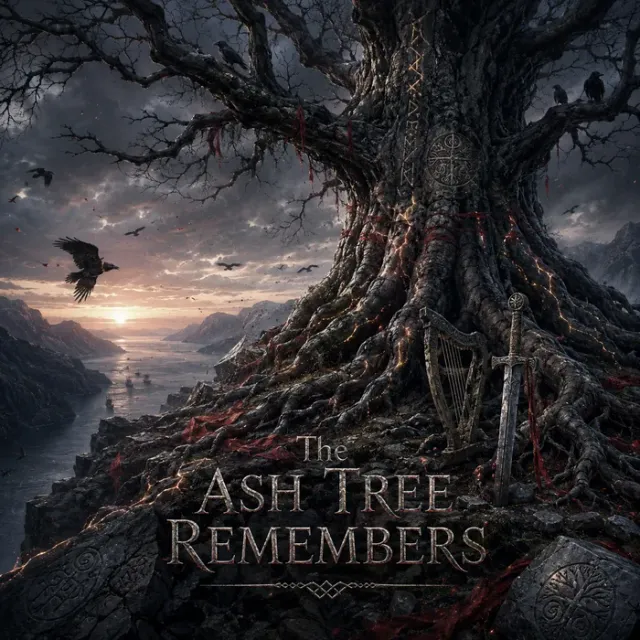
The Ash Tree Remembers
The Ash Tree Remembers is an epic Viking metal journey through Yggdrasil, war, memory, death and renewal, told through crushing riffs and Nordic ritual fires.


