


A gothic metal opera about a buried queen, a stolen crown, and the fire that exposes a kingdom's official history.
Tracklist
Liner Notes
A short editorial read on the album world, sound, and standout moments.
About the Album
The Queen Beneath the Cathedral is not simply a gothic metal album with a cathedral on the cover. It feels more like opening a sealed crypt and discovering that the walls have been singing for centuries. Built as a full concept album, it follows a forgotten queen who was betrayed by church and nobility, buried beneath the foundations of a vast cathedral, and transformed into something far greater — and far lonelier — than a ruler. She is no longer entirely alive, but she is not dead either. She is guardian, prisoner, witness and warning.
Musically, the album lives in the grand tradition of female-fronted symphonic metal, gothic metal and dark opera metal. Its world is made of heavy guitars, solemn orchestral movements, cathedral choirs, pipe organ shadows, dramatic strings and a commanding female vocal presence that carries both grief and authority. There is a clear sense of theatre here, but it never feels hollow. The songs are built around story, atmosphere and emotional escalation rather than simple spectacle. The result is an album that feels cinematic without losing its metal core.
The opening track, “Bells Beneath the Stone,” immediately sets the tone. The bells do not ring from above, but from below — a clever reversal that defines the whole album. The sacred space is no longer pure, the buried world is no longer silent, and something ancient has started to move beneath the marble. From there, the title track, “The Queen Beneath the Cathedral,” gives the album its central figure in full force: regal, wounded, terrifying and deeply human. She is not presented as a simple avenger, but as someone who has endured the slow violence of history itself.
One of the album’s strengths is how carefully it balances grandeur with intimacy. “Crown of Dust and Holy Fire” looks back at the queen’s coronation and turns the ceremony into a tragedy. What should have been a moment of glory becomes the beginning of betrayal. “Seven Candles for a Dead Kingdom” then slows the pace and lets the emotional weight settle. It is one of the most mournful chapters of the record, a gothic power ballad that gives the fallen kingdom faces, memories and names. Instead of treating the lost realm as background lore, the album makes its absence feel personal.
At the same time, The Queen Beneath the Cathedral never becomes a blunt manifesto. Its protest is wrapped in myth, ritual and dark beauty. “Under Marble Wings” is a quiet descent into sorrow, showing the queen not as a fantasy icon but as a woman who has lost her human life. “The Crypt Where Roses Sleep” expands the mythology beautifully, revealing the loyal dead who have waited with her in silence. These songs make the album feel less like a collection of tracks and more like a procession through hidden chambers, each one revealing another emotional layer.
The second half moves from memory into uprising. “Rise, My Forgotten Throne” is the kind of grand battle anthem a symphonic metal album needs: huge, dramatic and built for a massive chorus. But it is followed by “Oath of the Hollow Crown,” which complicates the triumph. The queen’s return is not freedom. Her crown is hollow because power always has a cost. She can reclaim the throne, but she cannot simply return to being mortal, innocent or whole. This gives the album a tragic dignity that keeps it from becoming predictable.
By the time “Cathedral of Ashes” arrives, the record has reached full apocalyptic scale. The burning cathedral reveals the lie beneath the visual drama. The lie burns so the buried truth can be seen. Then “The Reliquary of Stars” introduces the deeper reason for the queen’s imprisonment: she was guarding an ancient force that could either save or destroy the world. This twist gives the concept a strong final dimension. The queen was betrayed not because she was evil, but because others feared what they did not understand and wanted to control what they could not carry.
The final two tracks bring the album to a powerful close. “The Last Mass of Midnight” is operatic, theatrical and judgmental in the best possible way, staging the confrontation like a black mass turned inside out. The living, the dead, the church and the queen all meet under one collapsing roof. Then “When the Dead Queen Sings” ends the album not with easy victory, but with a bittersweet act of sacrifice. She saves the world above, but remains below. Her voice becomes both blessing and warning.
Production Notes
All tracks were generated with AI music models, then processed for the final sound. No human performance recordings are used.
Full album download
Download the complete album
Get the full ZIP package with tagged audio files, cover artwork, and album metadata.
Support MelodyMind
Help keep the albums coming
If this album was useful or fun to listen to, a small contribution helps cover hosting, tools, and new music experiments.
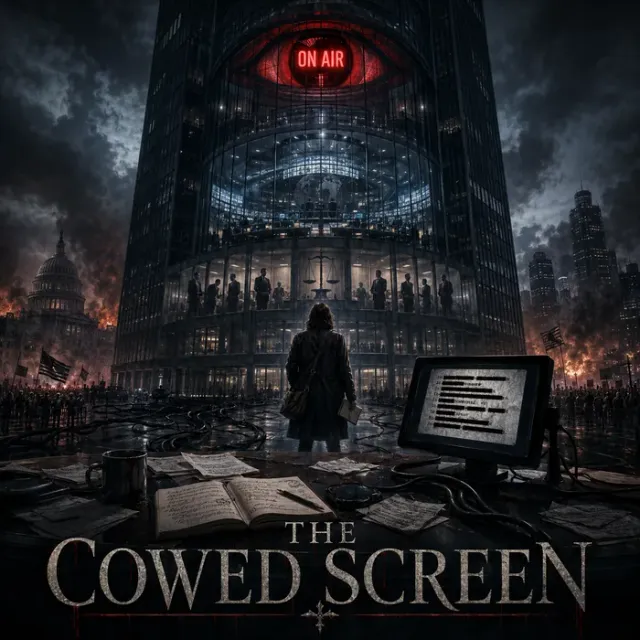
The Cowed Screen
The Cowed Screen is a dark symphonic metal opera about censored newsrooms, political fear, corporate power and the fight to keep truth on air, before it dies.
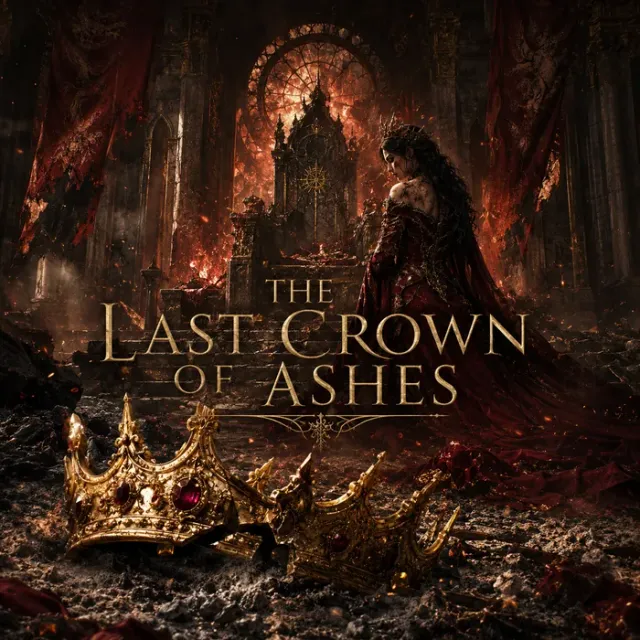
The Last Crown of Ashes
A tragic symphonic metal opera about a doomed queen, betrayal, forbidden love and a crown surrendered to save a kingdom from ashes.
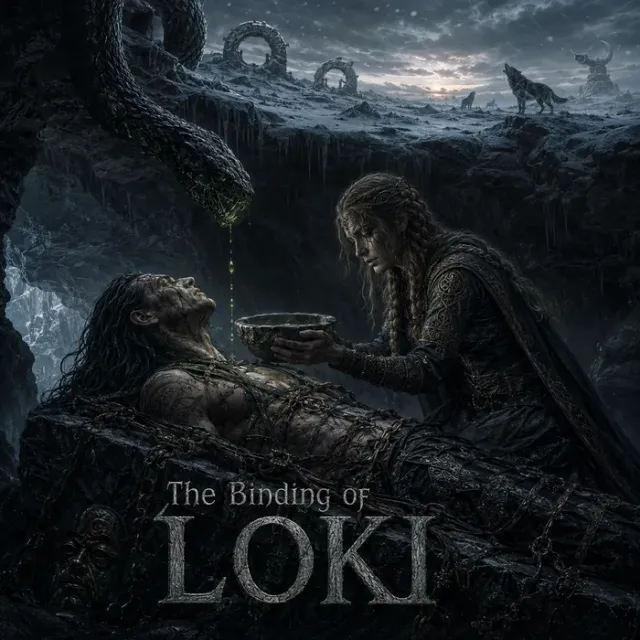
The Binding of Loki
The Binding of Loki is a frostbitten Blackened Viking Metal album of venom, broken oaths, Sigyn’s vigil and Fimbulwinter’s first roar. A grim Norse reckoning.
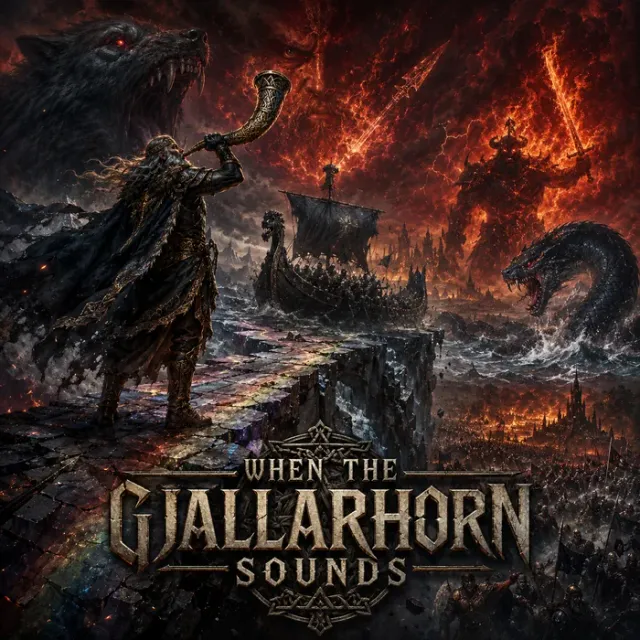
When the Gjallarhorn Sounds
A symphonic Viking metal requiem for Ragnarök, gods fall, monsters rise, and the last horn calls nine worlds toward silence, fire and a world without victors.


