

Conscious Hip-Hop
The Rent Is Due
The Rent Is Due turns housing crisis, rising rents and displacement into vivid conscious hip-hop, sharp storytelling and intense human drama across 14 tracks.
Liner Notes
A short editorial read on the album world, sound, and standout moments.
About the Album
The Rent Is Due is a conscious hip-hop concept album built around one question: who is a city really for? Melody Mind Music follows the residents of 117 Calder Street as rising rents, neglected repairs and speculative investment turn an apartment block into contested ground. The result is not a collection of slogans laid over beats. It is a neighbourhood drama told through doors, receipts, stairwells, bus routes, moving boxes and the small objects people cling to when everything around them is being priced away.
The album opens with “Grey Stairwell,” where radiator knocks, damaged nameplates and a child’s blue bicycle establish Calder Street as a living organism. The production is rooted in conscious hip-hop and organic boom bap: dry drums, upright bass, Rhodes piano, clipped guitar and articulate vocals. Nothing is softened into nostalgia. The building is worn, the residents are tired, and the pressure arrives in ordinary form—a letter pushed beneath a door. That restraint gives the story credibility. The crisis begins with a number.
“Thirty Days” turns household budgeting into rhythmic tension, tracing how wages vanish through rent, food, transport, medicine and fees. “The Last Kiosk” widens the lens, showing how gentrification removes more than affordable housing. Rafi’s corner shop is a credit system, parcel desk, spare-key holder and meeting place. When it closes, the neighbourhood loses infrastructure that no luxury café can replace. Muted trumpet, brushed drums and conversational storytelling make the track feel warm without romanticising what is happening.
“Open House” adopts the language of investors and property agents. Families become “occupant load,” eviction becomes “upgrade mode,” and history is scrubbed from walls so that “authentic” brickwork can be sold back at a premium. The satire is cold because the vocabulary is believable. The song understands that displacement is often hidden behind polite language, risk models and clean presentations rather than openly declared cruelty.
At the album’s centre, “Three Jobs, One Key” gives the narrator’s mother the microphone. Her three shifts—as cleaner, hospital worker and shop employee—are mapped against the single apartment key she is struggling to keep. The slower 6/8 rhythm gives her words room to land, while the lyrics refuse to turn her into either a saint or a helpless victim. She is exhausted, proud, observant and politically clear. Her labour keeps the city functioning, yet the same city treats her home as an asset waiting to be “freed.”
The tension breaks open in “Notice on Every Door,” the record’s mid-album climax. Identical ninety-day notices appear across all seven floors, transforming private fear into a collective emergency. The beat grows heavier, the voices multiply, and the story moves rapidly from apartment to apartment: an elderly tenant, a pregnant resident, a man dependent on oxygen, a mother facing television cameras, and a narrator tempted by a confidential relocation offer. The track is urgent because it recognises that solidarity is not automatic. People under pressure can be divided, bought off or worn down.
The second half deals with the consequences. “Laundry Light” views the crisis through a child who hears adults describe the market as though it were weather, then asks the crucial question: if somebody signed the notice and somebody profited, how can anyone pretend that nobody chose this? “No Place to Go” moves through mouldy basements, application fees, borrowed floors and night buses, revealing hidden forms of homelessness that rarely appear in official counts. “Forty Years Gone” is the album’s quietest wound, following Mr. Alvarez as four decades of memory are compressed into six cardboard boxes and a shopping bag.
From there, The Rent Is Due shifts from endurance to organisation. “We Keep the Keys” is practical rather than heroic: residents photocopy leases, document neglected repairs, build a phone tree, share food and challenge Northline’s tactics. “Whose City?” delivers the confrontation, but avoids the easy fantasy of permanent victory. Trucks reverse, a temporary stay is won, and the council is forced to listen, yet the struggle remains unresolved. That realism strengthens the finale. Change appears as paperwork, childcare, legal knowledge, public pressure and people refusing to disappear one household at a time.
The closing title track gathers the album’s central images—the kiosk bell, the broken brass plate, the blue bicycle, the radiator and the apartment keys—and gives them new meaning. “The Rent Is Due” is no longer only a demand made by a landlord. It becomes a bill presented to the city itself: for the hours worked, the communities scattered and the lives treated as obstacles to investment. The final line does not promise that Calder Street has been saved forever. It insists that the people who build, clean, feed and move a city have a claim on its future.
Recommended if you like political punk, post-punk, protest rock, anti-authoritarian lyrics, dystopian concept albums and AI-assisted music projects, The Rent Is Due carries the moral force of protest music into a detailed boom-bap narrative. It is deeply rewarding for listeners who want concept albums with recurring characters, concrete settings and consequences that continue carefully from track to track.
This is an album worth hearing from beginning to end. Its anger is earned, its empathy is specific, and its strongest moments come from recognising that housing statistics are attached to names, routines and rooms. The Rent Is Due does not merely describe a crisis. It invites the listener into the stairwell, closes the door behind them and asks what they are prepared to hear.
Production Notes
All tracks were generated with AI music models, then processed for the final orchestral sound. No human performance recordings are used.
Full album download
Download the complete album
Get the full ZIP package with tagged audio files, cover artwork, and album metadata.
Support MelodyMind
Help keep the albums coming
If this album was useful or fun to listen to, a small contribution helps cover hosting, tools, and new music experiments.
Join the conversation
Reactions from the web
Mentions, likes, reposts, and replies from IndieWeb and Fediverse-friendly sites can appear here after you allow community features.
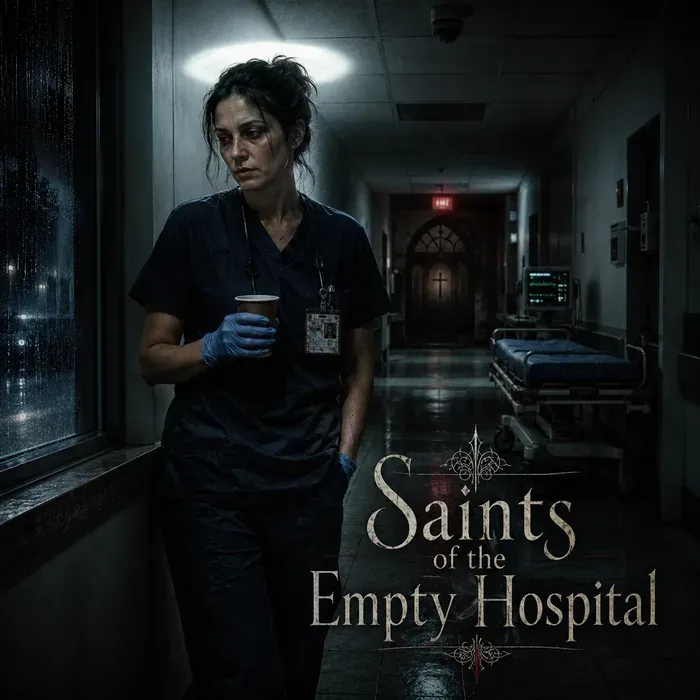
Saints of the Empty Hospital
Saints of the Empty Hospital is a gothic metal requiem for exhausted care workers, lost patients, and a healthcare system stretched beyond its limits tonight.
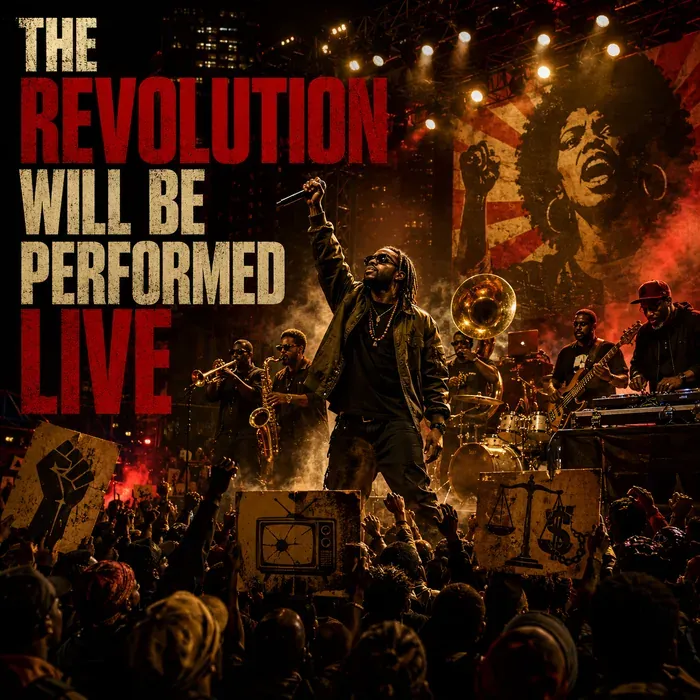
The Revolution Will Be Performed Live
A live protest rap-funk album with brass, soul, sharp lyrics and crowd energy, built for fans of political punk, protest rock and dystopian concepts.

A Republic of Many Bloods
A fierce symphonic metal opera about America’s buried histories, broken myths and unfinished fight for a plural, honest democracy. Hear it now, in full today.

Oligarchs at the Inauguration
A dark symphonic industrial metal opera about oligarchs, media power and democracy under siege—grand, furious, theatrical and disturbingly timely for America.
Community
Comments...
Read or leave a comment about this album. Comments are provided by Cusdis and load only after you allow the comments feature.
Enable comments to load the discussion from Cusdis.