


A melancholic neo-classical piano album about memory, grief, old rooms, family ghosts, and returning to a childhood home frozen in time.
Tracklist
Liner Notes
A short editorial read on the album world, sound, and standout moments.
About the Album
The Room Where Time Stopped is an intimate neo-classical piano concept album about memory, absence, and the strange emotional gravity of returning to the place where childhood still seems to be waiting. Built around felt piano, restrained chamber strings, quiet cello motifs, rainlit ambience, and the subtle noises of an old house, the album unfolds like a slow walk through rooms that have not forgotten anything. It is cinematic without becoming oversized, melancholic without collapsing into sentimentality, and deeply personal in the way only quiet music can be.
The premise is simple, but powerful: after many years away, someone returns to the house where they grew up. Nothing has changed in any obvious way. Dust still gathers in the corners. Pale curtains move in a draft. Rain runs down the glass. A grand piano stands near the window, its sheet music still open as if someone only stepped away for a moment. But the stillness is deceptive. Every object seems to hold a message: a brass key beneath the floorboards, faded photographs with faces almost erased by time, unsent letters tied with ribbon, a chair beside the window, a cracked porcelain cup, and a small drawer containing a photograph that changes the emotional meaning of the house.
Musically, the album lives in the same fragile territory as Max Richter, Ólafur Arnalds, Ludovico Einaudi, Hildur Guðnadóttir, and Nils Frahm, but it does not simply imitate their language. Its strength lies in patience. The piano is not treated as a vehicle for virtuosity, but as a memory-bearing object. You hear the weight of the room around it: soft pedal movement, close-mic key noise, lingering reverb, the sense of wood, paper, rain, and breath. The melodies are clear enough to stay with you, but never forced into easy emotional conclusions. They appear, disappear, return altered, and sometimes seem to hesitate before saying what they mean.
Across its fourteen tracks, The Room Where Time Stopped behaves less like a playlist and more like a chamber score for an unwritten film. The opening track introduces the central house motif: a small, vulnerable piano figure that feels almost too private to be performed. From there, the album moves through discoveries and disturbances. “Brass Key Beneath the Floorboards” adds a cautious pulse, suggesting that the house has begun to answer back. “The Piano Beside the Rain-Streaked Window” brings the instrument into full emotional focus, letting the forgotten melody breathe in the grey-blue light. “Photographs Without Faces” blurs the harmony, as if memory itself were losing resolution.
The middle of the album darkens beautifully. “Rain Inside the Walls” and “The Locked Door at Midnight” introduce a deeper tension, not in the language of horror, but in the more unsettling language of unresolved family silence. Low cello drones, tremolo strings, and restrained ambient textures suggest that the house is no longer only a setting; it has become a map of everything the protagonist avoided. The eighth track functions as the first major emotional peak, where the closed upstairs door becomes both a literal threshold and a psychological one.
The child-self is handled with unusual restraint. There is no melodramatic apparition, no obvious ghost story gesture. Instead, the younger version of the protagonist appears through musical traces: a small motif reduced to a few notes, a remembered lullaby with no words, a faint wordless hum buried in the texture, a handprint in dust. This restraint gives the album its emotional credibility. It understands that the past rarely returns as a speech. More often, it returns as a smell, a chord, a room temperature, a photograph, or the sound of a floorboard at night.
The later tracks move toward recognition rather than simple resolution. “The Drawer That Changed Everything” brings a darker revelation, giving the album its most sorrowful turn. “Floorboards at Night” pushes the score into anxious motion, with muted piano pulses and wooden percussion-like textures suggesting footsteps, memory, or guilt. But “Sheet Music Left Open” begins the slow act of repair. The house motif and the child-memory motif start to belong to the same emotional world. What once sounded like a wound begins to sound like a message.
By the time the album reaches “The Room at the End of the Hallway,” its finale, the main themes return in fuller form: piano, cello, chamber strings, and soft wordless choir texture gathered into one cathartic but still restrained statement. The track does not try to erase grief. It lets grief stand in the room and be recognized. That is the album’s quiet achievement: it does not confuse healing with forgetting. The final piece, “When the Clocks Began Again,” offers the gentlest possible release. A clock starts ticking. The piano returns to its simplest shape. The house remains, but it no longer holds time hostage.
Production Notes
All tracks were generated with AI music models, then processed for the final sound. No human performance recordings are used.
Full album download
Download the complete album
Get the full ZIP package with tagged audio files, cover artwork, and album metadata.
Support MelodyMind
Help keep the albums coming
If this album was useful or fun to listen to, a small contribution helps cover hosting, tools, and new music experiments.
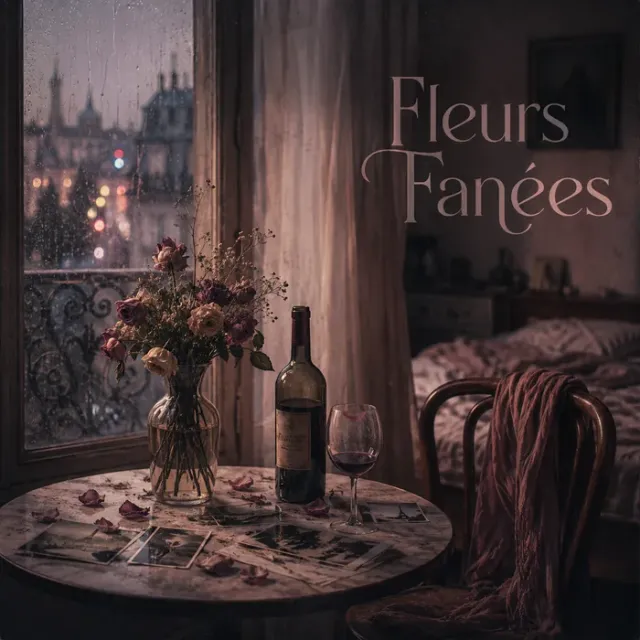
Fleurs Fanées
Fleurs Fanées is a melancholic French dream pop album of lost love, quiet depression, rainlit memories, and the slow return to the self, softly told at night.
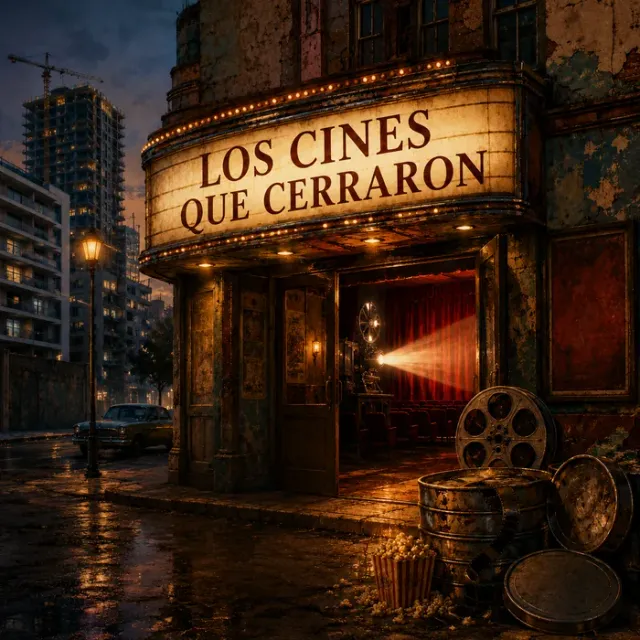
Los Cines Que Cerraron
A neighborhood cinema becomes the setting for love, memory, and resistance in a Latin pop album about a city losing its shared rooms.

Azúcar y Ceniza
Afro-Cuban jazz, bolero, and nocturnal soul frame a breakup story told through letters, photographs, and the Havana waterfront.
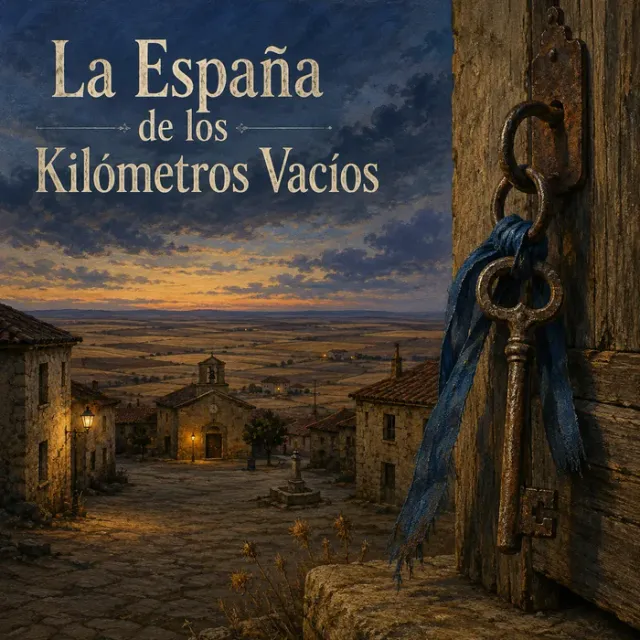
La España de los Kilómetros Vacíos
La España de los Kilómetros Vacíos explores rural loss, memory and renewal through Spanish alternative folk rock, vivid characters, and intimate storytelling.


