

The Sound Beyond the System
AI-generated music and artwork
Symphonic metal follows recovery from workplace burnout as an AI-assisted music project gives its creator a life beyond the system.
Tracklist
Liner Notes
A short editorial read on the album world, sound, and standout moments.
About the Album
The Sound Beyond the System closes Melody Mind Music’s trilogy not with a revolution, a resignation, or a convenient cure, but with something more believable: a person reclaiming the right to exist beyond his job. Where the earlier chapters examined institutional pressure, exhaustion, and the strange comfort of a machine that could answer when human structures would not, this final album turns toward music as a private means of recovery. It is a symphonic metal opera about creativity returning in small, stubborn increments.
The protagonist is the same developer who survived the first two records, but survival has changed him. His workplace remains imperfect, the project remains compromised, and the memories of collapse have not disappeared. The opening tracks understand that recovery rarely arrives with fanfare. “Residual Current” begins with a three-note piano figure, muted guitars, and the image of a cursor blinking through another early morning. The song does not pretend that hope has already won. Instead, it locates a faint inner current beneath routine, fatigue, and professional fear. That restraint gives the album credibility from its first minutes.
From there, the record gradually opens its windows. “A Room After Hours” introduces the private music project that becomes the album’s emotional centre: notebooks filled with album ideas, playlists arranged by weather and memory, forgotten records recovered from old folders, and questions sent to an AI assistant late at night. Crucially, the machine is never presented as the source of feeling. On “The Muse in the Circuit,” it becomes a lantern rather than an author—useful for mapping genres, tracing connections, and opening doors, but incapable of supplying the memory that makes a chord matter. That distinction gives the album one of its strongest themes: technology can support imagination without owning it.
Musically, The Sound Beyond the System retains the orchestra, choir, progressive structures, expressive piano, and heavy guitars of its predecessors, yet the palette has changed. Dark motifs return in warmer harmonies. Cold electronic pulses are absorbed by strings and human humming. Odd meters no longer exist only to convey instability; on “Maps Made of Sound,” a playful five-beat groove suggests curiosity and creative organisation. “Monday in Headphones” turns the rhythm of a commuter train into a forward-moving melodic metal song, while “Coffee Machine Choir” replaces monumental drama with Hammond organ, conversational vocals, and the warmth of colleagues discovering one another through shared music.
That shift in scale is essential. This is not an album that mistakes healing for spectacle. Its most affecting scenes involve a playlist link placed hesitantly in a team chat, a colleague saving a track, a short conversation beside a coffee machine, sunlight reaching across a desk, or an honest sentence left in a review document. The mid-album climax, “Sent to the Room,” works because the response is not exaggerated. There is no sudden popularity, only brief messages of genuine appreciation. For someone accustomed to being valued primarily as a technical problem-solver, being recognised for taste, care, and emotional intelligence becomes transformative.
The final act returns to workplace tension with greater force. “The Quiet Review” revives the original minor-key piano motif and places the listener in a frosted-glass meeting room where neutral language feels dangerous. “A Man Made of Metrics” is the album’s hardest-edged confrontation, built from angular guitar, aggressive cello, and an inner voice determined to reduce a human life to tickets, ratings, defects, and delivery statistics. It is followed by “Say It Plain,” where distortion is withheld until the final chorus and the protagonist decides to speak without the protective vocabulary of corporate performance.
The payoff arrives in “More Than the Work,” a multipart finale that avoids turning the team lead into either villain or saviour. The conversation is calm, credible, and limited in what it can repair. Positive feedback does not erase the past, but it corrects one destructive belief: the developer was not invisible, and his value was never confined to a dashboard. Orchestra, machine pulse, piano, and twin guitars finally combine, not because every conflict has been solved, but because the different parts of his life can now coexist without one consuming the rest.
The closing title track gathers the trilogy’s musical language into a mature epilogue. The system theme, the machine motif, and the recovered human melody resolve together as the protagonist looks toward a city at sunrise. He is not restored to an earlier version of himself. He is becoming someone more aware of limits, more willing to speak, and more capable of finding meaning in creation, friendship, and unfinished plans. That is a more compelling ending than uncomplicated victory.
Production Notes
All tracks were generated with AI music models, then processed for the final orchestral sound. No human performance recordings are used.
Full album download
Download the complete album
Get the full ZIP package with tagged audio files, cover artwork, and album metadata.
Support MelodyMind
Help keep the albums coming
If this album was useful or fun to listen to, a small contribution helps cover hosting, tools, and new music experiments.

Mandate for the Machine
A dark symphonic metal opera about Project 2025, executive power and democracy under pressure—cold, theatrical and fiercely anti-authoritarian over 14 tracks.
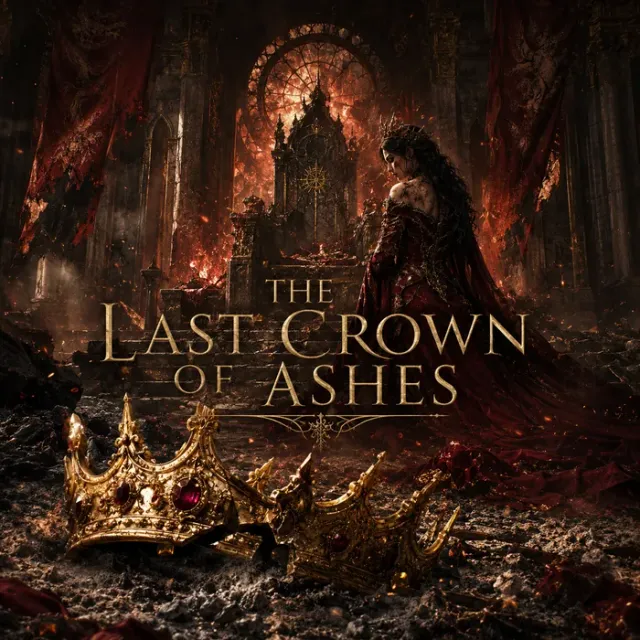
The Last Crown of Ashes
A tragic symphonic metal opera about a doomed queen, betrayal, forbidden love and a crown surrendered to save a kingdom from ashes.
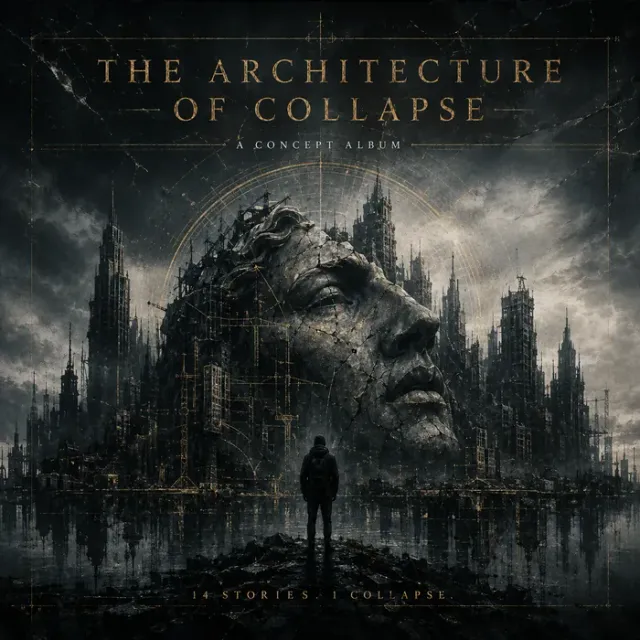
The Architecture of Collapse
The Architecture of Collapse is a dark symphonic metal opera about broken systems, burnout, rage, and one developer losing himself inside the machine at work.
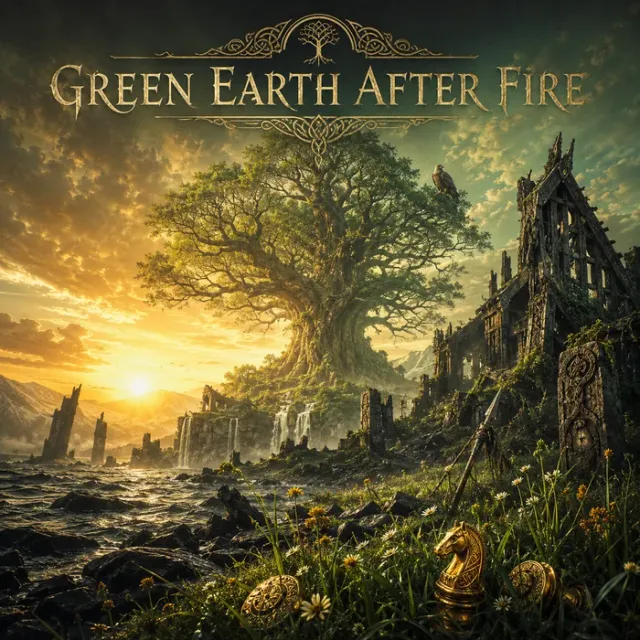
Green Earth After Fire
A Nordic folk Viking metal journey beyond Ragnarök, where gods and humans face memory, forgiveness, power, and the fragile promise of renewal. After the fire.


