


Fantasy folk rock and medieval metal gather five travelers in a tavern while a dark portal turns their final night into a shared quest.
Tracklist
Liner Notes
A short editorial read on the album world, sound, and standout moments.
About the Album
The Tavern at World’s End is a fantasy folk rock and medieval tavern metal concept album built around one of the oldest and most irresistible musical promises: step inside, take a seat by the fire, and listen, because the night is about to become larger than the world outside.
At first, the album feels welcoming. You can almost hear the scrape of wooden chairs, the crackle of the hearth, the laughter of strangers who have not yet realized they are becoming companions. The opening tracks lean into that warmth: mandolins, fiddles, hand drums, rough-hewn choruses and the kind of melodic hooks that sound as if they have been sung across ale-stained tables for centuries. The music carries narrative clues from the beginning: something is moving under the floorboards. The tavern is alive with secrets, and every cheerful refrain carries the faint shadow of a door that should have stayed closed.
The story follows five classic adventuring figures — a broken paladin, a sharp-tongued bard, an old dwarven warrior, a young mage and a silent thief — but the album gives them more than familiar fantasy roles. Each one arrives damaged, guarded or unfinished. The paladin is not a shining hero, but a man still haunted by the battle he survived. The bard hides warnings inside jokes. The dwarf knows the sound of ancient stone better than he trusts the sound of laughter. The mage carries fire like a gift and a burden. The thief, perhaps the quietest of them all, becomes the one who finds the truth beneath everyone’s feet. That emotional grounding keeps the record persuasive: the fantasy is big, but the wounds feel human.
Musically, The Tavern at World’s End sits in a rich space between medieval folk storytelling, rock-driven tavern hymns and increasingly epic metal drama. Early songs such as “The Tavern at World’s End” and “The Bard with the Silver Tongue” invite the listener into a world of clapping rhythms, singalong refrains and lively acoustic textures. As the album progresses, the arrangements darken and widen. “Beneath the Dancing Floor” opens the hidden architecture of the story, while “Through the Door of Nine Moons” pushes the sound into full quest mode, with heavier guitars, larger drums and a more cinematic sense of motion. By the time “The Black Sun Under Stone” and “Last Call Before the Abyss” arrive, the warmth of the tavern has become something worth fighting for.
The album builds its appeal through steady escalation. It does not rush toward spectacle. It lets the listener settle into the tavern first, meet the characters, feel the glow of the room and learn the rhythm of the place. Then, slowly, the floor begins to tremble. That progression gives the final songs real weight. The climactic battle seals the portal by defending a fragile refuge where lost people can become more than their failures. The tavern becomes a symbol of shelter, chosen family and stubborn light at the edge of collapse.
The choruses are a major strength of the album concept. They are written to be memorable, communal and performance-ready, the kind of refrains that suit both a fantasy campaign montage and a crowded festival tent. “Oath of the Five” works like the emotional center of the record: heroic without becoming hollow, grand without losing the rough tavern soul that defines the album. “When the Hearth Burns Forever” then closes the journey with the right mixture of triumph and melancholy. The danger has passed, but the characters do not simply return unchanged. They carry the tavern with them, and the listener does too.
The production world suggested by the album is vivid: fiddle lines cutting through smoky air, hurdy-gurdy drones grinding beneath heavy guitars, flutes rising like sparks, drums that move from tavern stomps to battlefield thunder, and choruses built for voices joining together. It never needs to sound polished into sterility. Its charm lies in the impression of wood, iron, fire and breath. The songs should feel lived-in, as though every instrument has been carried across a long road before reaching the hearth.
The Tavern at World’s End draws its power from fellowship rather than dragons, portals, or ancient evil alone. Adventure and danger matter because the five travelers gradually choose to defend one another. Heard in sequence, each track opens another chapter, room, or secret passage before the final ember fades.
Production Notes
All tracks were generated with AI music models, then processed for the final sound. No human performance recordings are used.
Full album download
Download the complete album
Get the full ZIP package with tagged audio files, cover artwork, and album metadata.
Support MelodyMind
Help keep the albums coming
If this album was useful or fun to listen to, a small contribution helps cover hosting, tools, and new music experiments.
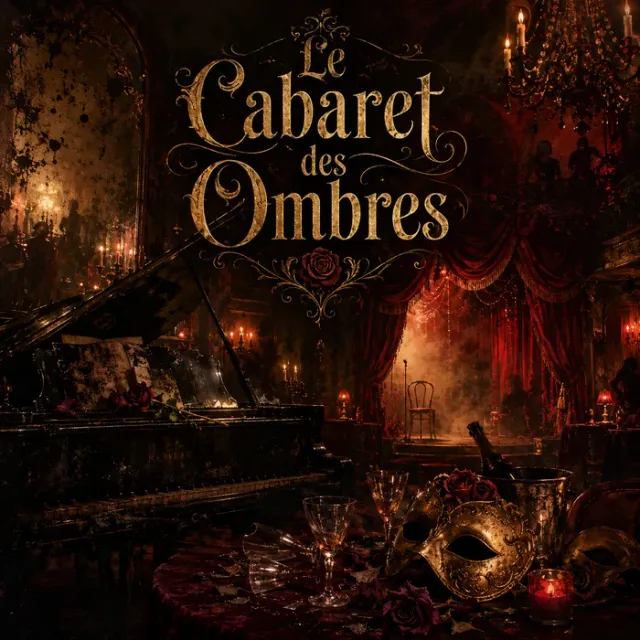
Le Cabaret des Ombres
A dark cabaret concept album of velvet, secrets and lost souls, where Parisian glamour turns into gothic theatre, betrayal and haunting chansons.
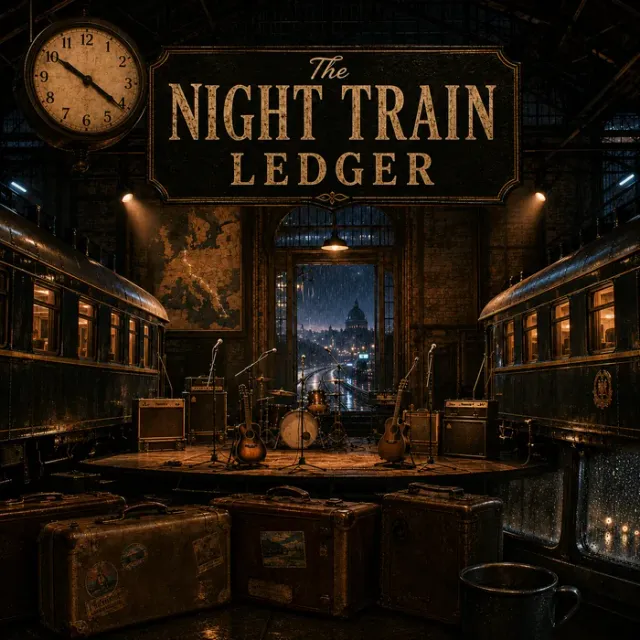
The Night Train Ledger
Heartland rock turns an overnight train from Berlin to Trieste into a shared story of work, regret, failing infrastructure, and connection between strangers.
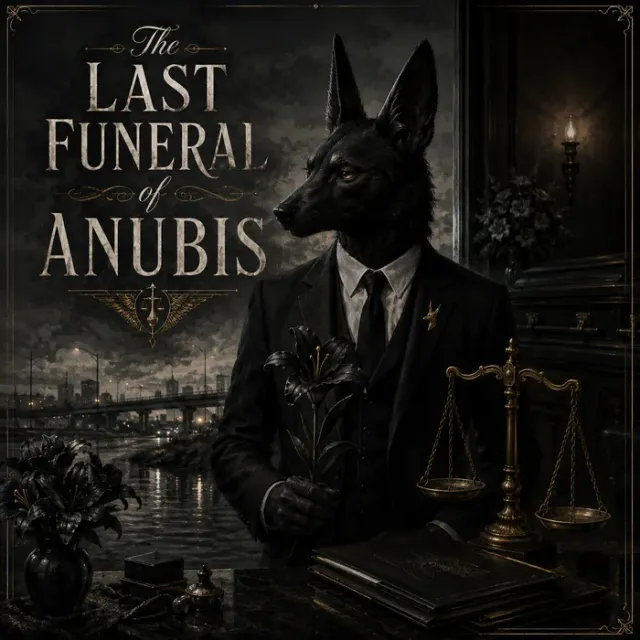
The Last Funeral of Anubis
Dark cabaret, gothic folk, and chamber blues place Anubis in a modern funeral home shaped by bureaucracy and human grief.
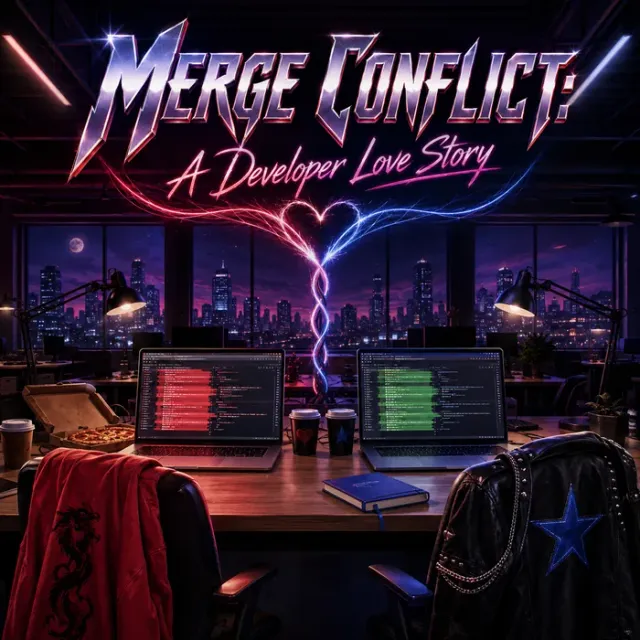
Merge Conflict - A Developer Love Story
A melodic hard-rock concept album about two developers whose late-night collaboration becomes a test of trust, control, and whether Project Phoenix can be saved.


