


Under Oljehimmelen is a Nordic dark pop concept album about oil, family, climate guilt, the sea, and a daughter caught between love and truth.
Tracklist
Liner Notes
A short editorial read on the album world, sound, and standout moments.
About the Album
Under Oljehimmelen is a Norwegian dark pop and cinematic indie rock concept album about the price of comfort, the weight of inheritance, and the complicated love between a daughter and the father whose work helped build her world. Set between Stavanger’s harbor lights, offshore oil platforms, Oslo’s protest streets, and the restless North Sea, the album turns Norway’s oil story into something deeply personal: not a lecture, not a slogan, but a family drama carried by cold synths, slow-burning guitars, aching melodies, and the sound of water always waiting in the background.
Musically, the record sits in a striking space between Nordic art pop, melancholic indie rock, and cinematic dark pop. The production feels wide and cold, like fog rolling across black water. Deep synth pads create a sense of distance and memory, while low guitars and slow drums give the songs physical weight. Warm basslines keep the music human, preventing it from becoming purely bleak. Strings appear like weather fronts, sometimes barely there, sometimes swelling into something almost oceanic. Subtle field-recording textures — harbor noise, wind, gulls, machinery, rain, distant engines — help the album feel less like a studio project and more like a lived landscape.
The opening tracks look back through the eyes of a child. Stavanger is not yet a moral battlefield, but a place of lights on water, boats returning through mist, and a father coming home from the sea. Songs like “Lys Over Vågen” and “Fars Hender Av Stål” establish the album’s emotional foundation with tenderness. The father’s hands become one of the record’s defining images: rough, loving, worn by labor, and impossible to separate from both care and consequence. These early songs make the listener understand why the daughter cannot simply reject where she comes from.
As the album progresses, the perspective widens. “Plattformsang” imagines the offshore platform as both workplace and floating cathedral — a place of machinery, isolation, danger, and national myth. “Oljefondets Barn” turns the focus toward Norway’s prosperity, asking what it means to grow up inside a country whose future savings are tied to fossil wealth. The song does not reduce that contradiction to hypocrisy. It treats it as something more intimate and more uncomfortable: a national success story with an emotional debt attached.
The move to Oslo marks the album’s turning point. In “Oslo Brenner Lavt”, the protagonist becomes politically awake. She studies, joins climate protests, reads reports, and begins to understand the crisis in language colder than childhood memory: emissions, investments, warming seas, delayed transitions. Yet even as she raises her voice, she hears her father in every argument. That tension gives the album its force. Its protest is not clean, and its rage is tangled with love.
The middle section deepens the conflict. “Havet Blir Varmere” is one of the album’s emotional anchors, transforming climate change from data into sensory experience: water that feels wrong, storms that no longer behave like memory, a coastline that seems familiar but subtly altered. “Brev Fra Plattformen” then turns inward, as the daughter rereads old letters from her father and discovers what she missed as a child. What once looked like ordinary messages from work now read like quiet love letters from a man trying to keep darkness away from home.
The late-album sequence is especially powerful. “Mellom Far Og Fjord” brings father and daughter into direct confrontation, not as enemies, but as two people shaped by different emergencies. He remembers insecurity, physical labor, and the fear of not providing. She sees rising seas, future instability, and the cost of delay. Neither is fully wrong. That is the heartbreak. “Statens Sorte Speil” expands this private argument into a national mirror, while “Stormvarsel” makes the crisis physical through a coastal storm that forces everyone back into the same vulnerable space.
By the time the album reaches “Ingen Ren Sang”, it has earned its complexity. The protagonist no longer claims purity. She understands that she has benefited from what she now questions. But the album does not confuse complicity with surrender. Instead, it suggests that honesty begins where self-protection ends. The closing tracks, “Siste Rotasjon” and “Under Oljehimmelen,” bring the story back to the harbor, where father and daughter stand side by side beneath the same sky. There is no easy redemption, no triumphant solution, no simplistic forgiveness. There is only love, grief, responsibility, and the decision not to look away.
Production Notes
All tracks were generated with AI music models, then processed for the final sound. No human performance recordings are used.
Full album download
Download the complete album
Get the full ZIP package with tagged audio files, cover artwork, and album metadata.
Support MelodyMind
Help keep the albums coming
If this album was useful or fun to listen to, a small contribution helps cover hosting, tools, and new music experiments.
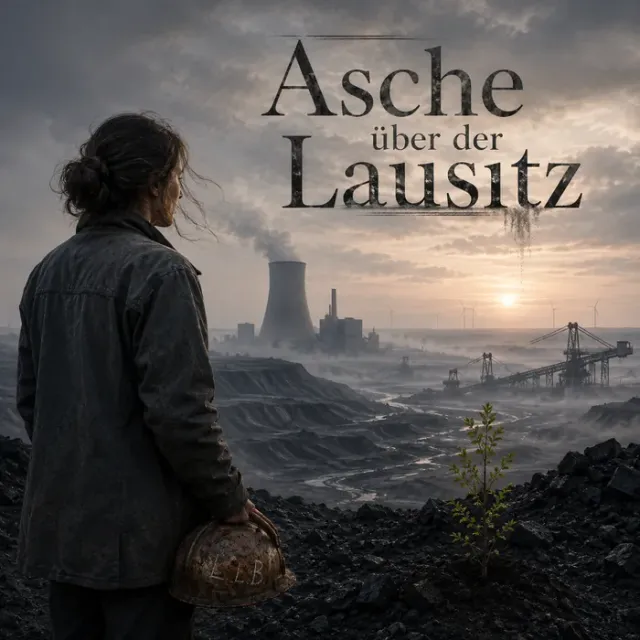
Asche über der Lausitz
Industrial rock about work, loss, and renewal in the Lausitz as coal closures reshape families, towns, and the meaning of home.

Neon Hearts
A nocturnal K-pop story follows two people through Seoul, moving from Hongdae's crowded streets to a dawn confession across synth-pop, R&B, and dream-pop textures.

Azúcar y Ceniza
Afro-Cuban jazz, bolero, and nocturnal soul frame a breakup story told through letters, photographs, and the Havana waterfront.
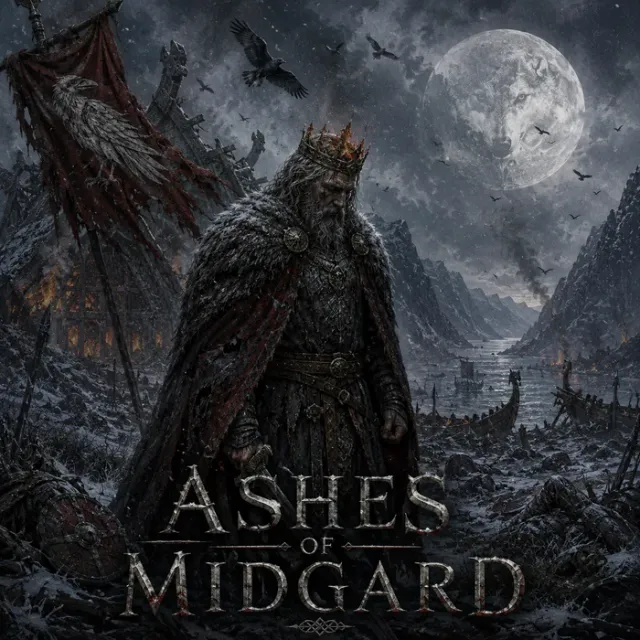
Ashes of Midgard
Ashes of Midgard is a tragic Viking metal concept album of fire, frost, broken oaths and a dying kingdom fighting to keep its memory alive after the last war.


