
Gothic Rock
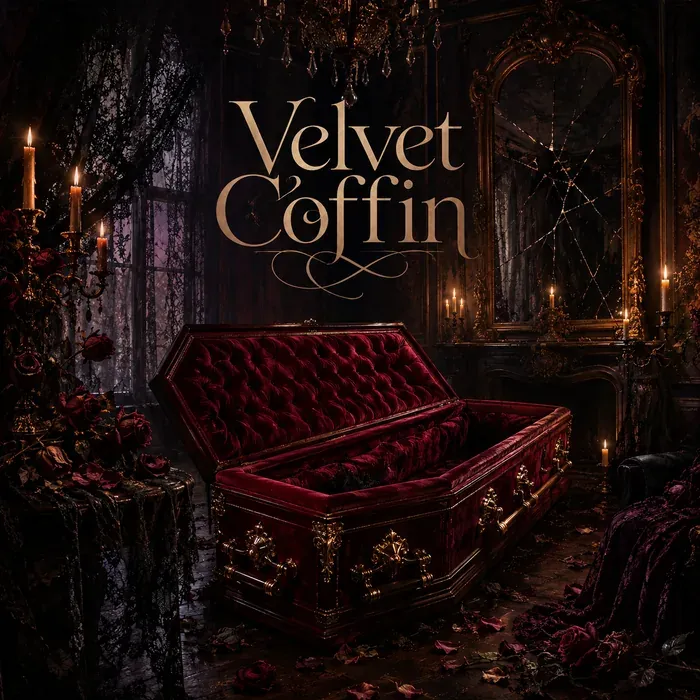
Velvet Coffin
Velvet Coffin is a gothic rock and post-punk album about a love that decorates its own trap: velvet rooms, perfume, black lace, locked doors, trembling chandeliers, cold flowers, and a final exit through ash. Dry drums, driving bass, shadowed guitars, and dark romantic vocals keep the record elegant while the story grows more claustrophobic.
- Tracks 14
- Length 74 min
Liner Notes
A short editorial read on the album world, sound, and standout moments.
About the Album
Velvet Coffin uses gothic rock imagery the way the best dark pop records use lighting: not as decoration, but as pressure. The velvet, silk, perfume, lace, roses, and old rooms are beautiful at first. Then they start to close in. The album is about a relationship that keeps mistaking intensity for intimacy until the house itself feels like an accomplice.
The title track opens the record with the central contradiction already in place. A coffin should be final; velvet makes it seductive. “Red Silk Memory” stays in that first spell, where the past feels expensive and carefully folded. “The House That Learned Our Names” is a stronger move, because it shifts the romance from two people into a space that watches them. The building remembers too much.
“Perfume and Black Lace” keeps the surface sensual, but the album is already turning. The scent lingers after the body leaves. The lace decorates a boundary. “Marble Mouth” is colder, built around withheld speech and the terrible weight of someone refusing to say the thing that would free the room. “Garden of Locked Doors” expands that silence into a landscape: every path looks romantic until it ends at another lock.
The middle of the album is where the emotional logic becomes clear. “We Drink Each Other Dry” is blunt, and it needs to be. This is not supernatural vampirism; it is the everyday draining of attention, apology, fear, desire, and control. “The Chandelier Trembles” gives the record its first real crack in the ceiling, the moment when the elegant version of the relationship can no longer hold still.
“Cold Flowers on the Bed” is one of the album’s best images because it refuses drama after the argument. It sits with the dead arrangement, the room after the voices have stopped. “Your Shadow Wears My Face” moves from atmosphere into identity loss: the narrator no longer knows which gestures are theirs and which were learned to survive the other person.
The final run is about leaving, but not in a clean heroic way. “Ashes in the Drawing Room” and “No More Roses in the Hall” strip the house of its symbols. Beauty is not denied; it is demoted. The roses were real, but they were also part of the trap. “Burning Castle, Open Night” raises the scale without pretending the exit is painless. Sometimes escape still smells like the place you escaped from.
“The Door Remains Open” is the right kind of ending for this record: unresolved, but no longer obedient. The door is open, memory is open, grief is open. What has changed is the direction of movement. The narrator does not need the house to be destroyed in order to stop living inside it.
Velvet Coffin is strongest when its gothic language stays human. Beneath the dry drums, dark basslines, shadowed guitars, and candlelit vocals, the album is not really about monsters. It is about the romance of a room that should have been left earlier, and the hard intelligence of finally stepping out.
Production Notes
All tracks were generated with AI music models, then processed for the final sound. No human performance recordings are used.
Support MelodyMind
Help keep the albums coming
If this album was useful or fun to listen to, a small contribution helps cover hosting, tools, and new music experiments.

Queen of the Sunset Strip
Queen of the Sunset Strip is a glam metal and sleaze rock album about Roxanne Vale, a club singer building her own crown from neon, bad contracts, cheap champagne, toxic romance, and loud amplifiers. Dirty riffs, bluesy lead guitars, gang vocals, and hard rock choruses keep the glamour scratched and dangerous.
Geronimo’s Last Ride
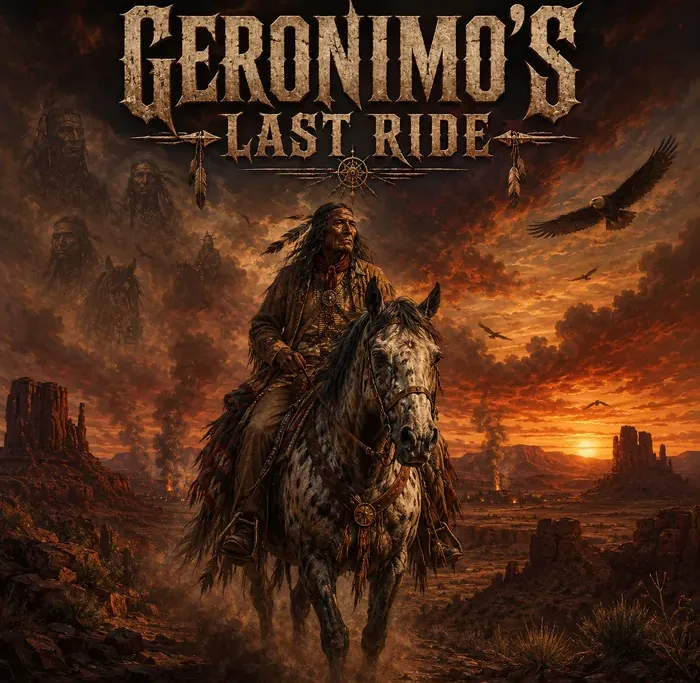
Geronimo’s Last Ride is a Western folk metal album about homeland, grief, pursuit, surrender, captivity, and memory. Heavy guitars, acoustic figures, cinematic drums, strings, brass, and choral weight frame a careful album narrative inspired by Geronimo and Apache resistance.
Onder de Scheldelucht
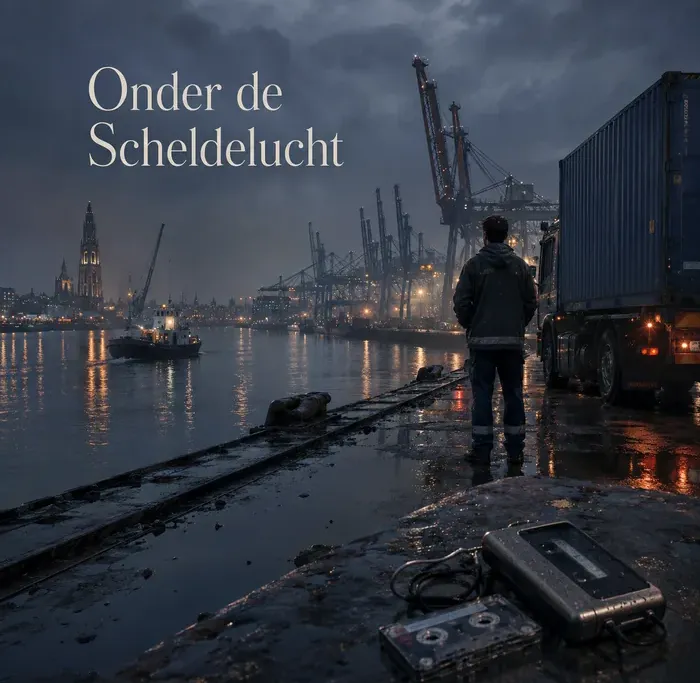
Onder de Scheldelucht is a Flemish indie rock album set along the Scheldt, where harbor light, steel cathedrals, old tapes, family memory, work, trade, and rain blur together. Reverb guitars, warm bass, muted drums, accordion colors, and Dutch-language vocals carry a story of labor, inheritance, and one last look at the river.
Staden Som Flyttar
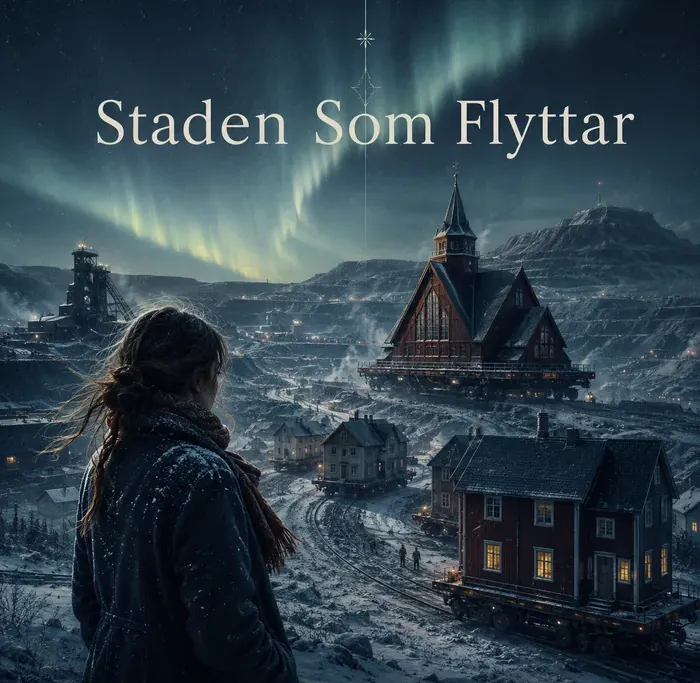
Staden Som Flyttar is a Swedish-language cinematic Nordic pop album about a mining town forced to move, and about the people who have to decide what can be carried with them. Cold synths, reverb guitars, piano, strings, field-recording textures, and slow-building drums frame songs about family rooms, church rails, night shifts, graves, fences, old squares, and new glass streets.