


Velvet Coffin is a gothic rock concept album of toxic love, post-punk shadows, dark romance, velvet vocals and a burning escape from obsession.
Tracklist
Liner Notes
A short editorial read on the album world, sound, and standout moments.
About the Album
Velvet Coffin is a gothic rock and post-punk concept album that understands something essential about dark romance: the most dangerous prisons are not always made of iron. Sometimes they are upholstered in velvet. Sometimes they smell of perfume, old roses and candle smoke. Sometimes they speak in the voice of someone you once loved so intensely that leaving them feels less like freedom and more like tearing your own shadow from the wall.
The opening tracks are seductive, almost glamorous. “Velvet Coffin” introduces the central metaphor with a slow, fatal elegance: the relationship is luxurious, sensual and beautifully arranged, yet already airless. “Red Silk Memory” deepens that spell, turning memory into fabric — soft, red, intimate, and suffocating. The album’s early movement is full of candlelit surfaces: lace, perfume, polished wood, velvet, roses, and rooms that seem to breathe. But beneath the elegance, something colder is moving. The bass never simply supports the songs; it stalks through them. The drums are dry and controlled, giving the music that classic post-punk tension where the body wants to move but the heart feels trapped.
As the record progresses, the manor becomes more than scenery. In “The House That Learned Our Names,” the building starts to function like a witness, an archive and a prison. Every room holds an argument, every corridor remembers a kiss, every object has absorbed too much emotional damage. This is one of the album’s central narrative ideas: the relationship has created its own architecture. The lovers inhabit the architecture that their obsession has built around them.
By the middle section, the romance begins to curdle. “Marble Mouth” turns silence into a weapon, showing how emotional control often arrives quietly, dressed as restraint or wounded dignity. “Garden of Locked Doors” is one of the album’s key chapters, because it reveals the illusion of escape: even outside, even in the garden, the narrator finds the same patterns waiting. Every gate leads back to the same emotional center. This is where Velvet Coffin becomes more than a dark love album. It becomes a study of how toxic attachment rewrites reality until the person inside it can no longer tell the difference between devotion and disappearance.
The heart of the album is “We Drink Each Other Dry,” a track that makes the emotional vampirism explicit without falling into gothic cliché. It is not about fangs, blood or immortality. It is about attention as hunger, guilt as currency, love as a ritual of depletion. Both people are victim and participant. That complexity gives the album its bite. It refuses the easy version of the story where one person is simply monster and the other simply innocent. Instead, it follows the more painful truth: sometimes two wounded people build a beautiful disaster together and keep calling it love because the alternative is silence.
The later tracks push the story toward rupture. “The Chandelier Trembles” is the point where beauty cracks in public. The grand room, the gold, the crystal, the ceremony of romance — all of it begins to shake under the weight of what has been denied. “Cold Flowers on the Bed” is quieter but devastating, capturing that morning-after feeling when two people remain physically near but emotionally ruined. “Your Shadow Wears My Face” takes the album into its most psychological territory, describing the loss of self that comes after too much adaptation, too much pleasing, too much survival disguised as love.
Then comes the fire. “Ashes in the Drawing Room” and “No More Roses in the Hall” begin the act of refusal. The narrator does not suddenly become victorious. That would be too simple, and this album is smarter than that. Instead, the songs show resistance as something trembling, partial and painful. Burning letters, removing roses, touching the door handle — these are small gestures, but in this world they feel enormous. They are the first movements of a person trying to become real again.
The final stretch, “Burning Castle, Open Night” and “The Door Remains Open,” gives the album its most cinematic ending. The escape is not triumphant in a cheap way. The narrator does not walk into sunrise completely healed. They leave at night, through smoke and rain, with grief still alive inside them. That emotional honesty gives the ending its force. Velvet Coffin understands that leaving a destructive love does not erase the love, and surviving a prison does not mean you instantly forget the shape of the walls.
Production Notes
All tracks were generated with AI music models, then processed for the final sound. No human performance recordings are used.
Full album download
Download the complete album
Get the full ZIP package with tagged audio files, cover artwork, and album metadata.
Support MelodyMind
Help keep the albums coming
If this album was useful or fun to listen to, a small contribution helps cover hosting, tools, and new music experiments.
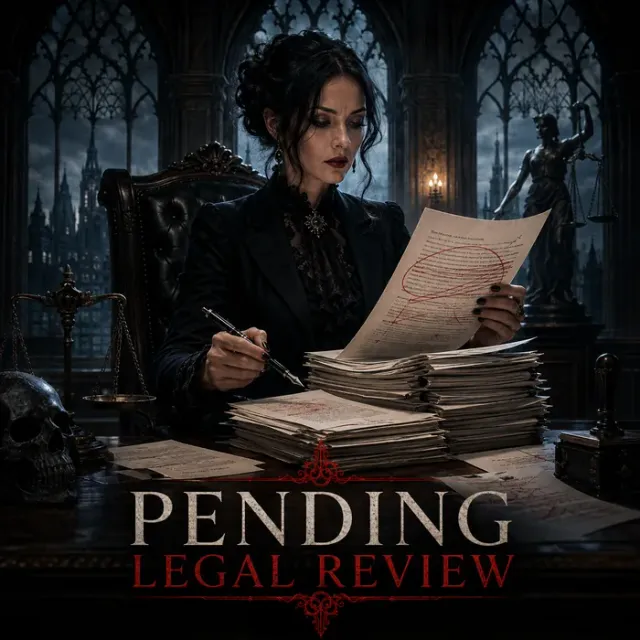
Pending Legal Review
Pending Legal Review is a gothic rock and doom metal concept album about contracts, liability, legal pressure, red lines and the hidden risk of signing blind.
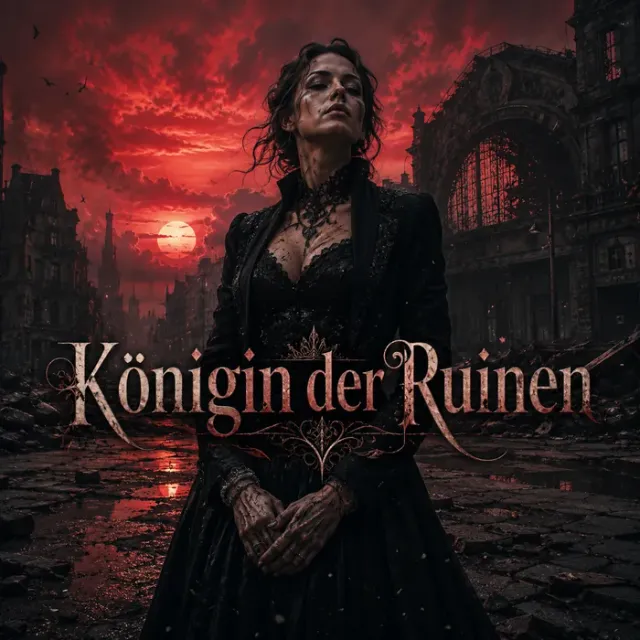
Königin der Ruinen
German gothic rock follows a ruined queen through pride, isolation, and the difficult work of rebuilding without recovering her throne.
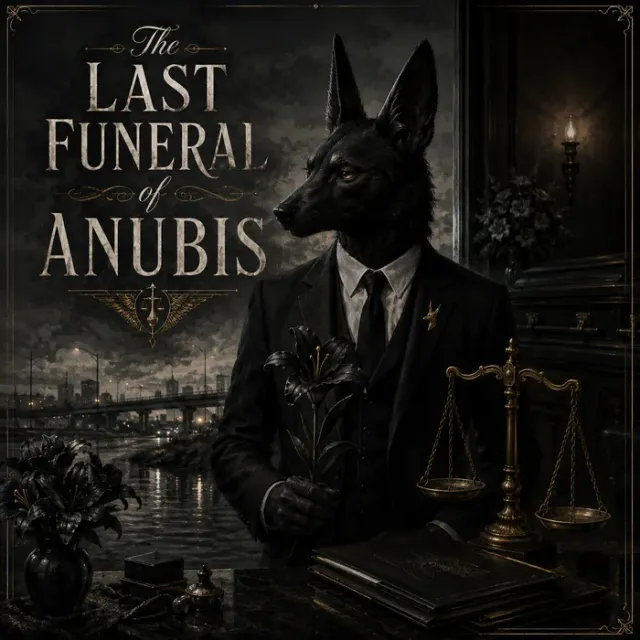
The Last Funeral of Anubis
Dark cabaret, gothic folk, and chamber blues place Anubis in a modern funeral home shaped by bureaucracy and human grief.
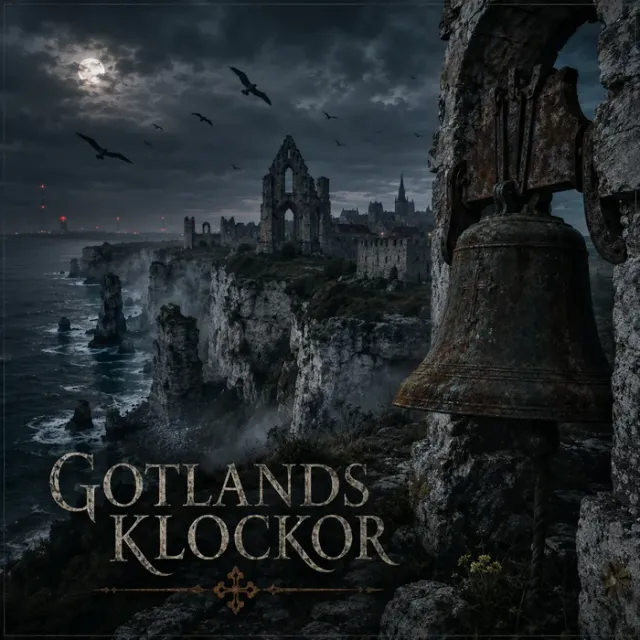
Gotlands klockor
Gotlands klockor turns Gotland’s haunted Baltic history into brooding gothic rock, darkwave and folk metal—a 14-song warning carried by bells over cold seas.


