

Welcome to the Family
Made with generative AI; directed and curated by Daniel.
Welcome to the Family turns corporate wellness, layoffs and hollow culture slogans into biting alternative rock, pop-punk satire and protest with sharp teeth.
Tracklist
Liner Notes
A short editorial read on the album world, sound, and standout moments.
About the Album
Welcome to the Family is a workplace satire with the teeth of a protest record and the pacing of a sharp office comedy. Set inside fictional Infinite Loop Solutions, the album follows Fiona Hartmann, the new head of People & Culture, as she tries to turn a cosmetic rebrand into something useful. What begins with welcome kits, employee surveys and values soon exposes a workplace held together by unpaid overtime, euphemisms and fear. Across fourteen connected songs, the language of corporate care is tested against the lives of the people expected to believe it.
Musically, the album sits firmly in alternative rock, driven by pop-punk urgency, melodic hard-rock weight and flashes of comedy metal. Crunchy guitars, animated bass lines and live drums give the record momentum, while recurring motifs tie the chapters together. The humour comes from recognition: the calendar invite marked “optional,” the confidential survey that identifies everyone, the wellness seminar scheduled during lunch and the promotion arriving without money, staff or authority. These details make the satire sting because they feel plausible before they become absurd.
The opening title track introduces the company through a new employee receiving a leaking mug, a weak laptop and a turquoise handbook full of promises. It is catchy, bright and immediately suspicious. “People, Not Resources” then shifts the focus toward Fiona, whose belief in transparent pay, honest conversations and better onboarding brings warmth into the story without making her a simple hero. She wants the renamed department to mean something, but every practical improvement meets the same obstacle: management wants better language, not better conditions.
From there, the album sharpens its attack. “Bring Your Whole Self to Work” dismantles selective corporate authenticity, where employees may share hobbies and personal stories but not discuss wages, burnout or unionisation. “The Mandatory Fun Event” turns a supposedly voluntary party into a sarcastic loyalty test. “Your Feedback Is Anonymous” is darker, built around a survey whose demographic filters make every critical voice identifiable. These songs are funny, but the comedy never erases the consequences. Every laugh leaves an uncomfortable aftertaste.
At the centre, “Engagement Score Seventy-Two” captures the record’s core conflict. A worrying survey result becomes an optimistic presentation through selective language, altered graphs and management spin. The song balances a buoyant corporate-anthem surface with lines revealing exhaustion and distrust underneath. “The Wellness Webinar” follows with a sharp scene: overworked employees practise mindfulness beside a noisy server room while their pagers ring. Breathing exercises, the song argues, cannot solve deliberate understaffing.
“Culture Fit” marks the story’s major turn. An applicant asks direct questions about pay, turnover and on-call work, only to be rejected for failing to fit the culture. Tense, stop-start rhythms make the interview feel like a trap closing in real time. When Victor Sterling tells Fiona that she is a business partner rather than an employee advocate, the album’s moral argument becomes explicit. Fiona must decide whether her position protects people or protects the company from them.
The second half grows heavier without losing its wit. “Performance Improvement Plan” reframes a supposedly supportive process as a documented exit route. “Strategic Team Adjustment” attacks the language used to disguise layoffs, translating each polished phrase into its blunt meaning. The comedy turns severe because the pink envelopes now contain rent, healthcare, school fees and lost years of experience. Fiona cannot prevent every dismissal, but she can reject the official story and force the human cost back into the room.
That refusal erupts in “Read Their Words Aloud,” the album’s dramatic centrepiece. Asked to deliver a sentimental speech at a company celebration, Fiona reads the employees’ unfiltered survey comments instead. Management cuts the microphone, but the workforce continues without it. The scene works because the album has spent ten songs showing why these people remained careful and isolated. Their collective response grows naturally from every ignored question and softened complaint.
“The Family Has a Budget” explores the aftermath. The company’s rhetoric collapses, but employees build something more practical: references, meals, job leads, transport and legal support for those being dismissed. The distinction between declared family and chosen solidarity gives the song its emotional strength. “Exit Interview Revolution” then turns individual departures into a documented pattern management can no longer dismiss. It is the record’s fastest and most confrontational track, but its victory remains limited. Better severance and truthful communication matter, yet they cannot restore every job or repair every betrayal.
The closing “Employee Experience Director” delivers the perfect final irony. Fiona receives a longer title without additional staff, budget or power. Still, the ending is not cynical surrender. The support network survives, the evidence remains and former employees continue helping one another. Then a new calendar invitation appears: “Mandatory Agile Alignment Plan.” The next corporate disaster is already booking the room.
Production Notes
All tracks were generated with AI music models, then processed for the final sound. No human performance recordings are used.
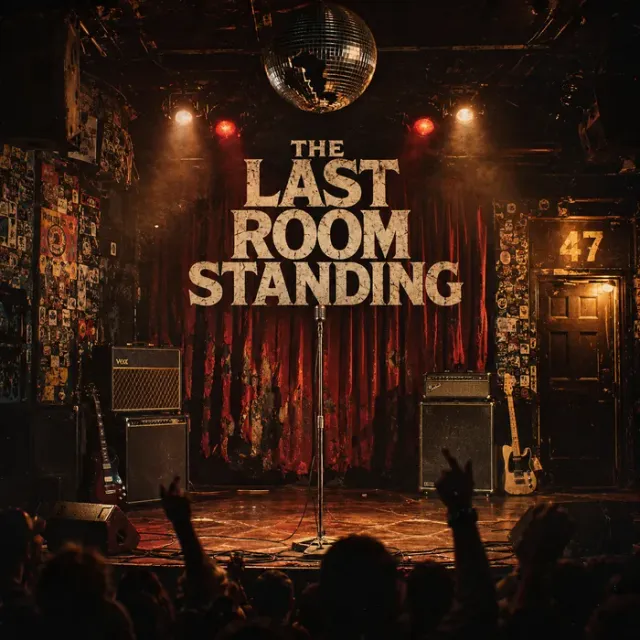
The Last Room Standing
A live alternative rock album about rising rent, closing music clubs, and the community fighting to keep one room open.
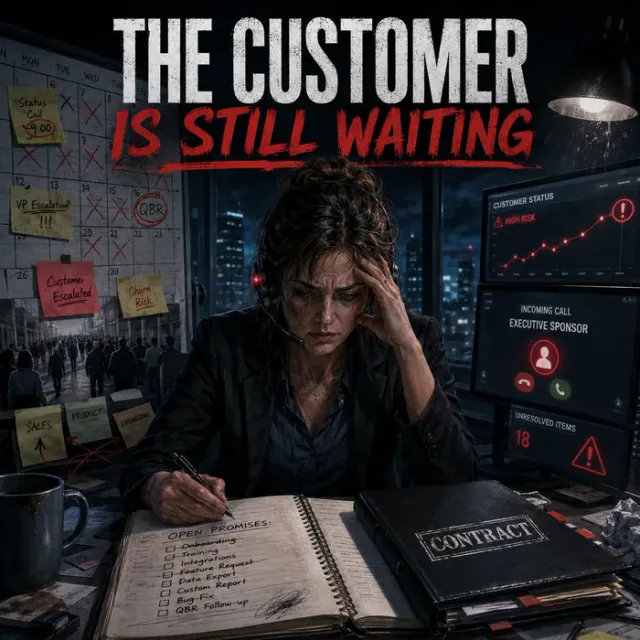
The Customer Is Still Waiting
The Customer Is Still Waiting turns broken promises, angry clients, and corporate pressure into driving alternative rock, melodic punk, and hard-earned trust.
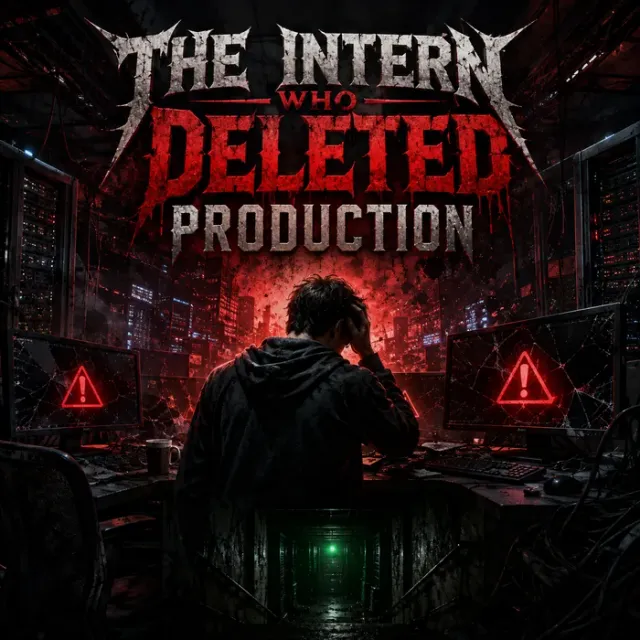
The Intern Who Deleted Production
The Intern Who Deleted Production is a savage comedy-thrash concept album about one fatal command and the broken company that made it inevitable from day one.
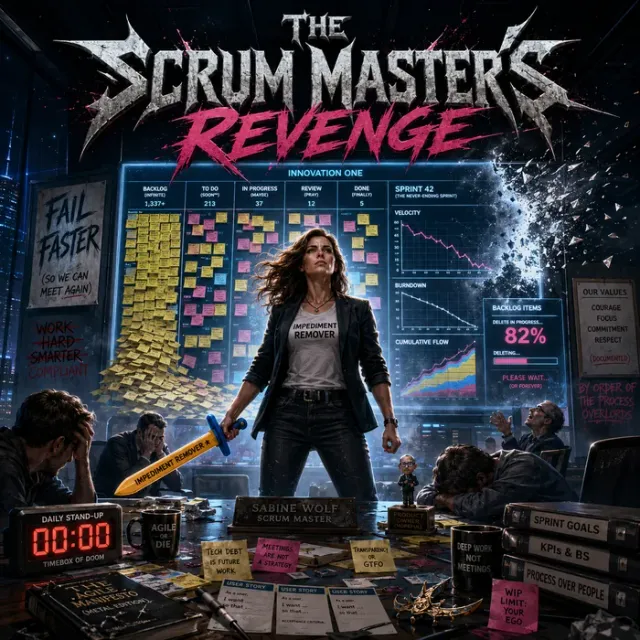
The Scrum Master’s Revenge
A progressive power-metal satire about a Scrum Master watching agile practice harden into surveillance, ranking, and meetings that produce no work.


Download the complete album
Get the full ZIP package with tagged audio files, cover artwork, and album metadata.
Help keep the albums coming
If this album was useful or fun to listen to, a small contribution helps cover hosting, tools, and new music experiments.